What a Conveyor Belt Idler Does
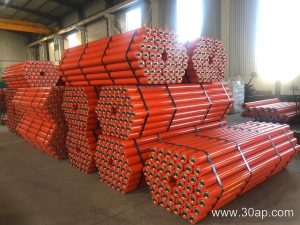
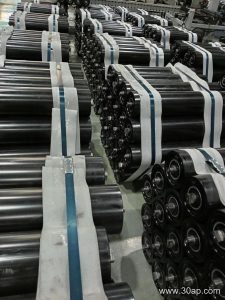
A conveyor belt idler is the rotating roller assembly that supports the belt along its carrying and return runs. Also called an idler roller, it keeps the belt profile stable, limits sag between supports, and reduces friction compared with a sliding bed. In a quarry conveyor or a power plant coal handling line, the idler set is often the most numerous component on the structure, so small differences in roller diameter, bearing quality, and seal design add up over the whole route.
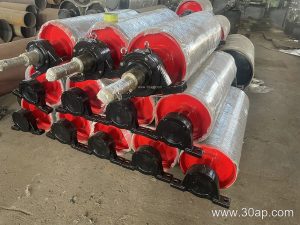
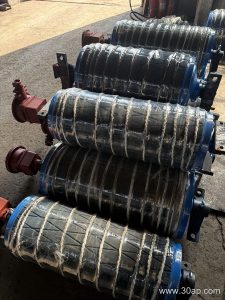
The idler should not be confused with the conveyor pulley. Drive, tail, and bend pulleys transmit motion and change belt direction; the idler only supports and guides. These parts are not interchangeable, and a buyer ordering spares should keep the two categories separate on the requisition.
Construction Details That Matter
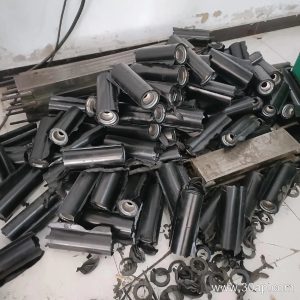
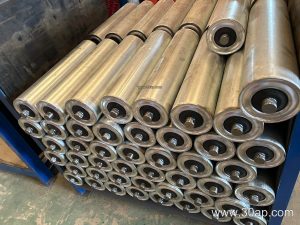
A typical idler roller is built from a steel tube shell, a shaft, two bearing housings, and a sealing arrangement. Common roller diameters include Ø89, Ø108, Ø127, Ø133, Ø159, and Ø178, with larger sizes used on heavy-duty mining conveyor structures. Bearings such as 6204, 6205, 6305, 6306, 6308, and 6310 appear across the range, but no single bearing is tied to one diameter; the bearing is chosen with load, speed, and expected life in mind.
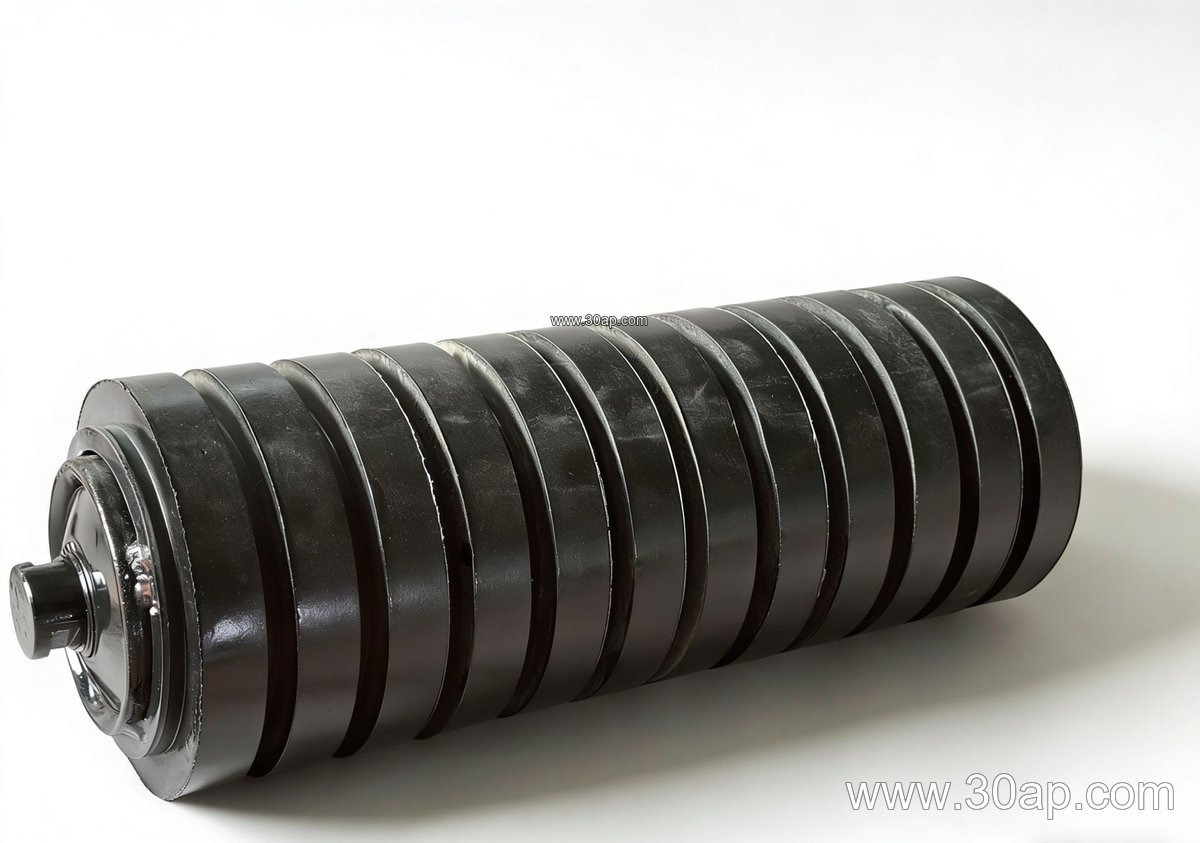
Shell material options include plain steel, nylon, ceramic, and rubber rings. Rubber-ring impact idlers are common below crusher discharge points, where lump size is large and the belt needs cushioning. Roller length follows belt width, trough angle, and the number of rolls in the set. For three-roll troughing sets, typical roll lengths are roughly 200 mm at B500, 250 mm at B650, 315 mm at B800, 380 mm at B1000, 465 mm at B1200, and 600 mm at B1600. These are examples, not fixed pairings, and side rolls may differ from the center roll.
| Item | Common Reference Range |
|---|---|
| Roller diameter | Ø63 to Ø219 mm |
| Belt width | B400 to B2400 mm |
| Trough angle | 20°, 30°, 35°, 45° |
| Bearing | 6204, 6205, 6305, 6306, 6308, 6310 |
| Set form | single roll, two-roll, three-roll troughing |
Where the Idler Fits in the Line
On the carrying side, troughing idlers form the belt into a trough so bulk material stays centered. Transition idlers ease the belt from flat at the pulley to full trough, reducing edge stress. On the return side, flat or V-return idlers support the empty belt. Self-aligning types, including friction and tapered designs, correct minor belt drift on long routes.
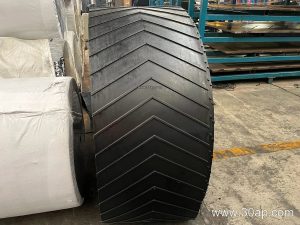
Applications vary widely. A limestone quarry may use impact idlers under the primary crusher and standard troughing sets on the incline. A coal washing plant often specifies flame retardant conveyor belt and matching rollers with good sealing against fine wet dust. Cement plants, iron ore terminals, and aggregate lines each bring their own dust, abrasion, and load profile. The idler choice should follow the belt, not the other way around. A steel cord conveyor belt carrying high tension may need a different support spacing than a multi-ply fabric core belt on a short transfer.
Choosing the Right Idler Set
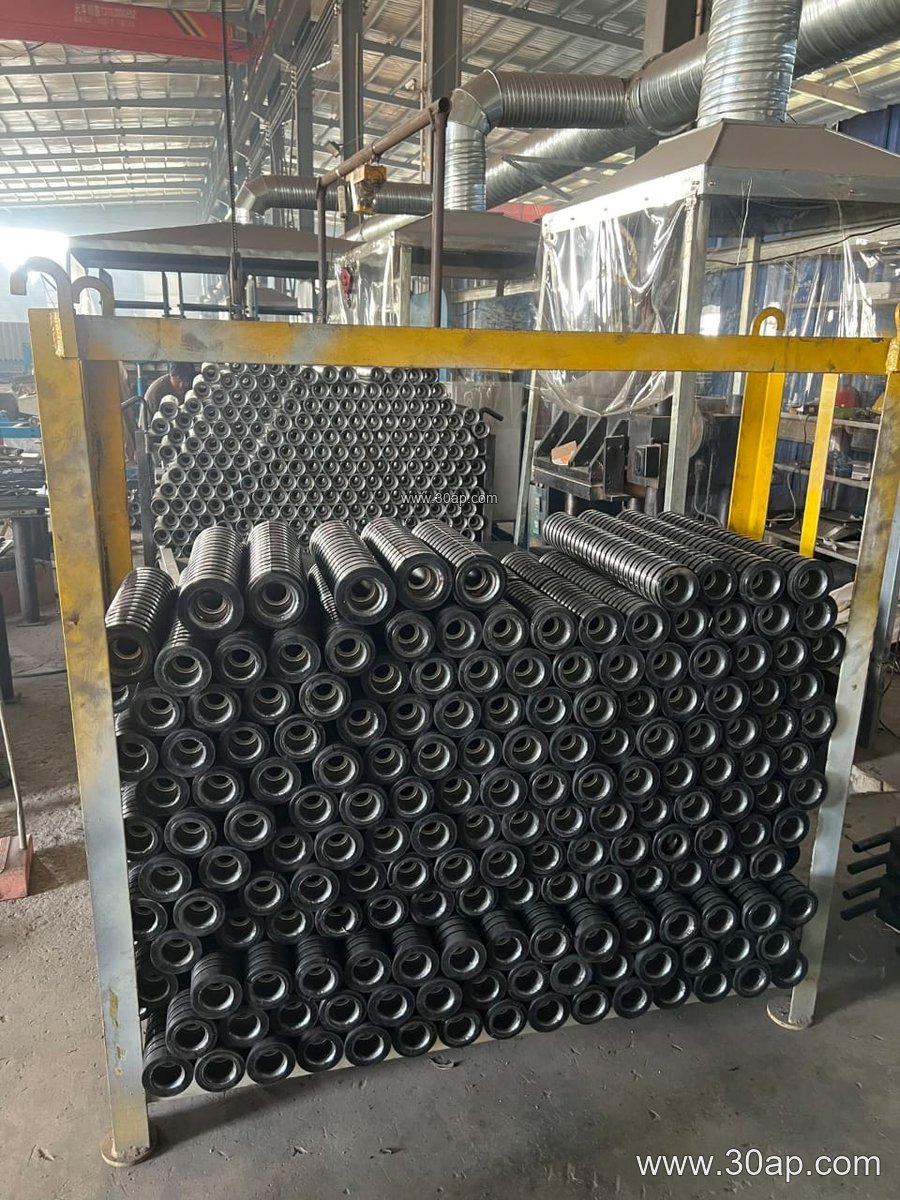
Start with belt width and trough angle, then confirm roller diameter and shaft size against the actual load. Check the conveyor bracket dimensions and mounting hole spacing so the new set fits the existing frame. On abrasive duties such as quarry conveyor and ore conveyor service, thicker shells and better seals usually pay back faster than a lower purchase price. In cold climates, consider how seal drag changes at low temperature, and on food or chemical lines confirm that the roller covering suits the environment.
For a complete spare-parts plan, list the idler position, roller diameter, shell type, bearing number, and set configuration. Keep this list alongside the conveyor pulley and belt specifications so future orders stay consistent. Buyers can review roller options and related components at blairsun.com/conveyor-belt-idler and cross-check belt data before finalizing the order.
Maintenance Notes
- Listen for seized or squealing rollers during routine walkarounds.
- Check for belt edge wear that may indicate misaligned idler frames.
- Replace damaged rolls promptly; a failed roller can cut the belt.
- Keep impact idlers under crushers in good condition to protect the belt carcass.
- Confirm that replacement rollers match the original diameter and bracket fit.
Well-matched idlers keep the belt running quietly and extend the service life of the whole conveyor. Whether the site is a sand and gravel plant, a port loading facility, or a mineral processing circuit, the idler set deserves the same attention as the belt and the pulleys.