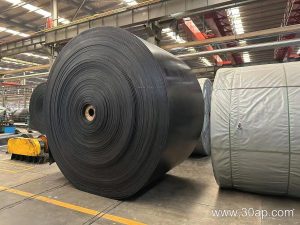
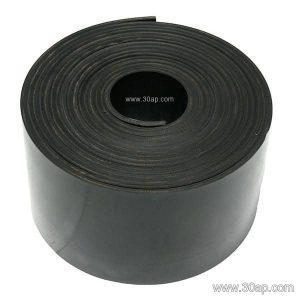
What a Conveyor Belt Lagged Pulley Does
A conveyor belt lagged pulley is a conveyor pulley whose outer surface carries a rubber or ceramic layer. This lagging raises friction between the pulley shell and the belt, which matters most at the drive position where torque must be transferred without slip. The same lagged pulley may also appear as a tail or bend pulley when belt tracking and surface protection are priorities. In a limestone quarry or a coal-fired power plant, a lagged drive pulley often works together with a heavy-duty conveyor belt and a series of conveyor idler rollers to keep material moving steadily.
The pulley itself is not a substitute for a drive, tail, or bend pulley; it is a surface-enhanced version of those positions. For example, a drive pulley with lagging and a tail pulley with lagging serve different mechanical roles, even though both use a rubber-covered shell.
How the Lagging Is Built
The pulley body usually starts as a steel drum with end discs and a shaft. Lagging is applied in several common forms: hot-vulcanized rubber, cold-bonded rubber, cast rubber, diamond grooving, herringbone grooving, or ceramic tiles. Thickness commonly ranges from 8 mm to 20 mm, with 10 mm and 12 mm often chosen for general drive duty and thicker layers used where impact or abrasion is severe.
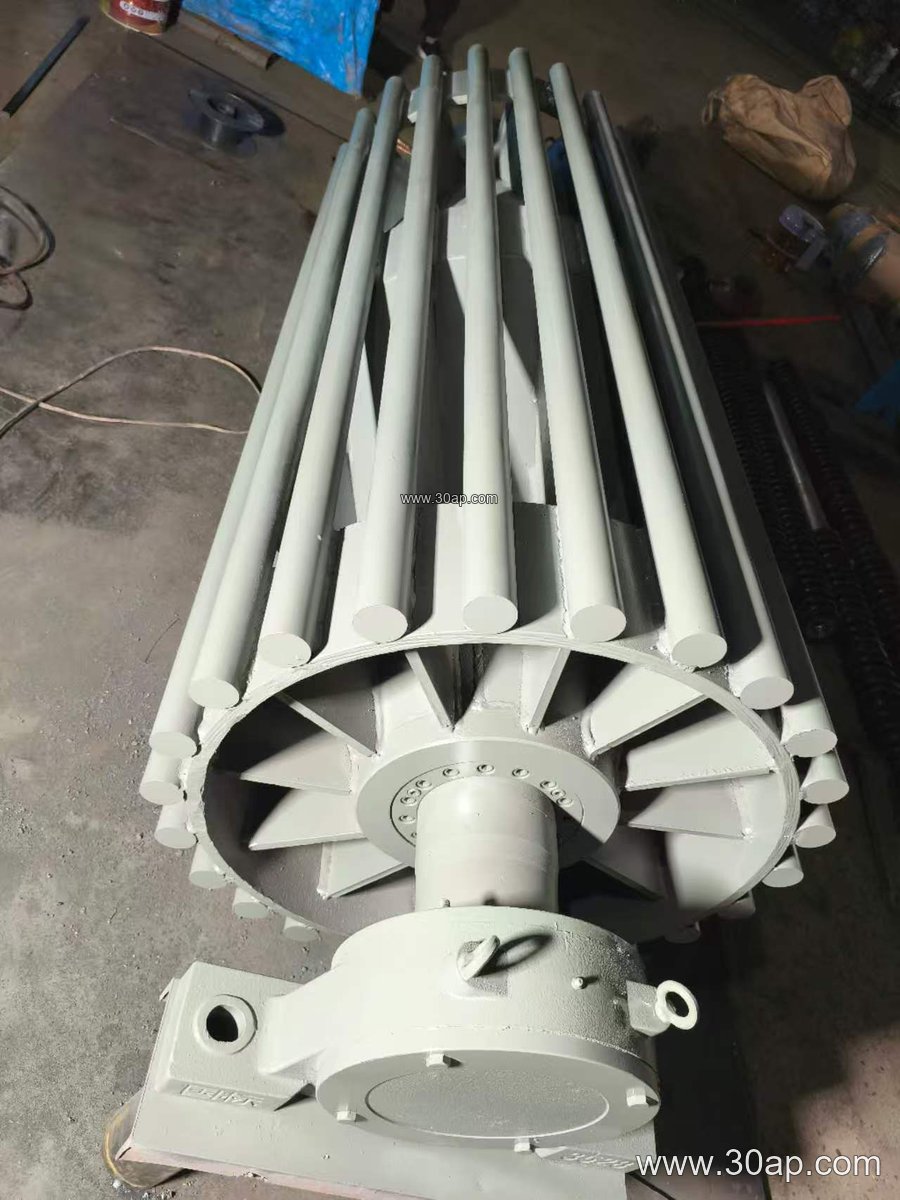
Surface pattern affects grip and cleaning. Diamond lagging helps shed water and fine dust, while herringbone grooving can improve traction in one or both directions. Ceramic lagging is chosen when abrasive rock or ore tends to polish a rubber surface. The pulley face width is usually wider than the belt: for instance, a B800 belt often runs on a pulley face around 950 mm, and a B1200 belt may use a face near 1400 mm. These are common references, not fixed pairings.
Where It Fits in a Conveying System
In a stone crushing line, a lagged head pulley pulls the belt while a corrugated sidewall conveyor belt or a chevron conveyor belt handles steep inclines. In an underground coal mine, a flame retardant conveyor belt and a lagged drive pulley must work with anti-static properties and careful belt tracking. A cement plant clinker line may use a heat resistant conveyor belt, and the lagged pulley surface should be checked for glazing or hardening.
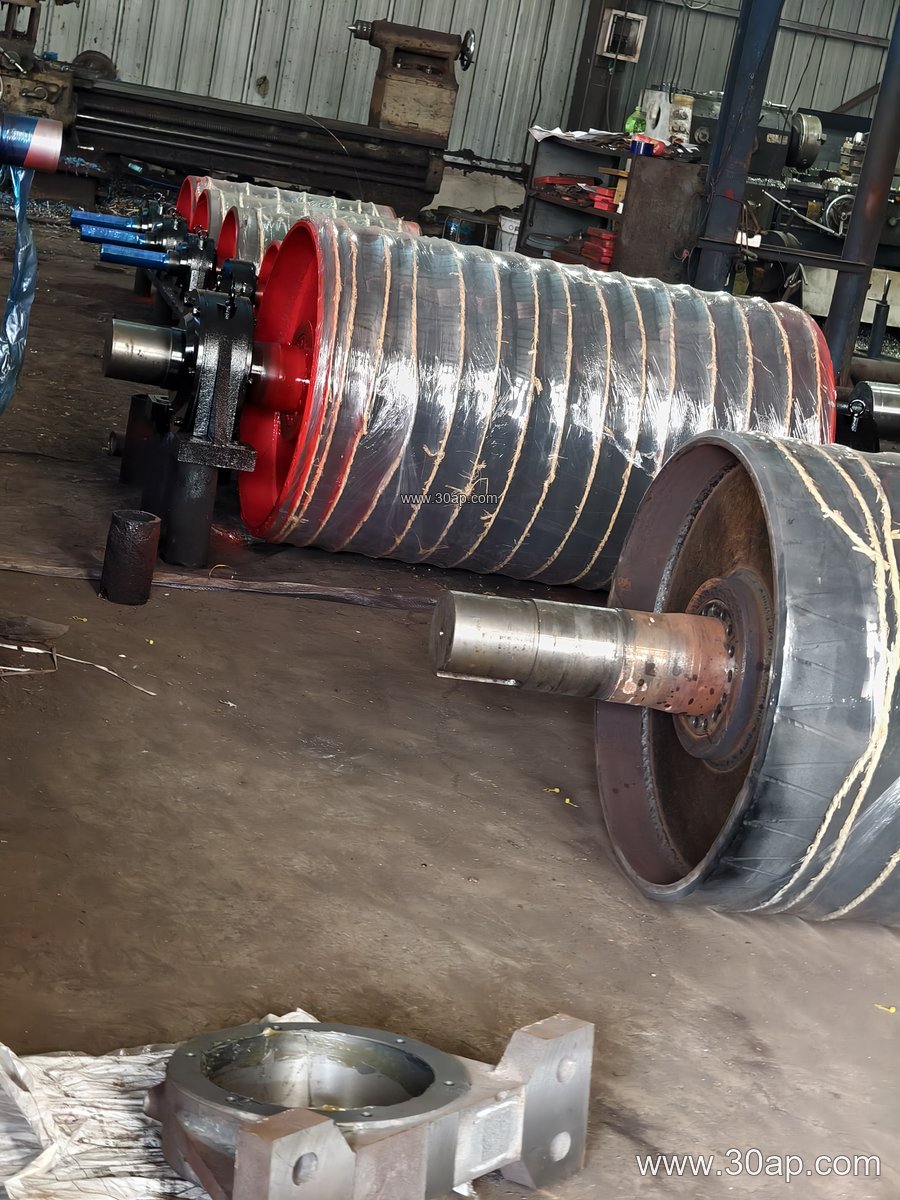
The pulley also interacts with the conveyor bracket and take-up system. A lagged tail pulley can reduce belt slip during start-up, while a lagged bend pulley helps maintain wrap angle without excessive belt tension. In port bulk handling, an abrasion resistant conveyor belt paired with a diamond-lagged pulley often improves grip on wet coal or ore.
Common Surface and Size References
Buyers often compare surface forms and basic dimensions. The table below gives typical examples; final values should follow the conveyor design and the actual belt width, not a single fixed rule.
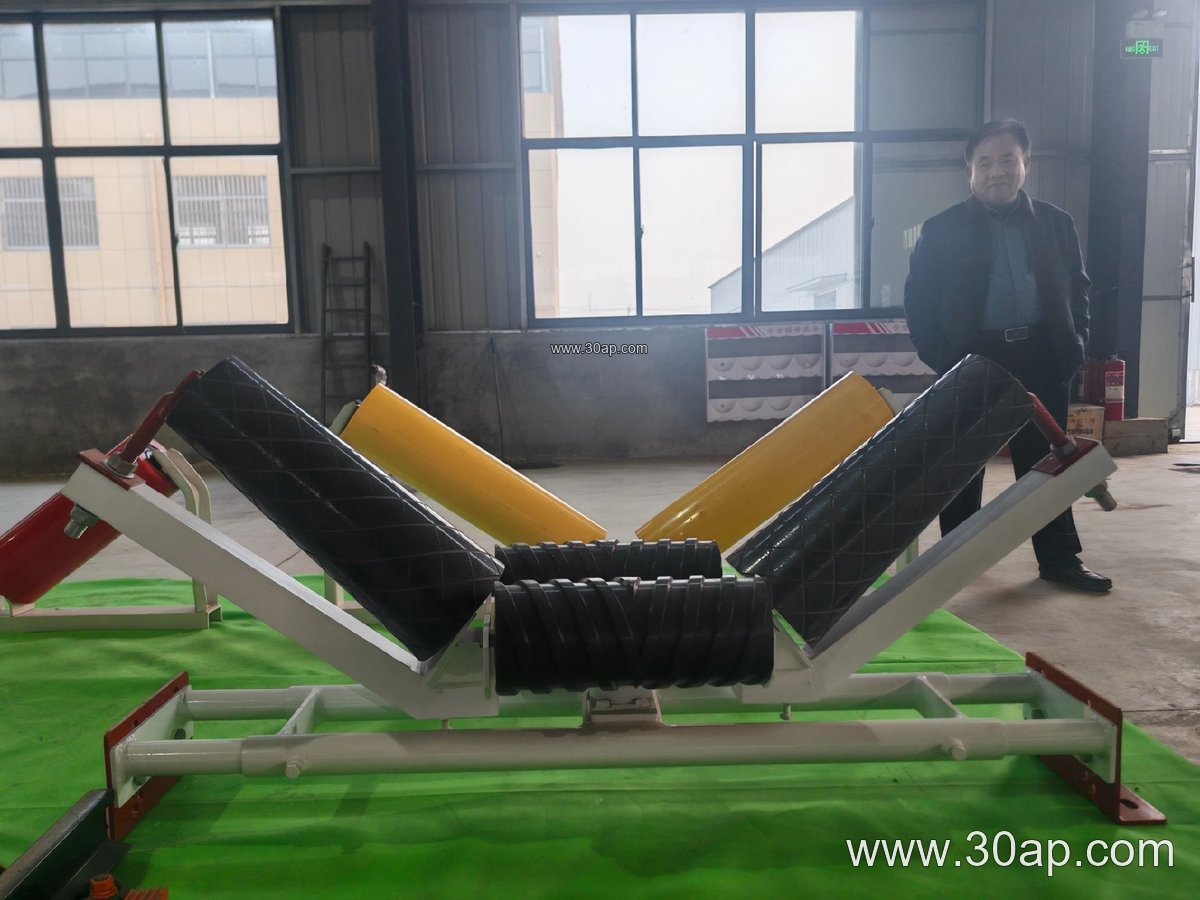
- Surface forms: smooth, cast rubber, cold-bonded rubber, hot-vulcanized rubber, diamond lagging, herringbone lagging, ceramic lagging, plain rubber sheet.
- Lagging thickness: 8 mm, 10 mm, 12 mm, 15 mm, 20 mm.
- Belt width references: B400, B500, B650, B800, B1000, B1200, B1400, B1600, B1800, B2000, B2200, B2400.
- Pulley diameter references: Ø200, Ø250, Ø315, Ø320, Ø400, Ø500, Ø630, Ø800, Ø1000, Ø1250, Ø1400, Ø1600, Ø1800.
- Shaft diameter references: Ø50, Ø60, Ø70, Ø80, Ø90, Ø100, Ø120, Ø140, Ø160, Ø180, Ø200.
Combinations such as B800 × Ø500, B1200 × Ø1000, and B1400 × Ø800 are common in project discussions, but shaft size must be calculated from torque and load. A larger belt width does not automatically dictate one shaft diameter.
Buyer Checklist for a Lagged Pulley
Start with the pulley position: drive, tail, or bend. Then confirm belt width, belt type, and the material being carried. An EP conveyor belt or a steel cord conveyor belt may call for different lagging hardness and thickness. Check whether the site needs flame retardant, oil resistant, or heat resistant properties, and whether the lagging should be replaceable.
Ask for the pulley face width, shell diameter, shaft diameter, bearing type, and lagging pattern. Confirm that the lagging is bonded to the full face and that the groove pattern suits the belt direction. For a mining conveyor belt or a quarry conveyor belt, ceramic or thick rubber lagging often deserves consideration. Keep spare lagging sheets or a spare pulley on hand where downtime is costly.
Finally, match the lagged pulley to the conveyor idler roller spacing and the conveyor bracket dimensions. A well-chosen lagged pulley supports belt life, reduces slip, and keeps the whole conveyor system running with fewer tracking corrections.