What a Fixed Conveyor Bracket Does
A fixed conveyor bracket is the rigid support frame that holds idler rollers at a set position and angle along a conveyor structure. Unlike adjustable versions, it is built to one geometry after the belt width, trough angle and roller diameter are confirmed, so the idler stays put through years of loading. In a quarry, a cement plant or a power plant coal yard, these brackets carry the full weight of the belt and the material on it, so their stiffness and hole alignment matter as much as the rollers themselves.
The bracket is not a pulley. A drive pulley, tail pulley and bend pulley each rotate and transmit or redirect belt tension, and none of them can be replaced by a fixed bracket. The bracket is also distinct from the idler roller it holds. It is the stationary base, and its job is to keep the roller square to the belt line and at the correct trough angle.
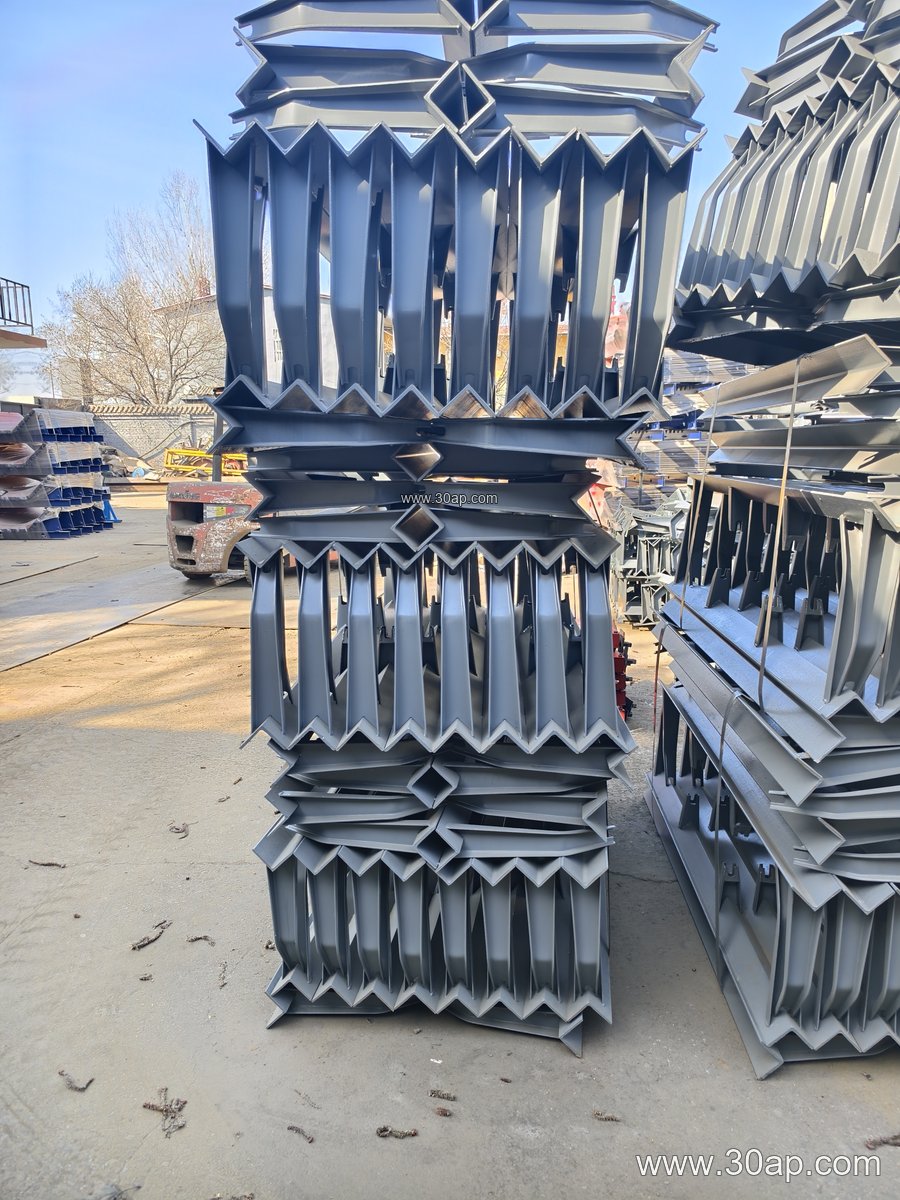
How the Bracket Is Built
Most fixed conveyor brackets are fabricated from angle steel, channel steel or folded steel plate, then drilled or punched for the idler shaft. Welds are usually continuous on load-bearing joints, and the mounting slots are positioned so the roller sits at the designed height. Common configurations include trough brackets on the carrying side, transition brackets near pulleys, return brackets and V-return brackets underneath, and impact brackets at transfer points where a skirted conveyor belt or a crusher conveyor belt drops heavy lumps.
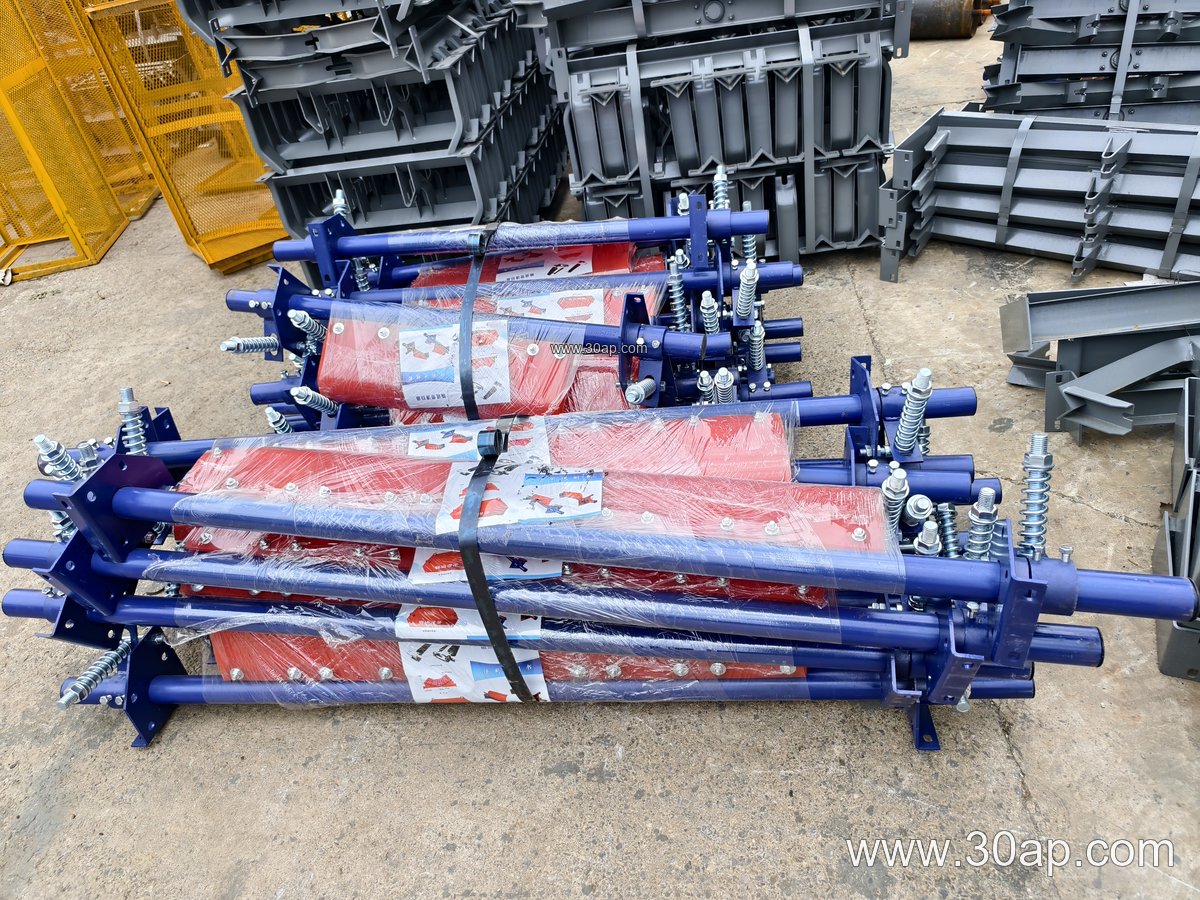
Because the frame is welded rather than bolted together on site, a buyer should confirm the hole spacing and crossbeam length against the actual belt width and trough angle before ordering. These dimensions change with design and should never be assumed from the belt width alone.
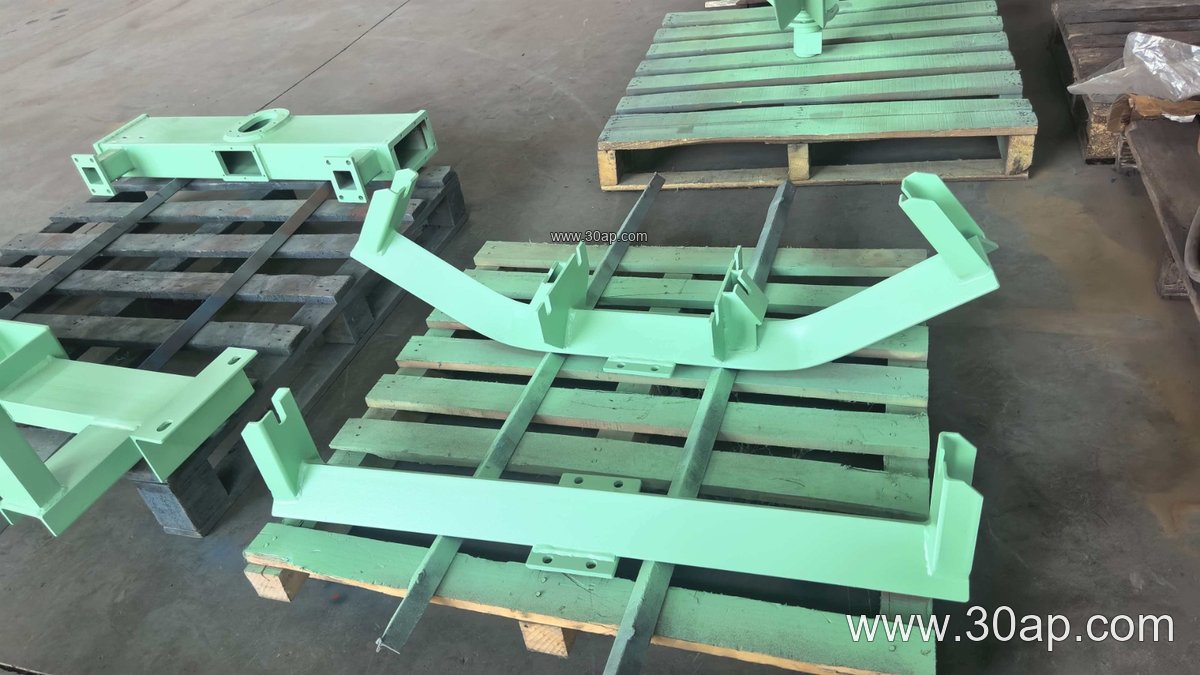
Typical Sizes and Angles
The table below shows reference ranges that appear in conveyor design work. They are examples, not fixed pairings, and final values depend on the project.
| Parameter | Common reference values |
|---|---|
| Belt width B | B500, B650, B800, B1000, B1200, B1400, B1600, B1800, B2000, B2200 |
| Trough angle | 20°, 30°, 35°, 45° |
| Idler diameter | Ø89, Ø108, Ø133, Ø159, Ø194 |
| Material | Angle steel, channel steel, folded steel plate |
Example combinations such as B800 with 35° and Ø108, or B1200 with 45° and Ø133, are often seen, but a B650 frame may use 30° with Ø89 just as reasonably. A wider belt does not lock the designer into one angle, and the shaft diameter must come from the roller load calculation, not from the belt width.
Where Fixed Brackets Fit Best
Fixed brackets suit long, steady runs where the belt path does not need future correction. In a sand and gravel line, trough brackets hold the carrying rollers under an abrasion resistant conveyor belt, while V-return brackets support the returning belt. In a coal washing plant, flame retardant conveyor belt and fire resistant conveyor belt runs rely on aligned brackets to avoid edge wear and mistracking. Around a sinter plant or a fertilizer silo, heat resistant or chemical resistant belt grades are used, and the bracket spacing is set by the idler load rather than by belt grade.
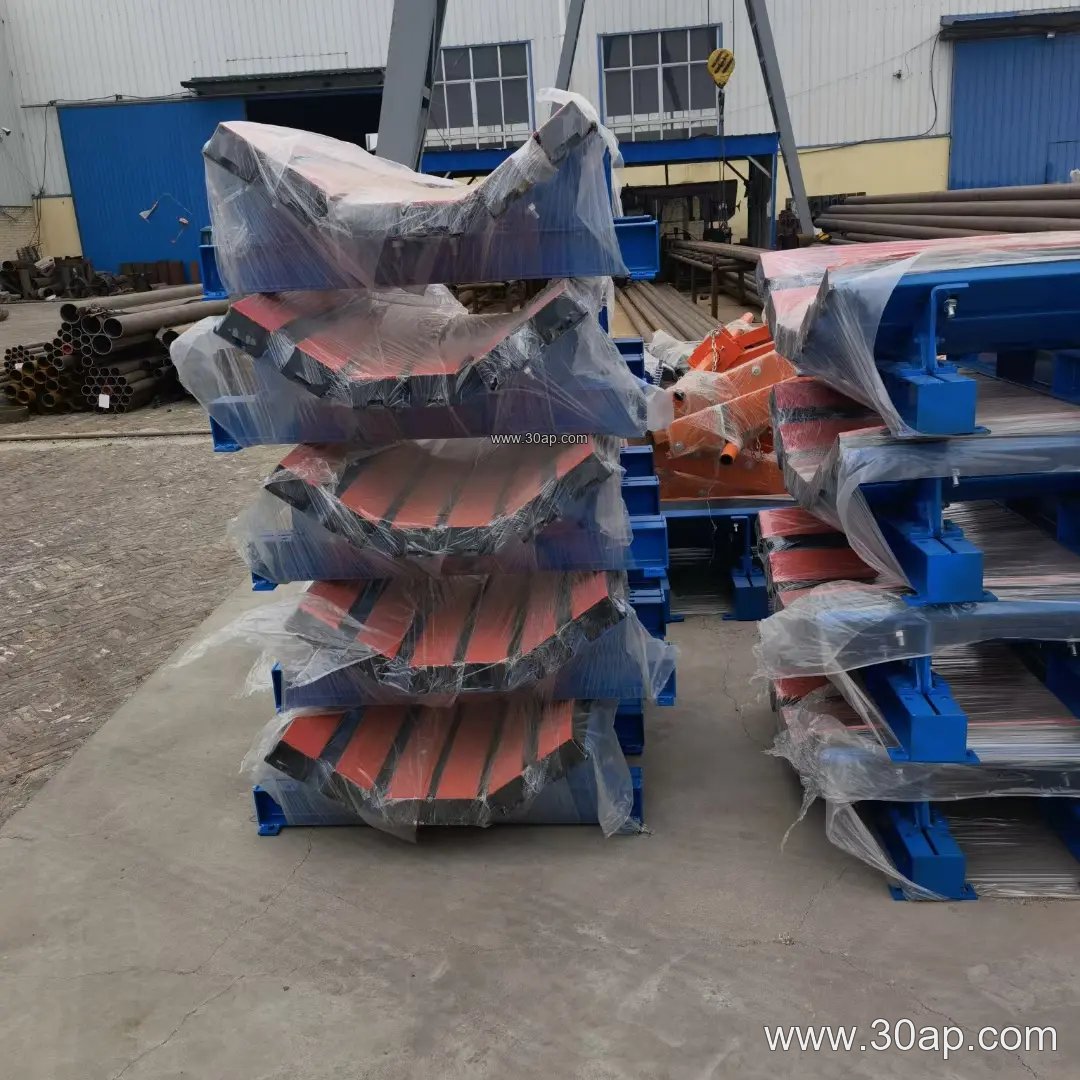
Where the belt must be fine-tuned after installation, an adjustable bracket is a better choice than a welded fixed frame. That comparison is the main reason to pick one over the other, but the fixed type remains the default for most carrying and return positions because it is simpler and holds alignment well.
Buyer Checklist
- Confirm belt width, trough angle and roller diameter together, and state them on the drawing.
- Ask for hole pitch and crossbeam length as project-specific values, not catalog constants.
- Check material thickness and weld quality for the load class, especially at transfer points.
- Match bracket style to position: trough, transition, return, V-return or impact.
- Verify surface treatment for the site, since washdown, dust and humidity vary between a port terminal and an underground coal mine.
- Keep spare brackets for high-wear zones such as crusher discharge and conveyor pulley approach sections.
For help matching a fixed conveyor bracket to a specific belt line, contact the supplier with the belt width, angle, roller size and mounting hole layout so the frame can be made to fit.