What a Tail Bend Pulley Does
A tail bend pulley is a direction-changing roller mounted near the tail of a belt conveyor. It does not drive the belt and it does not carry the main load like a tail drum or a head drive pulley. Instead, it guides the return strand around a bend so the belt can enter the tail pulley at the correct angle. On many conveyors this arrangement saves space, improves belt tracking, and helps maintain proper wrap on the tail pulley itself. In mining, quarry, cement, and power plant conveyors, this small but important component often determines how smoothly the return side runs.
The tail bend pulley should not be confused with a drive pulley or a tail pulley. A drive pulley transmits power; a tail pulley at the discharge end of the return strand supports and redirects the belt; a bend pulley simply changes direction. When specifying, always state “tail bend pulley” rather than a generic “bend pulley” if the position matters, because a head bend pulley and a tail bend pulley operate in different locations and may have different load conditions.
Construction and Common Surface Options
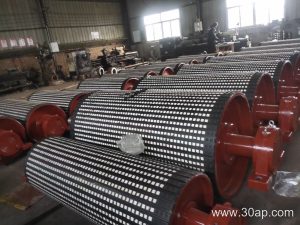
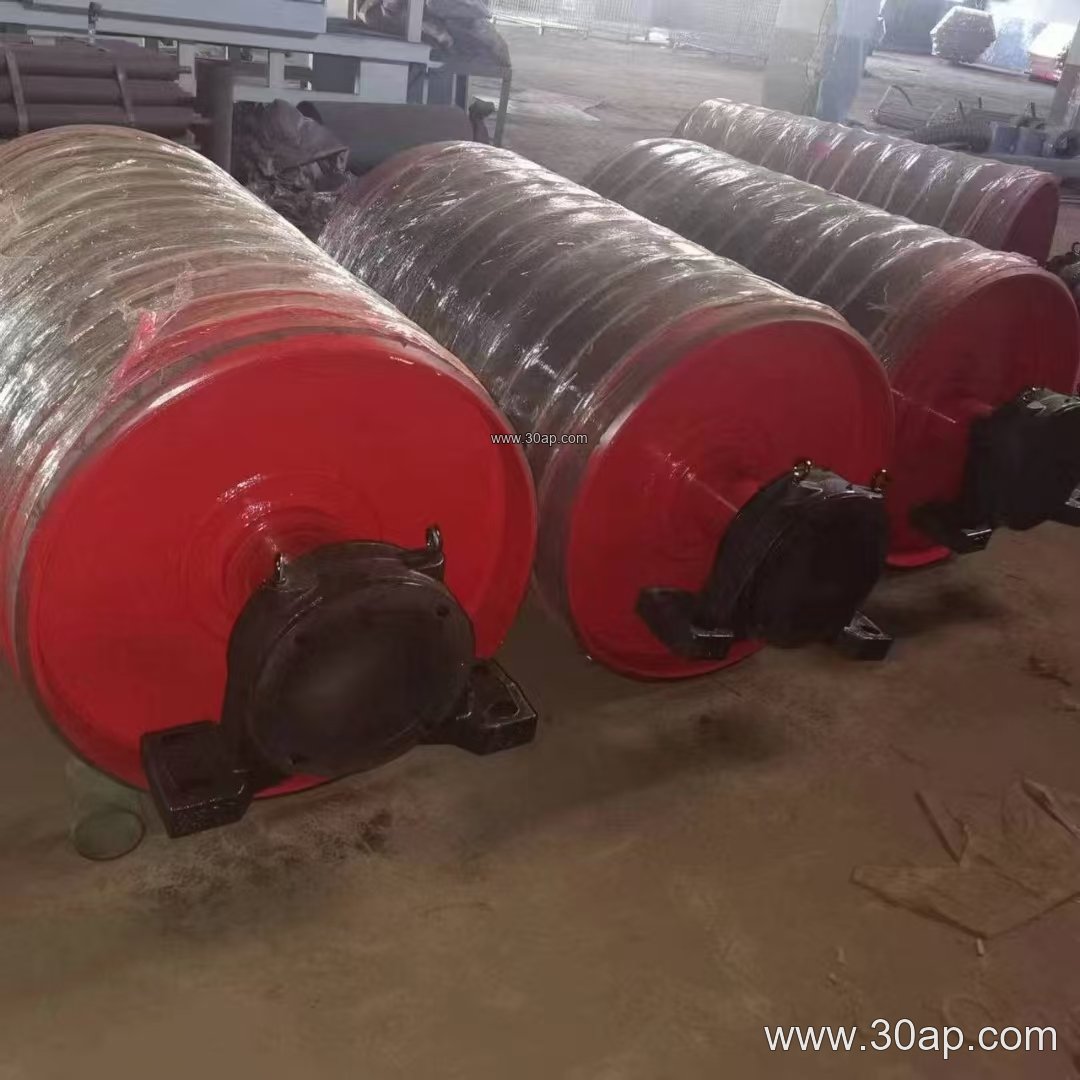
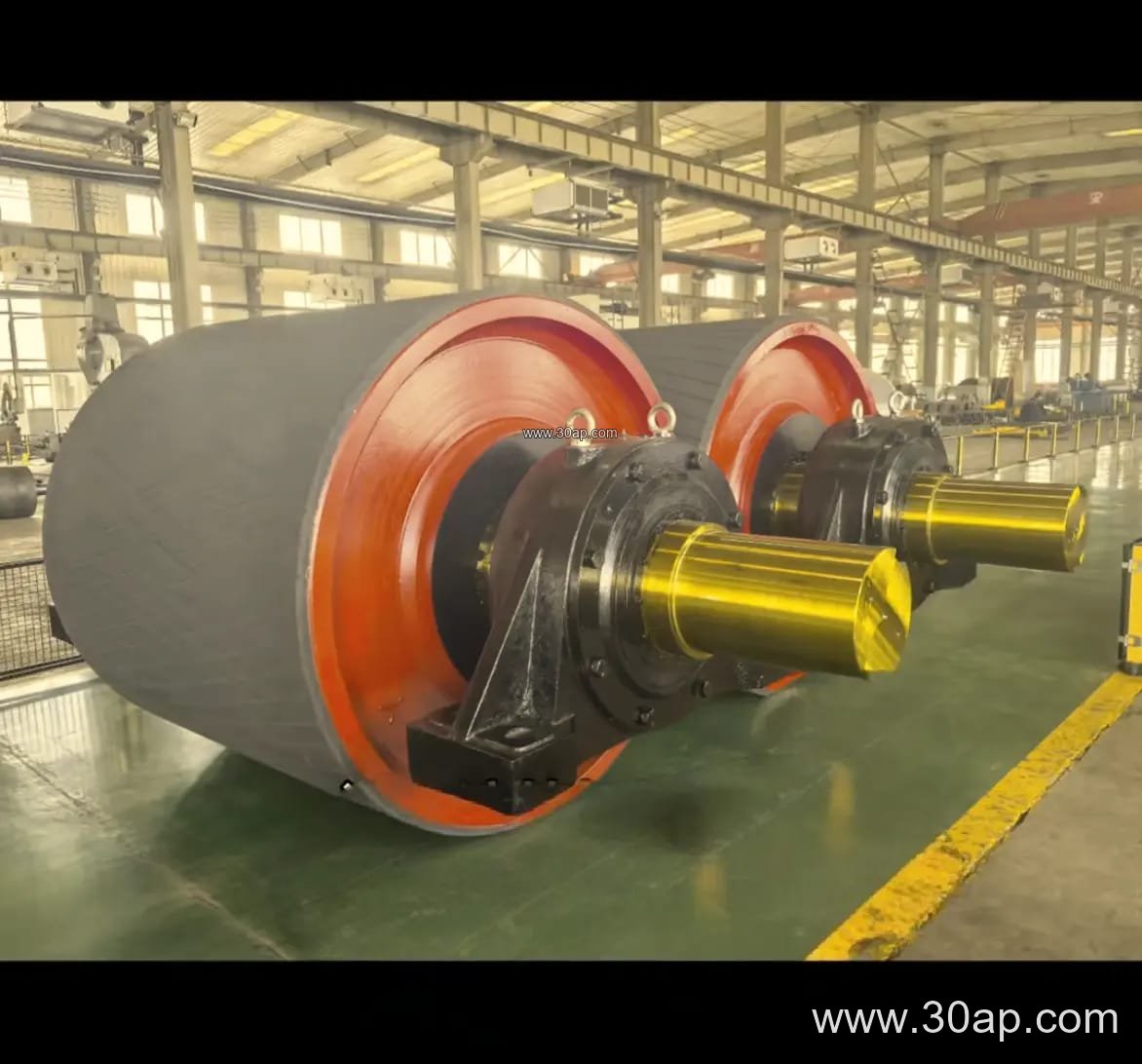
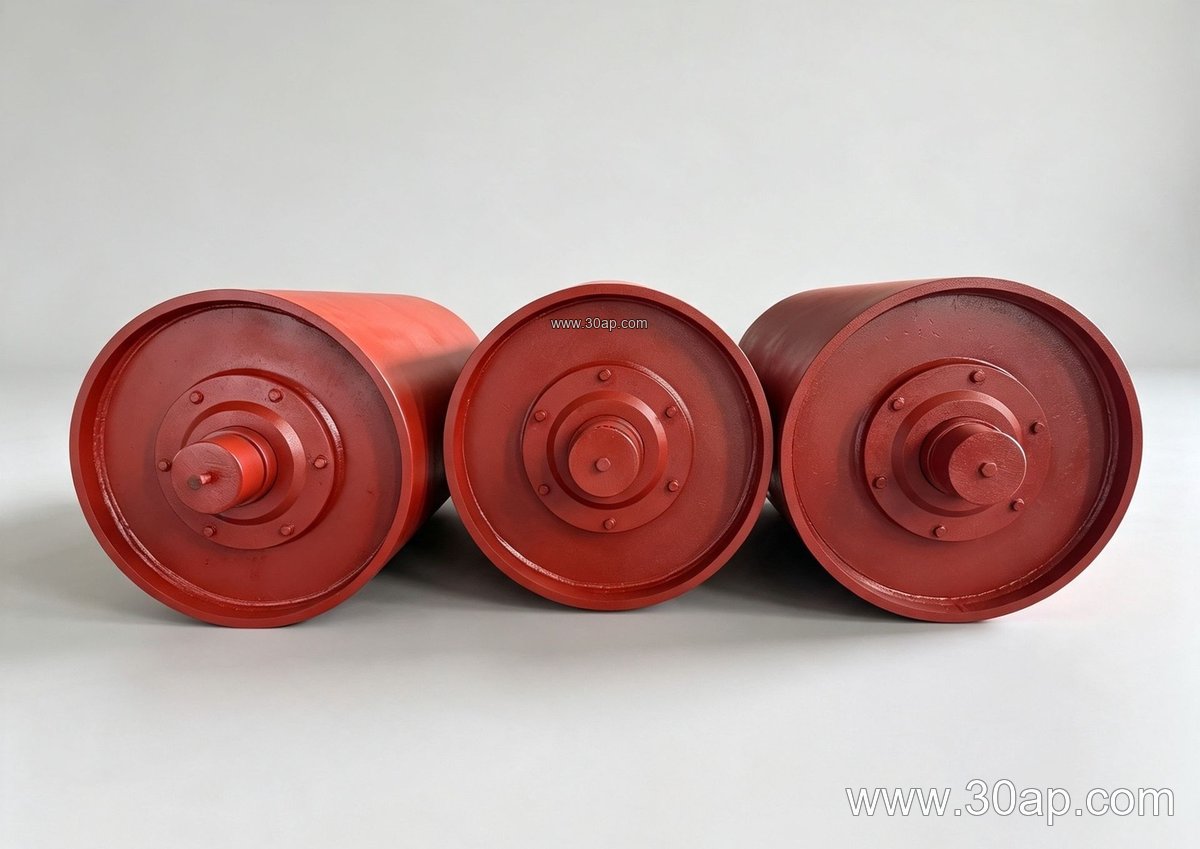
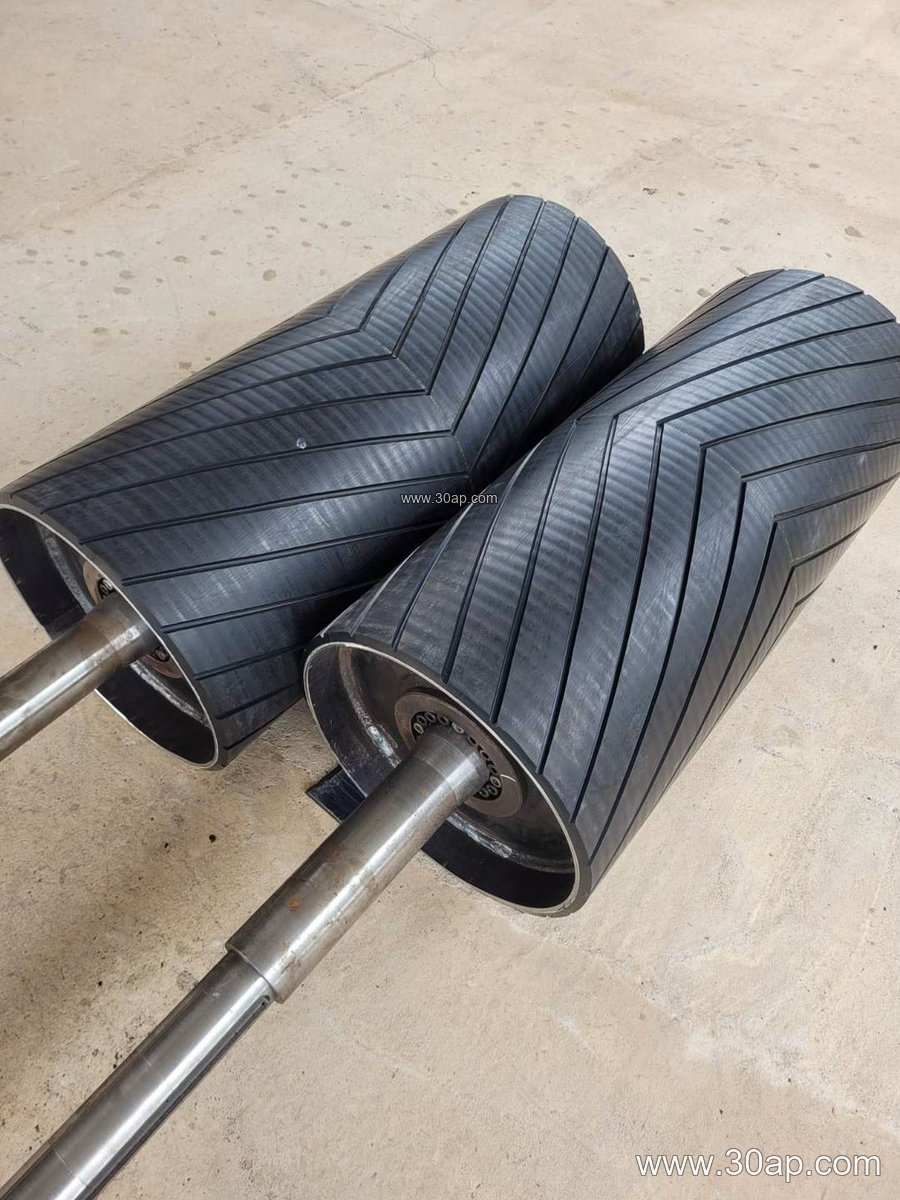
Most tail bend pulleys are built around a steel drum with welded end discs and a through shaft. The shell may be plain, or it may carry rubber lagging for grip and wear protection. Common surface forms include plain, cold-bonded rubber, hot-vulcanized rubber, diamond lagging, and ceramic lagging. Lagging thickness is often 8, 10, 12, 15, or 20 mm depending on the application. In abrasive conditions such as a quarry conveyor or an iron ore line, a lagged shell can extend service life, while a plain shell may suit lighter duty.
Bearing housings are usually bolted to the conveyor bracket, and the shaft diameter is selected by torque and load rather than by belt width alone. Typical shaft sizes range from Ø50 to Ø200 mm, but the final value depends on the conveyor design. The pulley face width is normally wider than the belt: for example, a B800 belt often uses a pulley face around 950 mm, while a B1200 belt may use about 1400 mm. These are reference relationships, not fixed rules.
Where It Fits in the Conveyor Layout
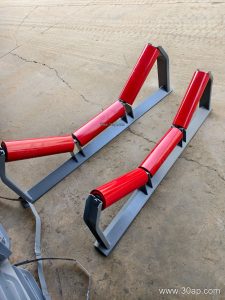
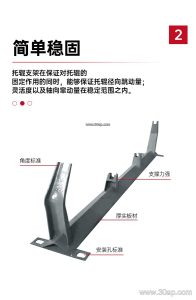
You will find tail bend pulleys in aggregate plants, coal handling systems, cement clinker lines, and port bulk terminals. They are especially useful when the return belt must be routed around an obstacle or when the tail pulley needs extra wrap for tracking. In a typical arrangement, the belt leaves the tail pulley, passes over the tail bend pulley, and then travels back along the return idlers. A misaligned or worn bend pulley can cause belt edge wear, spillage, and tracking problems, so alignment at installation is critical.
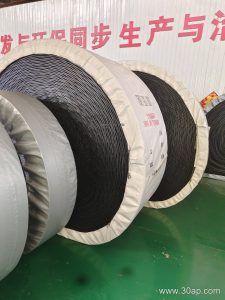
When the conveyor uses a heavy-duty mining conveyor belt or a steel cord conveyor belt, the tail bend pulley must be sized for the higher tension and weight of the return strand. For lighter fabric core belts, such as EP conveyor belt or NN conveyor belt constructions, a smaller diameter and lighter lagging may be sufficient. The key is to match the pulley to the belt’s tension and the available space, not to copy a size from another conveyor.
Selection and Maintenance Notes
Buyers should confirm the belt width, the required bend angle, the shaft diameter, the bearing type, and the lagging preference. A common reference set might include B650 × Ø400, B1000 × Ø500, or B1400 × Ø800, but these combinations are examples only. The pulley diameter should be checked against the belt’s minimum bend radius, and the shaft should be verified by the conveyor designer. Regular maintenance includes checking bearing temperature, inspecting lagging wear, and confirming that the pulley remains square to the belt path. On a coal mining conveyor belt or a cement plant conveyor, a worn tail bend pulley can quickly affect the whole return run, so periodic inspection is worthwhile.
For reliable operation, keep the tail bend pulley aligned with the tail pulley and the return idlers, and replace lagging before the shell is exposed. Whether the plant handles limestone, clinker, or copper ore, the same principle applies: the tail bend pulley is a guide, not a drive, and it should be selected and maintained as part of the complete conveyor pulley system.