What a Mining Conveyor Bracket Does on the Line
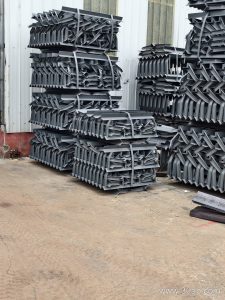
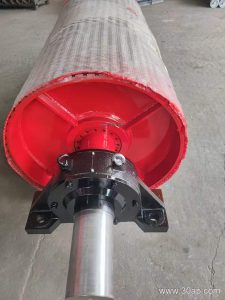
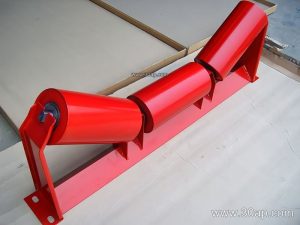
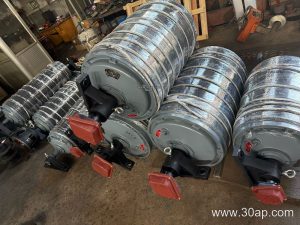
A mining conveyor bracket is the steel support that holds idler rollers in the correct position under and over the belt. It carries the weight of the belt, the material and the roller itself, and it sets the trough angle that keeps bulk material centered during transport. In a quarry, a coal preparation plant or an iron ore transfer house, these brackets are the quiet workhorses that determine whether the belt tracks straight or wanders. The bracket is not a pulley. Drive, tail and bend pulleys each perform separate duties at the ends and corners of the conveyor, while the bracket stays in the carrying and return runs.
The same component is also called a conveyor idler frame or roller support bracket. Those names describe the same product; they are not different equipment categories.
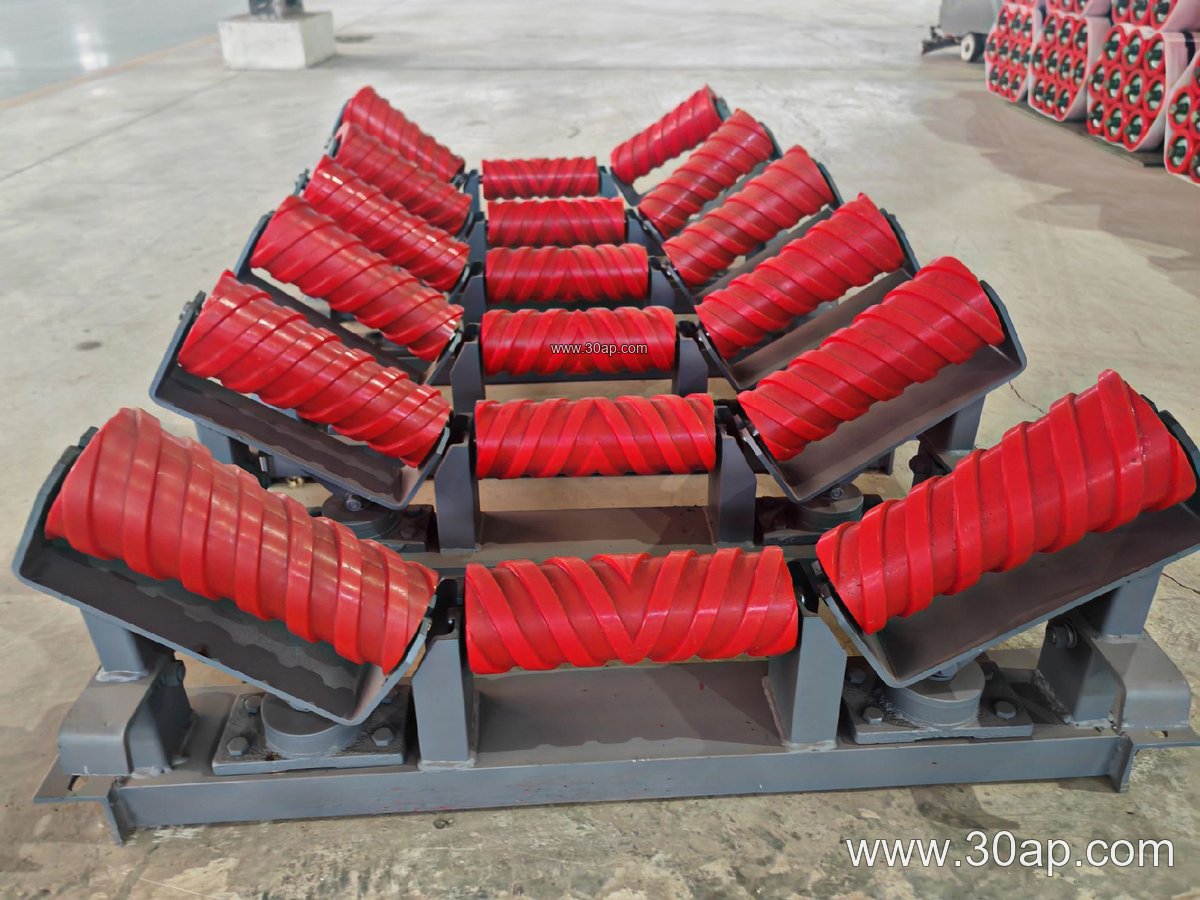
How the Bracket Is Built
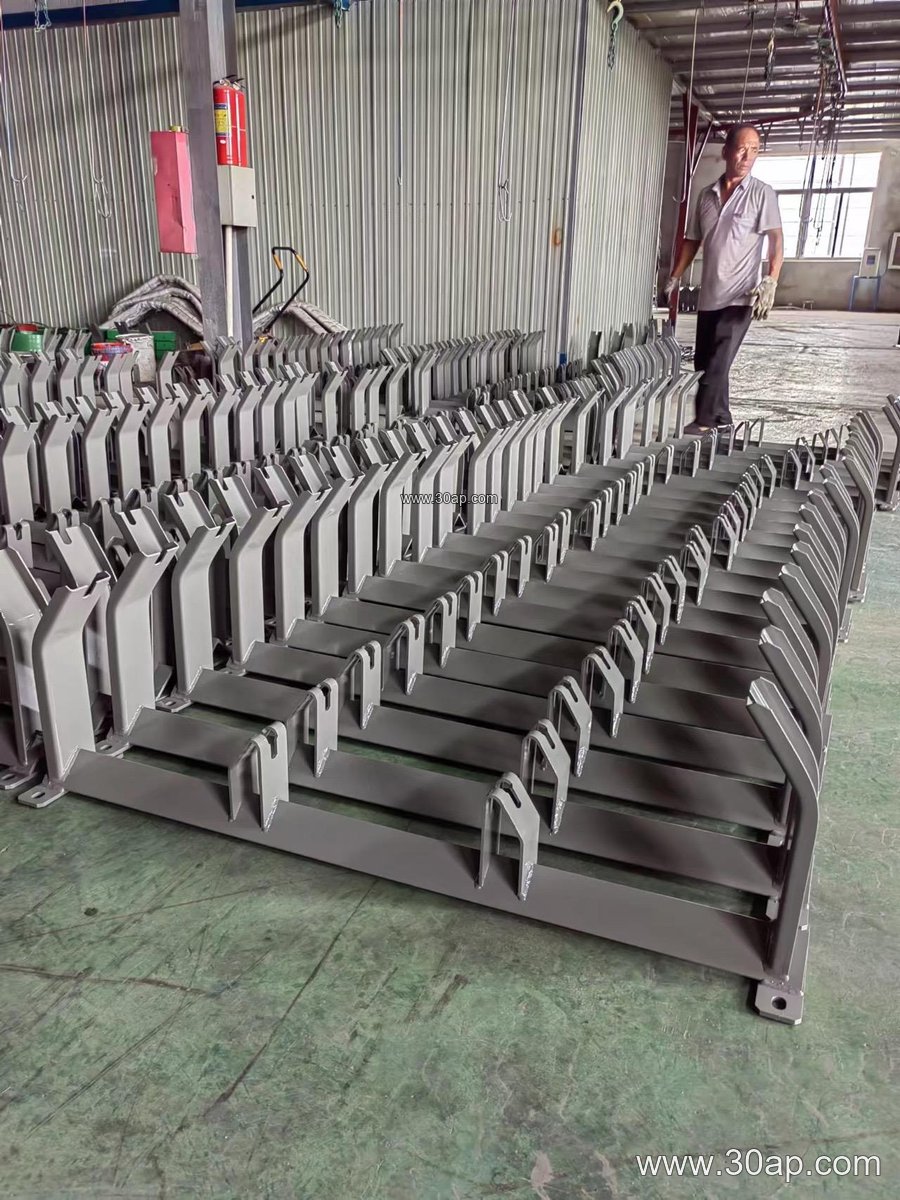
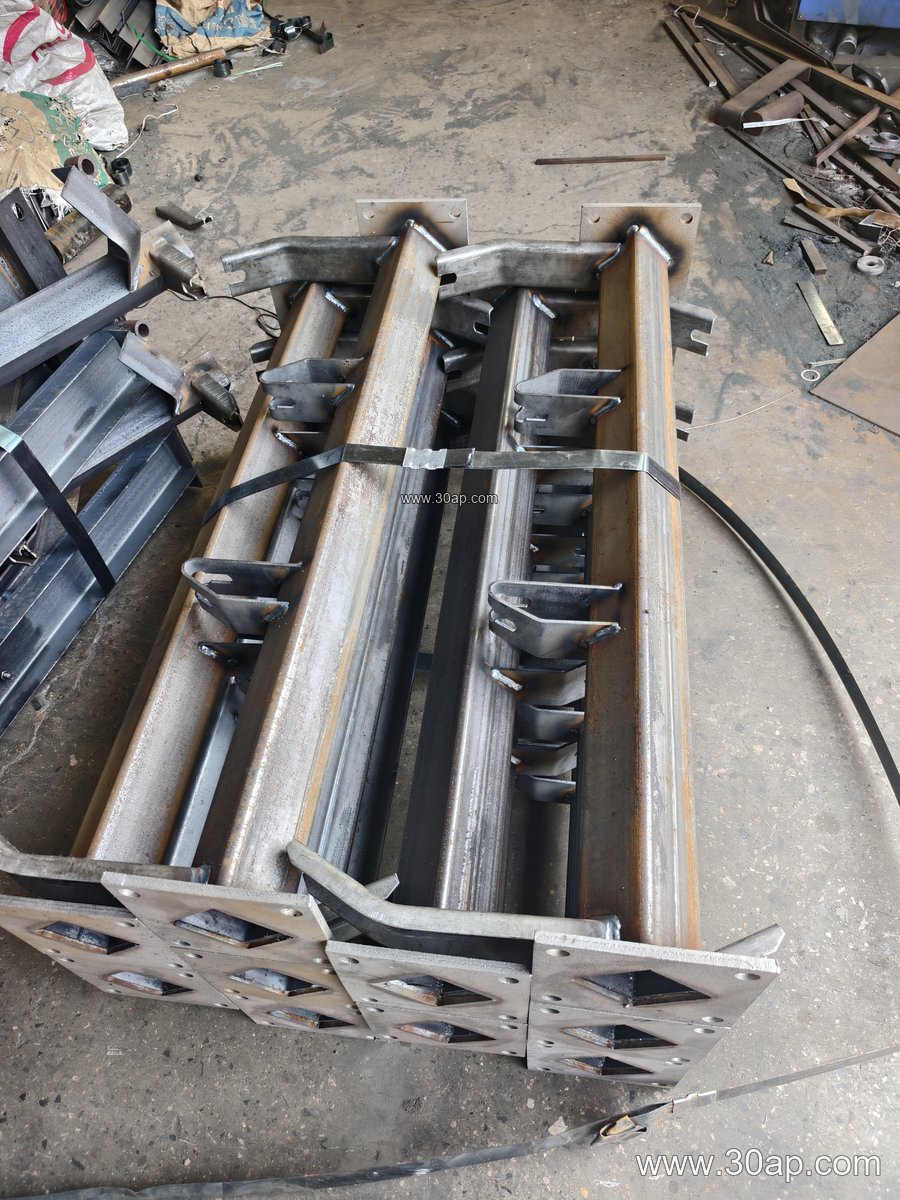
Fabrication usually starts with angle steel, channel steel or folded steel plate. The choice depends on load and corrosion exposure. A heavy-duty mining conveyor bracket in a primary crushing circuit may use thicker channel sections, while a lighter return bracket on a long overland run may use folded plate to save weight.
Key features include mounting slots or holes for the roller shafts, cross beams sized to the belt width, and welded gussets that resist vibration. Transition brackets are often slightly different in height and angle because they guide the belt from flat pulleys into the trough section. Self-aligning and forward-tilted designs add a small offset, commonly around 1.5 to 2 degrees, to help correct belt drift. Adjustable brackets allow the trough angle to be changed on site within a range such as 20, 30, 35 or 45 degrees.
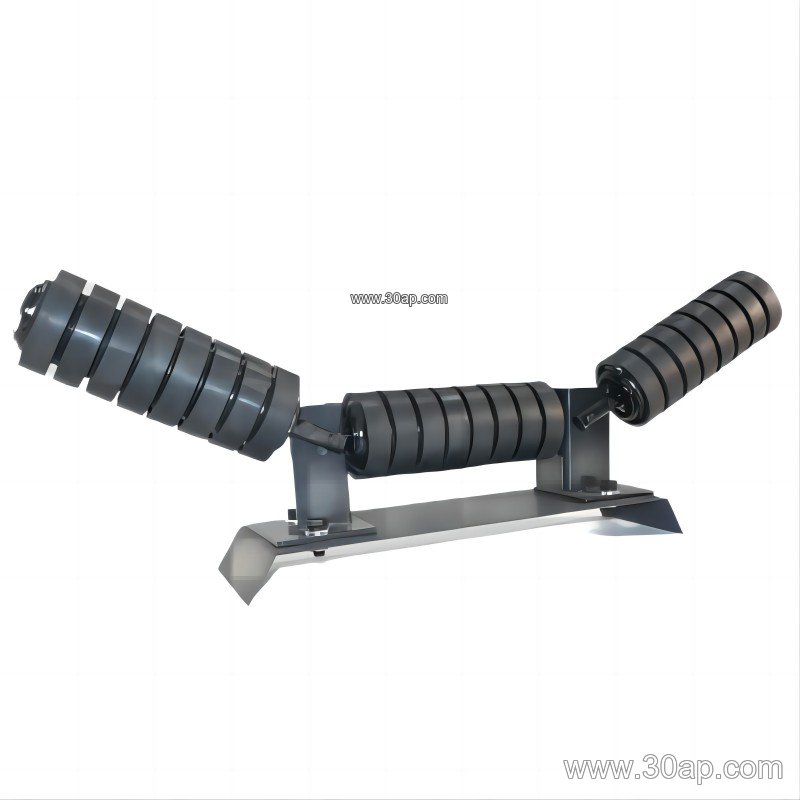
Where These Supports Are Used
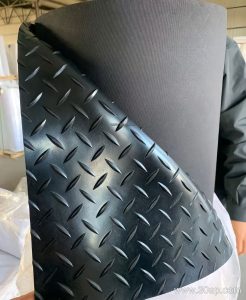
You will find them in limestone quarries feeding a crusher, in cement plants moving clinker and raw meal, in power plant coal yards, and in sand and gravel lines where abrasive aggregate wears everything it touches. A belt carrying abrasive rock often pairs with an abrasion resistant conveyor belt and sturdy rollers, so the bracket must be equally robust. In underground coal mining, flame retardant conveyor belt and anti-static properties matter, and brackets are often specified with protective coatings or galvanized finishes to slow corrosion in damp conditions.
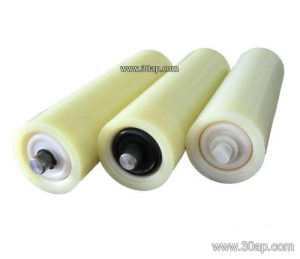
Other service environments include steel plant sinter lines, port ship loaders, tunnel spoil removal and fertilizer handling. In each case the bracket works together with the conveyor belt, idler roller and conveyor pulley to keep the system aligned.
Common Reference Sizes
Bracket dimensions follow belt width and roller diameter, but there is no single fixed pairing. The table below shows typical reference values, not mandatory combinations.
- Belt widths: B500, B650, B800, B1000, B1200, B1400, B1600, B1800, B2000, B2200
- Trough angles: 20, 30, 35, 45 degrees; adjustable frames can move between these
- Roller diameters: Ø89, Ø108, Ø133, Ø159, Ø194
Installation hole spacing and cross beam length change with belt width and trough angle, so they are confirmed at design stage rather than taken from a universal chart. A B800 frame at 35 degrees with Ø108 rollers is a common arrangement, but a B1200 line at 45 degrees with Ø133 rollers is equally normal where the material is heavy and the belt is wide.
Buyer Checklist
Before ordering, confirm the belt width, the roller diameter, the required trough angle and whether the frame is fixed or adjustable. Ask about the steel section, surface treatment and weld quality, since a weak bracket leads to roller misalignment and edge damage on the belt. Check that mounting dimensions match the existing conveyor structure if you are replacing frames.
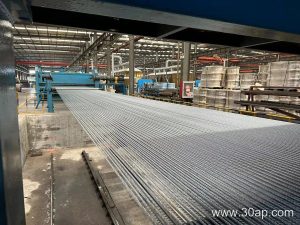
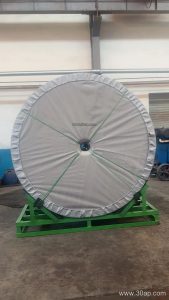
Also consider the material being carried. Hot sinter or cement clinker may call for a heat resistant conveyor belt and heat-tolerant brackets, while oily or chemical-exposed service may need an oil resistant conveyor belt and suitable coating. For long overland or high-tension systems, a steel cord conveyor belt or a high strength EP conveyor belt may be in use, and the bracket must handle the resulting loads without flexing.
Finally, plan spare brackets for transition and bend-adjacent zones, where belt forces are highest. A small stock of adjustable frames helps maintenance teams correct tracking without waiting for new fabrication.