What a Discharge Pulley Does
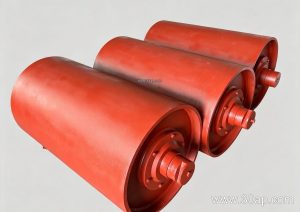
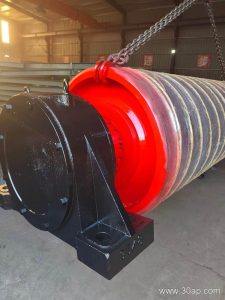
A discharge pulley is the head-end conveyor pulley where the belt unloads its cargo. It sits at the delivery point of the conveyor, supports the belt as it turns back, and sets the trajectory of the material leaving the belt. In a quarry, a limestone mine or a power plant coal yard, this drum is often the last component the bulk material touches before it falls into a chute, stockpile or transfer tower. Its condition directly affects belt tracking, spillage and the service life of the belt itself.
Because the discharge pulley is a head pulley, it is not a tail pulley and not a bend pulley. Those positions do different jobs, and confusing them leads to wrong specifications. A tail pulley returns the belt at the loading end, while a bend pulley changes belt direction without discharging. Only the head or discharge position combines belt turning with material release.
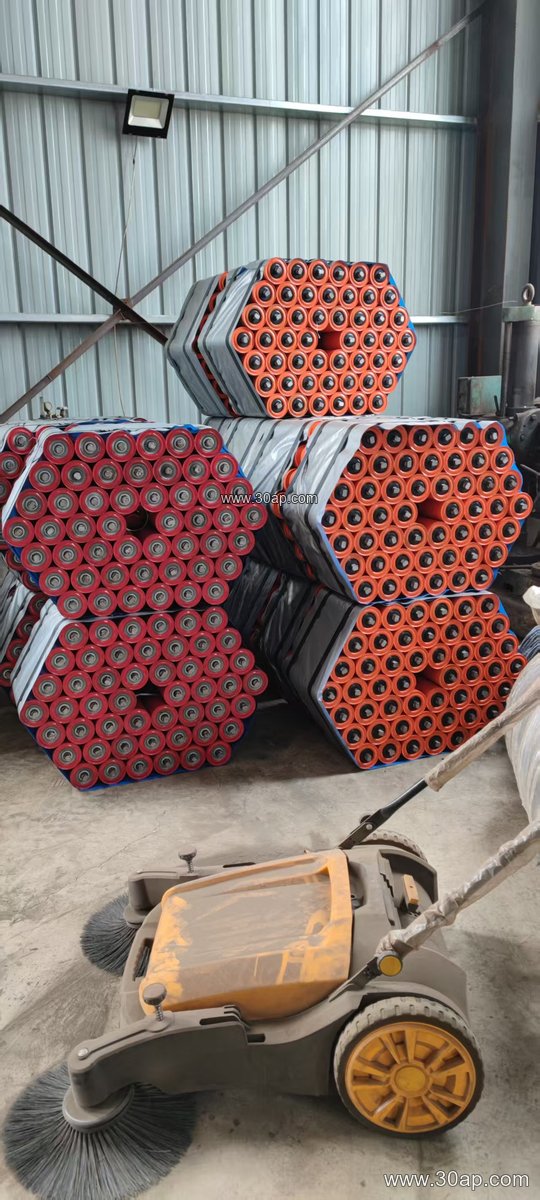
Construction and Surface Options
The drum is usually built from a rolled steel shell, welded to end discs and a shaft, with bearing housings mounted on a sturdy frame. The shell may stay plain, or it may carry lagging to improve grip and protect the surface. Common lagging choices include hot-vulcanized rubber, cold-bonded rubber, cast rubber, diamond grooving and ceramic tiles. Lagging thickness is often 8, 10, 12, 15 or 20 mm, selected for the duty rather than picked at random.
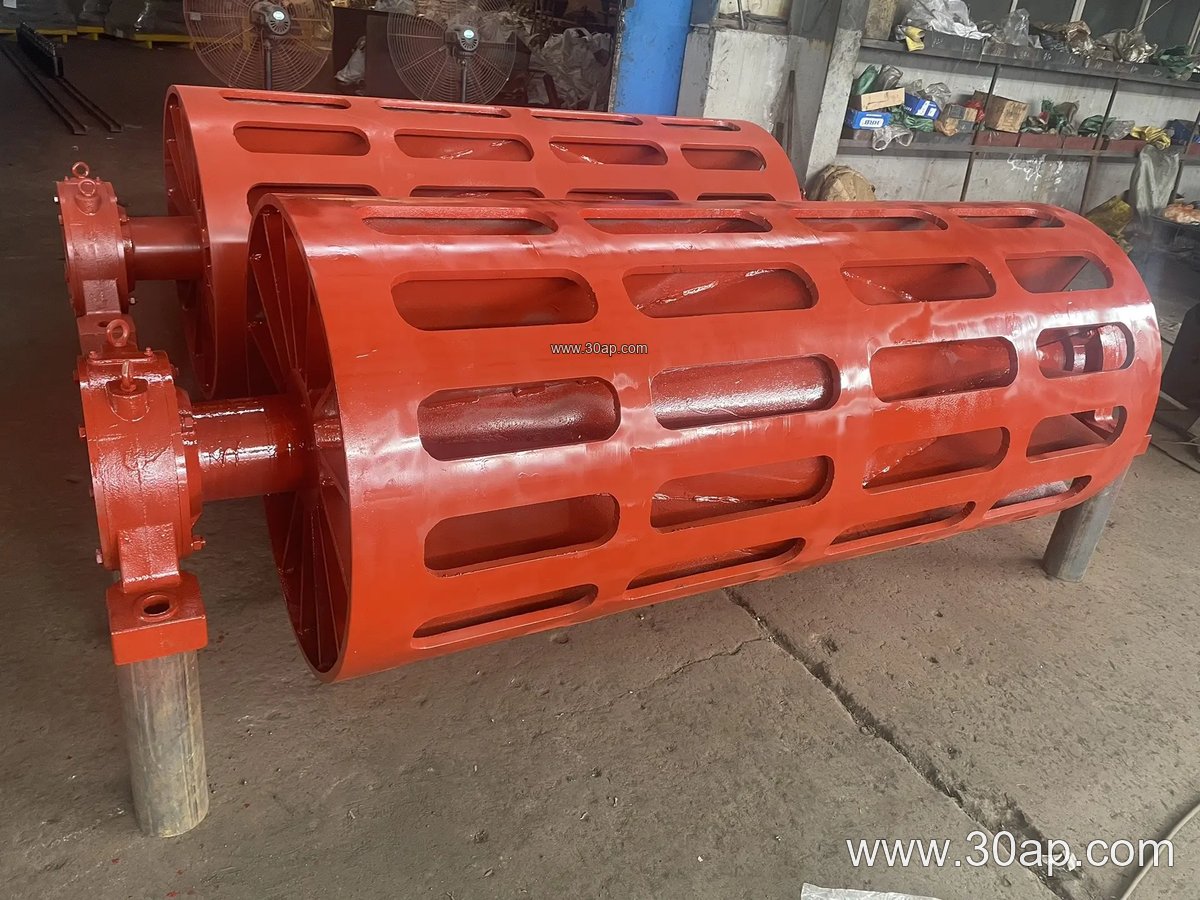
- Plain surface: light duty, dry conditions, low wrap angle
- Diamond or herringbone lagging: better traction in wet or dusty service
- Ceramic lagging: abrasion-heavy duty such as iron ore or copper ore handling
- Replaceable lagging strips: easier maintenance on large head drums
Shaft diameter is determined by torque and load, not by belt width alone. Typical shaft sizes run from Ø50 to Ø200 mm, but the final value should come from the conveyor designer. Shell diameter commonly ranges from Ø200 to Ø1800 mm depending on belt speed, tension and material flow.
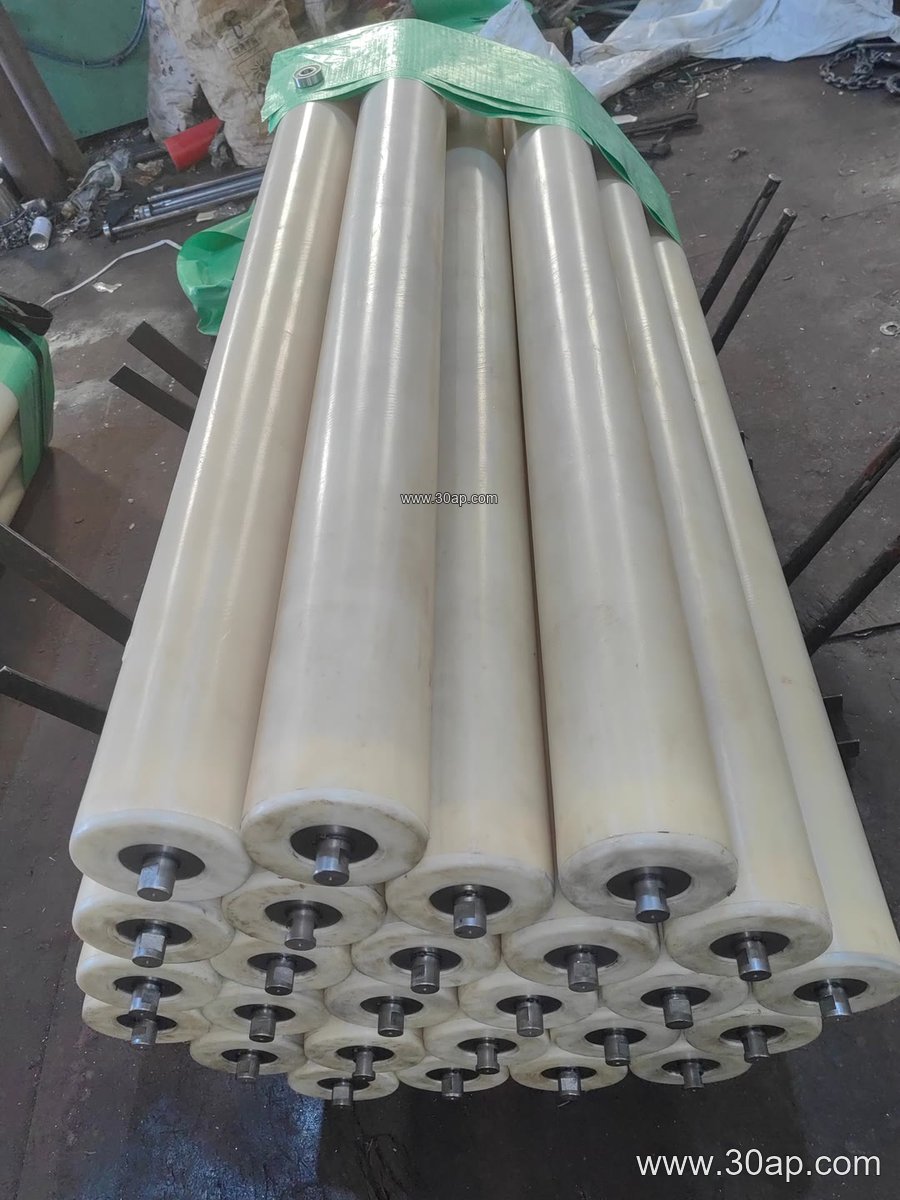
Where It Fits in the Line
In a crushing and screening circuit, the discharge pulley sits above the product screen or the stockpile conveyor. In a cement plant it may deliver clinker to a transfer chute, and in a port it can feed a ship loader. The same drum type appears in sand and gravel plants, steel sintering lines and fertilizer handling systems. The belt that runs over it might be an abrasion resistant conveyor belt for hard rock, a heat resistant conveyor belt near a kiln, or a flame retardant conveyor belt in a coal mining conveyor system.
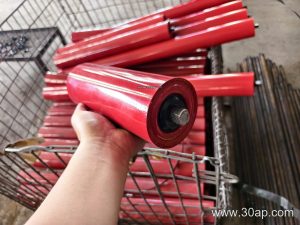
Matching the drum to the belt matters. A heavy-duty mining conveyor belt with a thick cover needs a shell wide enough to support the full belt width; a fabric core conveyor belt such as an EP conveyor belt or NN conveyor belt may run on a lighter head drum. The discharge pulley works together with idler rollers, conveyor brackets and the belt to keep the load centered as it leaves the head.
Reading the Dimensions
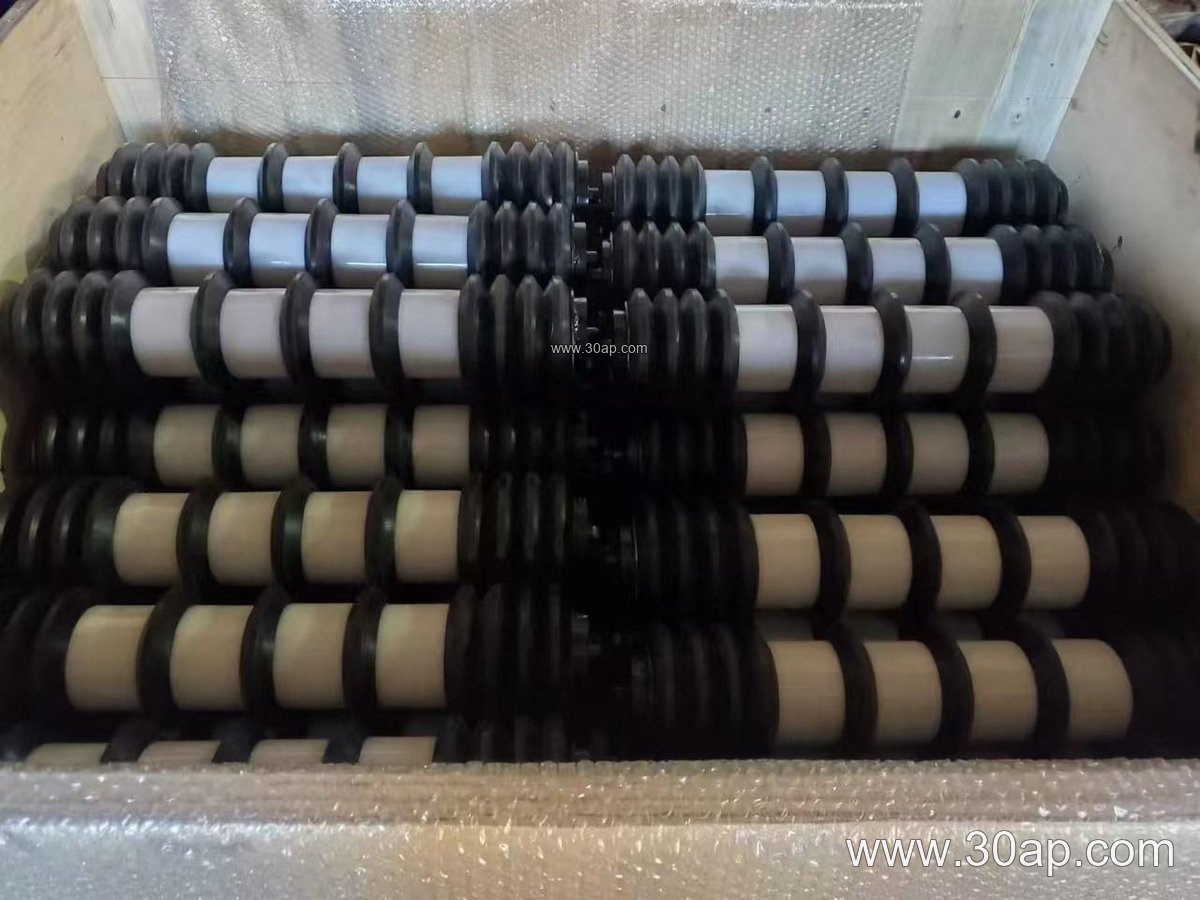
Face width is normally a little wider than the belt. The table below shows common reference pairings, not fixed rules.
| Belt width | Typical face width | Example drum combination |
|---|---|---|
| B400 | about 500 mm | B400 x Ø315 |
| B650 | about 750 mm | B650 x Ø500 |
| B800 | about 950 mm | B800 x Ø500 |
| B1000 | about 1150 mm | B1000 x Ø630 |
| B1200 | about 1400 mm | B1200 x Ø1000 |
| B1400 | about 1600 mm | B1400 x Ø800 |
| B1600 | about 1800 mm | B1600 x Ø1000 |
| B1800 | about 2000 mm | B1800 x Ø1250 |
| B2000 | about 2200 mm | B2000 x Ø1400 |
These pairings are reference data only. A B1200 belt can run on more than one drum diameter, and the right choice depends on tension, wrap angle and space. Buyers should also check whether the pulley is supplied with a shaft, bearings, locking assemblies and lagging already fitted.
Buyer Checklist
- Confirm position: discharge or head end, not tail or bend duty
- State belt width, belt type and material being carried
- Give the required shell diameter and shaft diameter from the conveyor design
- Specify lagging type and thickness for the environment
- Check balance grade, bearing type and frame mounting dimensions
- Ask about inspection records for shell welds and runout
For abrasive stone or ore, a ceramic-lagged discharge pulley often lasts longer than a plain drum. For dusty coal or grain service, anti-static and fire resistant belt grades should be matched with a properly grounded pulley frame. Further information on conveyor pulleys, idler rollers and matching belts is available at www.beltconveyorparts.com and www.conveyor-pulley.com. A well-chosen discharge pulley keeps the discharge point clean and the belt running true.