Why the Conveyor Bracket Matters More Than You Think
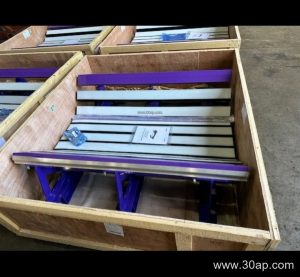
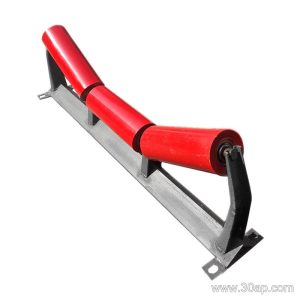
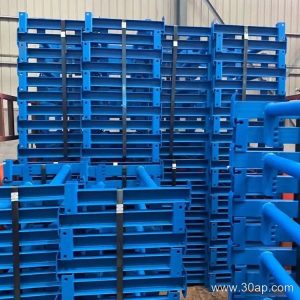
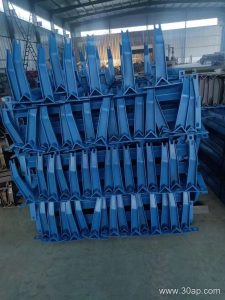
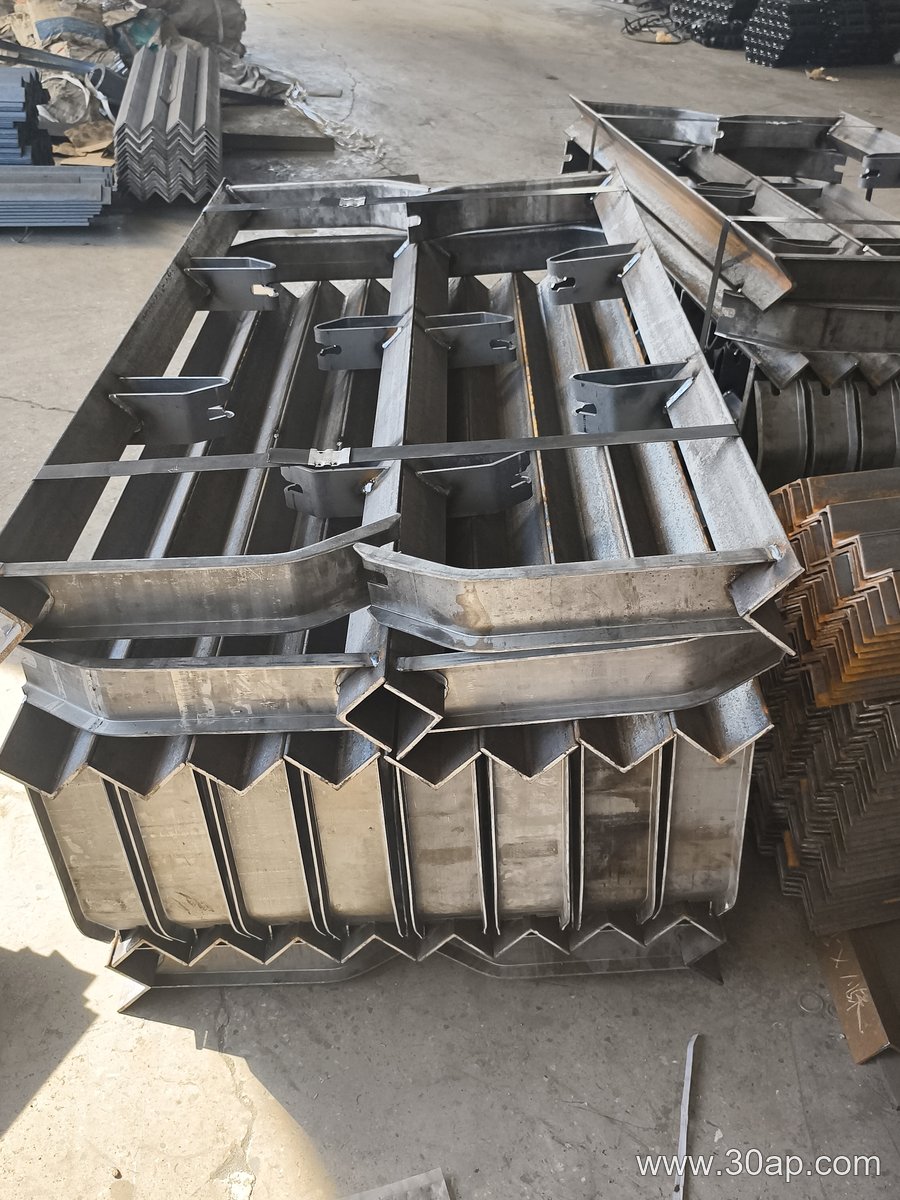
The conveyor bracket is the unsung hero of any belt or roller conveyor line. It anchors idlers, maintains belt alignment, and absorbs dynamic shock. A poorly chosen bracket leads to misalignment, premature belt wear, and costly downtime. Selecting the right conveyor bracket is not an afterthought—it is a structural decision.
Key Selection Criteria for Conveyor Brackets
- Material grade: For abrasive or corrosive environments, choose galvanized steel or stainless steel (304/316). For heavy impact zones, use forged or cast brackets.
- Load rating: Match the bracket’s static and dynamic load capacity to your idler weight plus material surge. Always factor in a 20% safety margin.
- Mounting type: Verify bolt hole spacing and slot dimensions against your existing stringer or frame. Universal slotted brackets ease field adjustment.
- Angle and tilt: Fixed 20°, 35°, or 45° troughing brackets require precise alignment. Consider adjustable pivot brackets if you need to fine-tune belt tracking.
- Wear life: Look for replaceable wear liners or hardened bushings to extend service intervals without replacing the entire bracket.
Purchasing Advice for Maintenance Teams
Always request a dimensional drawing and test certificate before bulk ordering. Audit your bracket inventory for obsolete thread sizes. If you operate in high-temperature or washdown areas, verify that the bracket’s finish (hot-dip galvanizing vs. powder coat) can withstand the conditions. Finally, buy spare brackets for critical transfer points—waiting for a fabrication lead time of six weeks is not an option when a line is down.
Conveyor Belt Fundamentals: More Than a Moving Surface
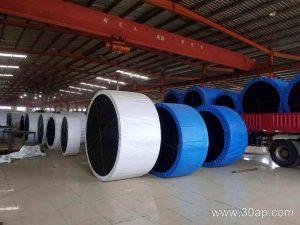
The conveyor belt is the silent workhorse of modern manufacturing, dictating throughput, safety, and maintenance costs. Selecting the wrong belt can halt production lines and inflate operational budgets.
Key Selection Criteria
- Material compatibility: Match the belt’s cover compound to the product (e.g., oil-resistant rubber for food, flame-retardant for mining).
- Tensile strength: Calculate the maximum load and belt length to choose adequate carcass layers (polyester, nylon, or steel cord).
- Surface profile: Use cleated or textured belts for inclined or slippery items, and smooth belts for precise sorting.
Puchasing and Maintenance Advice
Request a load-test report from suppliers and verify splice quality—weak splices cause 70% of belt failures. Always buy 5% extra length for tension adjustments. Schedule weekly tracking checks and replace worn idlers promptly to extend belt life.
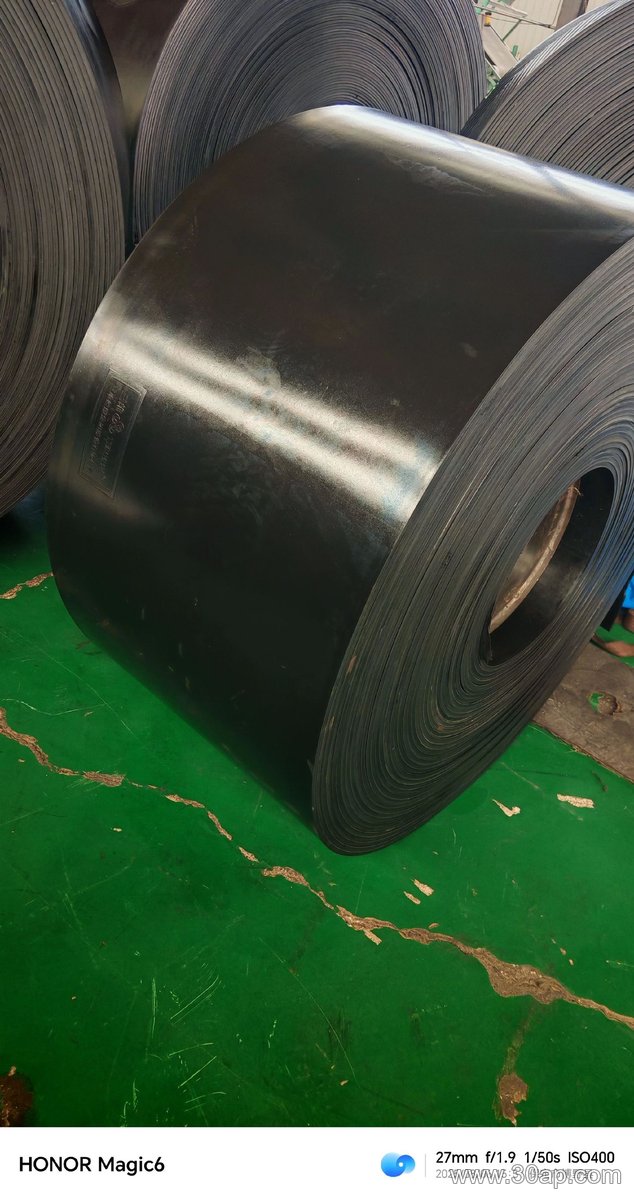
For high-speed or heat-intensive lines, consider modular plastic or metal mesh belts, but factor in higher initial cost versus lower downtime. Finally, ensure spare belts match the exact specification, not just the width, to avoid misalignment.
Idler Roller Fundamentals for Bulk Handling
The idler roller is the unsung workhorse of any belt conveyor system. It supports the belt and material load while minimizing friction and maintaining belt alignment. Choosing the right idler roller directly impacts operational uptime, energy consumption, and maintenance costs. Below, we break down what you need to specify correctly.
Critical Specifications to Review
Before ordering, evaluate these parameters against your application’s duty cycle and environmental conditions:
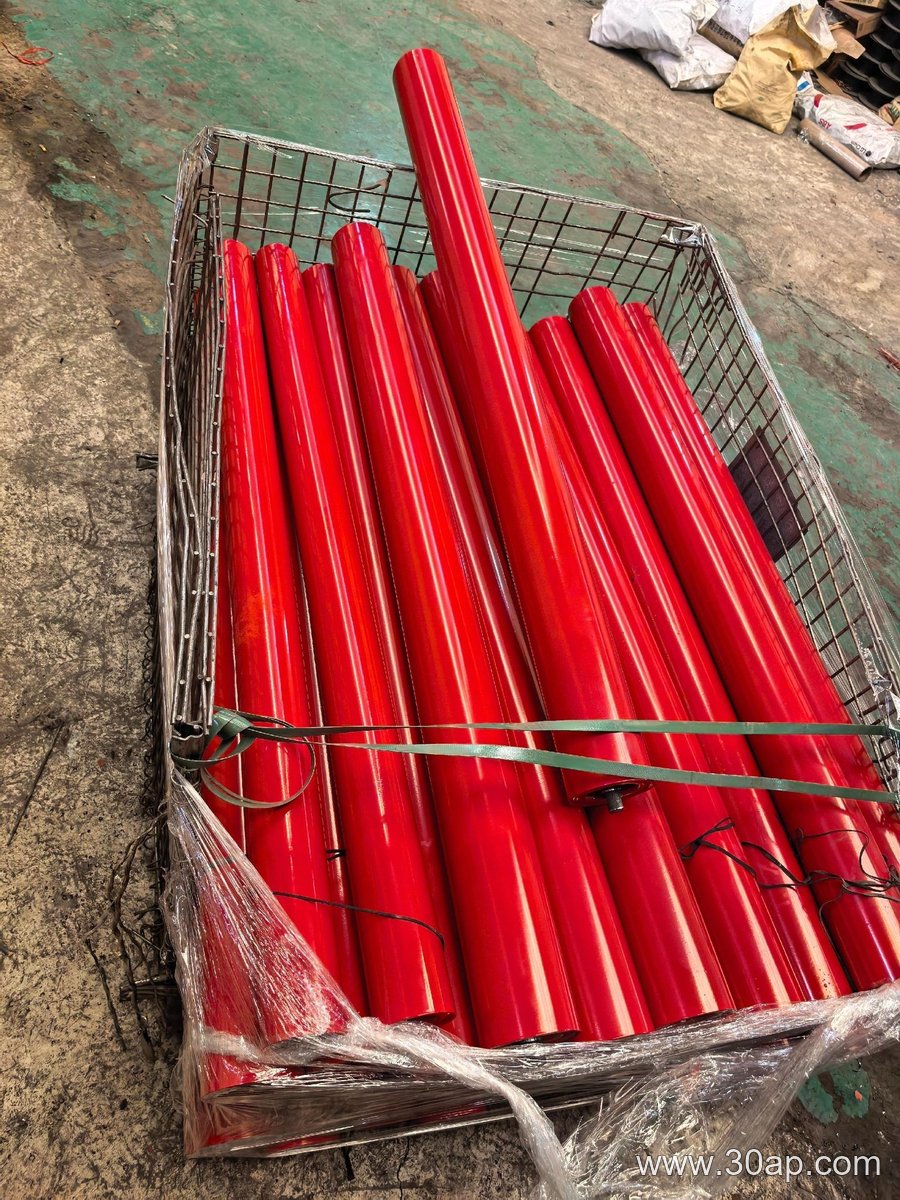
- Roller diameter and wall thickness: Larger diameters reduce belt sag and are better for high-impact loading. Thicker walls improve resistance to abrasion and corrosion.
- Bearing type and sealing: Choose sealed, pre-lubricated bearings (e.g., labyrinth or contact seals) to withstand dust, moisture, and extreme temperatures.
- Shaft material and end configurations: Verify shaft diameter, length, and mounting style (troughed, impact, or return) to match your existing frames.
- Load rating: Calculate the dynamic load per roller using CEMA or ISO standards, adding a safety factor for surge loads.
Material and Coating Options
Steel idler rollers are standard, but rubber lagging or polyurethane coatings reduce belt wear and noise, especially on return runs. For corrosive or food-grade environments, stainless steel or polymer options are necessary. Always request a corrosion test certificate if humidity is high.
Purchasing Advice
When sourcing, ask for rotational resistance data and run-out tolerance (typically ≤0.5 mm). Request samples for a 100-hour test on your actual belt if possible. Compare total lifecycle cost—not just price—by factoring in replacement interval and energy savings from lower rolling resistance. Ensure the supplier offers a standard lead time for spare rollers, and verify that the roller’s shell end is properly welded to prevent fatigue cracking. Finally, confirm compatibility with your belt speed (up to 6 m/s for standard units) and trough angle (20°–45°).
Conveyor Pulley Fundamentals: Beyond the Drum
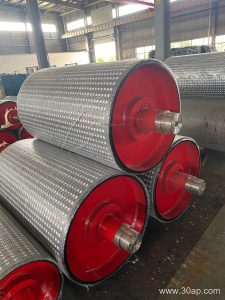
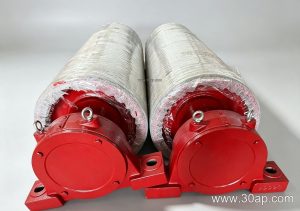
The conveyor pulley is the mechanical heart of any belt conveying system, transferring drive torque and maintaining belt tension. Choosing a substandard pulley leads to belt misalignment, premature bearing failure, and costly downtime.
Key Engineering Considerations
- Shell thickness and lagging: Specify rubber lagging (ceramic for high-grip) to protect the shell and increase traction on drive pulleys.
- Shaft and hub design: Verify fatigue-rated shafts with tapered bushings for easy maintenance and zero-slip torque transmission.
- Crown profile: A 1-2% crown on the face helps self-center the belt, reducing edge wear.
Purchasing Advice for Plant Managers
Always match pulley diameter to belt speed and wrap angle. Request dimensional drawings and material certificates (ASTM A36 or higher). For severe impact zones, choose a wing-type conveyor pulley to shed debris. Confirm dynamic balancing classes per ISO 1940-1, especially for speeds above 4 m/s.
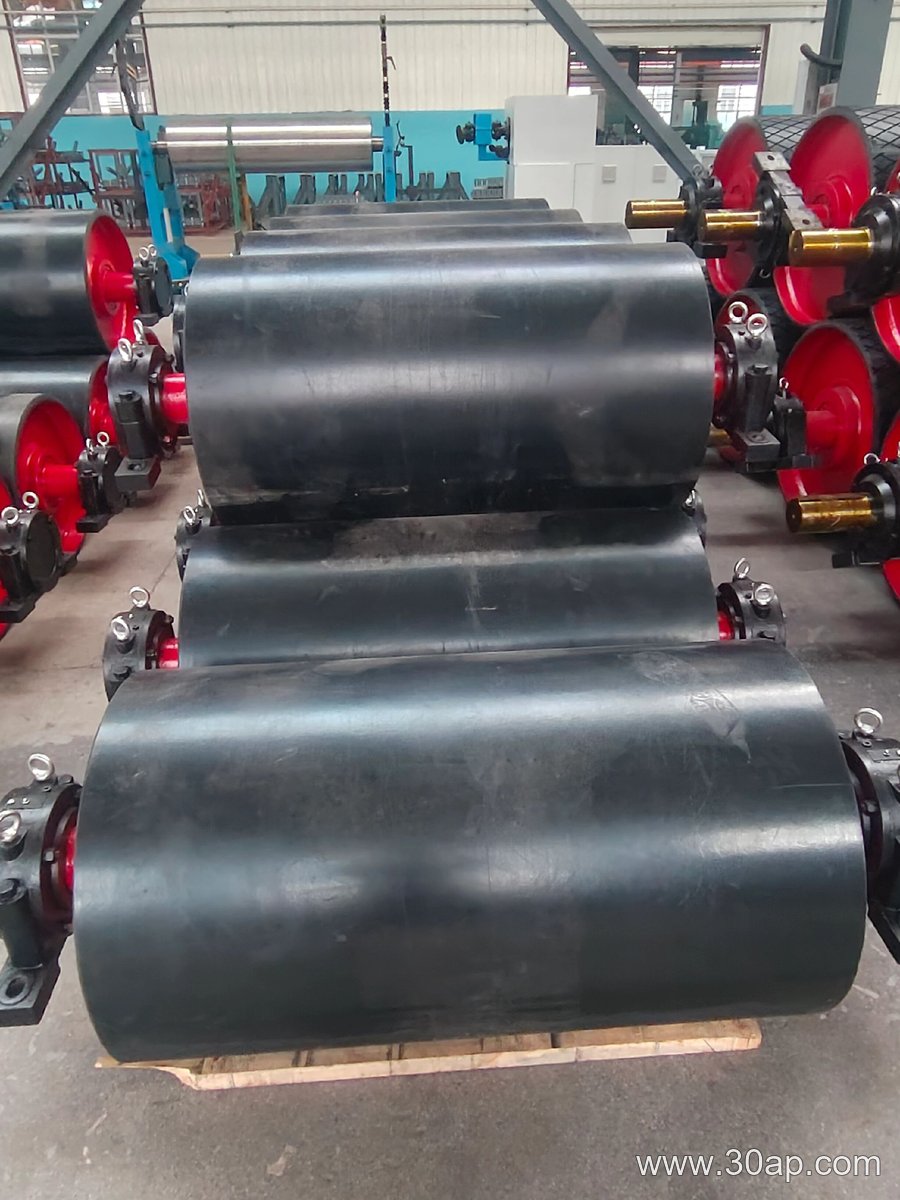
Finally, inspect the weld seams and end discs. A robust conveyor pulley should offer a minimum 5-year service life under continuous operation—invest in crowned, lagged, and properly sealed units to avoid emergency replacements.