What Is a High Wear-Resistant Ceramic Pulley?
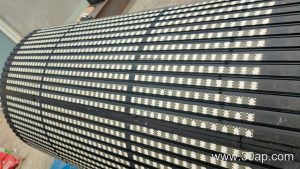
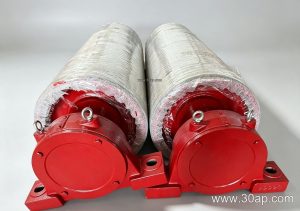
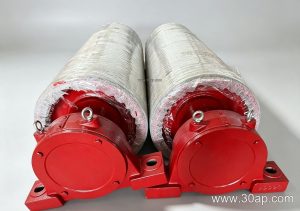
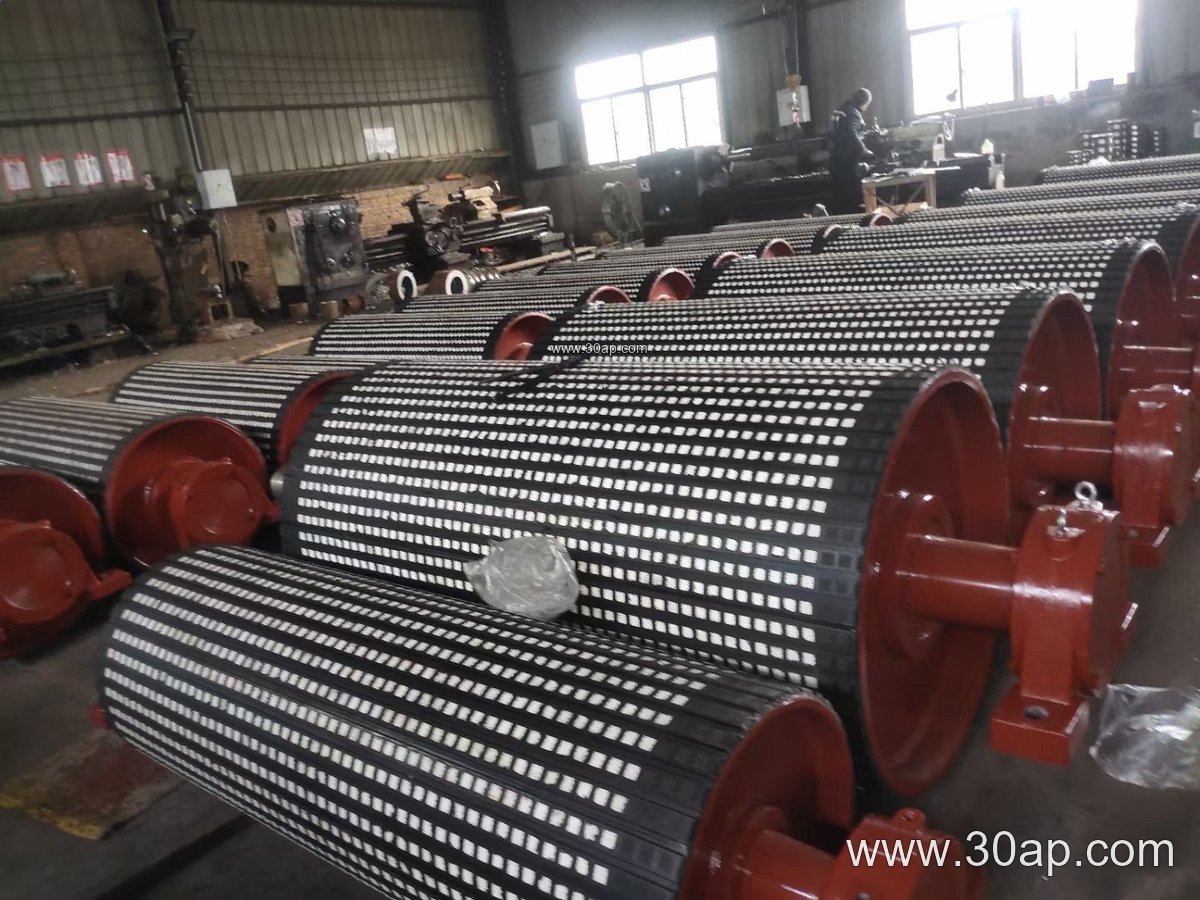
A high wear-resistant ceramic pulley is a conveyor pulley whose shell is fitted with ceramic tiles or a ceramic-rubber composite lagging to resist abrasion, impact, and material buildup. It is also commonly called a ceramic lagged pulley or ceramic-coated pulley. This surface treatment is most often applied to drive pulleys, where traction and wear are concentrated, but it can also be specified for bend and tail positions when sliding abrasion is severe. Unlike a standard rubber-lagged pulley, the ceramic surface combines hard aluminum oxide tiles with a resilient rubber or adhesive matrix, so the pulley keeps grip while the ceramic elements take the wear.
How the Ceramic Surface Is Built
Ceramic lagging is typically bonded to the pulley shell in one of two ways: vulcanized ceramic lagging, where ceramic tiles are embedded in a rubber sheet and then bonded to the shell, or cold-bonded ceramic tiles fixed with a high-strength adhesive. Tiles are usually arranged in a staggered or interlocking pattern, with small gaps for drainage and self-cleaning. The ceramic provides a hard, low-friction contact point against the conveyor belt, while the rubber base absorbs shock and maintains friction. Common lagging thicknesses are 8, 10, 12, 15, and 20 mm, with tile size and coverage chosen according to the duty. The pulley body itself is a welded steel drum with shaft, hubs, and bearing housings; the ceramic layer is the wear-facing element, not a substitute for structural strength.
Where It Fits in the Conveyor
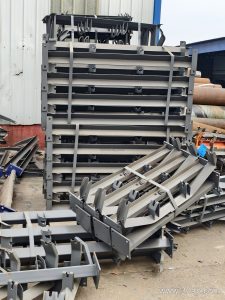
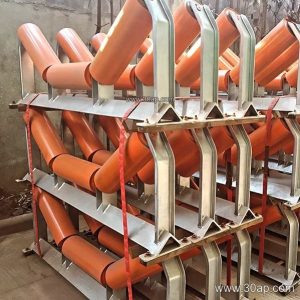
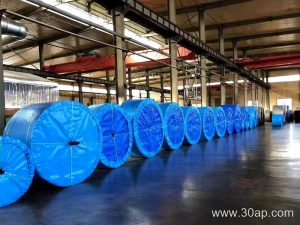
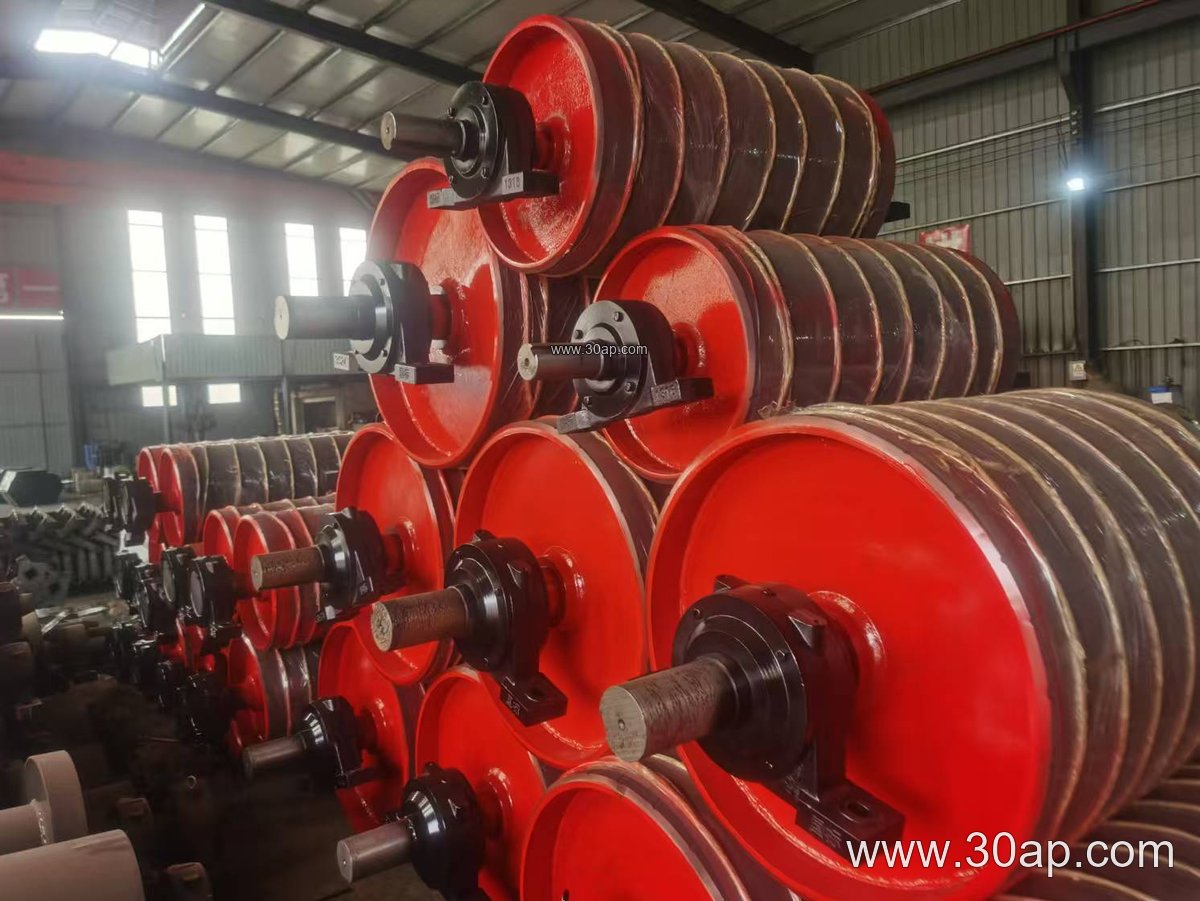
Ceramic pulleys are selected where the belt carries abrasive bulk material and the pulley surface is exposed to fines, slurry, or high-tension slip. In a quarry or aggregate line, a ceramic drive pulley helps maintain grip on an abrasion resistant conveyor belt carrying crushed stone. In a coal preparation plant, a ceramic tail pulley can reduce buildup on a flame retardant conveyor belt. In cement plants, ceramic lagging on a bend pulley is useful on clinker and limestone circuits. The same logic applies in iron ore and copper ore handling, where a heavy-duty mining conveyor belt and a ceramic pulley work together to reduce maintenance. Equipment such as conveyor brackets and idler rollers should be checked at the same time, because misalignment or a worn idler roller can accelerate pulley wear.
Common Configurations and Reference Dimensions
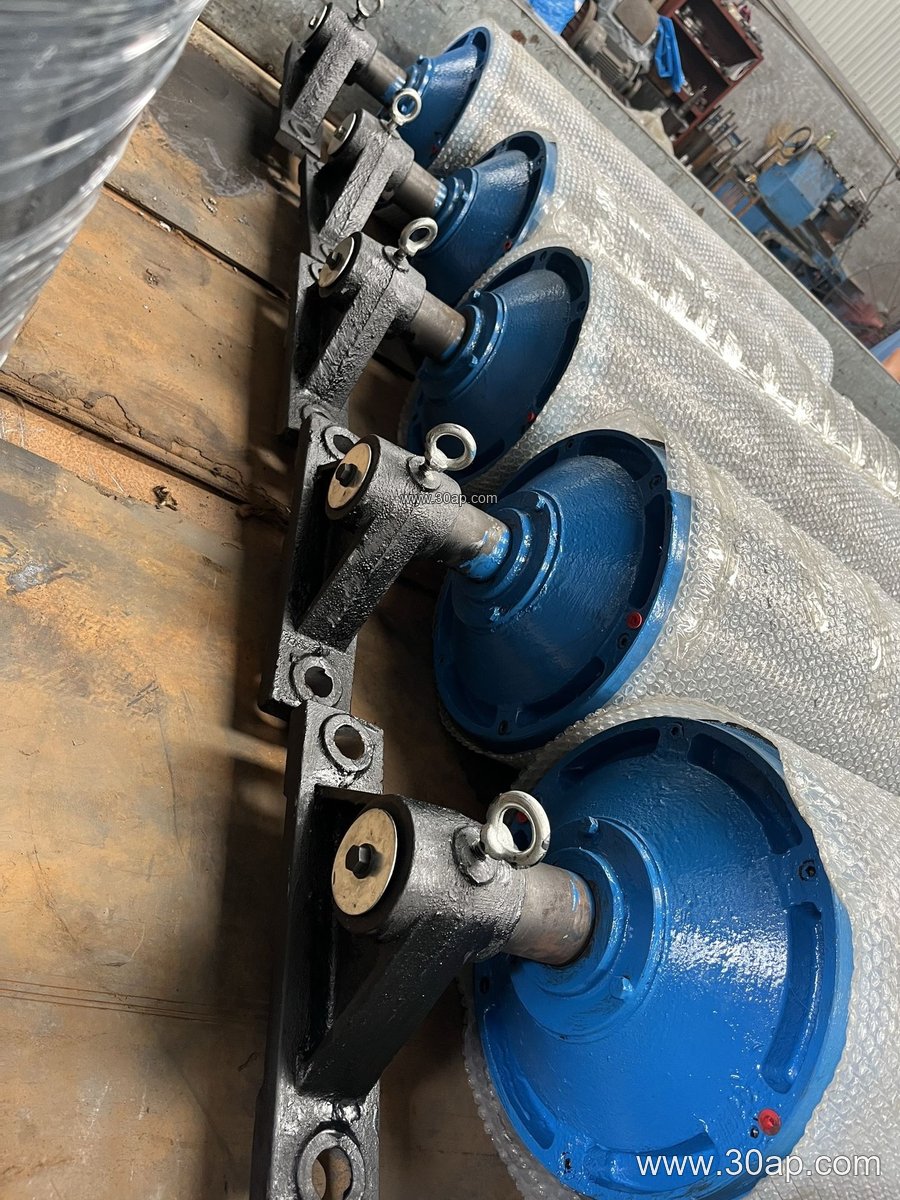
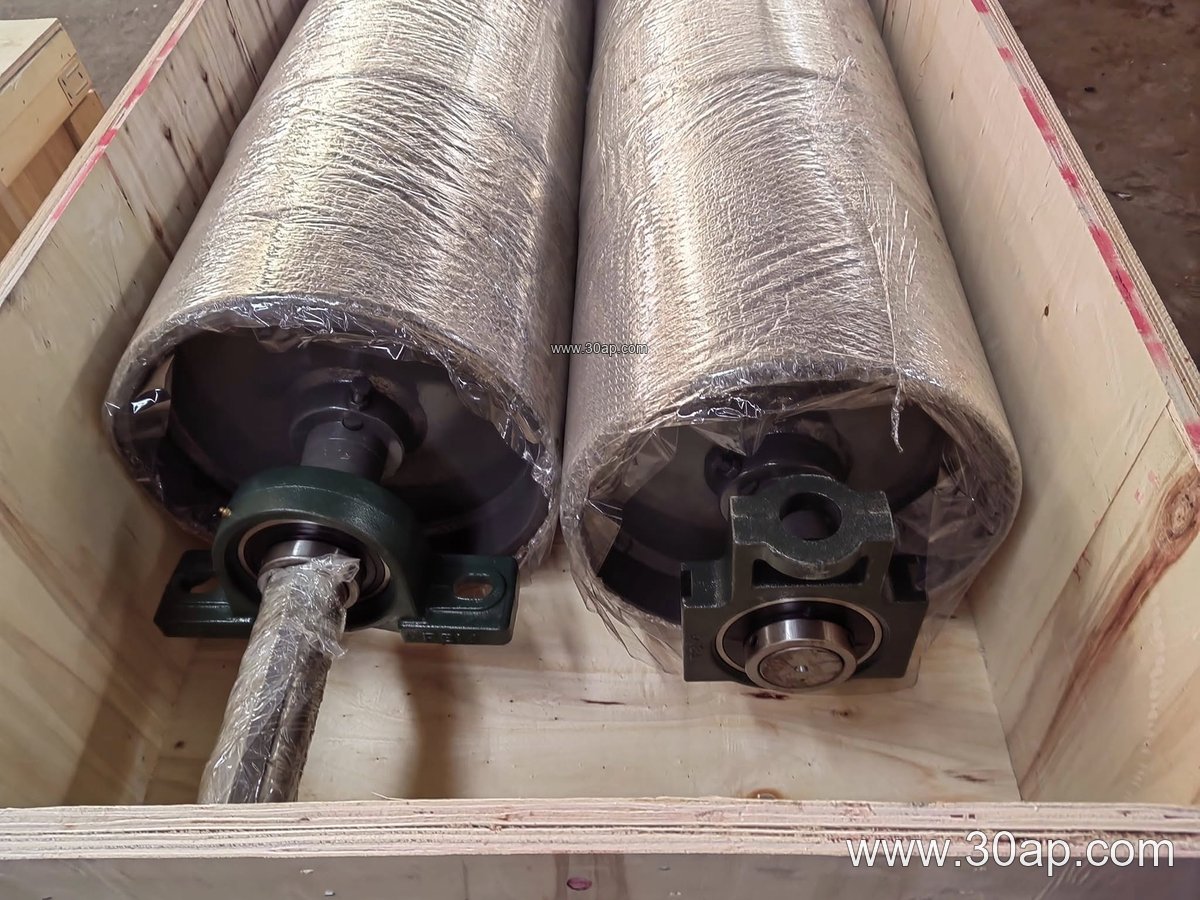
The following table gives typical reference values, not fixed supply promises. Final dimensions depend on belt width, torque, load, and pulley position, and no single belt width restricts a pulley to one diameter.
| Parameter | Common reference values |
|---|---|
| Pulley type | Drive pulley, bend pulley, tail pulley (not interchangeable) |
| Belt width | B400, B500, B650, B800, B1000, B1200, B1400, B1600 |
| Pulley diameter | Ø200, Ø250, Ø315, Ø400, Ø500, Ø630, Ø800, Ø1000, Ø1250 |
| Ceramic lagging thickness | 8, 10, 12, 15, 20 mm |
| Shell face width | Usually wider than belt, e.g. B800 about 950 mm, B1200 about 1400 mm |
| Shaft diameter | Ø50, Ø60, Ø70, Ø80, Ø90, Ø100, Ø120, Ø140, Ø160 |
Example combinations such as B800 × Ø500 or B1200 × Ø1000 are seen in practice, but shaft diameter is determined by torque and load, not by belt width alone.
Buyer Checklist for Ceramic Pulleys
- Confirm the pulley position: drive, tail, bend, or take-up. A ceramic drive pulley and a ceramic tail pulley have different traction and cleaning requirements.
- Match the ceramic lagging to the abrasive material. For wet or sticky fines, consider a self-cleaning tile pattern; for high-tension drives, check tile retention and bond quality.
- Check compatibility with the belt. An abrasion resistant conveyor belt or a high abrasion resistant conveyor belt is a natural partner, but belt cover hardness and pulley surface should be reviewed together.
- Review the whole conveyor: conveyor brackets, idler rollers, and belt alignment all affect pulley life. A ceramic pulley cannot correct a misaligned frame.
- Ask for the shaft and bearing calculation, not just the shell dimensions. The ceramic layer adds wear resistance, not load capacity.
Maintenance and Selection Notes
Inspect ceramic tiles for cracks, missing pieces, and bond line separation during scheduled shutdowns. Small tile losses can expose the rubber base and reduce grip; replace or repair lagging before the shell is exposed. Keep the belt cleaner and the pulley face free of buildup, especially in coal mining and cement applications where fines pack into tile gaps. When specifying a high wear-resistant ceramic pulley, state the belt width, pulley position, motor power, and material characteristics, and let the design engineer confirm the diameter and shaft size. For related conveyor components, refer to the conveyor pulley, idler roller, and conveyor belt data for the same line, and use the same duty class across the system.