What an Idler Bracket Does on a Conveyor
An idler bracket is the structural part that holds conveyor idlers in the correct position under or over the belt. It carries the load transferred from the belt and the material, keeps the roller spacing consistent, and sets the trough angle that shapes the belt into a carrying profile. In a quarry, a coal handling system, or a cement plant, this small steel component quietly determines how evenly an idler roller runs and how long the belt and rollers last.
The bracket is not a pulley. A conveyor pulley drives or redirects the belt, while the bracket only supports the idlers. Mills and plant operators often order the two together, together with the conveyor belt, but they serve different functions and are not interchangeable.
How the Bracket Is Built
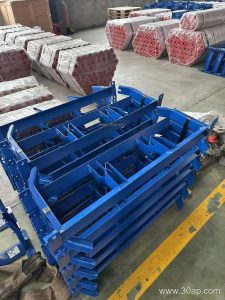
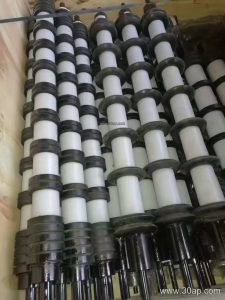
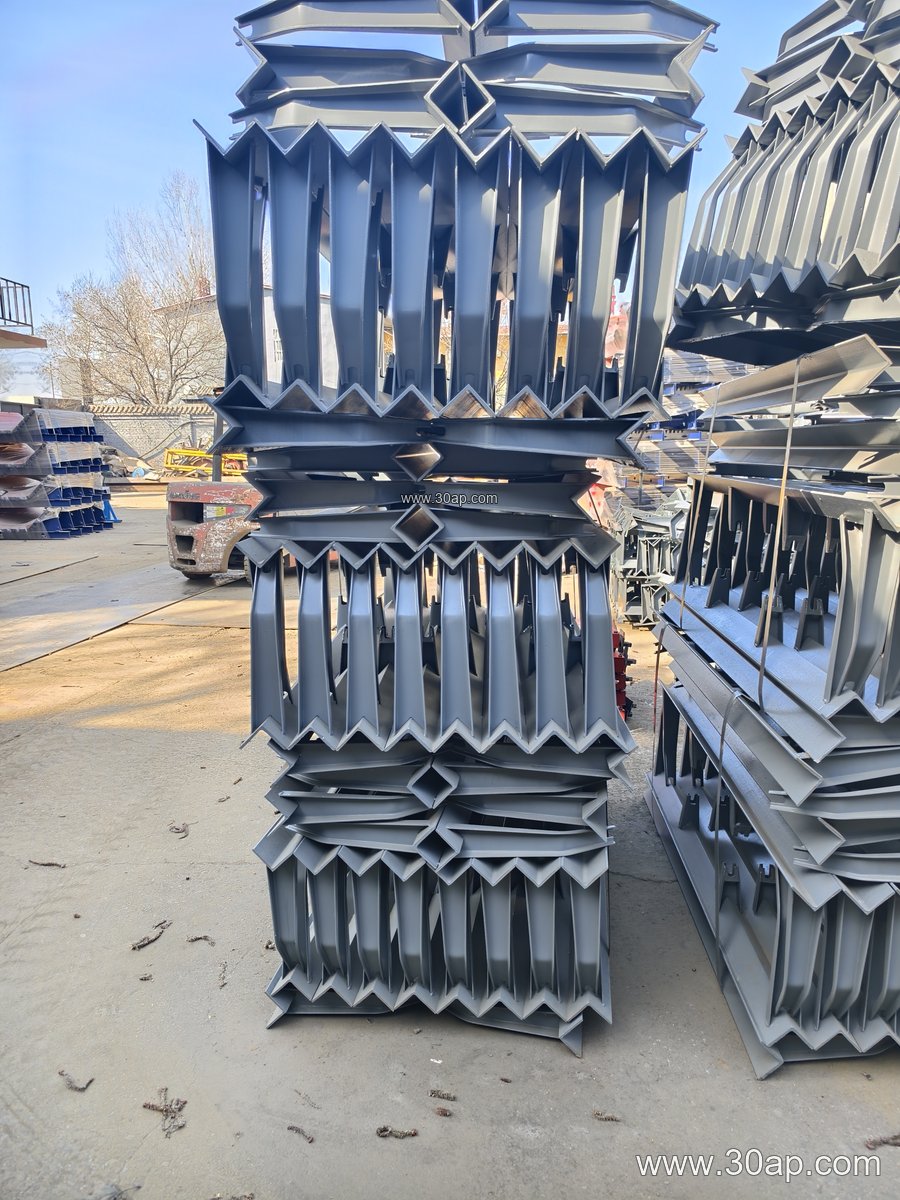
Most idler brackets are fabricated from angle steel, channel steel, or bent steel plate. The frame is cut, punched, and welded, then finished with painting or galvanizing depending on the environment. Key features usually include mounting slots for the idler shaft, a crossbeam that spans the conveyor frame, and a base that bolts to the stringer or to the conveyor bracket on the main structure.
- Material: angle steel, channel steel, or folded plate
- Surface: painted or galvanized finish for dusty and damp sites
- Mounting: bolted or welded connection to the conveyor frame
- Adjustment: fixed or adjustable trough angle versions
Common Types and Where They Sit
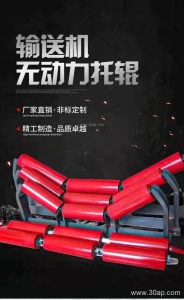
The troughing idler bracket is the most familiar type. It supports three rollers and forms the belt into a trough, which is essential on a bulk material conveyor belt carrying coal, ore, or aggregate. A transition bracket is placed near the head or tail to guide the belt gradually from a flat shape into a full trough, reducing stress at the belt edge. Return brackets support the lower run; a V-return bracket holds two rolls in a V shape to help center the belt on the return side.
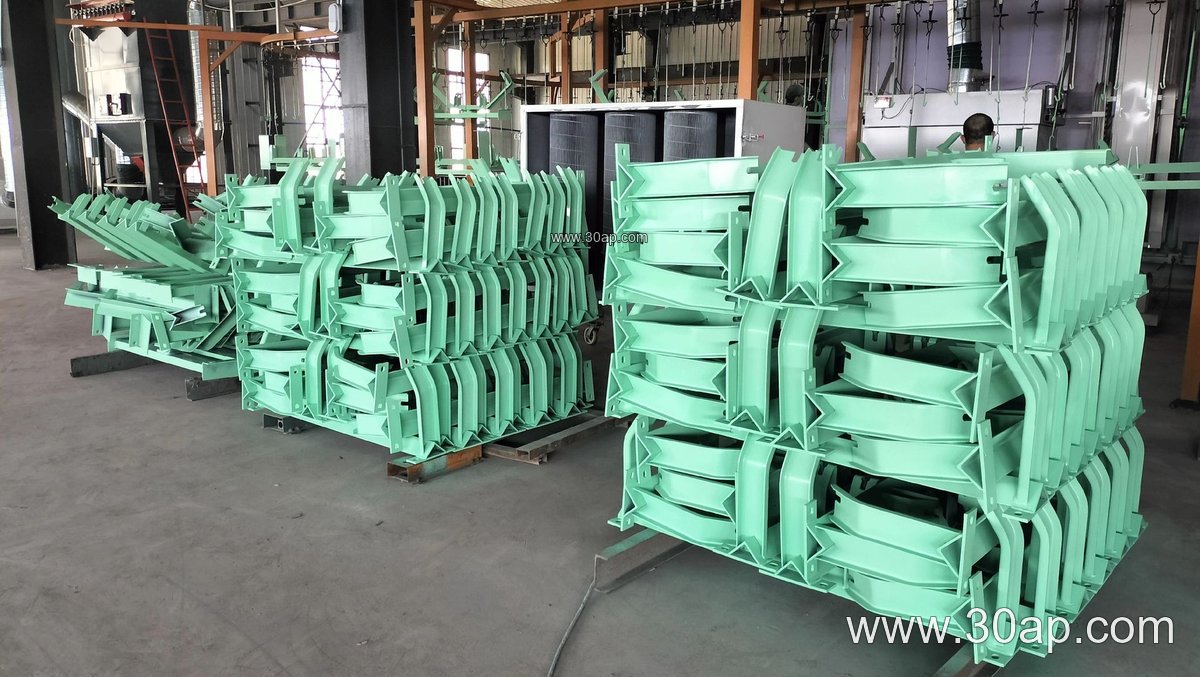
Self-aligning and forward-tilted brackets are used where belt tracking is a concern. A spiral idler bracket may be chosen on sticky material lines. Hanging brackets suit special frame layouts, and buffer brackets are used at load points where impact is heavy. On a steel cord conveyor belt line or a high abrasion resistant conveyor belt installation, the bracket choice still follows the same logic: support the idlers, hold the angle, and keep the belt centered.
Matching Bandwidth, Trough Angle, and Roller Diameter
Bracket dimensions are tied to belt width, trough angle, and roller diameter, but no single combination is universal. A B800 frame with a 35 degree trough and Ø108 rollers is common in aggregate plants, while a B1200 line with 45 degrees and Ø133 rollers may suit a heavier ore duty. A B650 conveyor with 30 degrees and Ø89 rollers is typical of smaller sand and gravel lines. Mounting hole spacing and crossbeam length change with belt width and trough angle, so these values are design inputs rather than fixed numbers.
| Belt Width | Typical Trough Angle | Common Roller Diameter |
|---|---|---|
| B500 | 20 to 30 degrees | Ø89 |
| B650 | 30 degrees | Ø89 to Ø108 |
| B800 | 30 to 35 degrees | Ø108 |
| B1000 | 35 degrees | Ø108 to Ø133 |
| B1200 | 35 to 45 degrees | Ø133 |
| B1400 | 35 to 45 degrees | Ø133 to Ø159 |
| B1600 | 35 to 45 degrees | Ø159 |
| B1800 to B2200 | 35 to 45 degrees | Ø159 to Ø194 |
These are reference ranges, not mandatory pairings. A wider belt does not force one trough angle, and belt width alone does not define shaft diameter. The bracket, roller, and frame should be selected together by the conveyor designer.
Adjustable versus Fixed Brackets
A fixed bracket locks the rollers at one trough angle. It is simple, rigid, and well suited to lines that run one product at a steady load. An adjustable bracket allows the trough angle to be changed, usually between 20, 30, 35, and 45 degrees, which helps during commissioning or when the material mix changes. Forward-tilted brackets, often around 1.5 to 2 degrees, are a separate feature aimed at belt tracking rather than trough adjustment.
What Buyers Should Check
Before ordering, confirm the belt width, the required trough angle, the roller diameter, and the mounting pattern on the existing frame. Ask for the material and finish, since a wash plant, a power plant coal yard, and a fertilizer store have different corrosion and dust conditions. Check that the bracket suits the idler type it will carry, whether a standard roller, a spiral roller, or an impact roller. On a fabric core conveyor belt line, a light bracket may be enough, while a steel cord or heavy-duty mining conveyor belt line usually calls for a stiffer frame.
Inspect welds, hole alignment, and coating on delivery, and keep spare brackets for load points and transition zones where wear is fastest. A correctly matched idler bracket keeps the idler roller square to the belt, reduces edge damage, and supports smooth running from the crusher discharge to the stockpile.