What a Chevron Conveyor Belt Is
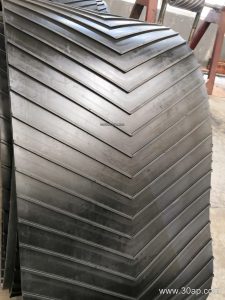
A Chevron Conveyor Belt is a rubber conveyor belt with raised, V-shaped cleats molded onto the top cover. The pattern is also called a herringbone or chevron profile. These raised bars grip the material and stop it from sliding back on inclines where a smooth belt would lose traction. The belt is a complete product in its own right, not a plain belt with a bolt-on accessory, and the profile is vulcanized into the cover during manufacture.
The same product also appears under the name chevron pattern rubber belt or herringbone cleat belt. Buyers in mining, quarrying and cement plants often call it simply a chevron belt. Whatever the label, the working principle is unchanged: the ribs form pockets that carry bulk material up a slope.
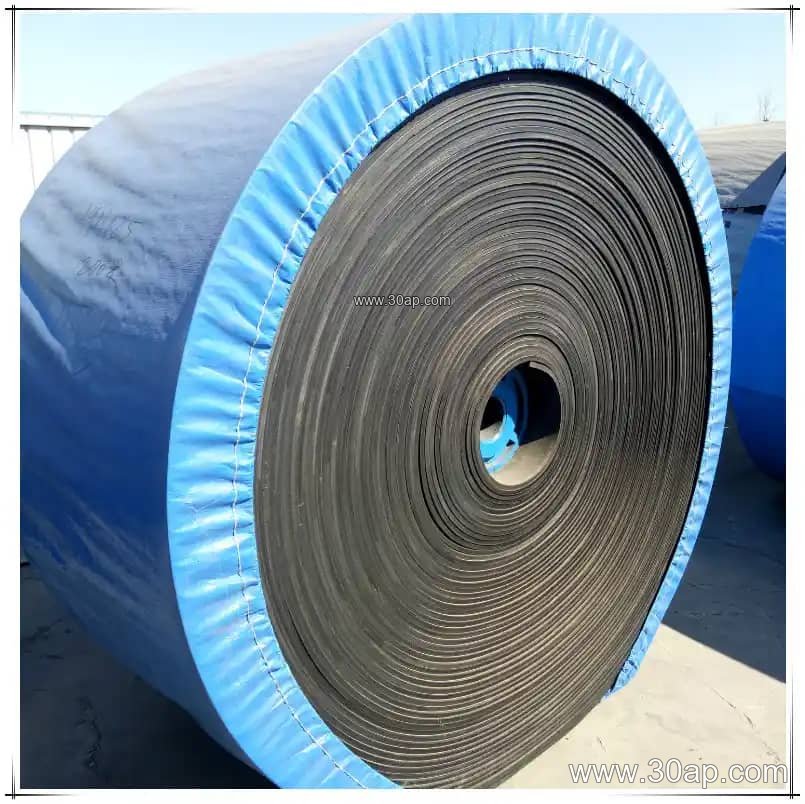
How the Belt Is Built
The carcass carries the load, and the chevron cover does the gripping. Most chevron belts use a fabric core. An EP Conveyor Belt carcass, made from polyester warp and polyamide weft, is a common choice because it stretches little and keeps the cleats aligned. NN Conveyor Belt construction, with nylon in both directions, is also used where higher flexibility matters. Heavy installations may use a Steel Cord Conveyor Belt core for very long, high-tension runs, though the cleat height and pulley design must then be checked carefully.
Cover compound is selected for the duty. An Abrasion Resistant Conveyor Belt cover suits sharp crushed rock, while a Heat Resistant Conveyor Belt grade is needed near clinker or sinter. In coal preparation and underground roadways, a Flame Retardant Conveyor Belt or Fire Resistant Conveyor Belt cover is often specified, and an Anti-Static Conveyor Belt cover helps control static charge.
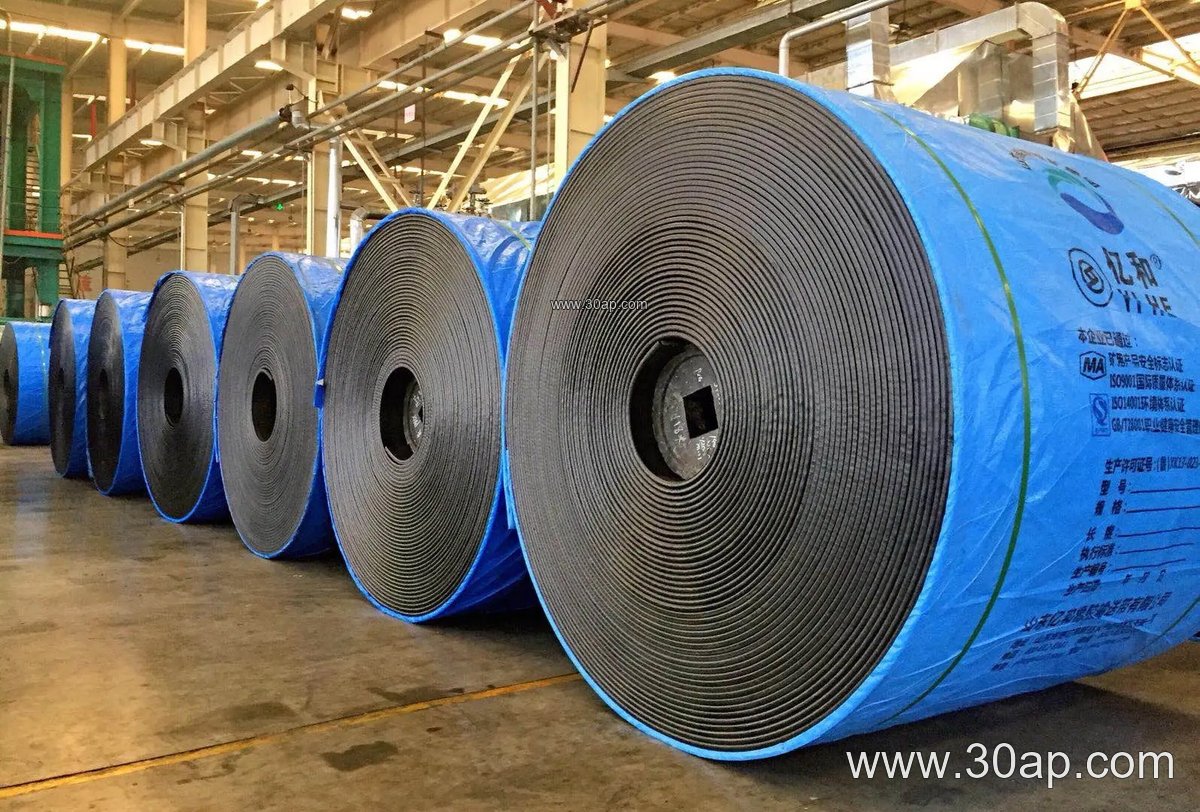
Typical Reference Data
Values below are common reference points, not fixed supply promises. Final figures are confirmed by design for each project.
- Fabric grades: EP200, EP315, EP400, EP500, EP630, EP800, EP1000, EP1250
- Belt widths: B500, B650, B800, B1000, B1200, B1400, B1600, B1800
- Cover thickness: 3+1.5 mm, 4+2 mm, 5+2 mm, 6+2 mm, 8+3 mm
- Carcass plies: usually 2 to 6 layers
- Cleat height and pitch: chosen by the belt maker to suit the incline angle and lump size
Where It Fits on Site
Chevron belts are at home wherever the route is too steep for a smooth belt. In a quarry, a chevron belt lifts blasted rock from the crusher outlet to the screening deck. In a coal mine, a flame retardant chevron belt handles lump coal on an inclined roadway. Cement plants use them for limestone, clinker and gypsum; power plants for coal and ash; sand and gravel yards for wet aggregate that would otherwise roll back.
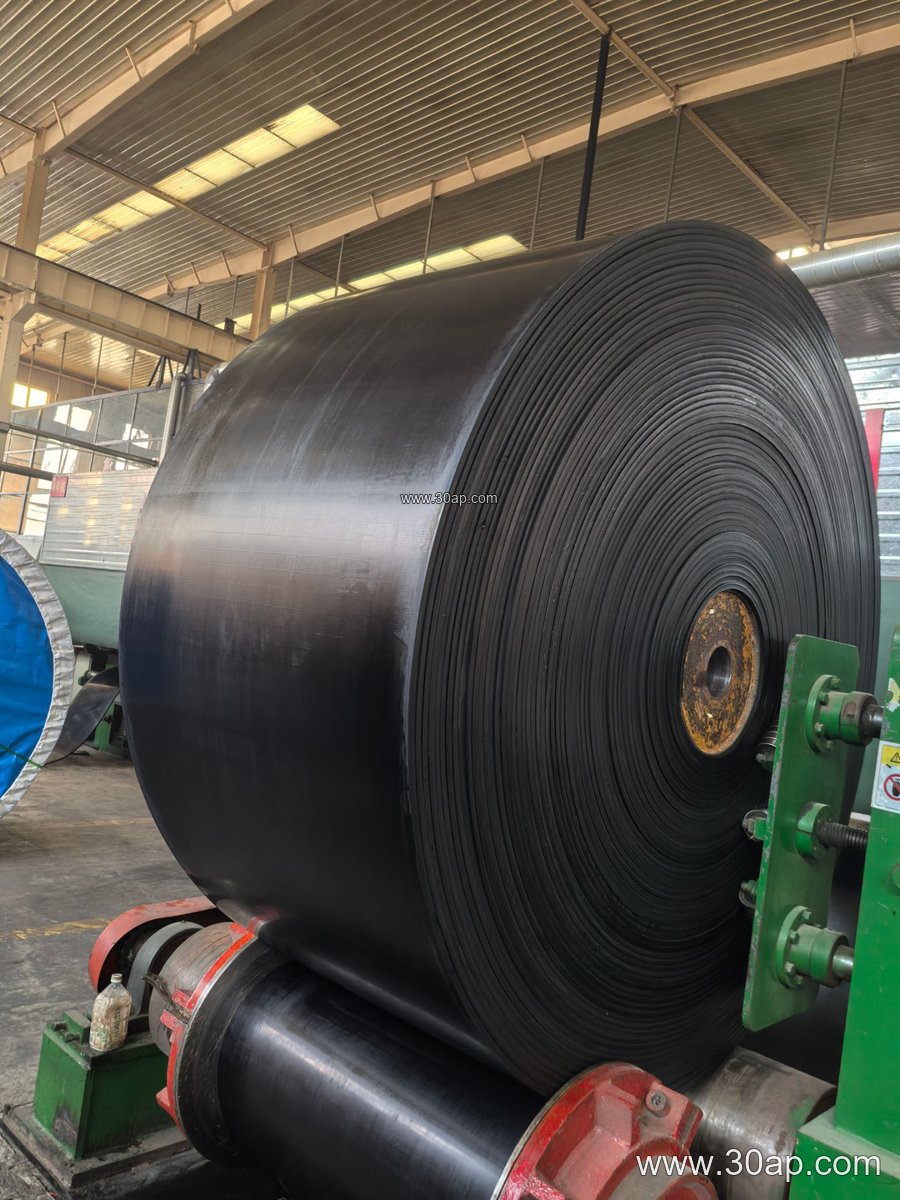
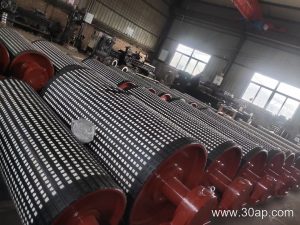
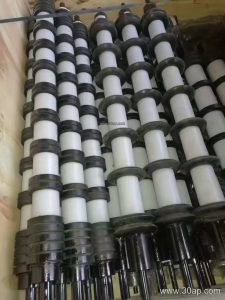
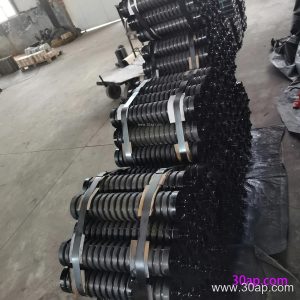
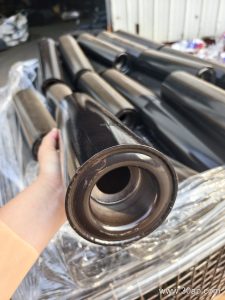
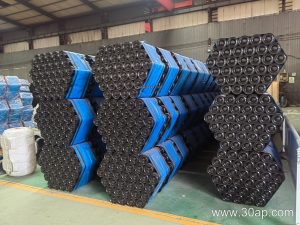
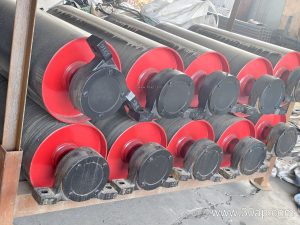
The belt works with the rest of the conveyor. A conveyor pulley at the head drives the belt, a tail pulley returns it, and idler rollers support the carrying side. A conveyor bracket holds the rollers and frame in line. Because the chevron ribs are taller than the belt surface, the belt usually runs on plain or specially arranged idlers rather than close-set training idlers that would crush the profile.
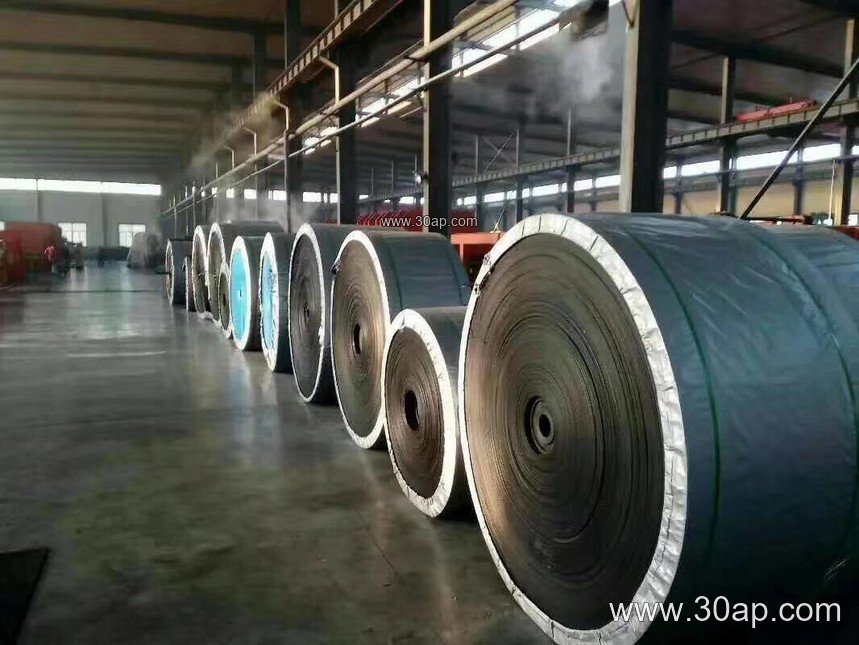
Selection Points for Buyers
Start with the incline angle, the material lump size and the tonnage per hour. Steep angles and large lumps call for taller cleats and a stronger carcass. Check the smallest pulley diameter the belt must wrap; a thick cleat limits how tight the return path can be. Confirm the cover grade against the actual cargo, since a general purpose cover will wear fast on hot or oily material.
Ask how the belt will be joined. An Endless Conveyor Belt is vulcanized closed at the factory, which keeps the chevron pattern continuous and is preferred on long or critical routes. Open-ended belts joined on site need a splice that matches the rib layout.
Finally, compare the chevron belt with alternatives only where it makes sense. A Corrugated Sidewall Conveyor Belt with raised edges suits very steep, high-capacity lifts where material must be fully contained. A Skirted Conveyor Belt controls spillage on flatter runs. Neither replaces the chevron belt on a moderate incline where a simple profiled cover is enough.
Care and Longevity
Keep the return side clean; trapped material under the belt wears the cover and can damage the ribs. Align the conveyor pulley and idler rollers so the belt trains straight, and check that no roller sits high enough to press on the chevron pattern. Inspect cleat edges for cracking, especially on heat or oil duty, and repair small cover damage before it reaches the carcass. Correct tension and a square splice keep the profile running true and extend service life.