What a Heavy-Duty Steel Conveyor Bracket Does
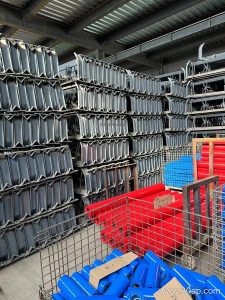
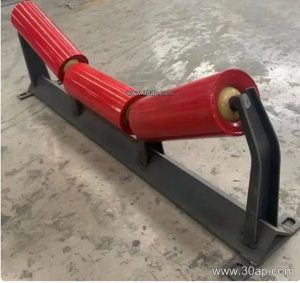
A Heavy-Duty Steel Conveyor Bracket is the structural backbone that holds conveyor idlers in precise alignment along the belt line. In quarry, limestone, and iron ore operations, this bracket must absorb constant shock, dust, and heavy loads without losing its shape. Unlike a standard bracket, the heavy-duty version uses thicker steel sections and reinforced weld points to keep the conveyor belt tracking smoothly even when material surges.
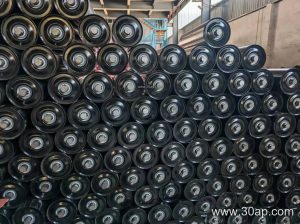
At www.xinrisheng.com, we often see how a well-built conveyor bracket extends the life of the entire conveyor pulley and idler roller set. The bracket is not just a mounting plate; it is the interface between the belt and the frame.
How the Bracket Is Built
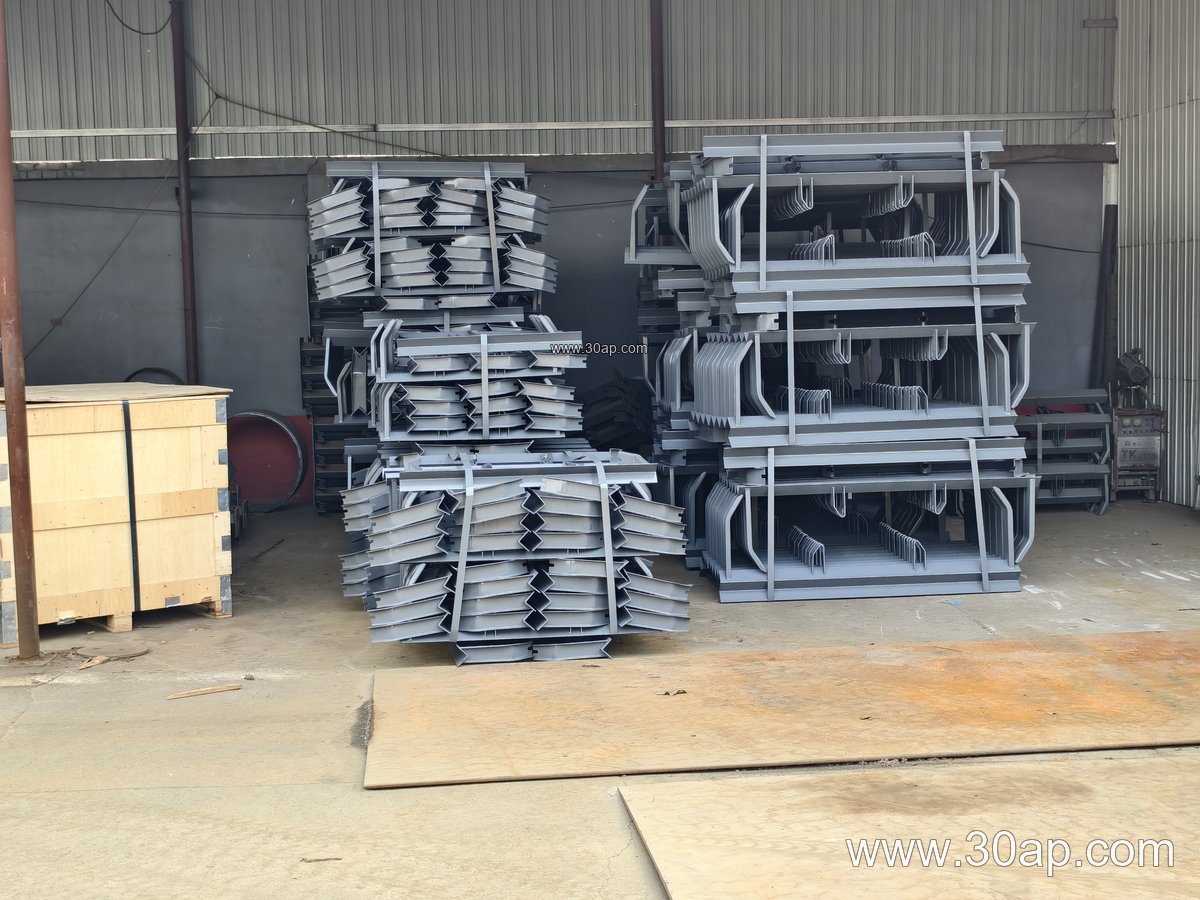
Fabrication typically starts with angle steel, channel steel, or bent steel plate. The choice depends on the load profile and the required槽角 (trough angle). For a B1200 belt running at 35 degrees, a folded steel plate bracket with a 6 mm wall is common. Heavier widths like B1800 or B2000 often call for channel steel construction with extra gussets at the bend.
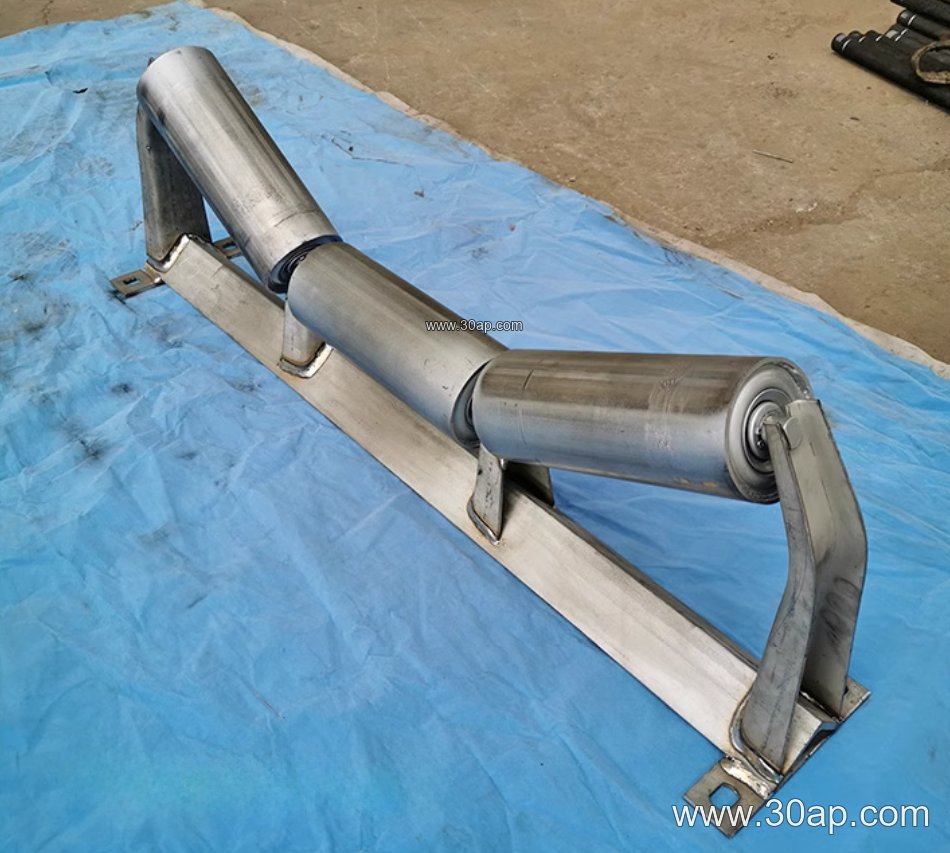
Key construction details include:
- Reinforced mounting holes for secure idler roller attachment
- Welded or bolted cross beams sized to the belt width
- Adjustable slots for fine-tuning trough angle and belt alignment
- Surface treatment such as hot-dip galvanizing or painting for corrosion resistance
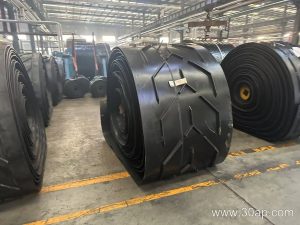
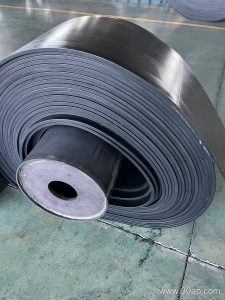
When the bracket is paired with a rubber conveyor belt or an EP conveyor belt, the steel must resist vibration without cracking. That is why heavy-duty brackets often use continuous welds rather than spot welds at critical joints.
Where It Fits on the Conveyor
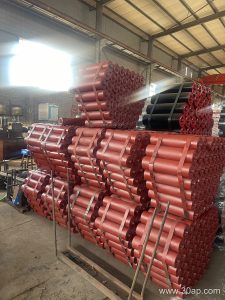
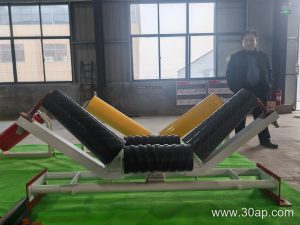
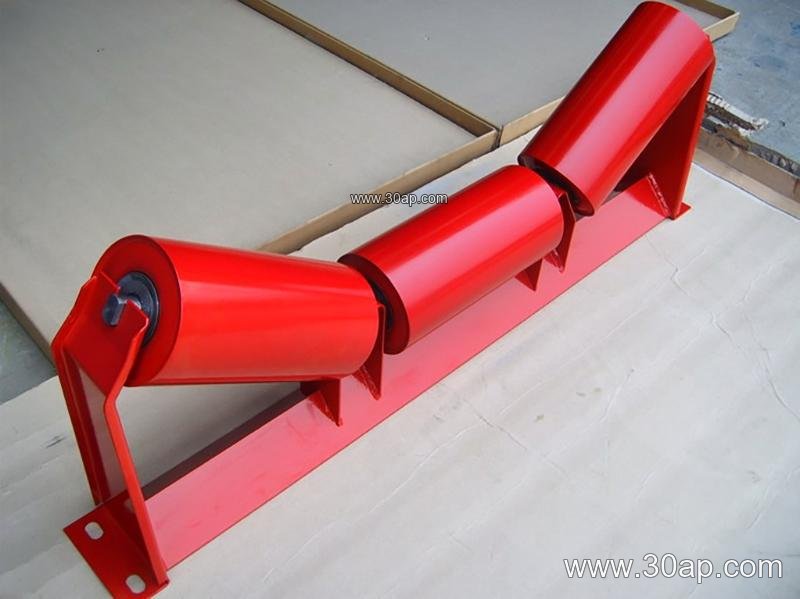
This bracket appears in several positions. On the carrying side, it forms the trough that shapes the belt. On the return side, a V-return bracket or flat return bracket keeps the empty belt supported. Transition brackets near the drive pulley and tail pulley help guide the belt from flat to troughed without stress.
In a coal mining conveyor system, the bracket must handle both flame retardant conveyor belt requirements and heavy impact from lump coal. In a cement plant, heat resistant conveyor belt sections may use brackets with heat shields. The same heavy-duty steel conveyor bracket design works across these duties, but the steel thickness and coating are selected per site.
Common Configurations and Reference Dimensions
The table below shows typical combinations, not fixed rules. Actual hole spacing and beam length are determined by belt width and trough angle.
| Belt Width | Trough Angle | Idler Diameter | Bracket Type |
|---|---|---|---|
| B500 | 20° / 30° | Ø89 | Fixed or adjustable |
| B650 | 30° / 35° | Ø89 / Ø108 | Fixed or adjustable |
| B800 | 35° / 45° | Ø108 / Ø133 | Adjustable, transition |
| B1000 | 35° / 45° | Ø108 / Ø133 / Ø159 | Heavy-duty trough |
| B1200 | 35° / 45° | Ø133 / Ø159 | Heavy-duty, impact |
| B1400 | 35° / 45° | Ø133 / Ø159 / Ø194 | Transition, return |
| B1600 | 35° / 45° | Ø159 / Ø194 | Heavy-duty trough |
| B1800 | 35° / 45° | Ø159 / Ø194 | Heavy-duty trough |
| B2000 | 35° / 45° | Ø194 | Heavy-duty trough |
Adjustable brackets allow the槽角 to be set between 20 and 45 degrees, while forward-leaning brackets often use a 1.5 to 2 degree tilt for self-centering. Always confirm bracket dimensions with the conveyor design, because a B1000 bracket for a 30-degree trough will differ from one for a 45-degree trough.
Selecting the Right Bracket for Your Site
Buyers should match the bracket to the belt width, the idler roller diameter, and the material being conveyed. In a sand and gravel line, an abrasion resistant conveyor belt may run on a bracket with extra wear plates. In a power plant coal yard, a flame retardant conveyor belt requires brackets that do not trap coal dust.
Ask these questions before ordering:
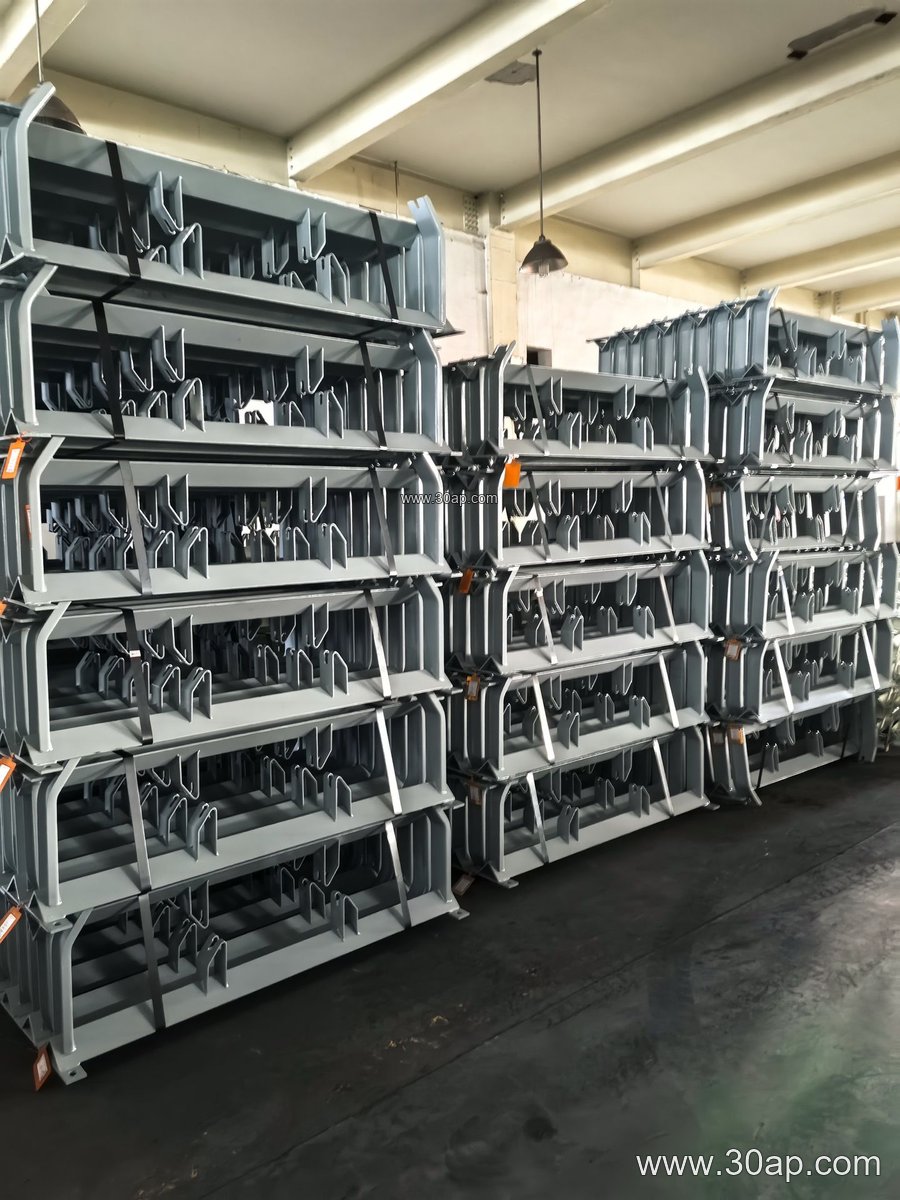
- Is the bracket fixed or adjustable for trough angle changes?
- What steel section is used (angle, channel, or bent plate)?
- Does the coating suit the environment (washdown, humidity, chemical exposure)?
- Are mounting holes pre-drilled to match your idler roller frame?
At www.xinrisheng.com, we recommend keeping spare brackets on hand for transition and impact zones. A worn bracket can misalign the belt, leading to edge damage on a steel cord conveyor belt or premature pulley wear.
Maintenance and Long-Term Performance
Inspect heavy-duty steel conveyor brackets for loose bolts, cracked welds, and corrosion at least quarterly. In a limestone quarry or iron ore plant, dust buildup can hide cracks, so clean the bracket before inspection. Replace any bracket that shows bending or elongated holes, as these will affect belt tracking.
A well-maintained bracket protects the conveyor pulley, idler roller, and belt investment. Whether you run an EP conveyor belt in a cement plant or a heat resistant conveyor belt in a foundry, the heavy-duty steel conveyor bracket is a small component with a large impact on uptime.