What a 630mm Drive Pulley Does
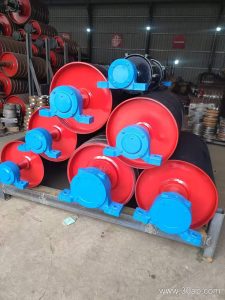
A 630mm drive pulley is the head-end drum that transfers motor torque into belt motion on a belt conveyor. With a nominal diameter of Ø630 mm, it sits at the discharge point in many medium-capacity systems, gripping the conveyor belt through friction and pulling the loaded strand toward the head. It is also correctly called a Ø630 head pulley or drive drum, and these names refer to the same component. A tail pulley, bend pulley, or tension pulley performs a different job, so the drive drum should never be swapped for those subtypes when specifying a replacement.
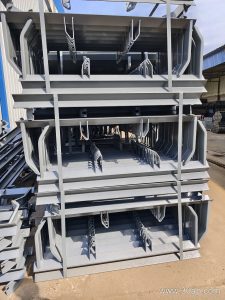
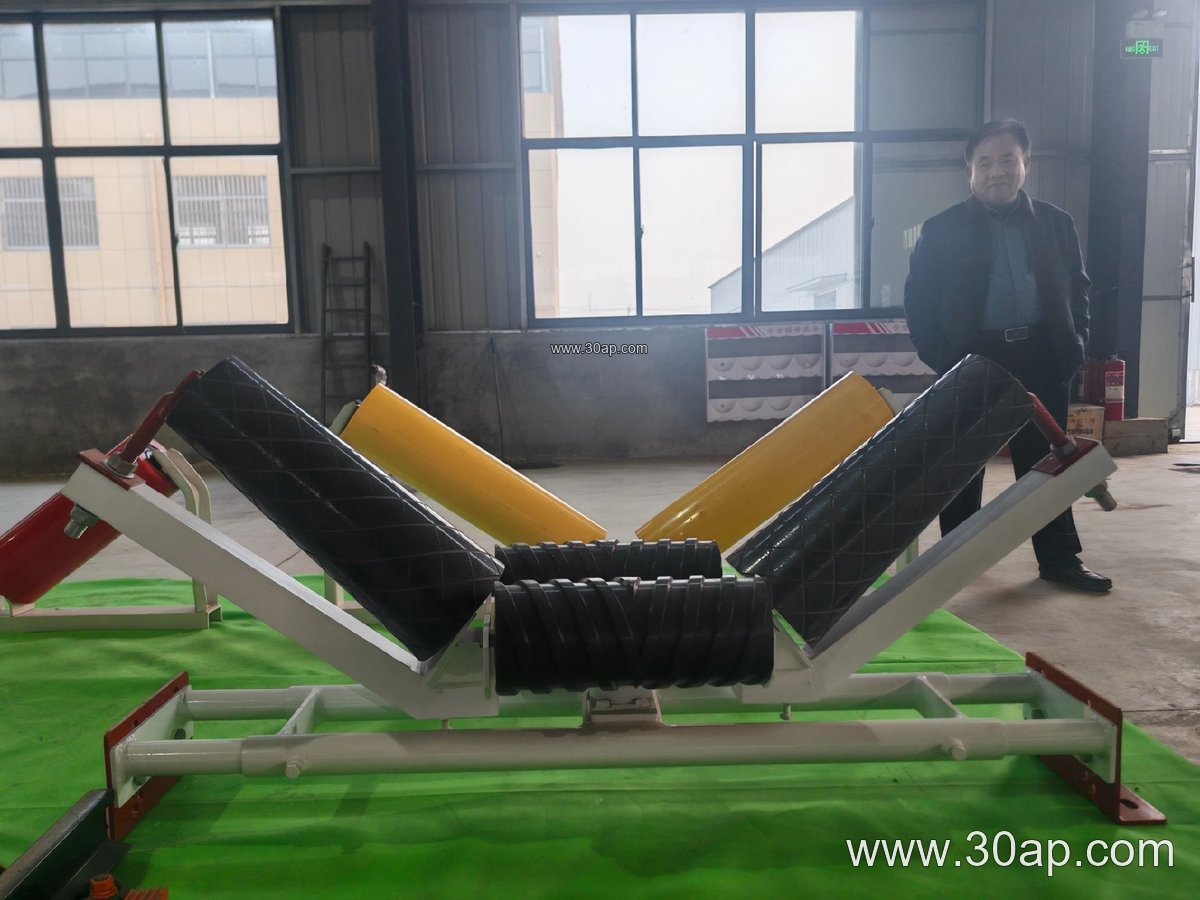
The pulley works together with the conveyor belt, carrying idlers, return idlers, and a sturdy conveyor bracket set. In quarry lines, coal preparation plants, cement clinker circuits, and power station coal handling, the 630 mm drive drum is a common choice where belt widths and tonnages fall in the middle range.
Construction and Surface Options
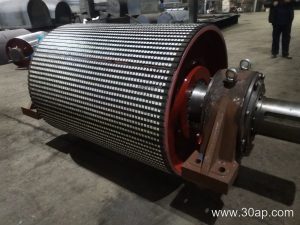
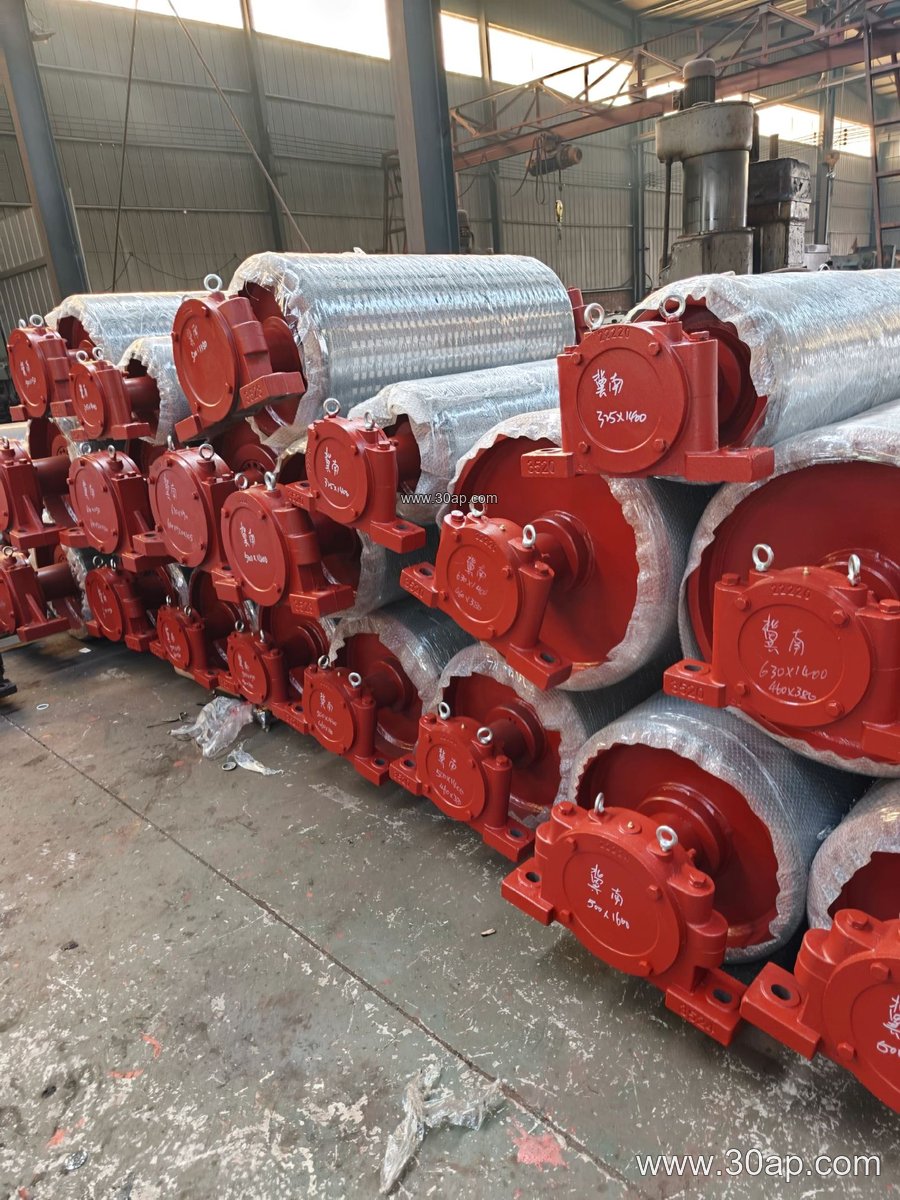
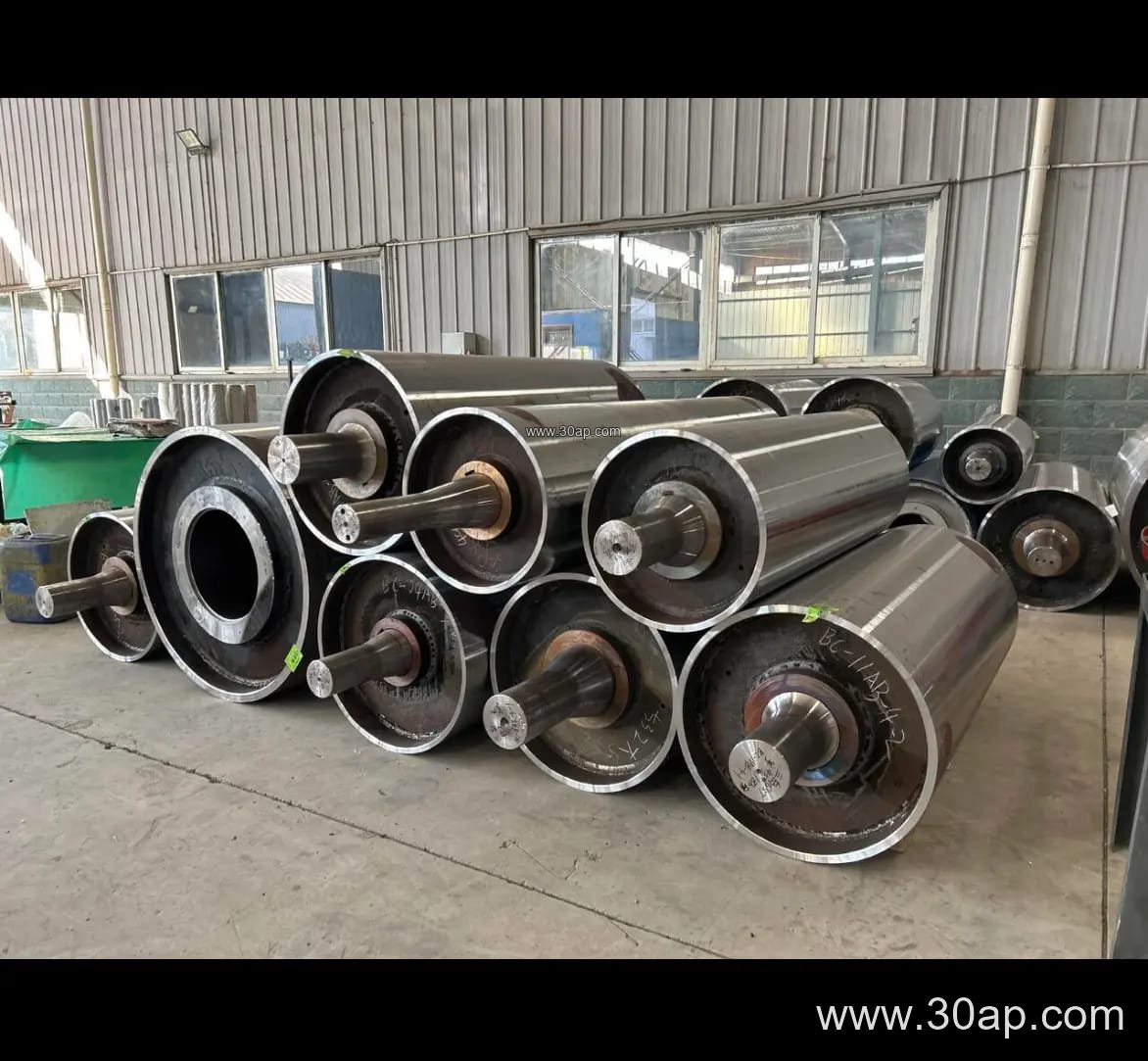
Most 630mm drive pulleys use a welded steel shell with dished or flat end plates, a through shaft or stub shafts, and bearing housings bolted to the frame. The shell diameter, face width, shaft diameter, and bearing size are all fixed by the conveyor designer based on torque, belt tension, and load. A larger shaft is not automatically better; it must match the bearing and hub arrangement.
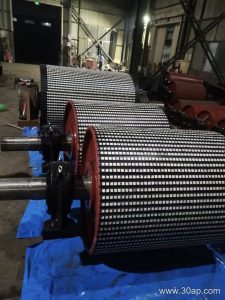
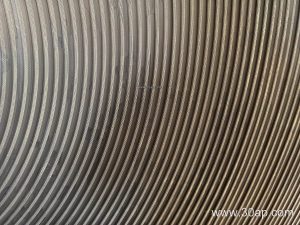
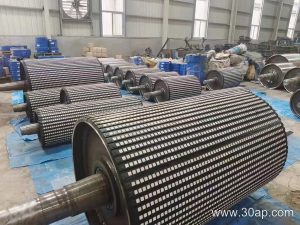
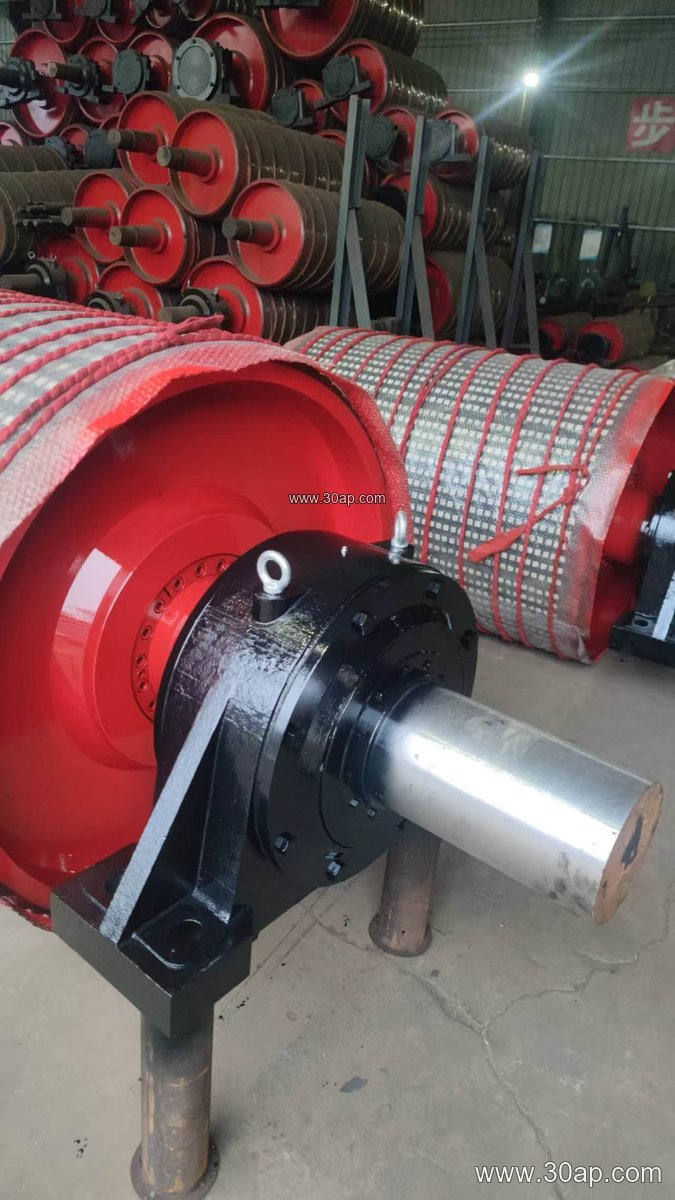
The lagging on a drive pulley decides how much grip is available. Common surface forms include plain finish, cold-bonded rubber, hot-vulcanized rubber, diamond grooving, herringbone grooving, and ceramic lagging. Lagging thickness is often 8, 10, 12, 15, or 20 mm depending on duty. In wet or dusty service, grooved or ceramic surfaces help shed water and debris, while a smooth rubber cover suits cleaner, drier conditions.
| Parameter | Typical Reference Range |
|---|---|
| Nominal diameter | Ø630 mm |
| Belt width match | B650 to B1200, depending on design |
| Pulley face width | Usually wider than belt, e.g. about 750 mm for B650, about 1400 mm for B1200 |
| Shaft diameter | Commonly Ø80 to Ø160, set by torque and load |
| Lagging thickness | 8, 10, 12, 15, 20 mm |
| Surface forms | Plain, rubber lagged, diamond, herringbone, ceramic |
These values are reference data, not universal specifications. A B800 conveyor might use a Ø500 drive pulley in a light duty line, while a B1200 system may call for Ø1000; the 630 mm size fits a particular band of tension and wrap angle rather than a single belt width.
Where It Fits in the Conveyor
The drive pulley is normally installed at the head station, where the belt discharges. Its wrap angle, the arc of belt contact, is improved by a snub or pressure pulley when the layout is tight. On inclined haulage in a limestone mine or aggregate plant, that extra wrap helps prevent slip when the belt is fully loaded. The same drum may appear in a transfer tower at a port bulk terminal or in a sintering plant feed line.
Belt selection matters as much as the drum. A heavy-duty mining conveyor belt or abrasion resistant conveyor belt running over the 630 mm drum needs suitable tension and a clean surface. In coal mining conveyors, a flame retardant conveyor belt or fire resistant conveyor belt is often required by site rules, and the lagging should be chosen with the same care. A steel cord conveyor belt may demand a larger drum than a fabric core belt because of its stiffness, so the pulley diameter is confirmed against the belt manufacturer’s recommendation.
Buyer Checklist
- Confirm the required diameter, face width, shaft size, and bearing type from the conveyor drawing, not from belt width alone.
- State the belt type and tension so the lagging and shell thickness can be checked.
- Choose the lagging pattern for the environment: grooved or ceramic for wet, dusty duty; plain rubber for clean service.
- Ask for dynamic balance and inspection reports where high speed is involved.
- Check that the bearing housings and conveyor bracket match the existing frame before ordering.
Installation and Maintenance Notes
Alignment is critical. A 630mm drive pulley that is out of square with the belt centerline will cause edge wear and tracking problems. Check the lagging for glazing, cuts, or embedded material at each shutdown, and re-lag when grip falls. Keep the idler roller and return roller sets turning freely, because a seized idler increases drag on the drive drum. Lubricate bearings to the schedule and watch for temperature rise, which can signal misalignment or over-tension. For spare parts planning, record the shell diameter, face width, shaft diameter, and lagging type so a replacement drive pulley can be matched quickly without stopping the line for measurement.