What a Cement Conveyor Belt Is
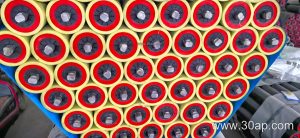
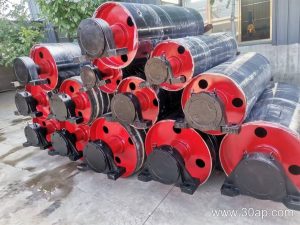
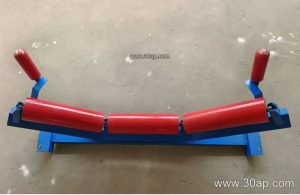
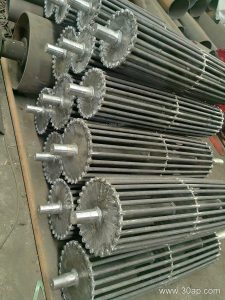
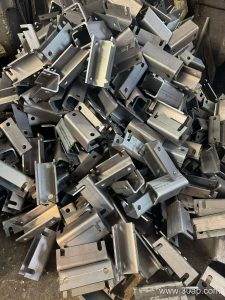
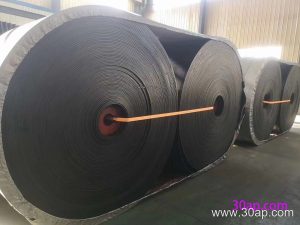
A cement conveyor belt is the load-carrying component of a belt conveyor system used to move limestone, clay, raw meal, clinker, gypsum, and cement between crushers, silos, preheater towers, and packing plants. In a cement plant, the belt works alongside a conveyor pulley at the drive and tail ends, idler roller sets that support the load, and a conveyor bracket that holds the structure together. The belt itself is a composite: a tension-bearing carcass, top and bottom rubber covers, and often a breaker or skim layer that bonds the parts.
The same product is frequently called a conveyor belt for cement plants or a cement plant conveyor belt. It is not a single rubber strip but a engineered assembly selected for dust, heat, abrasion, and long center distances.
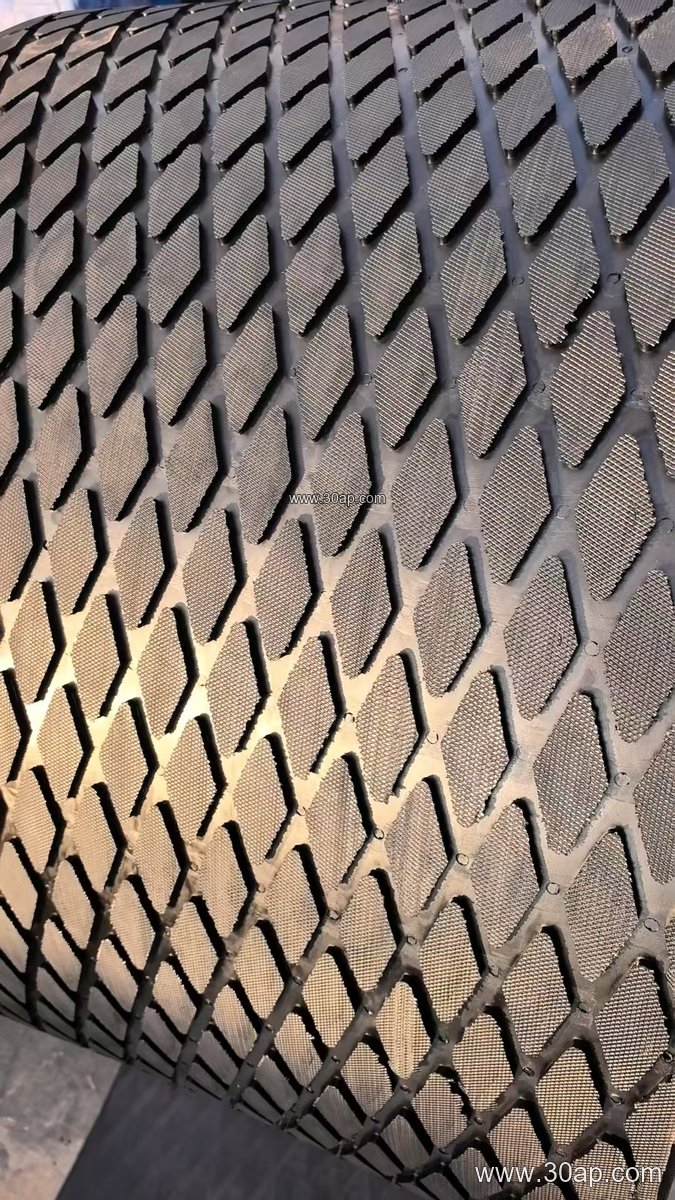
Construction and Carcass Options
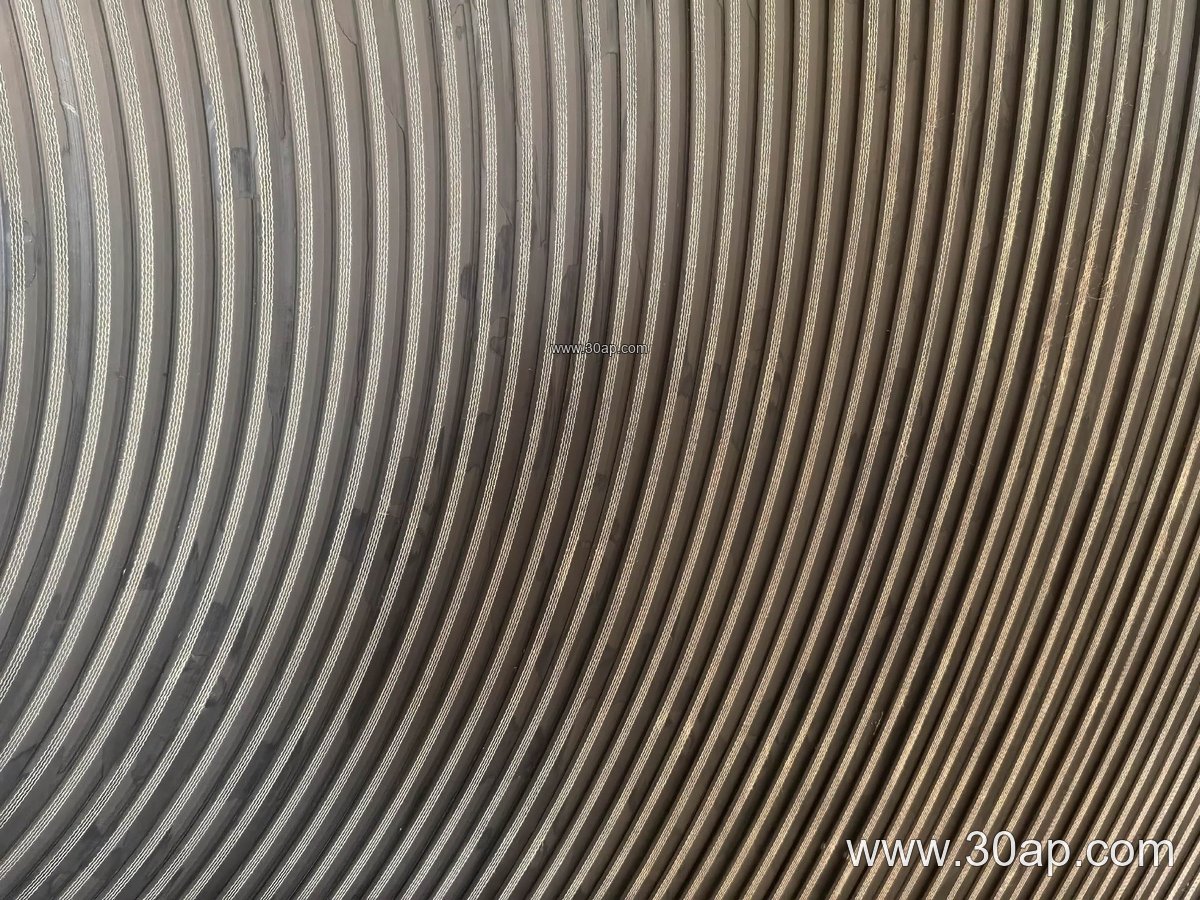
The carcass decides strength and elongation. Common choices include EP conveyor belt (polyester-cotton), NN conveyor belt (nylon-nylon), and steel cord conveyor belt for very long or high-tension runs. Multi-ply fabric core conveyor belt is still widely seen in older cement lines, while heavier plants favor high strength carcass grades.
Covers are the working surface. A cement plant may need abrasion resistant conveyor belt for clinker and limestone, heat resistant conveyor belt near kiln discharge, or oil resistant conveyor belt where lubricants and fuel are present. Flame retardant conveyor belt and anti-static conveyor belt are usual where combustible dust or enclosed galleries exist.
Typical Reference Values (Not Universal Specifications)
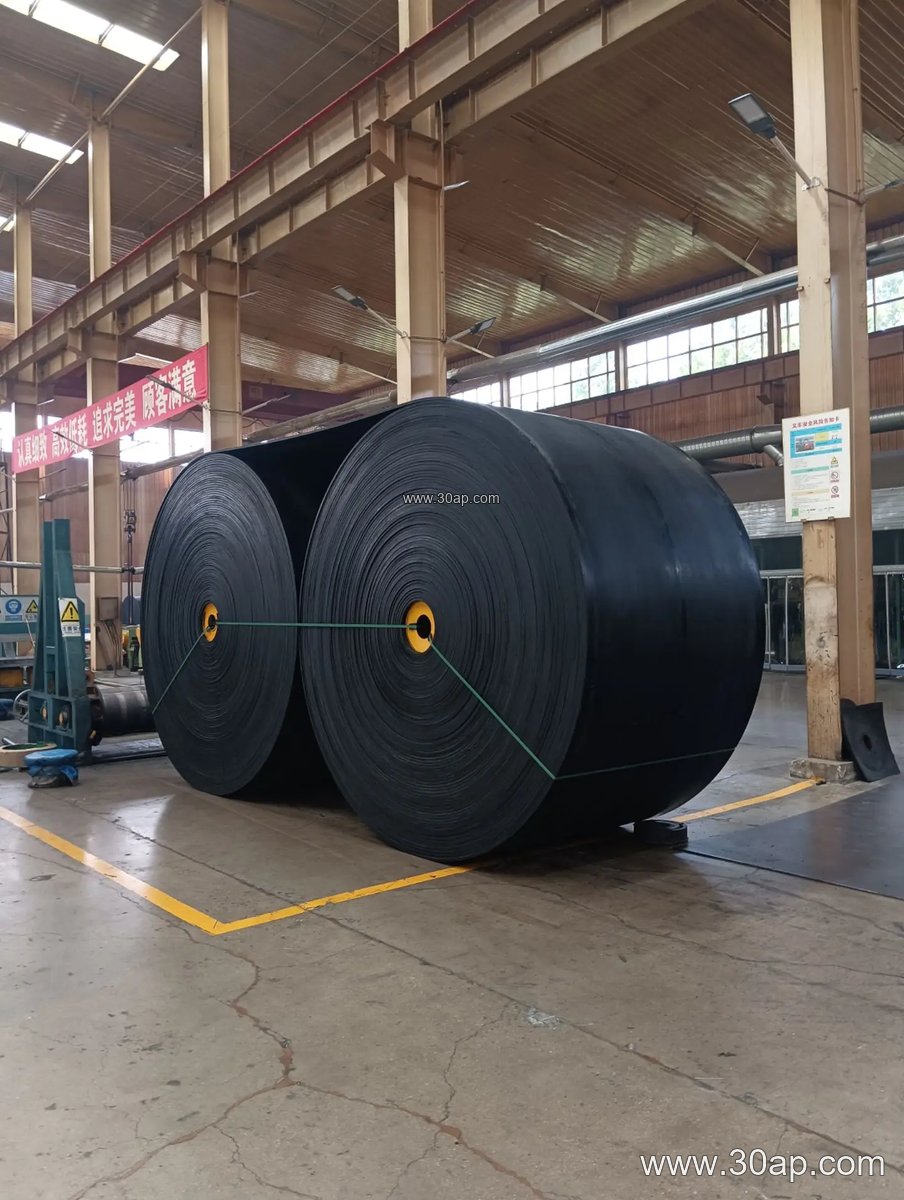
- Strength grades: EP200, EP315, EP400, EP500, EP630, EP800, EP1000, EP1250, EP1600, EP2000
- Belt width: B500, B650, B800, B1000, B1200, B1400, B1600, B1800, B2000
- Cover thickness: 3+1.5, 4+2, 5+2, 6+2, 8+3 mm
- Carcass plies: commonly 2 to 6 layers
These figures are reference data. Actual values depend on the conveyor design, load, and manufacturer, and one belt width does not fix one pulley diameter or shaft size.
Where It Works in a Cement Line
From the quarry to the packing house, cement handling is dusty and abrasive. A quarry conveyor belt carries crushed rock to the crusher; a crusher conveyor belt feeds the raw mill; clinker needs a heat resistant belt on the cooler discharge; and finished cement travels on an abrasion resistant belt to the silos. Port and ship loading terminals also use heavy-duty conveyor belt grades to load bulk carriers.
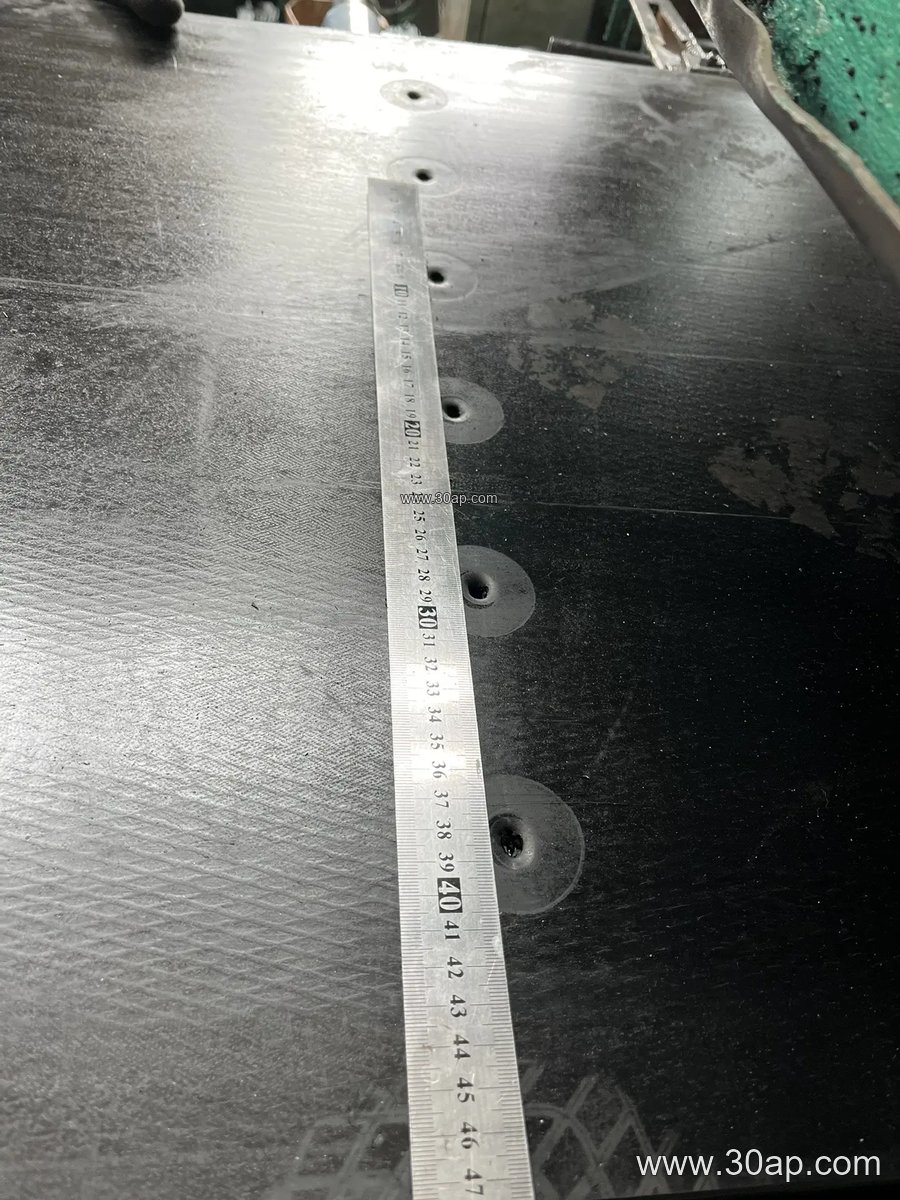
The same belt family shows up in power plants, steel plants, sand and gravel yards, and mining operations, where a mining conveyor belt or underground coal mining conveyor belt may be required. Special forms help on steep or confined routes: chevron conveyor belt and corrugated sidewall conveyor belt for inclined sections, and pipe conveyor belt where dust control and a clean return side matter.
Specifying and Purchasing Notes
Buyers should state the material, lump size, temperature, moisture, and the conveyor geometry, because these drive cover grade and carcass class. A heat resistant conveyor belt with an improper cover can harden and crack; a cheap abrasion resistant conveyor belt may wear quickly at the loading point. Impact resistant conveyor belt and a properly placed idler roller or impact bed reduce damage at transfer chutes.
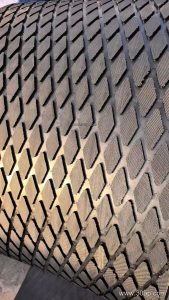
Check pulley alignment and keep the drive pulley and bend pulleys clean; these are separate parts and are not interchangeable with each other. Do not treat drive, tail, and bend pulleys as one item. Ask for the belt’s tension rating, cover hardness, and splice method, and confirm whether an endless conveyor belt is required for a permanent installation.
Maintenance and Long Life
Regular inspection of the belt edges, splice, and cover wear prevents unplanned stops. Clean the return side, check the conveyor pulley lagging, and verify that every idler roller turns freely. Keep the conveyor bracket bolts tight so the frame does not misalign the belt. Store spare belt rolls away from sunlight and oil, and record cover thickness so replacement is planned before the carcass is exposed.
For more on matching belts, pulleys, and rollers, visit www.beltconveyorspare.com/conveyor-belt or our www.beltconveyorspare.com/conveyor-pulley page. A well-matched cement conveyor belt, supported by sound rollers and pulleys, keeps clinker and cement moving with fewer breakdowns.