What a Trough Idler Set Does on a Conveyor
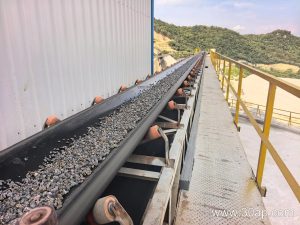
A trough idler set is the assembly of idler rollers and a support frame that shapes the carrying run of a conveyor belt into a trough. The angled rolls lift the belt edges, so bulk material sits in a cradle instead of spilling over the sides. In a quarry, a cement plant or a power plant coal yard, this simple geometry keeps the load centered and reduces spillage along the whole transfer line. The set is usually described by the number of rolls, the trough angle and the roll diameter, and it works together with the conveyor pulley at the head and the return idlers underneath.
How the Assembly Is Built
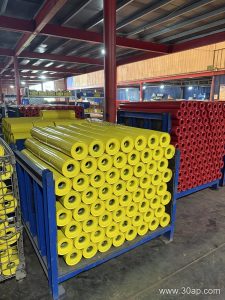
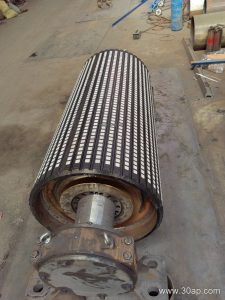
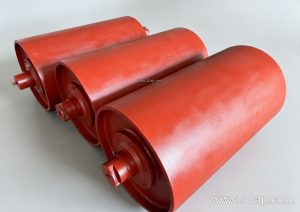
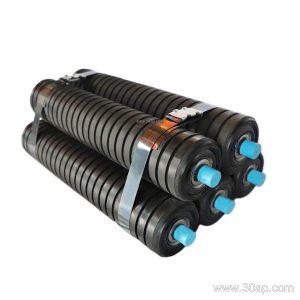
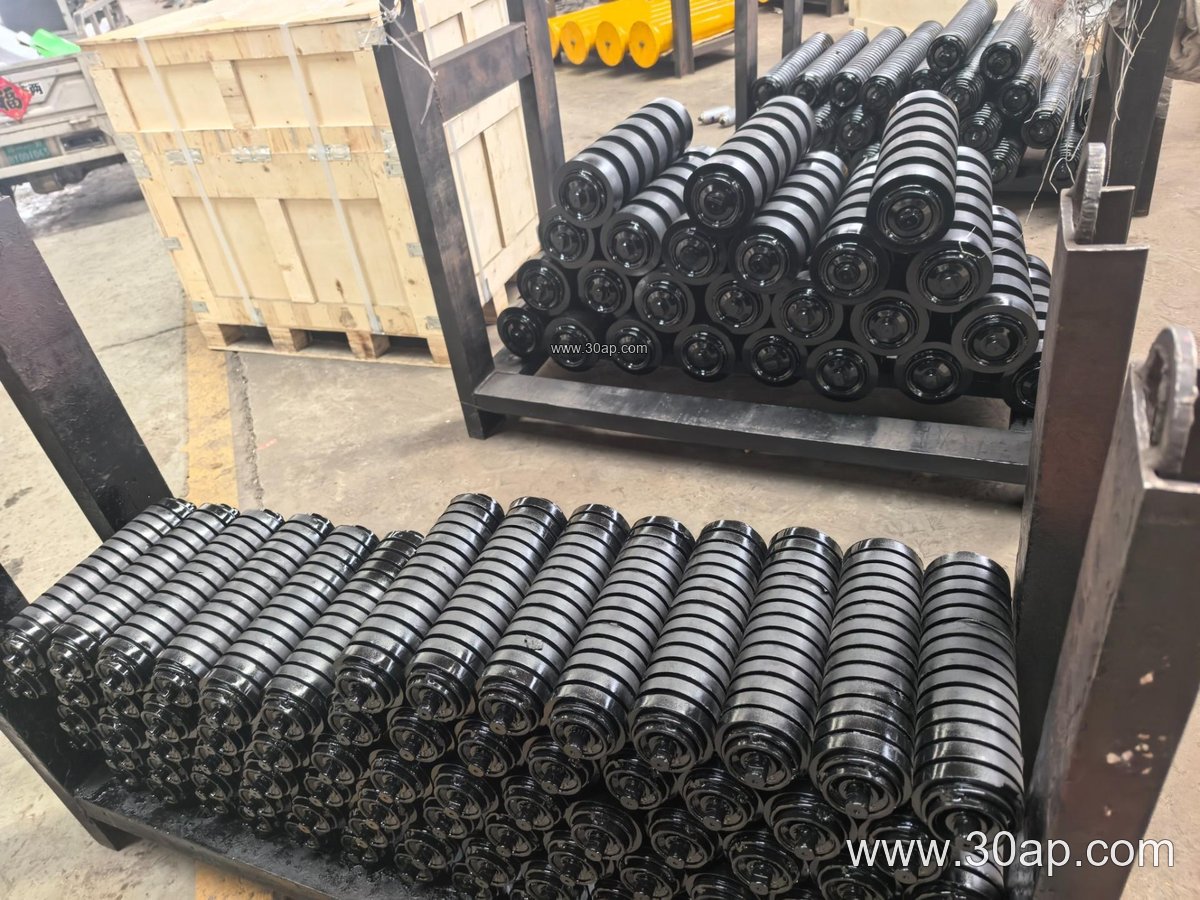
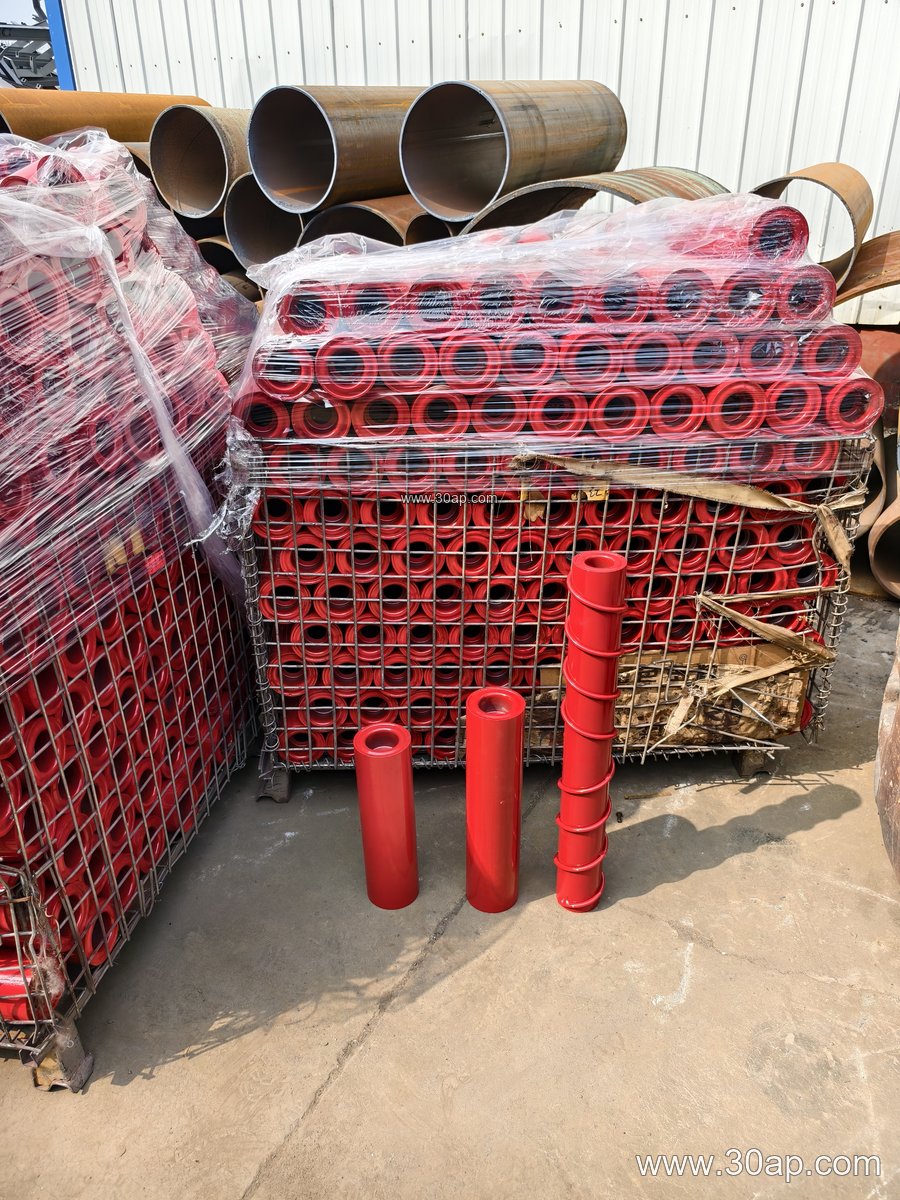
A typical set has two or three rolls mounted in a steel frame, often called a conveyor bracket or idler frame, which is fixed to the conveyor stringer. Three-roll sets are common on wide belts, while two-roll and single-roll designs appear on narrower or special duty conveyors. Each roll is a steel tube fitted with a shaft and bearing housing, sealed at both ends to keep out dust and water. Roll surfaces may be plain steel, nylon, ceramic or rubber rings, depending on whether abrasion, sticking or impact is the main concern.
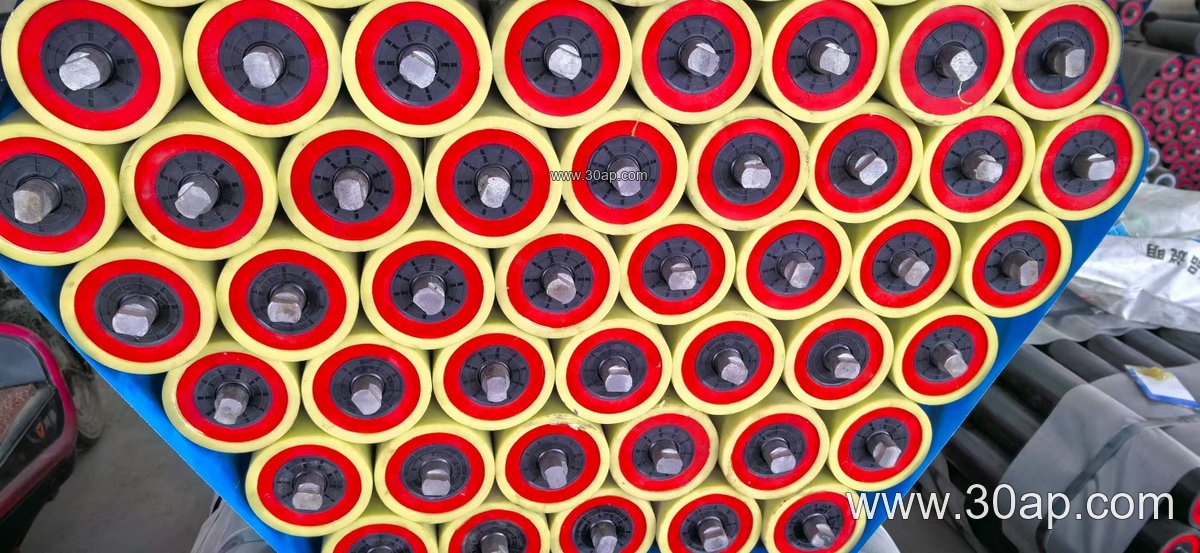
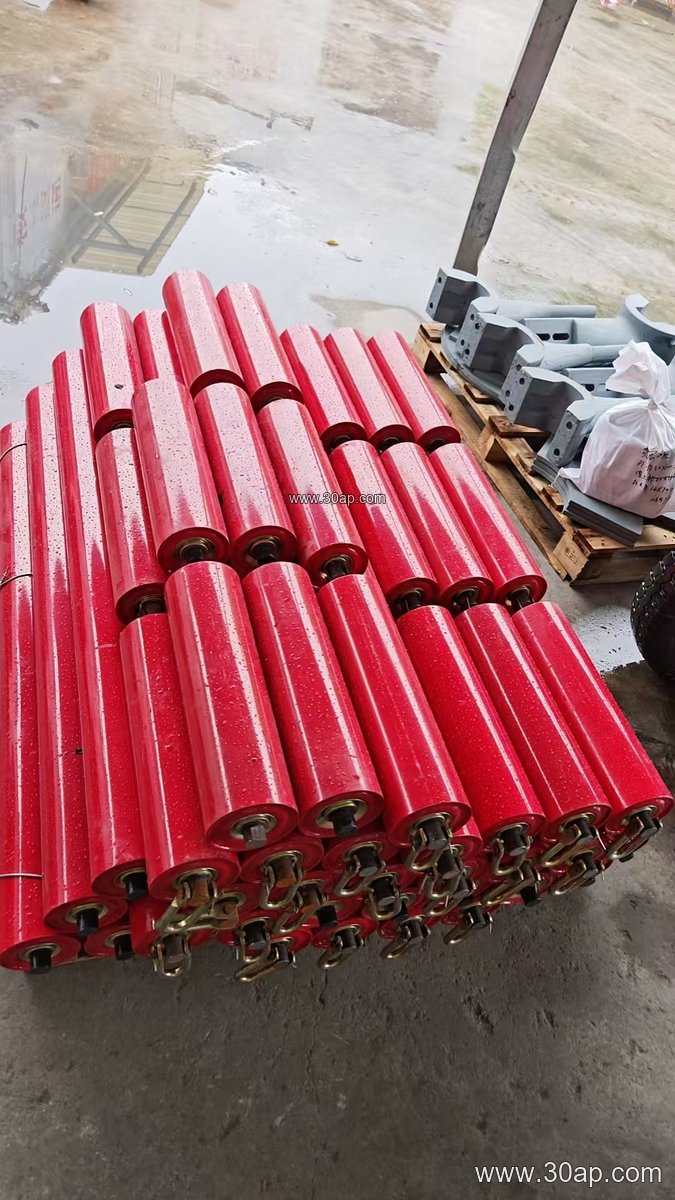
- Rolls: steel tube with pressed or machined end caps
- Bearings: common sizes include 6204, 6205, 6305, 6306, 6308 and 6310
- Frame: welded or bolted steel, with mounting holes matched to the conveyor structure
- Seals: labyrinth or contact seals for dusty service
The trough angle is normally 20, 30, 35 or 45 degrees. A steeper angle gives a deeper material bed and more capacity, but it also raises the load on the belt edges. Some frames are tilted forward by about 1.5 to 2 degrees to help the belt track straight; this is a separate feature from the trough angle itself.
Where Trough Idler Sets Are Used
These sets carry the loaded side of a conveyor belt in almost any bulk handling plant. In a limestone quarry or an aggregate line, they support crushed rock after the crusher and before the screening stage. In a coal washing plant or a power station coal handling system, they keep coal and coke moving steadily. A cement plant uses them on clinker and raw meal routes, and a port terminal relies on them for ship loading conveyors. The belt above them may be a heavy-duty mining conveyor belt, an abrasion resistant conveyor belt or a heat resistant conveyor belt, and the idler set has to suit that belt and the material it carries.
Common Sizes and Matching to Belt Width
Roll diameter and belt width are chosen together with belt speed, load and the conveyor structure. The table below shows common reference values; the final selection is made by the conveyor designer.
| Belt width | Typical roll length, three-roll set | Common roll diameters |
|---|---|---|
| B500 | about 200 mm | Ø63, Ø76, Ø89 |
| B650 | about 250 mm | Ø76, Ø89, Ø102 |
| B800 | about 315 mm | Ø89, Ø102, Ø108 |
| B1000 | about 380 mm | Ø102, Ø108, Ø127 |
| B1200 | about 465 mm | Ø108, Ø127, Ø133 |
| B1400 | about 530 mm | Ø127, Ø133, Ø159 |
| B1600 | about 600 mm | Ø133, Ø159, Ø178 |
| B1800 | about 670 mm | Ø159, Ø178, Ø194 |
| B2000 | about 750 mm | Ø178, Ø194, Ø219 |
Side rolls and center rolls can differ in length, so these figures are examples rather than fixed pairs. One belt width can work with more than one pulley diameter at the drive, and the same applies to idler rolls: the roll diameter is set by load and speed, not by belt width alone.
Types and Where They Fit
The standard carrying set is the troughing idler set. Near the tail or loading point, impact idler sets with rubber rings absorb the drop of material. Transition idler sets ease the belt from a flat pulley into the trough. On the return run, a V return idler set or a flat return idler set supports the empty belt. Self-aligning idler sets, including friction and taper types, correct belt drift on long conveyors. Each has its own role and should not be swapped for another type without checking the belt path.
Buyer Checklist
- Confirm belt width, trough angle and roll diameter before ordering.
- State the material: coal, clinker, iron ore or sand all wear rolls differently.
- Check bearing size and seal type for dusty or wet conditions.
- Ask whether the frame fits the existing stringer spacing and bolt pattern.
- Keep spare rolls and frames for critical conveyors to reduce downtime.
A well-matched trough idler set protects the conveyor belt, keeps the load centered and lowers the power needed to run the line. For more on conveyor components, visit www.example.com/trough-idler-set and compare options for your plant.