What Is an EP1250 Conveyor Belt
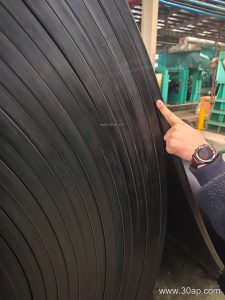
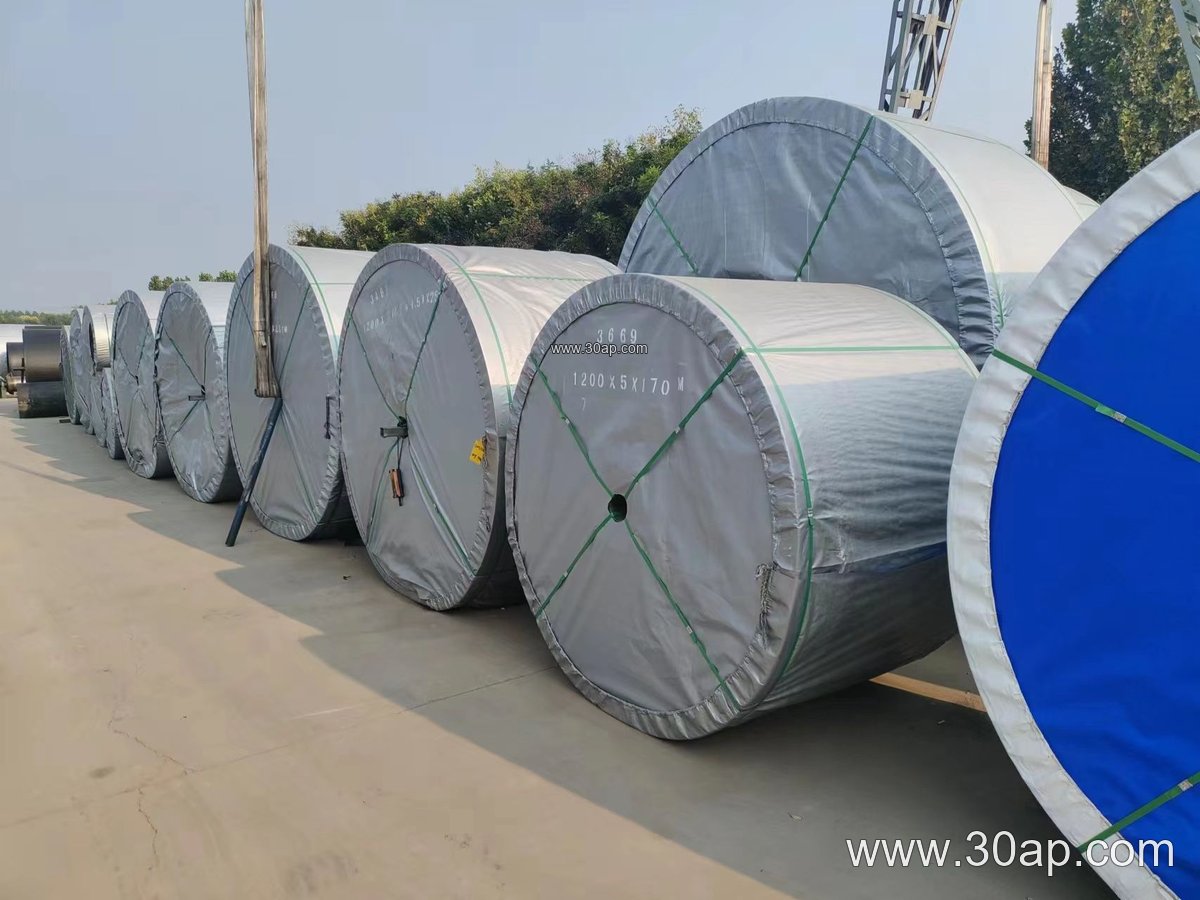
The EP1250 conveyor belt is a heavy-duty fabric-core belt built around polyester (EP) warp and nylon weft cords. The designation EP1250 refers to the belt’s tensile strength class, typically 1250 N/mm, making it a robust choice for high-capacity conveying in industries such as mining, cement, steel, and power generation. This EP rubber conveyor belt is often chosen for main haulage lines where consistent strength and durability are essential.
Construction and Key Components
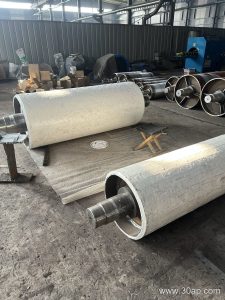
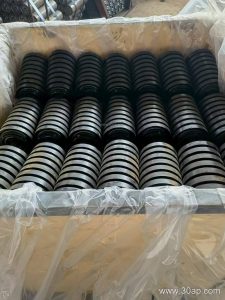
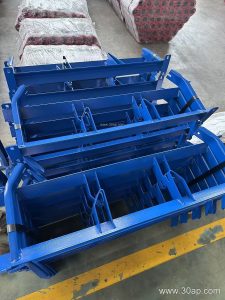
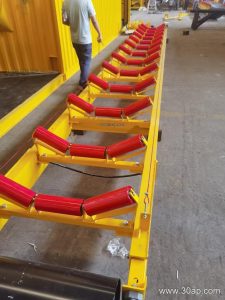
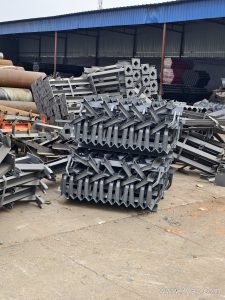
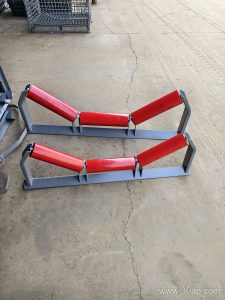
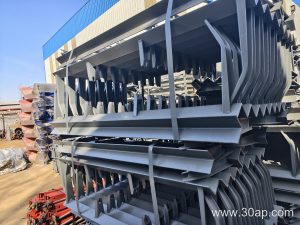
An EP1250 conveyor belt is constructed with multiple plies of EP fabric embedded in rubber. The number of plies commonly ranges from 2 to 6, depending on the required strength and application. The top and bottom cover rubber grades protect the carcass from abrasion, impact, and environmental factors. Standard cover thicknesses might be 4+2 mm, 5+2 mm, or 6+2 mm, but these are specified according to the actual duty. The belt works in harmony with conveyor pulleys, idler rollers, and conveyor brackets to form a complete handling system.
Available Strength Classes and Widths
While EP1250 is the focus, the EP conveyor belt family includes other strength classes such as EP200, EP400, EP630, EP800, EP1000, EP1600, and EP2000. Belt widths are commonly available from 500 mm to 2000 mm, with 1000 mm, 1200 mm, and 1400 mm being frequent choices in bulk material handling. The table below lists typical strength and width options for reference.
| Strength Class | Common Widths (mm) | Typical Cover Thickness (mm) |
|---|---|---|
| EP200 | 500–1200 | 3+1.5, 4+2 |
| EP400 | 650–1400 | 4+2, 5+2 |
| EP630 | 800–1600 | 4+2, 5+2, 6+2 |
| EP800 | 800–1800 | 5+2, 6+2 |
| EP1000 | 1000–1800 | 5+2, 6+2, 8+3 |
| EP1250 | 1000–2000 | 6+2, 8+3 |
| EP1600 | 1200–2000 | 6+2, 8+3 |
| EP2000 | 1400–2000 | 8+3 |
These values are indicative; actual belt design should be confirmed with the manufacturer based on load, speed, and pulley diameters.
Where EP1250 Belts Are Used
Due to their high strength and fatigue resistance, EP1250 conveyor belts are widely employed in quarry conveyor belts, aggregate conveyor belts, and crusher conveyor belts. In the cement industry, they transport clinker and raw materials; in power plants, they handle coal; and in mining operations, they are part of underground mining conveyor belts and ore conveyor belts. The belt’s versatility also extends to port conveyor belts and ship loading conveyor belts where heavy loads are routine.
For environments requiring special properties, variations such as flame retardant conveyor belt, heat resistant conveyor belt, oil resistant conveyor belt, and abrasion resistant conveyor belt are available within the EP framework. These specialized belts ensure safe and efficient operation under harsh conditions.
Selection and Maintenance Tips
When selecting an EP1250 conveyor belt, consider the maximum lump size, material temperature, and the overall conveyor layout. The belt should match the pulley diameters and idler roller spacing to avoid excessive stress. Regular inspection of the belt surface, splices, and edges helps prevent unexpected downtime. Maintaining proper tension and alignment with conveyor pulleys and idler rollers extends belt life.
For high-abrasion applications, a high abrasion resistant conveyor belt grade is recommended. In cold climates, cold resistant conveyor belt compounds prevent cracking. Always consult the belt manufacturer for specific recommendations tailored to your site.
Buyer’s Checklist
- Verify the required strength class and number of plies.
- Confirm belt width and cover thickness for the material being conveyed.
- Check compatibility with existing conveyor pulleys and idler rollers.
- Consider environmental factors: temperature, oil exposure, fire risk.
- Review splice type and available maintenance support.
With its balanced strength and flexibility, the EP1250 conveyor belt remains a dependable solution for demanding bulk material handling tasks across mining, cement, and power sectors.