What a Conveyor Belt Lagged Pulley Does
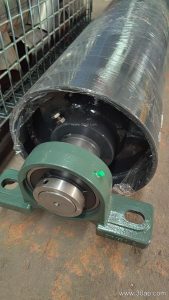
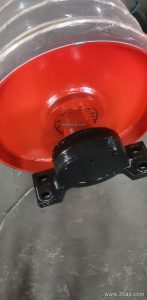
A conveyor belt lagged pulley is a drum with a rubber or ceramic layer bonded to its shell, and it is the part of the conveyor that grips the belt and keeps it tracking. In a quarry or a cement plant, the drive pulley has to transmit torque without slipping, and the lagging is what makes that possible. The lagged surface raises friction between the drum and the belt cover, protects the steel shell from wear, and helps shed water and fine dust.
The same component is often called a rubber-lagged conveyor pulley or a lagged drum pulley. Drive, tail, and bend positions are not interchangeable, so the lagging specification should always match the duty of the station where the pulley is installed.
How the Lagging Is Built
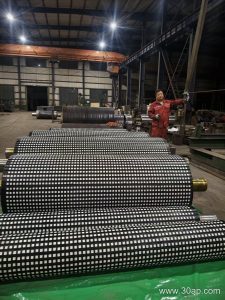
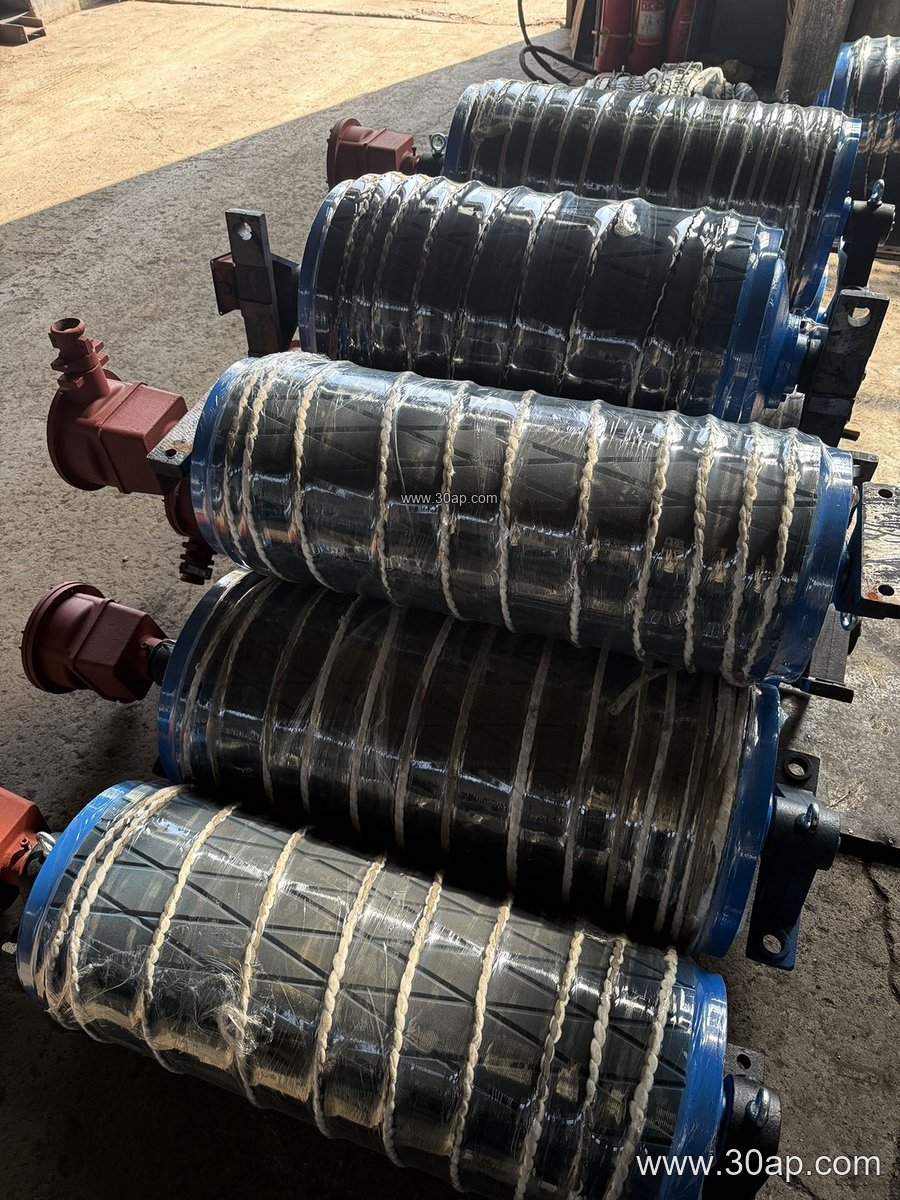
The shell is usually a rolled steel cylinder with welded end discs and a shaft, and the lagging is applied on top. Common surface forms include plain rubber, diamond grooved rubber, herringbone rubber, and ceramic tile. Rubber lagging is typically bonded by hot vulcanization or cold adhesive, and thickness commonly falls between 8 mm and 20 mm depending on the load.
- Plain lagging: smooth grip for general bulk conveying
- Diamond lagging: better water drainage and slip resistance
- Herringbone lagging: self-cleaning in wet or sticky material
- Ceramic lagging: high wear resistance at high-torque drive stations
Grooving has to be cut or molded carefully, because an uneven pattern causes belt tracking problems. The bond between rubber and steel matters as much as the rubber itself; a loose edge will peel once the pulley sees full torque.
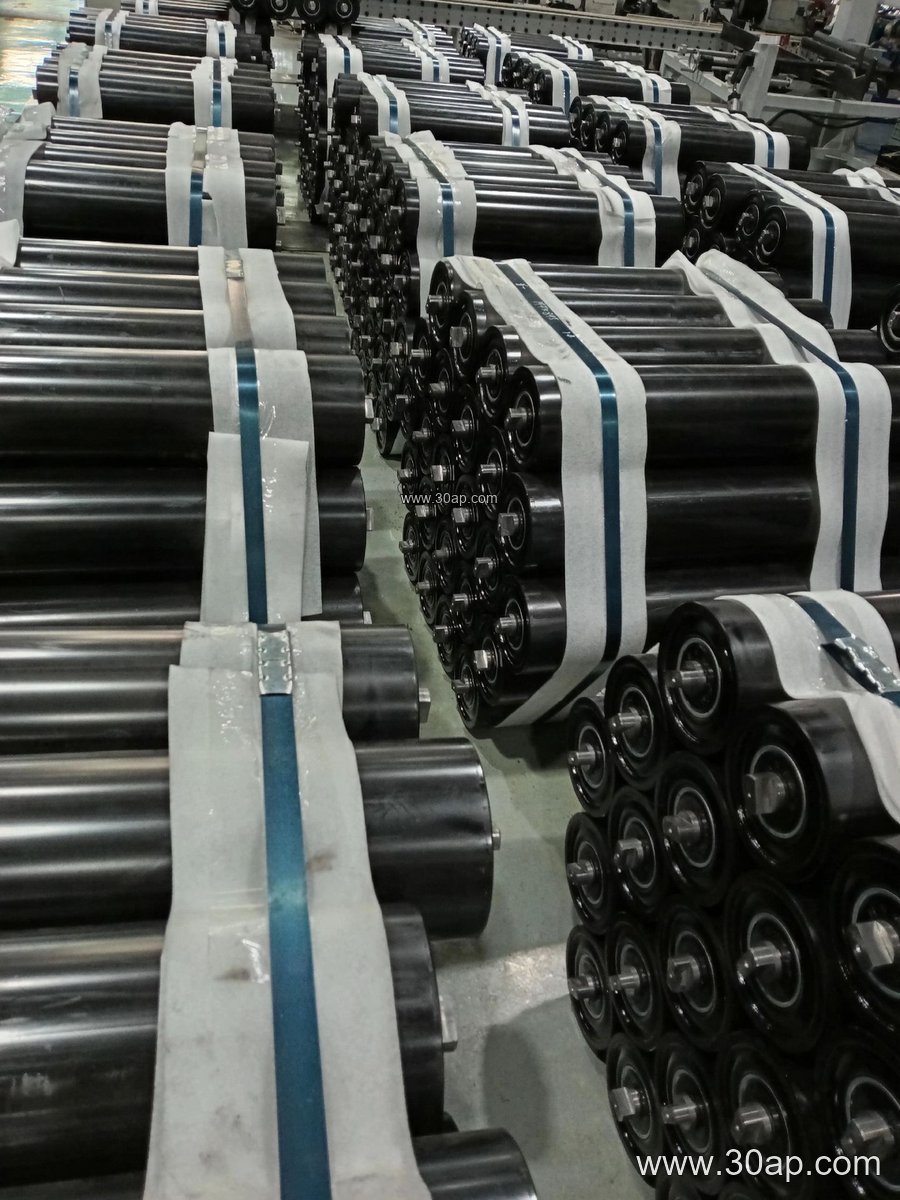
Where It Fits on the Conveyor
The lagged conveyor pulley is most often the drive pulley at the head of the conveyor, where it pulls the belt and carries the highest tension. In a coal handling system or a power plant coal yard, lagging also reduces slip when the belt is damp. At a limestone crusher discharge, a lagged head pulley helps the belt run straight after heavy impact loading.
The tail pulley is usually open or lightly lagged because it only redirects the belt, while a bend pulley changes direction without driving. A snub pulley increases wrap angle around the drive drum, and its lagging is chosen for the added contact pressure. For comparison, a plain tail pulley may be perfectly adequate where a lagged drive pulley is essential.
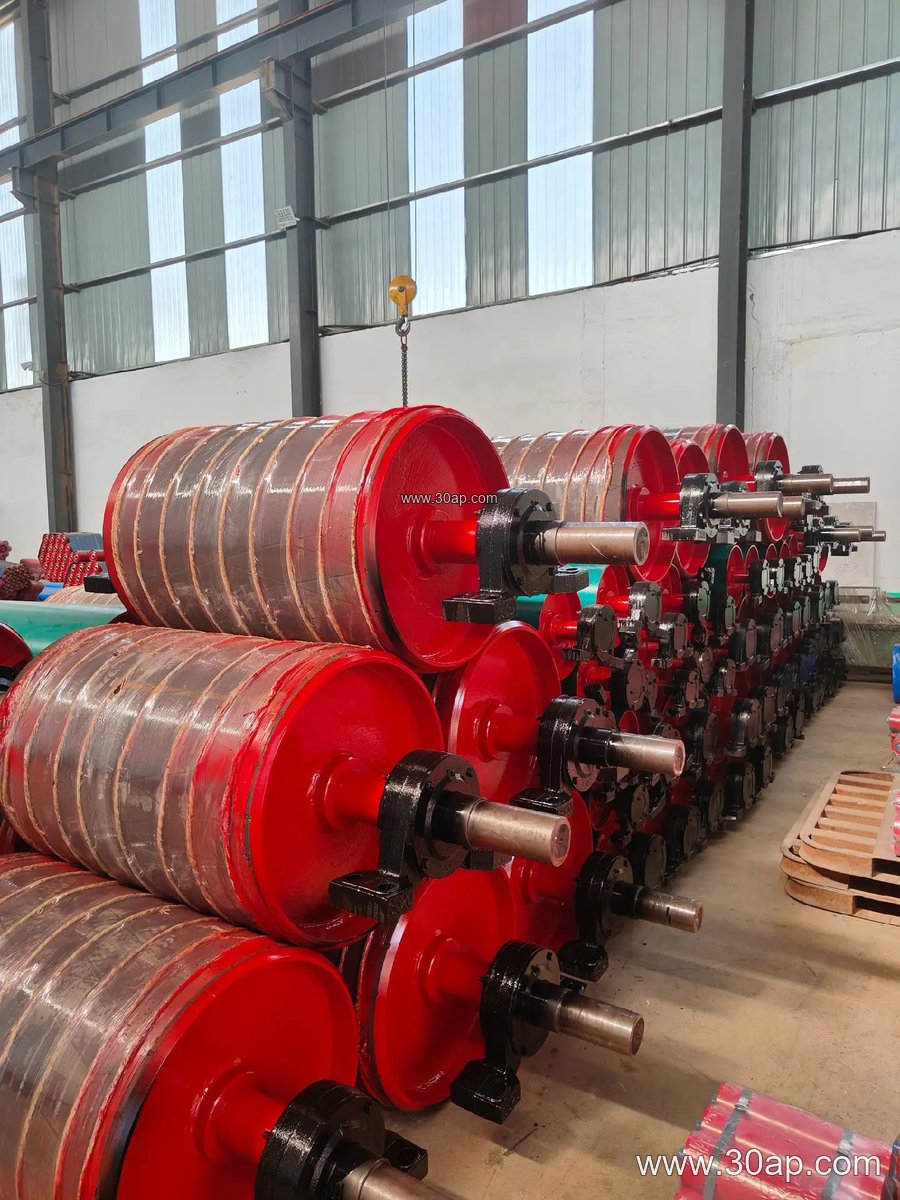
Matching Lagging to the Belt and the Load
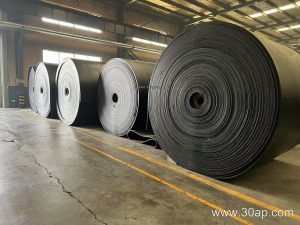
The belt itself influences lagging choice. A heavy-duty mining conveyor belt carrying iron ore or copper ore needs a drive pulley with strong grip and thick lagging, while an abrasion resistant conveyor belt on a gravel line may run with diamond rubber. A flame retardant conveyor belt used in underground coal mining calls for lagging that meets the same fire-safety expectations. Where a steel cord conveyor belt carries high tension, the drive pulley diameter and lagging hardness should be reviewed together.
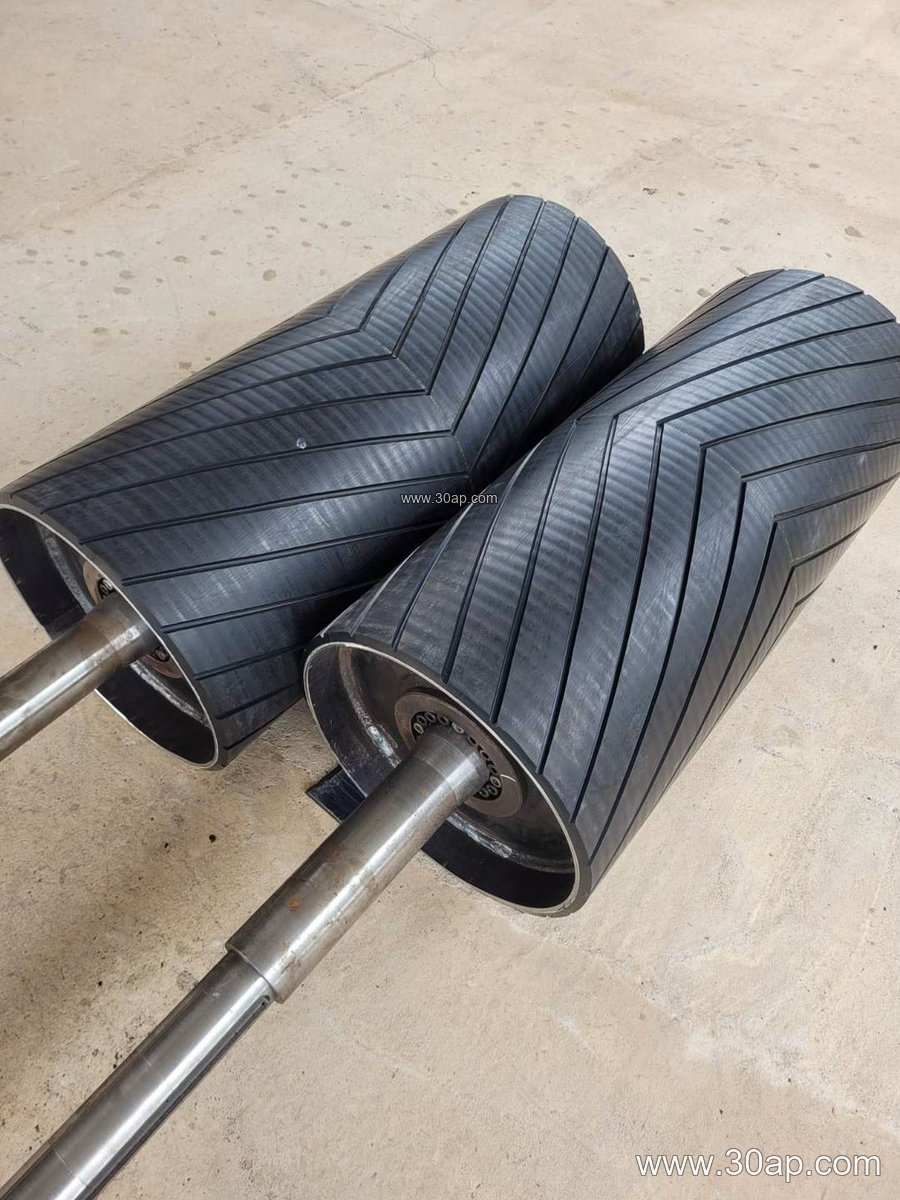
Belt width and pulley diameter are related by design, not by a fixed rule. A B800 conveyor might use a Ø500 pulley in one layout and a larger drum in another, and shaft diameter is set by torque and bearing load rather than by belt width alone.
Common Reference Dimensions
The values below are typical reference points, not universal specifications. Final sizes should be confirmed against the conveyor design.
| Belt width | Typical pulley face width | Example diameter |
|---|---|---|
| B500 | about 600 mm | Ø400 |
| B650 | about 750 mm | Ø500 |
| B800 | about 950 mm | Ø500 to Ø630 |
| B1000 | about 1150 mm | Ø630 to Ø800 |
| B1200 | about 1400 mm | Ø800 to Ø1000 |
| B1400 | about 1600 mm | Ø800 to Ø1250 |
| B1600 | about 1800 mm | Ø1000 to Ø1250 |
Lagging thickness is commonly 8, 10, 12, 15, or 20 mm. Shaft diameters are often in the range of Ø80 to Ø200 for these sizes, selected by calculation.
Buyer Checklist
- Confirm the pulley position: drive, tail, bend, snub, or take-up
- State belt width, belt type, and maximum working tension
- Specify lagging form, hardness, and thickness
- Provide shaft size, bearing type, and bracket interface
- Check balance and runout requirements for high-speed drums
- Plan inspection of lagging wear during scheduled shutdowns
At sites such as a sand and aggregate plant or a cement clinker line, keeping a spare lagged pulley shortens downtime when the drive drum starts to slip. Checking lagging thickness and groove depth at every maintenance window is a simple habit that protects both the pulley and the conveyor belt.