What an Iron Ore Conveyor Belt Has to Handle
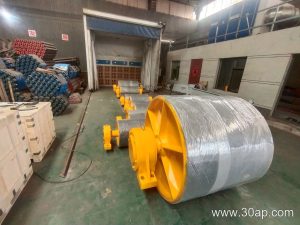
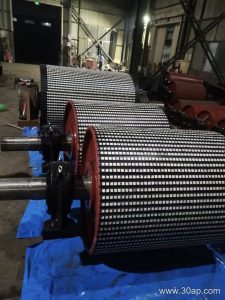
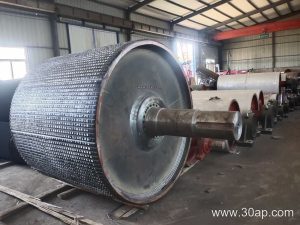
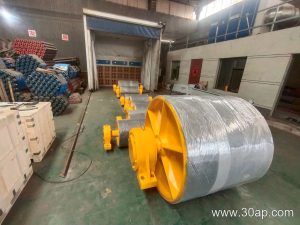
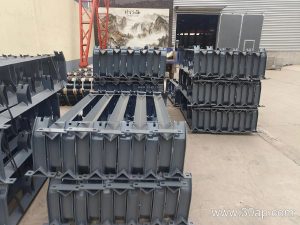
An iron ore conveyor belt is the load-carrying element on a bulk handling line that moves crushed or screened ore from a primary crusher, stockpile or transfer point to a screening plant, ship loader or rail loading station. Iron ore is dense, sharp-edged and often wet, so the belt must resist cutting, gouging and high impact at the loading point while keeping good troughability on the carrying run. In practice, the ore conveyor belt is chosen as a system: the belt, the idler roller sets, the conveyor pulley at drive and tail positions, and the conveyor bracket frames all work together, and none of them should be selected in isolation.
Construction and Common Belt Types
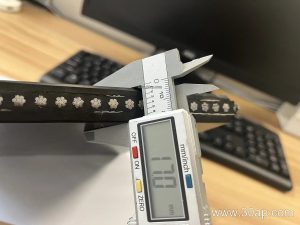
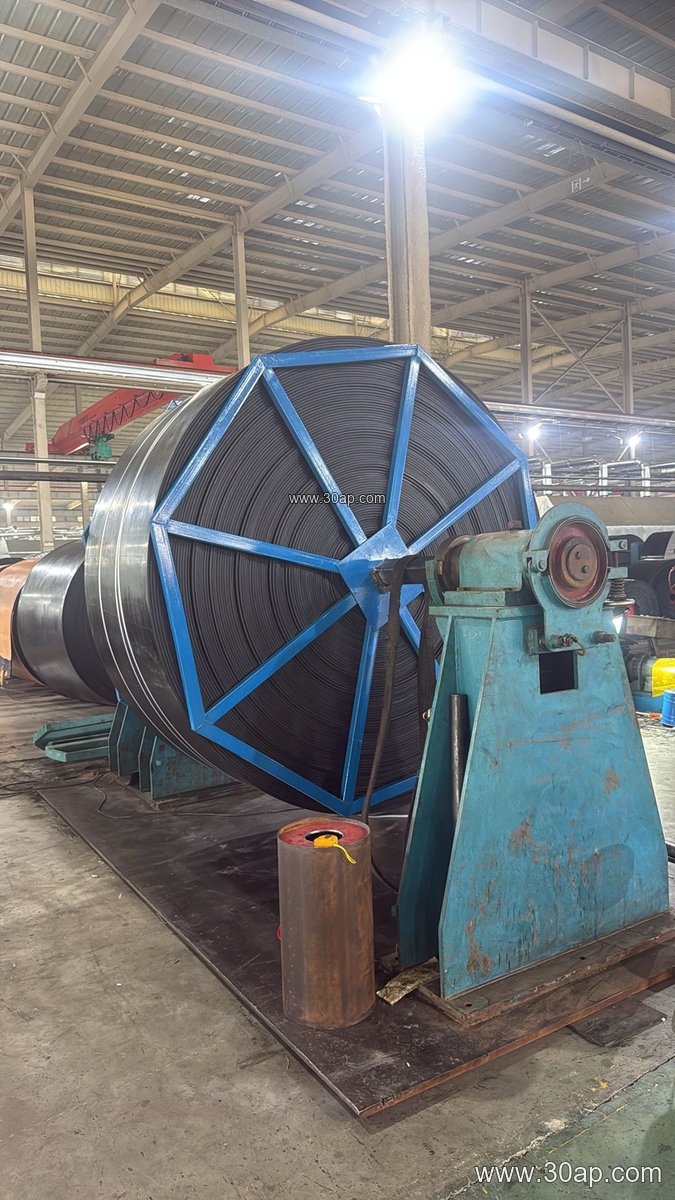
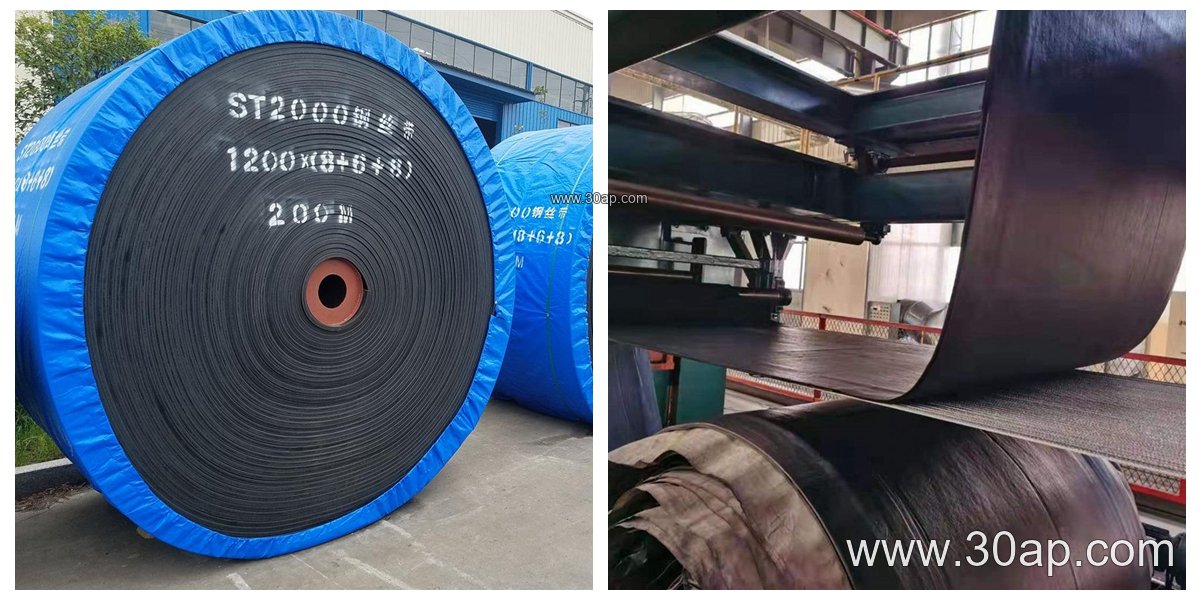
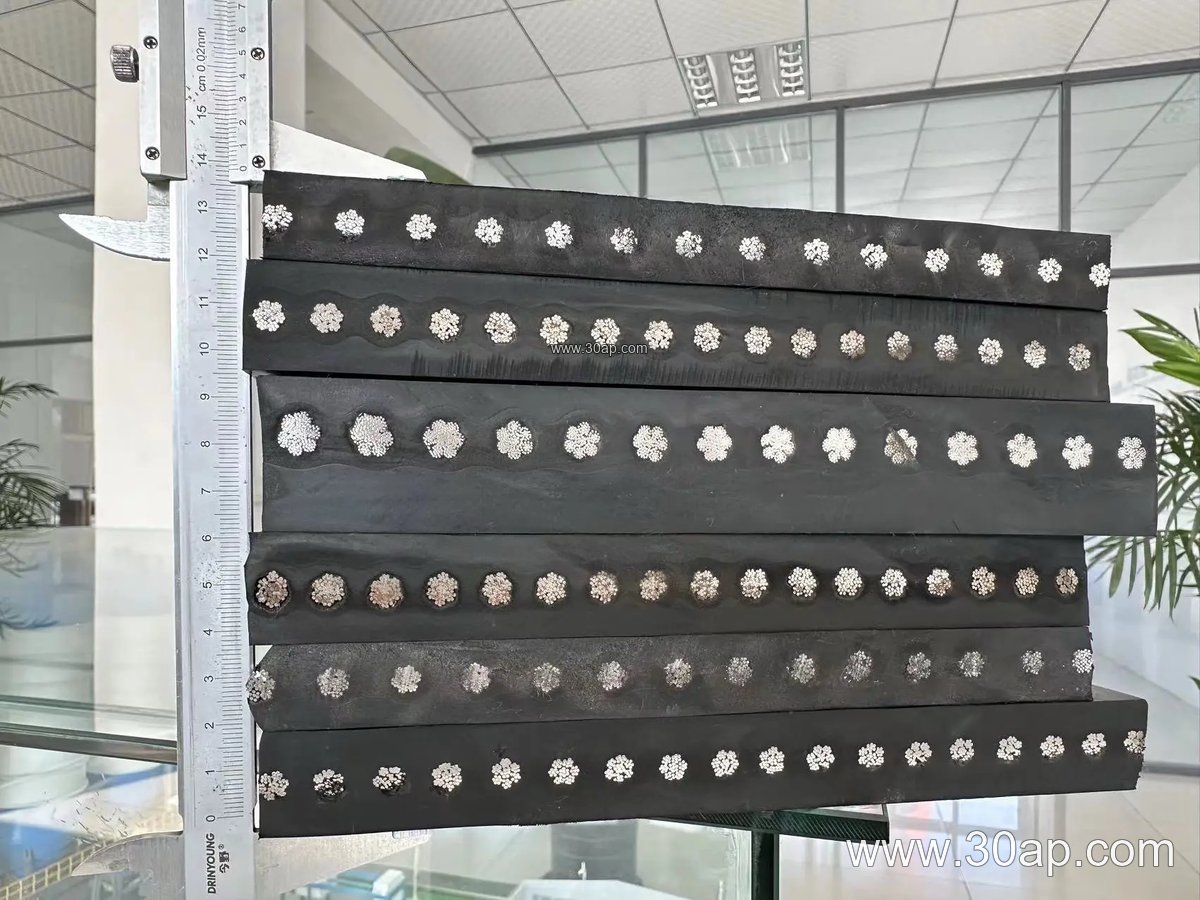
Most iron ore duties are served by a heavy-duty conveyor belt with a fabric core or a steel cord core. Fabric constructions are widely used in plant and yard conveyors, while steel cord belts suit long overland lines and high tension. A rubber cover protects the carcass; the top cover is usually thicker than the bottom cover because the ore side takes the wear.
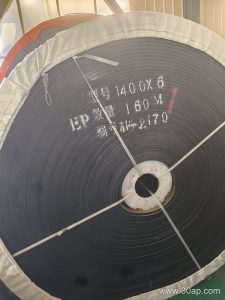
- EP conveyor belt: polyester-polyamide carcass, common in plant and stockyard conveyors.
- NN conveyor belt: nylon-nylon carcass, good fatigue behaviour on flexing routes.
- Steel cord conveyor belt: high tensile strength for long distances and steep lifts.
- Multi-ply fabric core belt: several plies for heavy loading and impact.
Where the profile needs to hold material on an incline, a chevron conveyor belt or a corrugated sidewall belt with cleats can be considered. For enclosed routing, a pipe conveyor belt keeps the ore inside the tube and reduces spillage. Heat resistant, oil resistant, abrasion resistant and flame retardant grades are available when the duty calls for them; in underground work, flame retardant and anti-static properties are often specified together.
Typical Sizes and Cover Grades
Belt width and strength follow the conveyor design, not a fixed rule. Common widths in ore handling include B800, B1000, B1200, B1400 and B1600, with wider belts used on high-capacity trunk lines. Fabric belt strength grades such as EP200, EP400, EP630 and EP1000 appear in plant conveyors, while steel cord grades like ST1250, ST1600 and ST2000 serve long-haul duties. Cover thickness is usually expressed as top plus bottom, for example 6+2 mm or 8+3 mm for abrasive ore.
Reference data for early planning
| Item | Common range |
|---|---|
| Belt width | B800 to B2000 |
| Fabric plies | 2 to 6 |
| Cover thickness | 4+2 mm up to 8+3 mm |
| Strength grades | EP200 to EP2000; ST1000 to ST3150 |
These values are references only; the final specification is set by the conveyor designer after checking tension, take-up travel and pulley loading.
Where It Runs
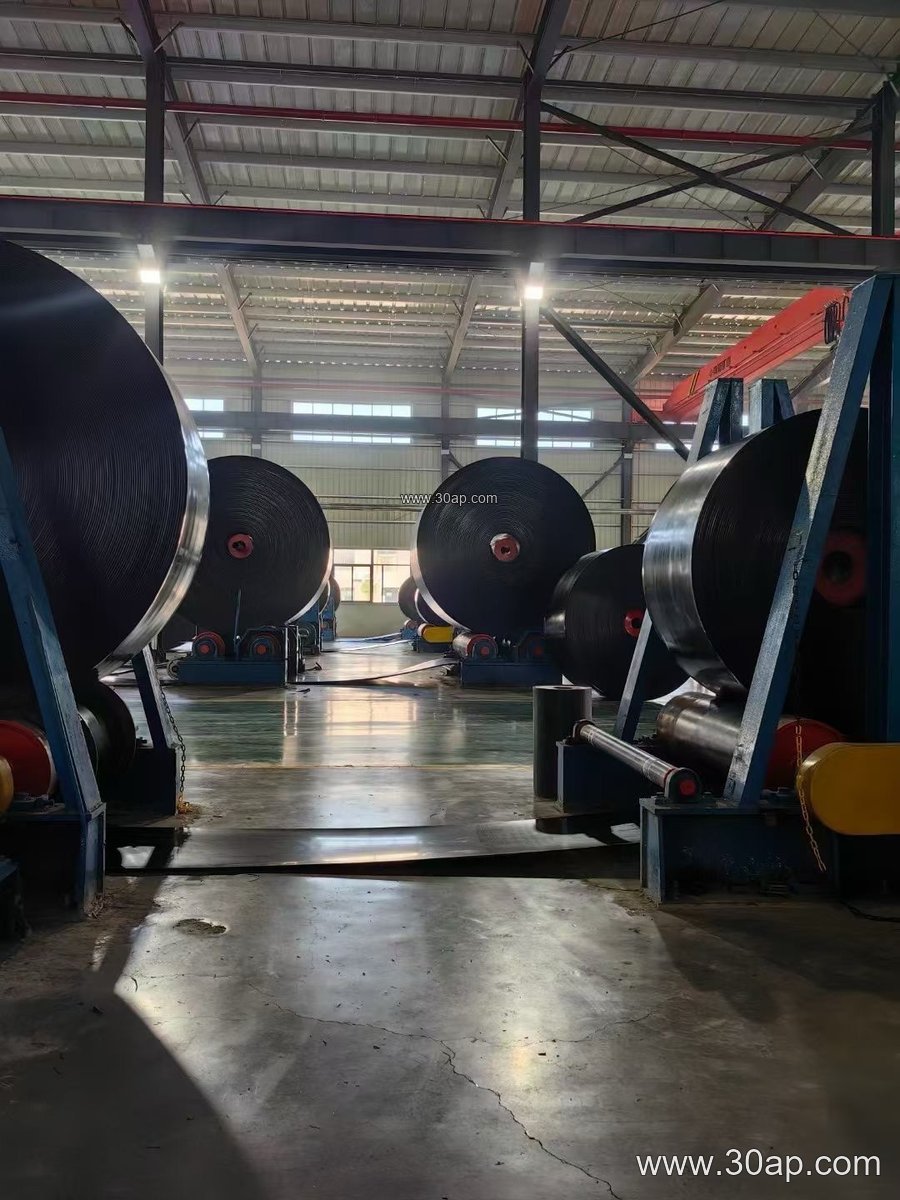
Iron ore conveyors appear in mining operations, crushing and screening plants, pellet plants, ports and ship loading systems, and steel plant raw material yards. Similar heavy-duty belts handle copper ore, gold ore, quarry rock and aggregate. In cement plants, coal yards and power plant fuel handling, flame retardant and abrasion resistant grades are common. Whatever the site, the belt is supported by idler rollers on the carrying side and return side, driven through a conveyor pulley with lagging, and held in line by conveyor brackets and frames.
Buyer Checklist
- Describe the ore: lump size, moisture, temperature and whether oil or chemicals are present.
- Confirm design tension and pulley diameters before fixing the carcass type.
- Match cover grade to abrasion and impact, not to price alone.
- Check transitions and loading chutes; impact idlers and skirt rubber reduce edge damage.
- Ask for the splice method and the recommended spare length.
For a quotation, buyers can visit https://www.beltconveyorspare.com/iron-ore-conveyor-belt and send the duty description together with the required width and strength grade. A well-matched ore conveyor belt, supported by the right idler roller and pulley arrangement, keeps a mine or port line running with fewer stoppages.