Why the Idler Roller Determines Conveyor Lifespan
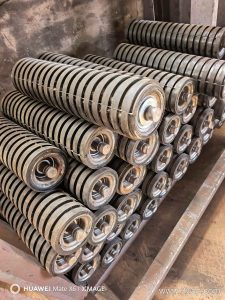
The idler roller, though seemingly simple, is the critical component that supports both the belt and the material load. A poorly chosen idler roller leads to belt misalignment, premature wear, and costly downtime. For industrial buyers, understanding the role of the idler roller is the first step toward optimizing your entire bulk handling system.
Key Specifications for Purchasing
When evaluating an idler roller, focus on three core parameters: shell diameter, bearing type, and sealing efficiency. Diameter must match your belt width and load density—larger diameters reduce belt sag but increase cost. Sealed ball bearings with labyrinth or contact seals resist dust and moisture, extending service life in harsh environments.
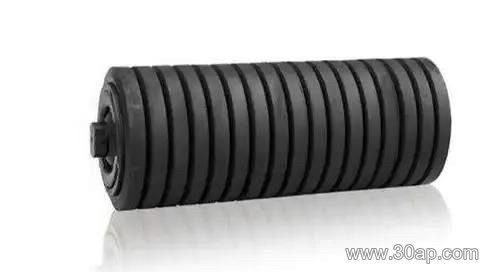
- Verify troughing angle (20°, 35°, or 45°) to match your conveyor frame.
- Choose steel or HDPE shells based on impact resistance and corrosion needs.
- Check shaft end options (round, threaded, or quick-change) for maintenance ease.
Practical Advice for Replacement and Upgrades
Always rotate spare idler rollers to avoid flat spots. For high-abrasion materials, opt for rubber-disc idler rollers to reduce belt wear. When replacing, measure the existing roller’s exact length and bearing centers—never guess. Ask suppliers for load rating (static and dynamic) and confirm compliance with CEMA or ISO standards. A small investment in quality idler rollers pays back through reduced friction and energy consumption.
Why the Conveyor Pulley Defines System Performance
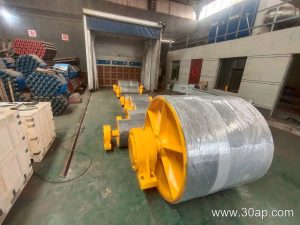
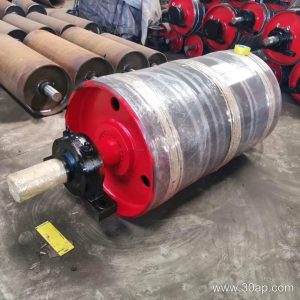
The conveyor pulley is not just a rotating cylinder; it is the structural and mechanical heart of any belt conveyor. It drives the belt, maintains tension, and changes direction—failures here cause costly downtime. When specifying, prioritize the pulley’s diameter, face width, and shaft design based on belt speed, load, and wrap angle.
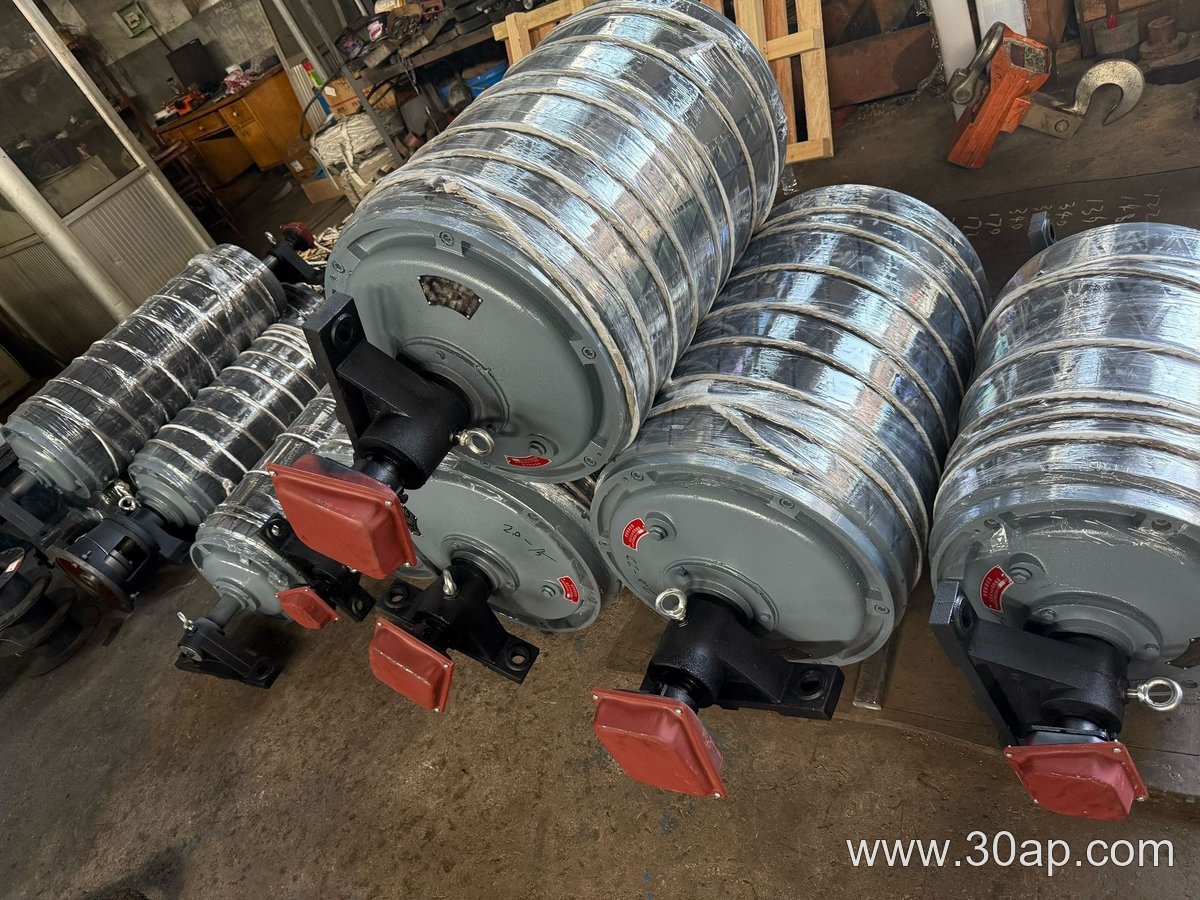
Types and Material Choices
- Drive pulleys: Lagged with rubber or ceramic for traction; choose for high-torque starts.
- Bend and tail pulleys: Use crowned faces to self-center the belt; select steel or engineered plastic for corrosive environments.
Purchasing Advice
- Verify the pulley’s critical speed against your RPM to avoid vibration.
- Request finite element analysis (FEA) reports for shaft deflection and stress.
- Specify sealed bearings and proper lubrication points to extend service life under dust or moisture.
- Always match pulley diameter to belt type and minimum bend radius per manufacturer guidelines.
For replacement, measure existing hub and bushing systems—standardizing on a keyless locking assembly simplifies future maintenance. A correctly engineered conveyor pulley reduces energy consumption and prevents belt slippage, making it your best investment in uptime.
What Is a Conveyor Bracket and Why It Matters
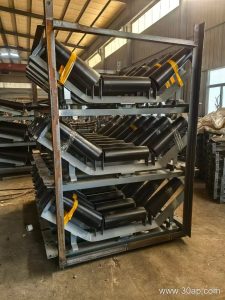
A conveyor bracket is the structural mounting component that secures idler rollers, return rollers, and impact beds to the conveyor frame. Without a properly engineered bracket, belt tracking fails, vibration accelerates, and downtime multiplies. For industrial buyers, the bracket’s material grade, bolt pattern, and load rating determine system longevity.
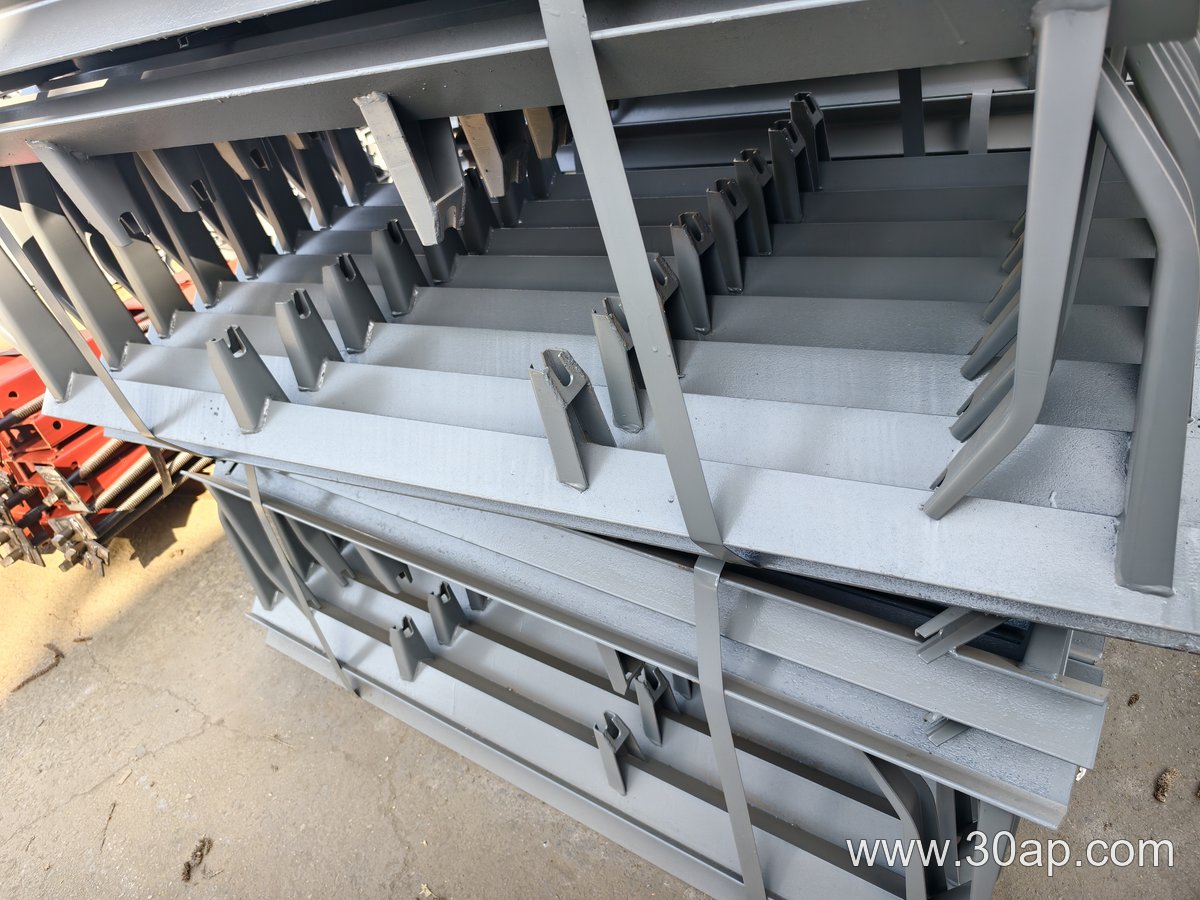
Selecting the Right Conveyor Bracket
- Material: Choose galvanized steel for corrosive environments or stainless steel for food-grade washdowns.
- Load capacity: Always match the bracket’s static and dynamic rating to your belt speed and material weight.
- Adjustability: Slotted mounting holes allow quick belt alignment without frame modifications.
- Compatibility: Verify the bracket’s center distance and roller shaft diameter against your existing idler set.
Purchasing Advice for Maintenance Teams
Order spare brackets with the same part number as installed units. Request a sample for test fitting if you retrofit a used conveyor. Inspect weld seams and edge burrs before acceptance—these are common failure points. For high-angle or heavy-impact zones, specify reinforced brackets with extra gussets. Finally, confirm the supplier offers dimensional drawings to avoid mismatched hole patterns during replacement.
Conveyor Belt Selection: The Backbone of Material Handling
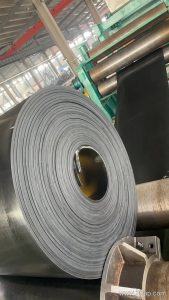
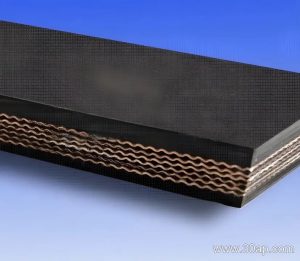
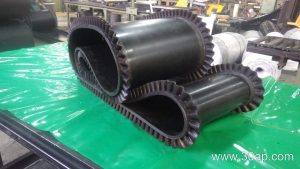
A conveyor belt is more than a moving surface—it determines throughput, safety, and operating cost. Selecting the wrong belt leads to downtime and premature wear.
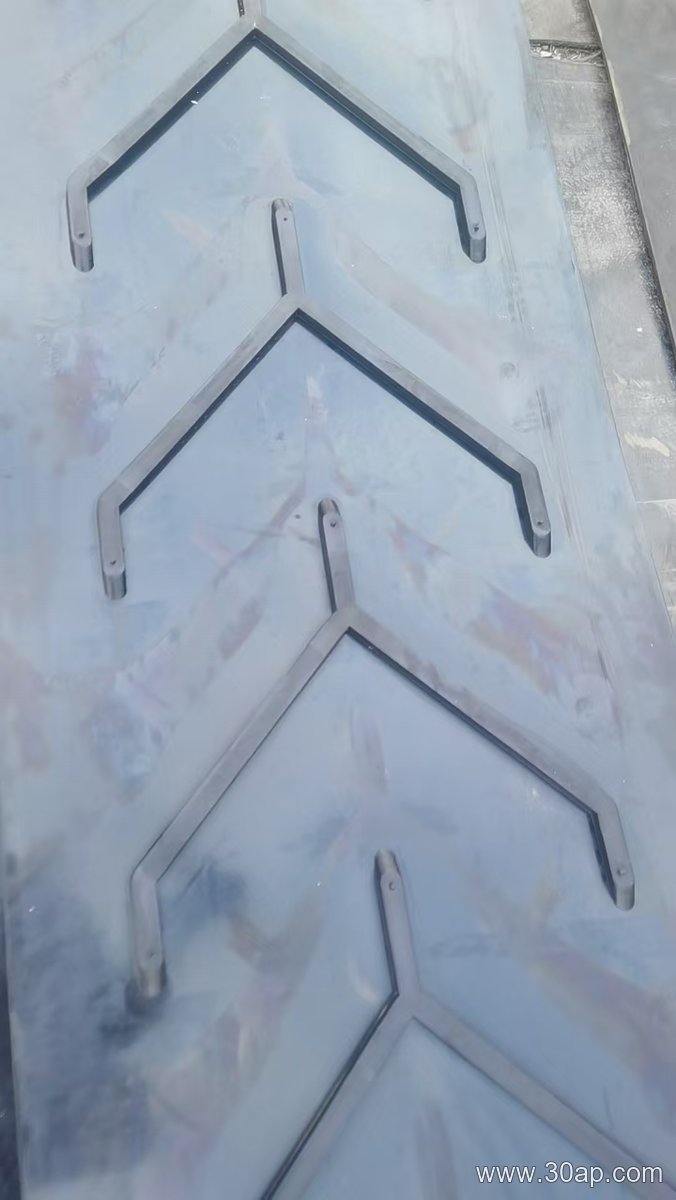
Key Factors Before You Buy
- Material type: abrasive, oily, or hot loads require specific covers (e.g., rubber, PVC, or steel cord).
- Load weight and speed: calculate belt tension and required ply or carcass strength.
- Environment: consider temperature, humidity, chemicals, and outdoor UV exposure.
- Belt jointing method: mechanical fasteners vs. vulcanized splicing—vulcanized offers smoother running.
Practical Purchasing Advice
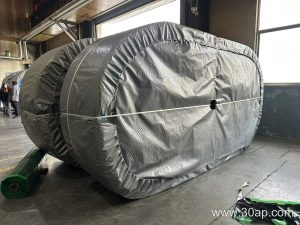
Always request belt thickness, elongation, and friction data from the supplier. Test the belt under your actual load conditions. Buy from a manufacturer that offers on-site splicing and 24-month warranty. Also, stock one spare belt in your top size—it cuts emergency downtime by days.