What a Double-Row Return Idler Does on a Conveyor
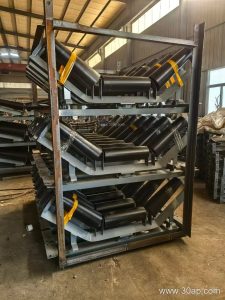
The Double-Row Return Idler is a return-side support roller that uses two rows of rollers to carry the empty conveyor belt back to the tail end. Instead of a single flat roller under the belt, this idler roller features two parallel rows mounted on a common frame, which helps keep the belt centered and reduces the chance of belt wander on the return run. In quarry and aggregate operations, where belts often run long distances, this design can improve tracking and extend belt life.
The double-row arrangement is especially useful where the return belt may be misaligned by material buildup or uneven loading. By contacting the belt across a wider area, the idler roller distributes support more evenly than a single return roller. This can reduce edge wear and help maintain tension across the belt width.
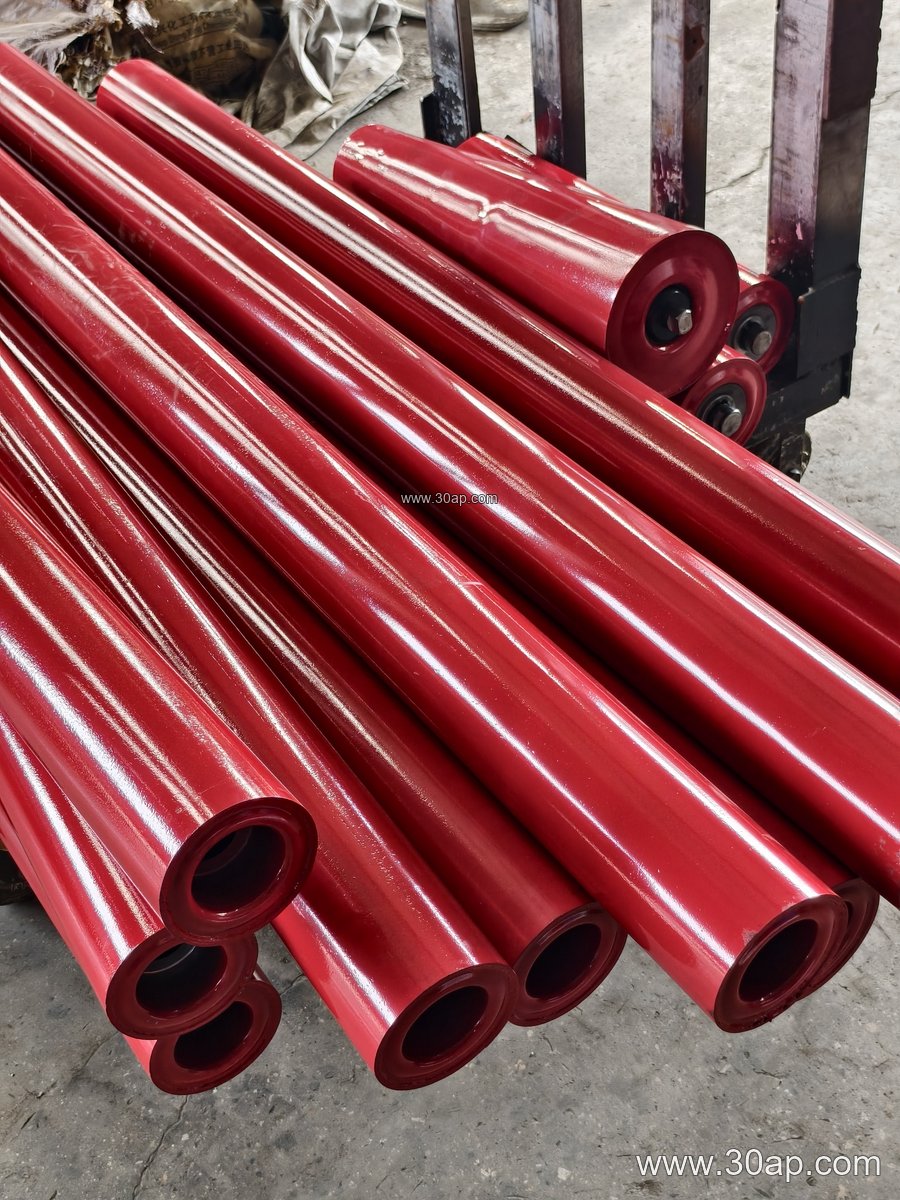
Construction and Common Configurations
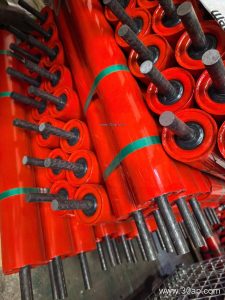
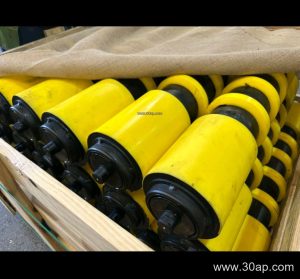
A typical Double-Row Return Idler consists of two roller shells mounted on a shared shaft or separate shafts fixed to a conveyor bracket. The rollers may be made of steel tube, nylon, or rubber-covered steel, depending on the environment. Bearing sizes are selected to match the load and speed; common bearing numbers include 6204, 6205, 6305, and 6306, but the exact choice depends on the roller diameter and application.
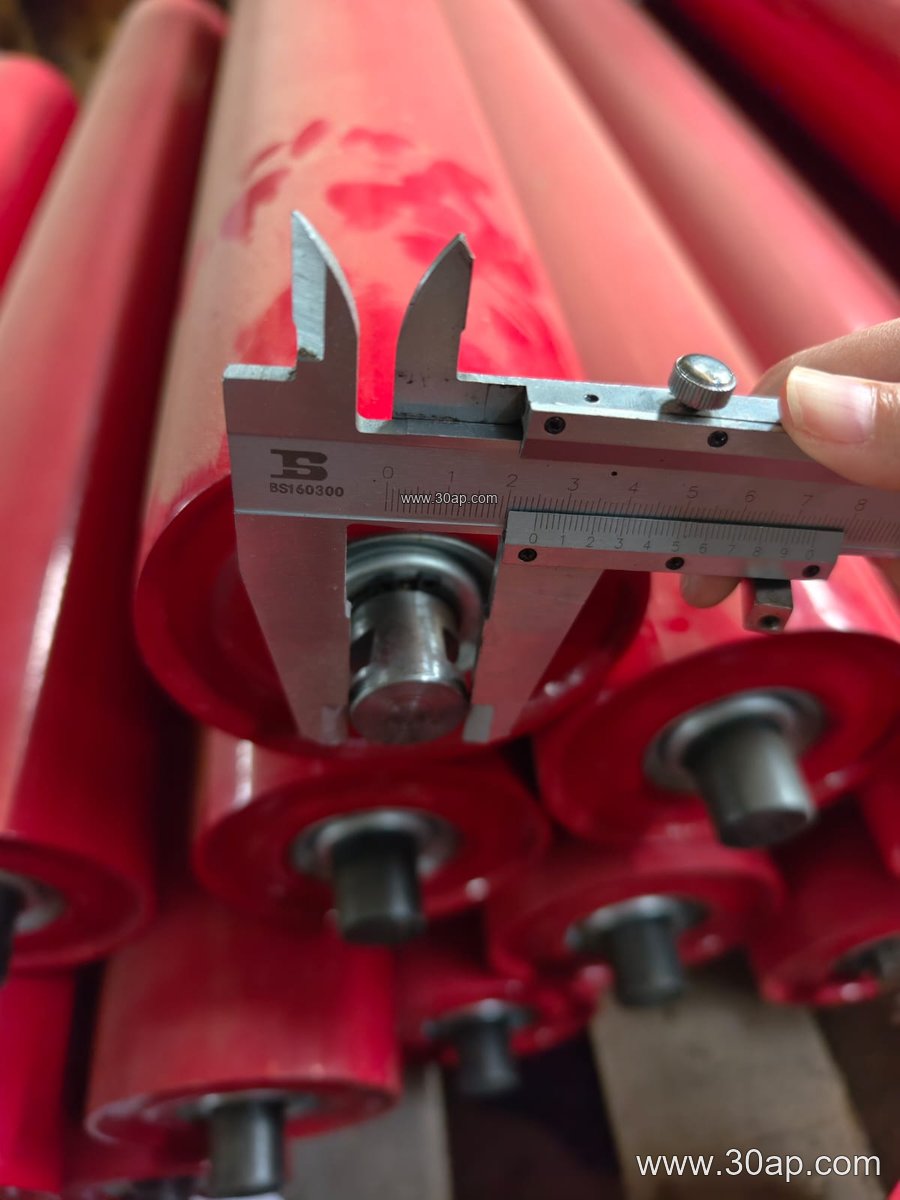
Roller diameters for return idlers are often in the range of Ø89, Ø102, Ø108, Ø127, and Ø133 mm. Belt widths from B500 to B1800 are commonly supported, with roller lengths adjusted to the belt width and frame design. For example, a B800 belt might use a return idler with a roller length around 315 mm, while a B1200 belt might use about 465 mm. These are typical references, not fixed rules, and the final dimensions are determined by the conveyor design.
Typical Reference Dimensions
| Belt Width | Common Roller Length (approx.) | Common Roller Diameter |
|---|---|---|
| B500 | 200 mm | Ø89–Ø108 mm |
| B650 | 250 mm | Ø89–Ø108 mm |
| B800 | 315 mm | Ø108–Ø127 mm |
| B1000 | 380 mm | Ø108–Ø133 mm |
| B1200 | 465 mm | Ø127–Ø133 mm |
| B1400 | 530 mm | Ø133–Ø159 mm |
| B1600 | 600 mm | Ø133–Ø159 mm |
| B1800 | 670 mm | Ø159–Ø178 mm |
Note that the values above are common examples. The actual roller length and diameter should be confirmed with the conveyor manufacturer or idler supplier, as they depend on belt width, trough angle, and frame geometry.
Where Double-Row Return Idlers Are Used
These return idlers are found in bulk material handling systems across many industries. In a sand and gravel plant, they help keep the return belt aligned after the discharge point, where material spillage can cause tracking problems. In a coal washing plant, the double-row design can tolerate some carryback and still maintain stable belt support. They are also used in cement plants, power plant coal handling, and iron ore operations where reliability and low maintenance are important.
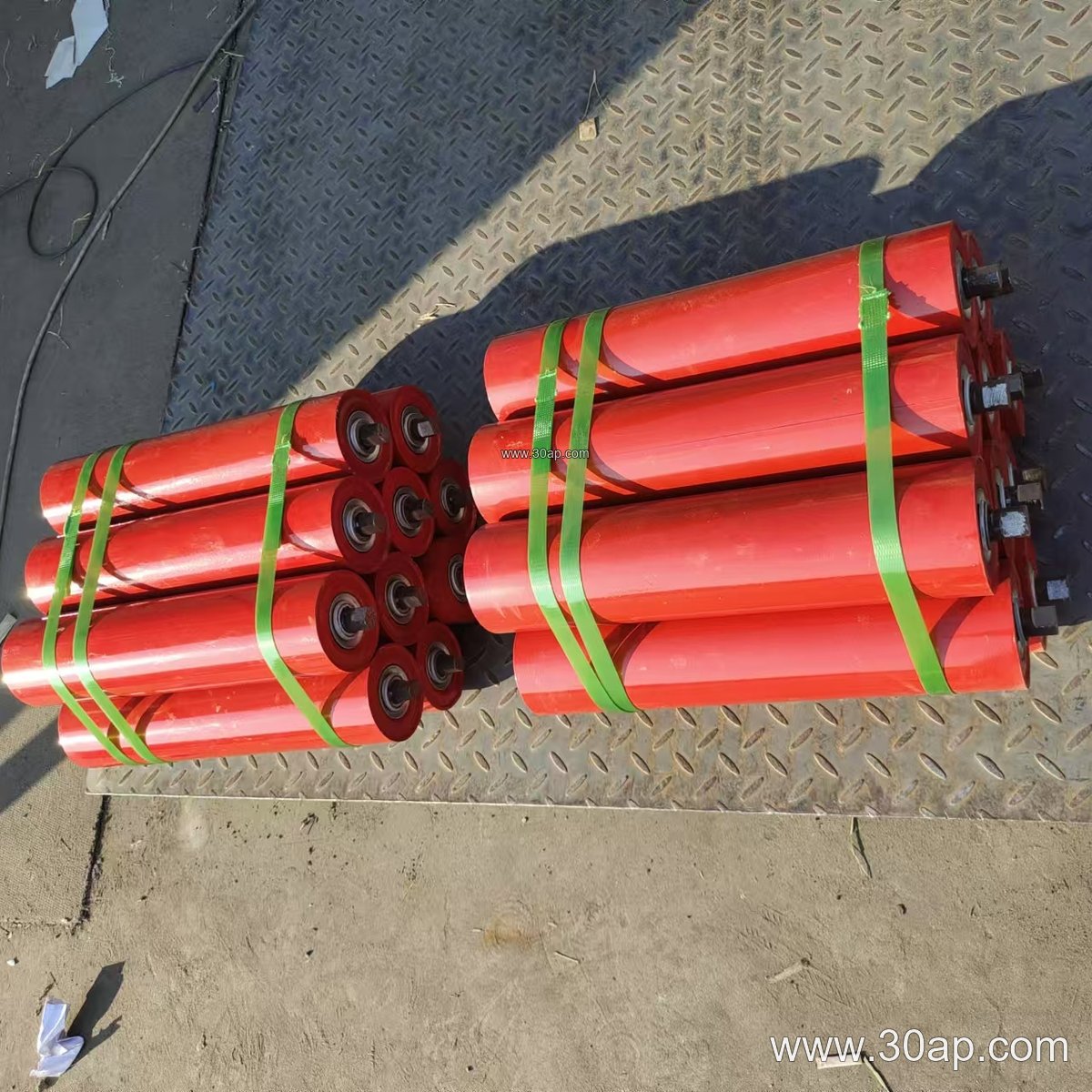
While the Double-Row Return Idler is the main focus here, it is worth noting that other return idler types exist, such as the V-type return idler, which uses angled rollers to center the belt. The double-row design offers a different approach by providing two parallel rows of support, which can be beneficial on wider belts or where the belt tends to sag between rollers.
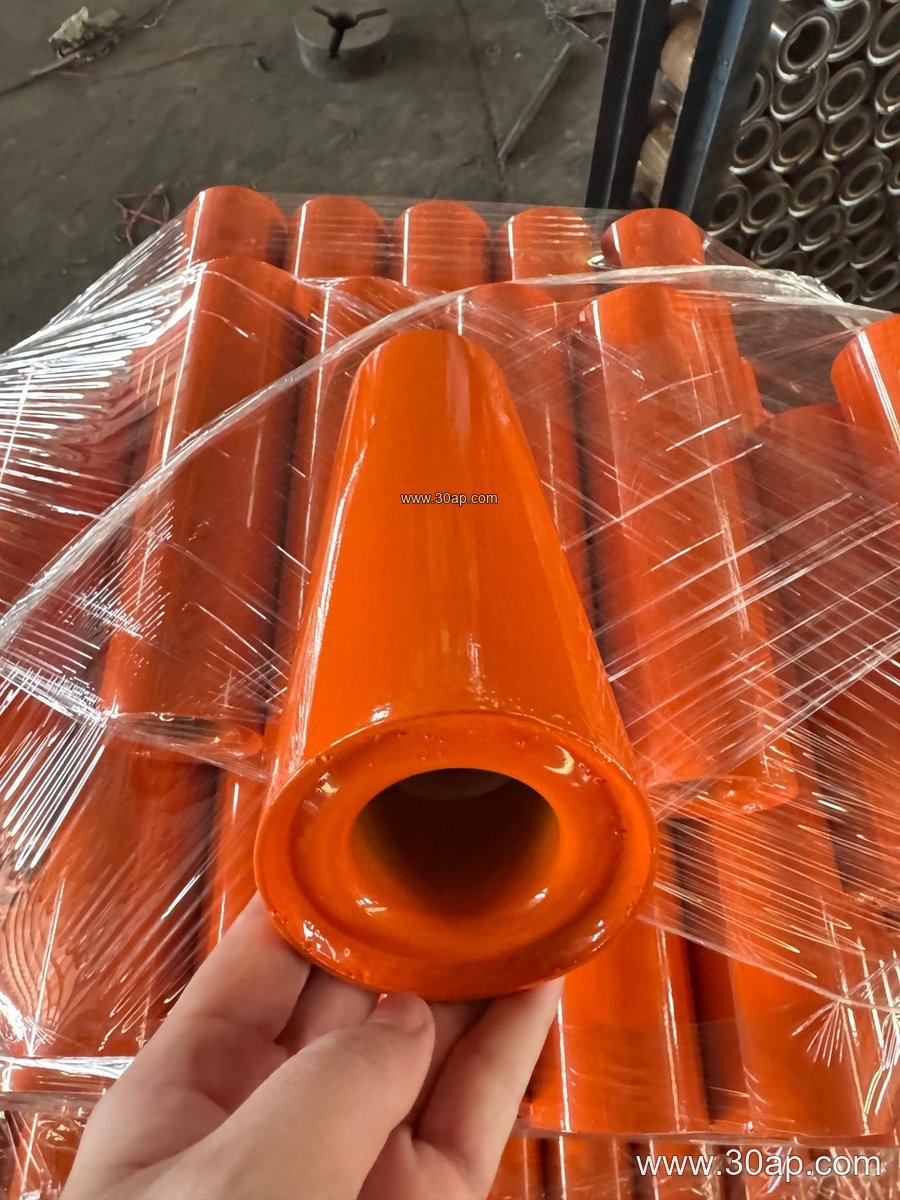
Selection and Maintenance Tips
When specifying a Double-Row Return Idler, consider the belt width, belt speed, and the weight of the return belt. The idler should be sized to handle the load without excessive deflection. The roller surface should match the environment: rubber-covered rollers can reduce noise and protect the belt in dusty conditions, while steel rollers are suitable for general use.
Proper mounting is critical. The idler must sit squarely on the conveyor bracket and be aligned with the belt path. Misalignment can cause the belt to run off-center and damage the idler or belt edges. Regular inspection of the idler roller for wear, material buildup, and bearing condition helps prevent unplanned downtime. Lubrication requirements depend on the bearing type; sealed bearings are common in dusty environments.
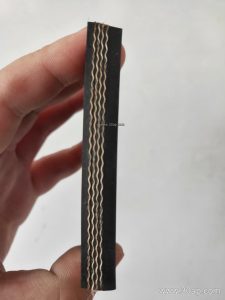
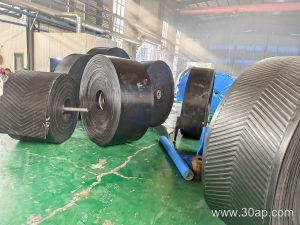
For operations using a rubber conveyor belt or an EP conveyor belt, the Double-Row Return Idler can contribute to smoother belt travel and longer service life. Matching the idler to the belt and the load is the key to reliable performance.