Understanding the Idler Price
The idler price is the cost of a single carrying or return roller assembly used to support a conveyor belt along its route. It is not a fixed number, because an idler is built from several components whose materials and dimensions vary with the duty. Buyers often compare quotations for a troughing idler set or a return idler without realizing that the quoted figure reflects roller diameter, shell thickness, bearing class, seal design, and the way the idler frame is assembled. At its core, the idler price represents a balance between initial outlay and the cost of keeping a conveyor running in a quarry, cement plant, coal preparation plant, or power station coal yard.
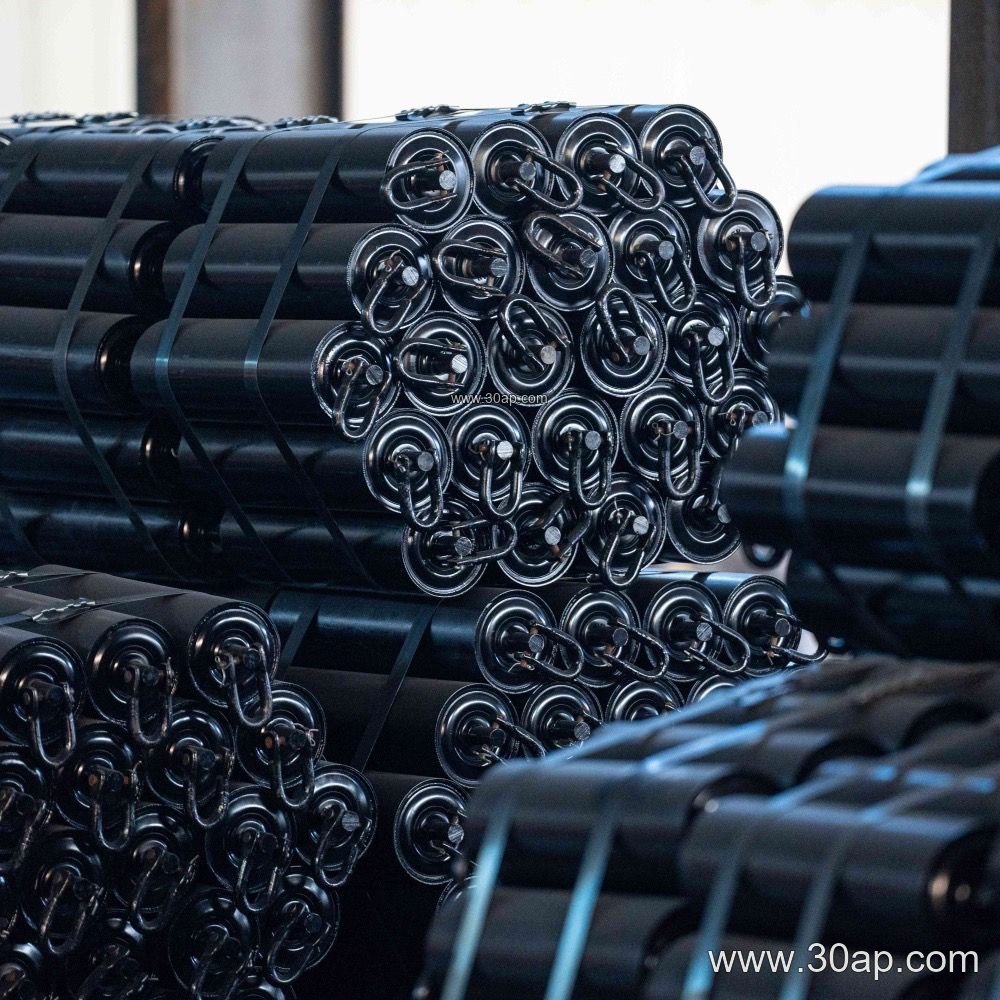
Construction Details That Move the Cost
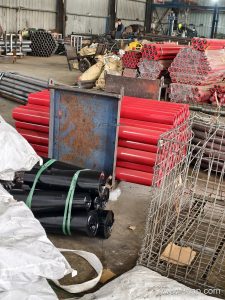
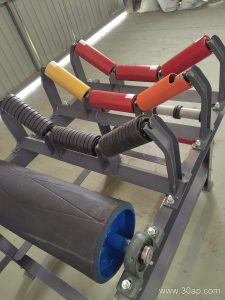
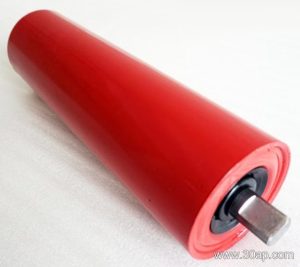
A standard idler is a steel tube fitted with bearing housings at each end, a shaft running through, and some form of sealing to keep dust and water away from the bearings. The shell may be plain steel, nylon-coated, ceramic-lined, or fitted with rubber rings for impact areas. Each of these choices affects the idler price differently. A rubber-ring impact idler used at a crusher discharge will cost more than a plain return idler of the same diameter because of the extra rubber and the heavier bearing arrangement. Bearing size, such as 6204, 6205, 6305, 6306, 6308, or 6310, is selected according to load and speed rather than matched rigidly to one roller diameter. Seal quality is another factor: a labyrinth seal with multiple stages adds cost but can extend service life in dusty aggregate or ore handling. Buyers should ask for the bearing brand or class and the seal type, as these are often the hidden variables behind a low quotation.
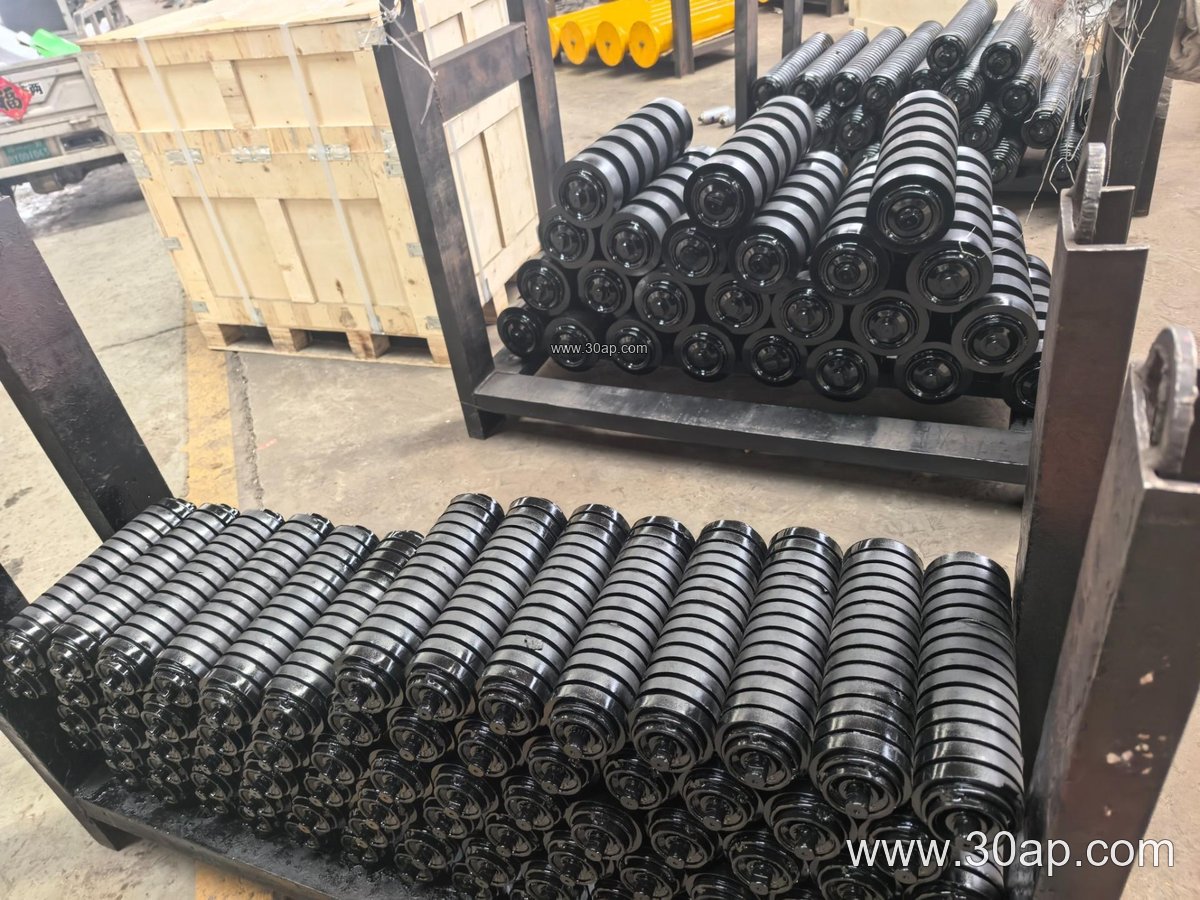
Where Idlers Are Used and Why the Price Varies
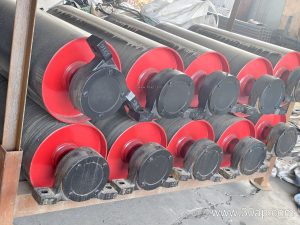
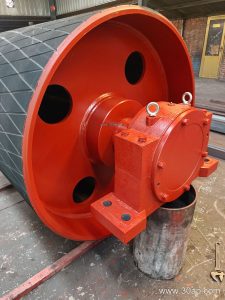
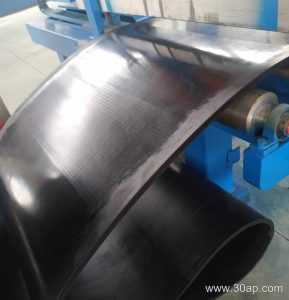
Idlers appear along the entire length of a belt conveyor, from the tail to the head, and in different roles. Troughing idlers carry the loaded strand, return idlers support the empty belt, and transition idlers guide the belt as it opens from the pulley. In a limestone quarry or an iron ore concentrator, the abrasion and impact conditions may call for thicker shells and rubber discs, raising the idler price compared with a light-duty application in a grain terminal. The belt itself matters too: a heavy-duty mining conveyor belt or a steel cord conveyor belt running at high tension will demand idlers with larger shafts and stronger bearings. It is worth remembering that drive pulleys, tail pulleys, and bend pulleys are separate components with their own pricing; they are not interchangeable with idlers, and a quotation for one should not be read as a substitute for another.
Reading Diameter, Belt Width, and Roll Length Together
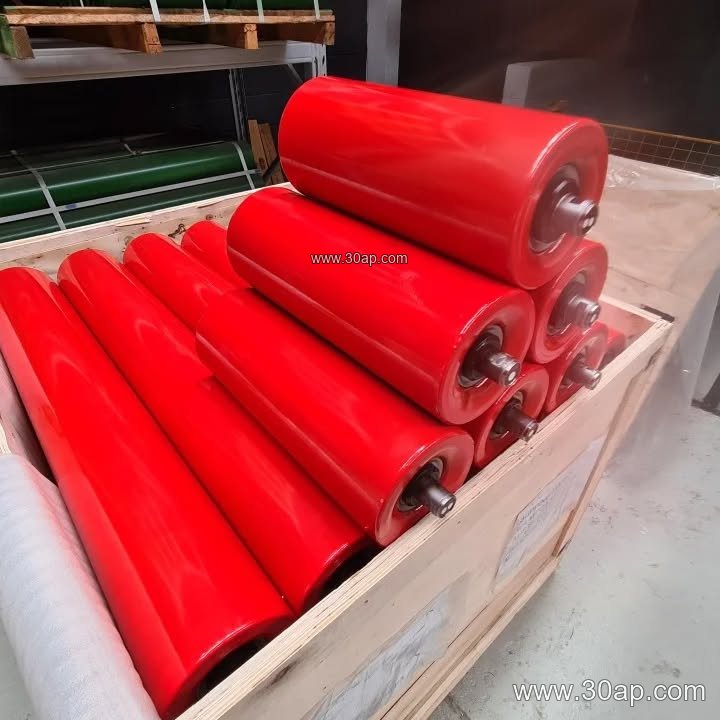
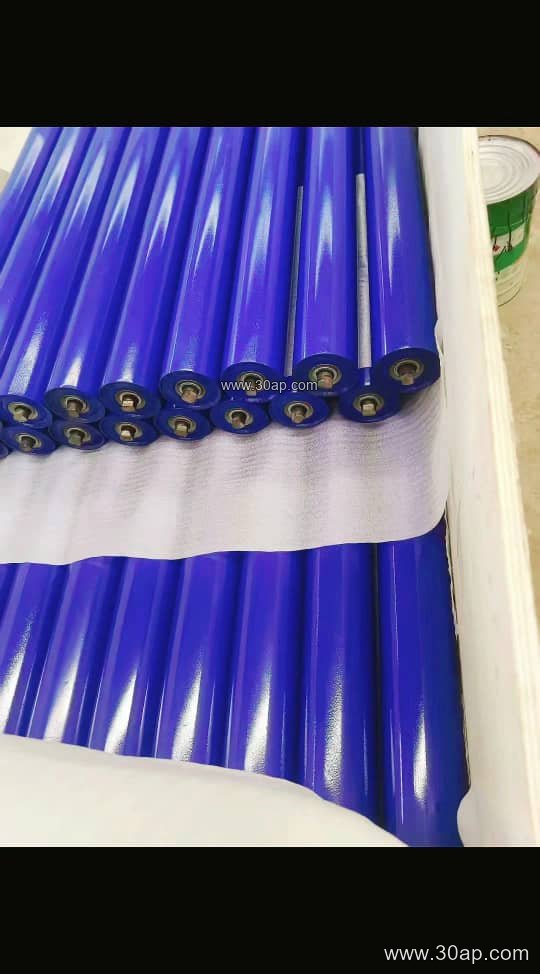
Idler price is frequently quoted per piece, but the piece is defined by a set of dimensions. Roller diameter commonly ranges from about 63 mm to 219 mm, and belt width from B400 to B2400. Roll length changes with belt width and trough angle, and the length of the side rollers can differ from the centre roller in a three-roll set. The table below gives common examples for a three-roll troughing set; these are illustrative and should not be treated as fixed combinations.
| Belt Width | Common Roll Length (approx.) | Typical Trough Angle |
|---|---|---|
| B500 | 200 mm | 20–35 degrees |
| B650 | 250 mm | 20–35 degrees |
| B800 | 315 mm | 30–35 degrees |
| B1000 | 380 mm | 30–35 degrees |
| B1200 | 465 mm | 30–45 degrees |
| B1400 | 530 mm | 30–45 degrees |
| B1600 | 600 mm | 35–45 degrees |
| B1800 | 670 mm | 35–45 degrees |
| B2000 | 750 mm | 35–45 degrees |
A wider belt does not automatically require a larger roller diameter, and a given belt width can be served by more than one roller diameter depending on load and speed. What matters is that the idler frame, shaft, and bearing are matched to the actual belt tension and material weight. When comparing prices, ask for the complete specification: roller diameter, shell thickness, bearing size, seal type, and frame finish.
Buyer Checklist Before Accepting an Idler Price
- Confirm the idler type: troughing, return, impact, transition, or self-aligning, since each has a different cost structure.
- Check roller diameter and roll length against the belt width and trough angle, not against a single universal chart.
- Ask for bearing designation and seal arrangement; these are common points where low-cost idlers cut corners.
- Consider the environment: a quarry or coal yard may justify better sealing than a clean, low-dust operation.
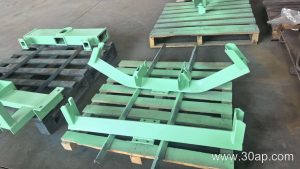
- Remember that the conveyor bracket and frame are often quoted separately from the roller itself.
- Request a sample or inspection report for shell wall thickness and weld quality if the volume is significant.
In short, the idler price is best read as part of a system cost. A slightly higher unit price for a well-sealed idler with a proper bearing can reduce replacement frequency on a busy conveyor. For buyers in mining, cement, or power generation, the right question is not simply what an idler costs today, but what it costs per ton of material moved over its service life.