What a Belt Conveyor Idler Frame Does
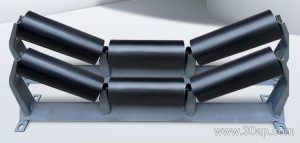
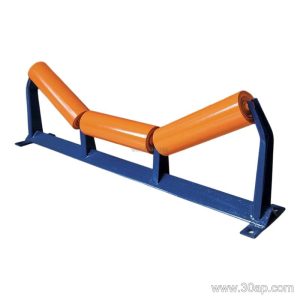
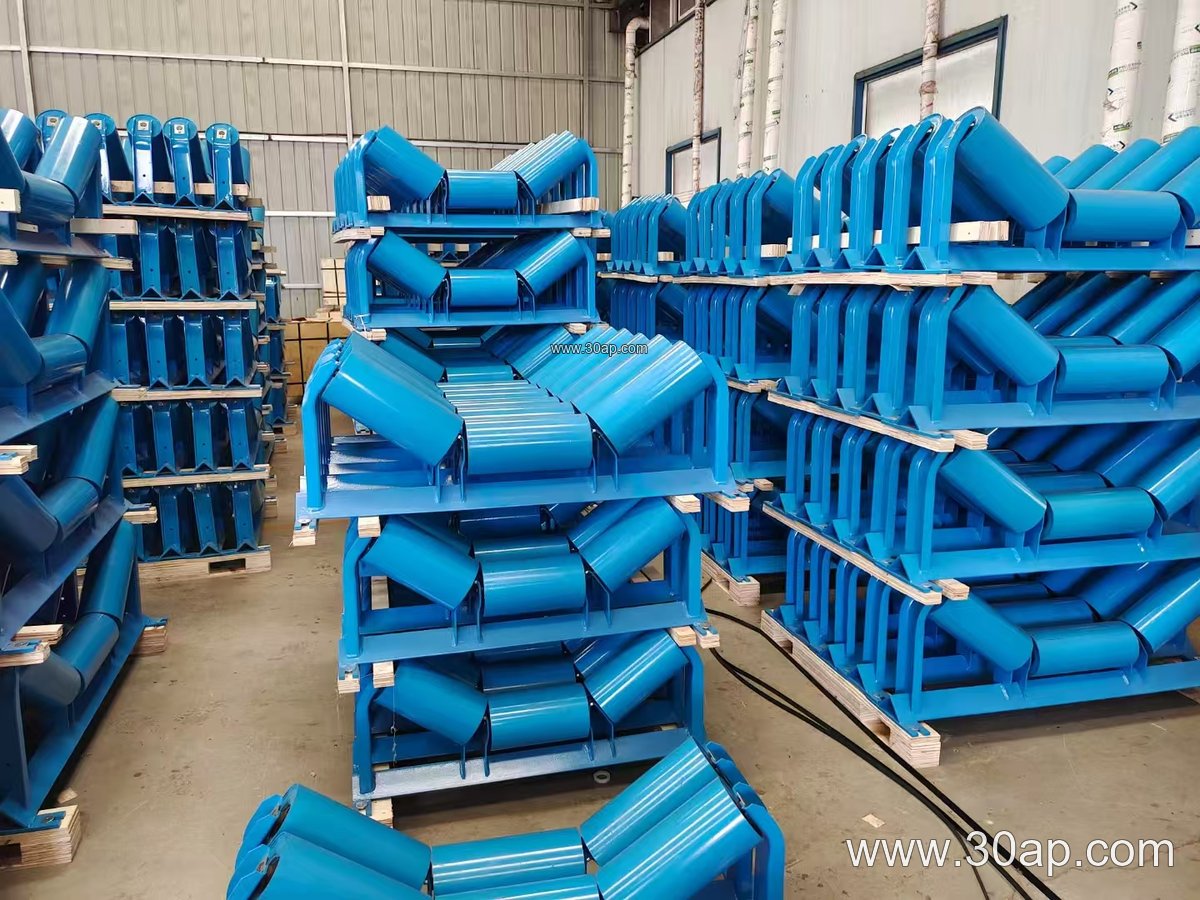
A Belt Conveyor Idler Frame is the structural bracket that holds the idler rollers in position along a conveyor. It sets the trough angle, keeps the rollers at the right spacing, and transfers the load of the belt and material into the conveyor stringer. In a quarry, cement plant, or coal handling line, this frame is the quiet component that decides whether the belt tracks well or wears out early. It is often supplied as a complete assembly with mounting holes, cross beams, and angle brackets ready for bolting to the conveyor structure. Together with the conveyor belt, idler roller, and conveyor pulley, it forms the load-bearing spine of the system.
Construction and Common Types
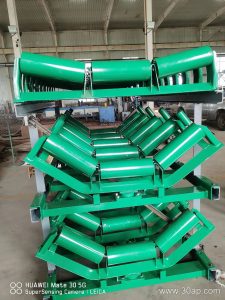
Most frames are fabricated from angle steel, channel steel, or folded steel plate. The material choice depends on the load and the environment. A heavy-duty mining conveyor belt or a steel cord conveyor belt carrying iron ore demands a stiffer frame than a light aggregate line. Common configurations include:
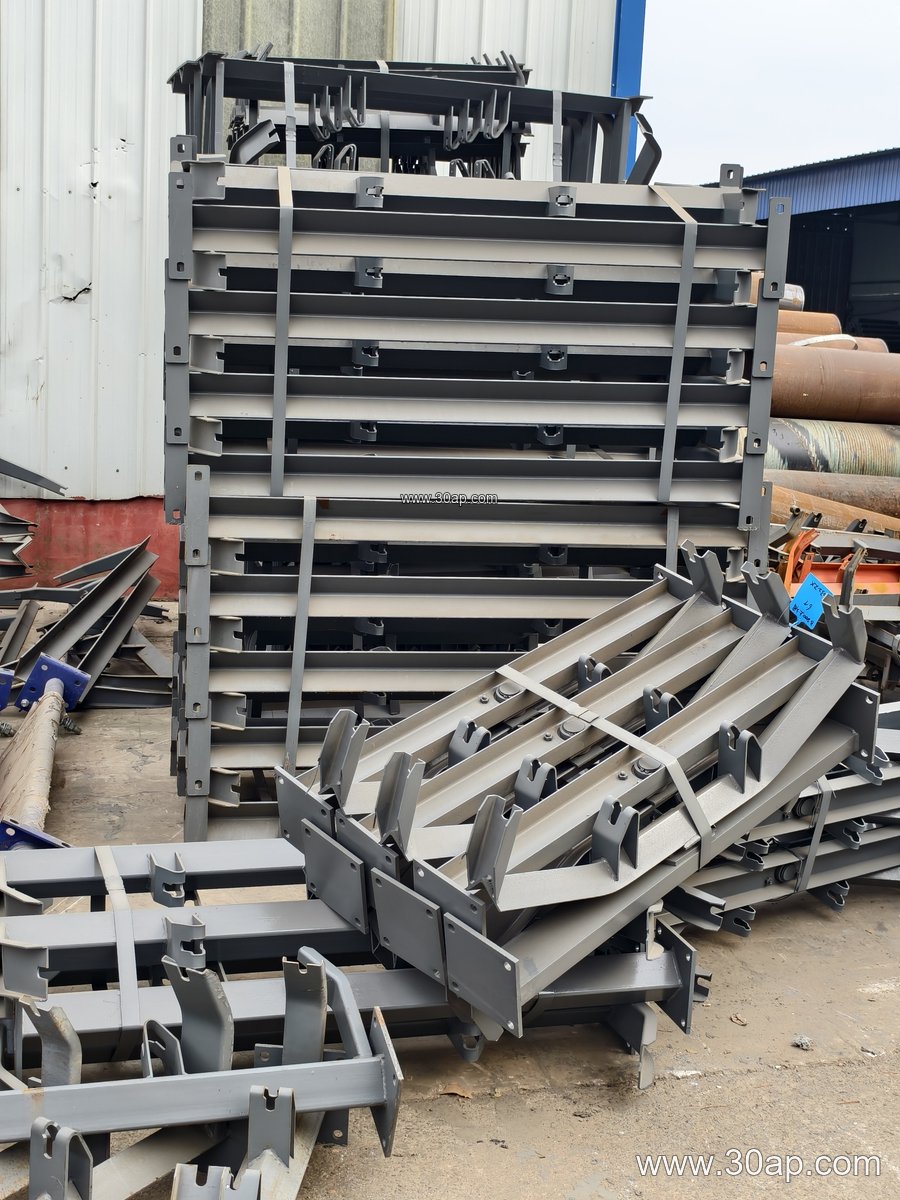
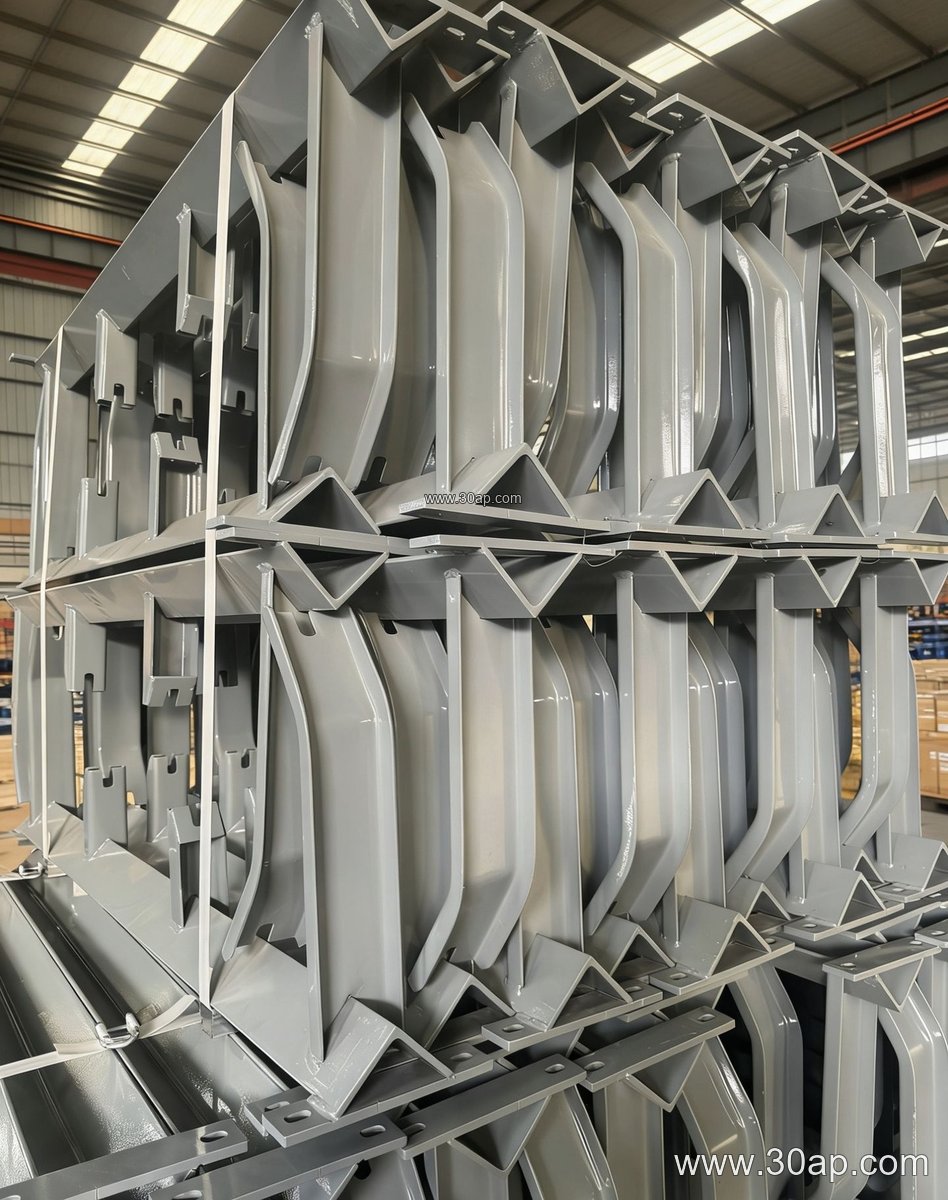
- Troughing idler frame (carrying side, 20 to 45 degree trough)
- Impact idler frame under the loading point
- Return frame or V-return frame on the return strand
- Transition frame near the pulley
- Self-aligning frame for belt tracking
- Adjustable frame for changing trough angles
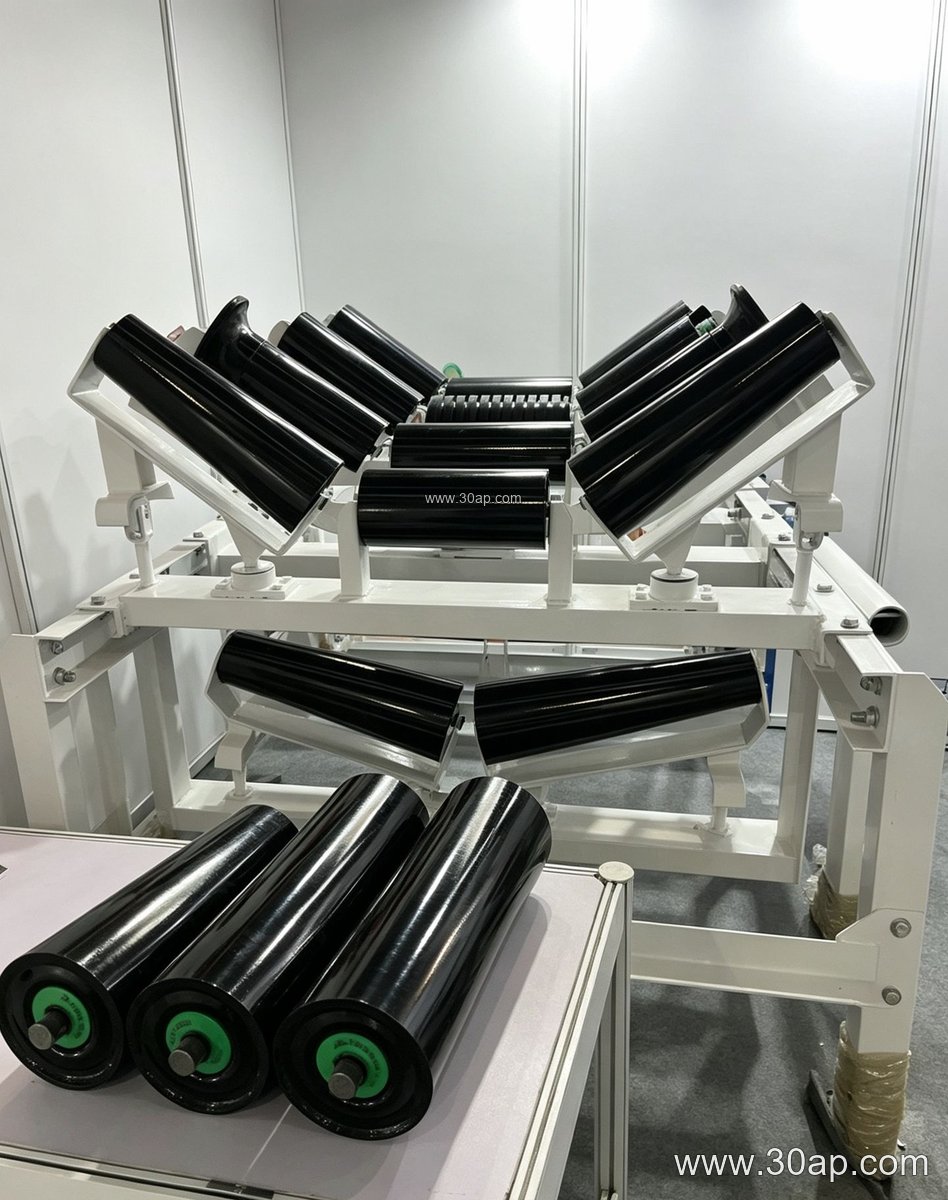
The carrying frame is not the same as the return frame, and neither is a substitute for a drive pulley, tail pulley, or bend pulley. Those pulleys transmit power and change belt direction, while the frame simply supports the rollers. A conveyor bracket and the frame are closely related, but the frame usually refers to the full cross assembly.
Where the Frame Is Used
These frames appear wherever a conveyor belt needs continuous support. In a limestone quarry or sand and gravel line, troughing frames carry crushed stone at high tonnage. In a coal washing plant or power plant coal yard, flame retardant conveyor belt and anti-static conveyor belt run over frames built to resist dust and moisture. Cement plants use them on clinker and raw meal lines, while iron ore and copper ore operations rely on heavy frames under abrasive loads. Port ship loaders and bulk material terminals also use wide frames, often matched to 1200mm or 1800mm wide conveyor belt.
Matching Frame, Belt, and Roller
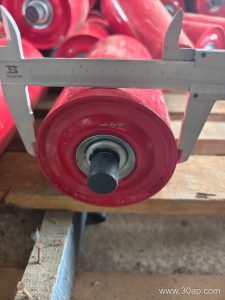
Frame selection starts with belt width and the required trough angle. A B800 frame with a 35 degree trough and Ø108 rollers is a common combination for medium-duty work, while B1200 with 45 degree trough and Ø133 rollers suits heavier loads. A B650 frame with 30 degree trough and Ø89 rollers fits lighter lines. These are examples, not fixed rules. Belt width does not dictate a single pulley diameter or a single roller diameter. Installation hole spacing and cross beam length change with belt width and trough angle, so the drawing should always be checked before ordering.
| Frame Type | Typical Belt Width | Common Trough Angle | Common Roller Diameter |
|---|---|---|---|
| Troughing frame | B500 to B2000 | 20°, 30°, 35°, 45° | Ø89, Ø108, Ø133, Ø159 |
| Impact frame | B650 to B1800 | 35°, 45° | Ø108, Ø133, Ø159 |
| Return frame | B500 to B1600 | Flat or V-return | Ø89, Ø108, Ø133 |
| Adjustable frame | B650 to B1400 | 20° to 45° adjustable | Ø89, Ø108, Ø133 |
Forward-leaning frames are sometimes set at about 1.5 to 2 degrees to help center the belt. Self-aligning frames do similar work on long runs.
Buyer Checklist
Before ordering, confirm belt width, trough angle, roller diameter, mounting hole pattern, and the material to be carried. Check whether the frame will sit under a loading point, because that position may call for an impact frame and a cushion roller set. Ask about surface treatment for humid or corrosive sites such as fertilizer plants or tunnel muck lines. For food or grain silo work, smooth surfaces and easy cleaning matter. Finally, keep spare frames on hand for the sections that wear fastest, and inspect bolts and welds during routine shutdowns. A well-chosen frame keeps the belt centered, extends roller life, and protects the conveyor belt from edge damage.