What a Coal Conveyor Pulley Does
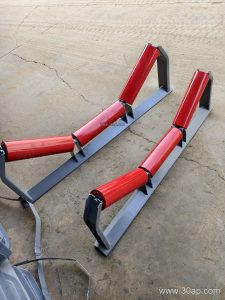
A coal conveyor pulley is the rotating drum that turns the belt, carries its load at the discharge end, and keeps the belt tracking through a coal handling line. In a coal yard, washery or power plant coal handling system, the pulley is not a standalone part: it works with the conveyor belt, the idler roller sets and the conveyor bracket that holds everything in line. A poorly matched drum shows up quickly as belt slip, edge wear or a hot bearing.
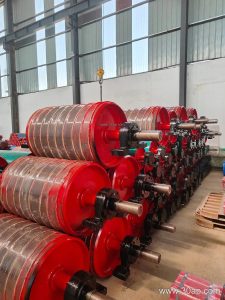
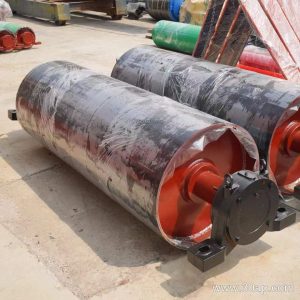
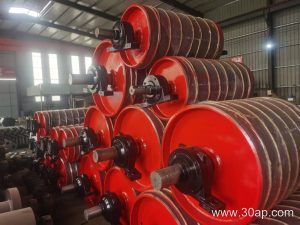
The drum is usually a welded steel shell with end discs, a shaft, bearing housings and a lagged surface. Coal dust is abrasive and often wet, so the joint between shell and end disc, the bearing seal and the lagging bond all matter as much as the shell thickness.
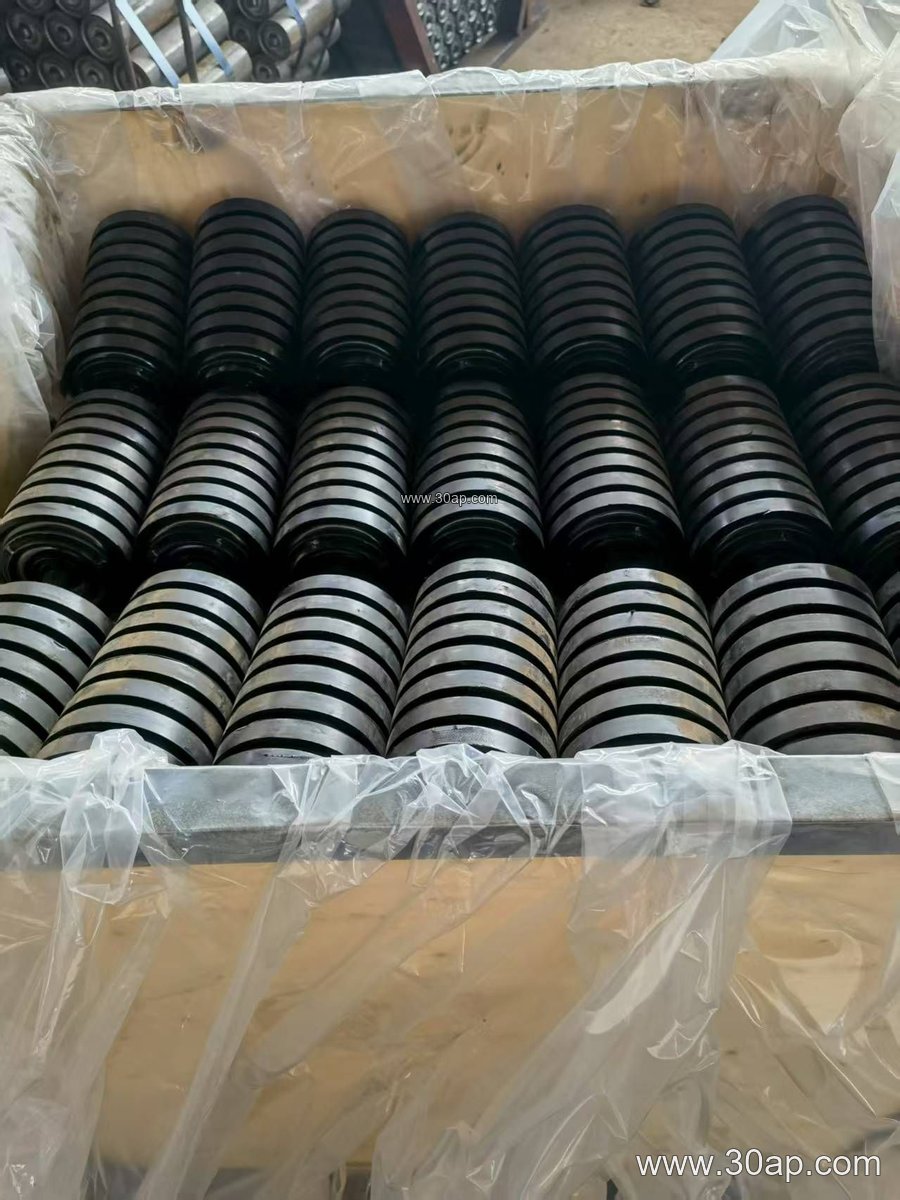
Drive, Tail and Bend Positions
The same basic drum looks different depending on where it sits. A drive pulley, also called the head pulley, transmits torque through a lagged surface; its diameter and face width are set by the belt width, the required wrap angle and the torque demand. A tail pulley at the loading end tensions the belt and is often supplied with a self-cleaning or wing design so coal fines do not build up under the belt.
Bend pulleys and take-up pulleys only change belt direction or maintain tension, so they usually run at lower torque. These three roles are not interchangeable: a drive pulley cannot simply be swapped for a bend pulley, and a tail pulley is not a substitute for a take-up drum. When specifying, state the position first, then the diameter, face width, shaft size and surface form.
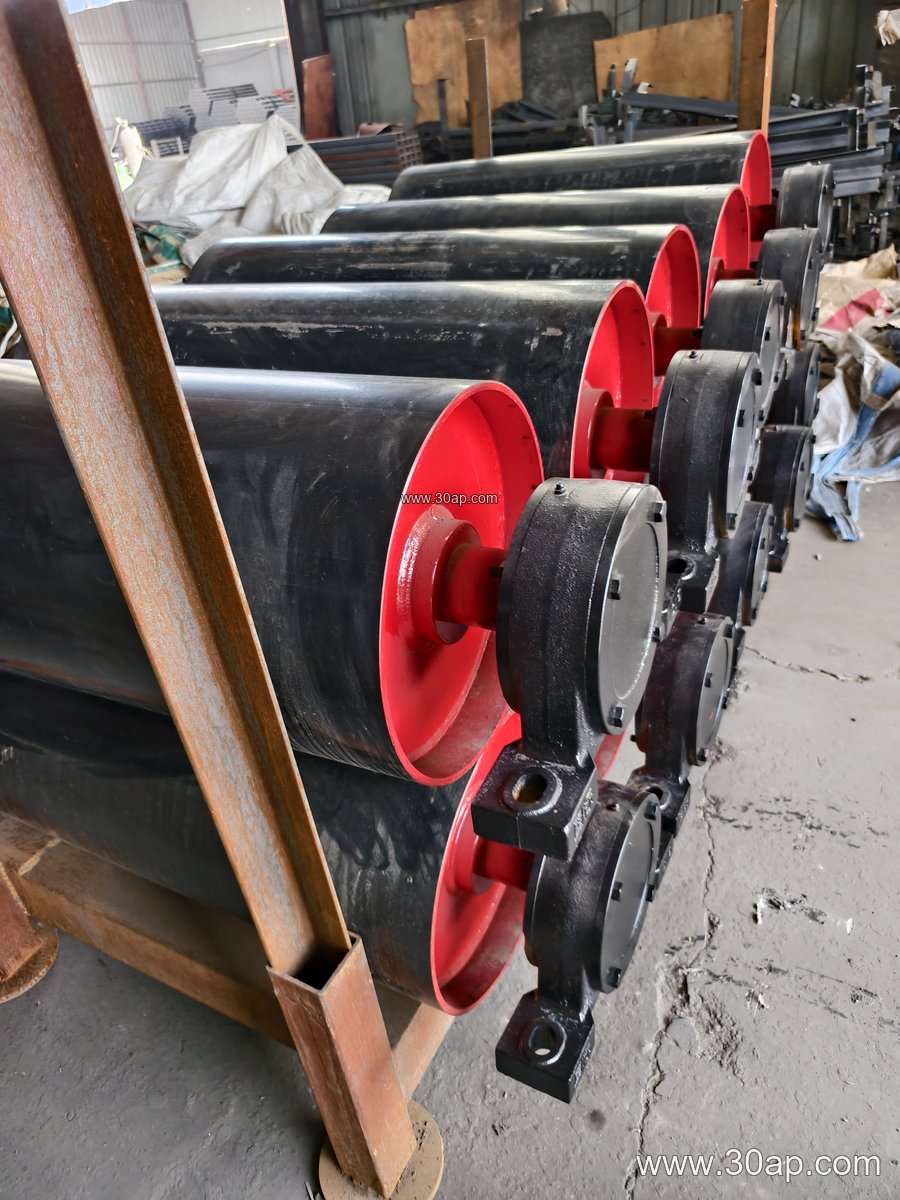
Shell, Shaft and Surface Options
Common face widths follow the belt, for example a B800 belt typically uses a drum face around 950 mm, and a B1200 belt around 1400 mm. Diameters commonly range from Ø200 up to Ø1250 and beyond on large drives. Shaft diameter is determined by torque and bearing load, not by belt width alone; Ø80, Ø100 and Ø120 shafts appear on medium drums, but each case is calculated.
| Parameter | Common reference range |
|---|---|
| Belt width | B500, B650, B800, B1000, B1200, B1400 |
| Pulley diameter | Ø250, Ø315, Ø400, Ø500, Ø630, Ø800, Ø1000 |
| Face width | About belt width plus 100 to 200 mm |
| Shaft diameter | Ø60 to Ø160, sized by torque and load |
| Lagging | Plain, cold-bonded rubber, hot vulcanized rubber, diamond, ceramic |
| Lagging thickness | 8, 10, 12, 15, 20 mm |
Lagging choice depends on the duty. Plain or lightly lagged drums suit clean return positions. Diamond or ceramic lagging improves grip on wet, dusty coal at the drive. Rubber lagging reduces impact noise and protects the belt at transfer points. None of these values is a fixed rule; they are starting references confirmed by the conveyor design.
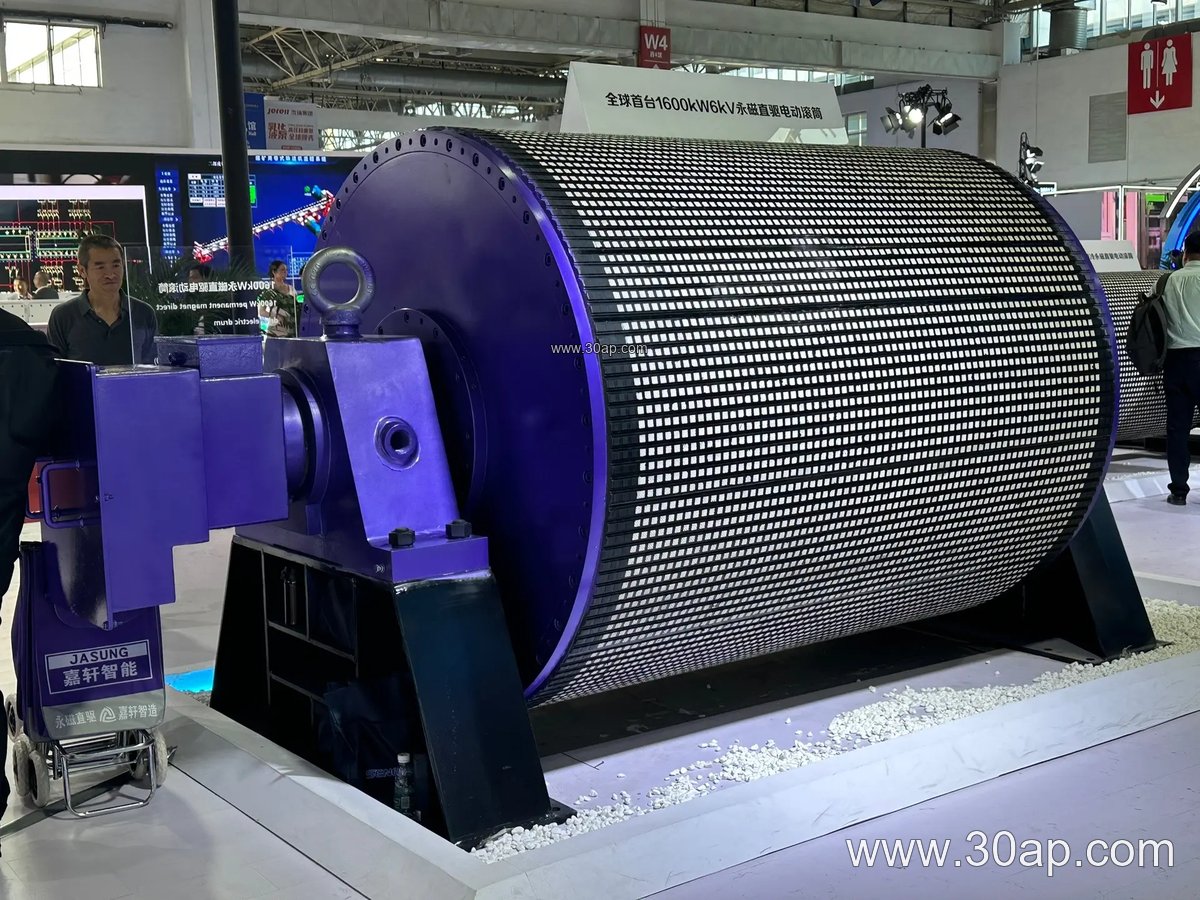
Where Coal Handling Lines Use It
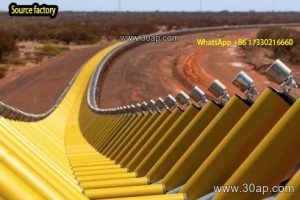
In a coal washery, the head pulley discharges onto a screening deck while the tail pulley sits under the loading chute, where impact and fines are heaviest. In a power plant coal yard, long overland belts use large drive pulleys with ceramic lagging and several bend pulleys to route the belt around the stockpile area. Similar layouts appear in cement plant raw material lines and port bulk terminals, where a heavy-duty mining conveyor belt runs at high tension and the pulley must hold grip without polishing the belt cover.
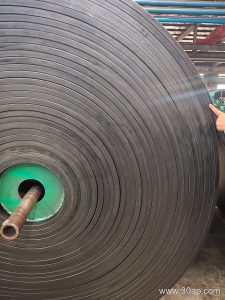
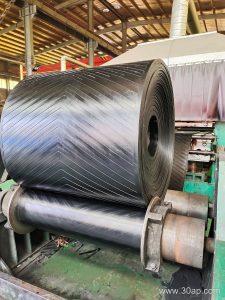
The drum also has to match the belt itself. A steel cord conveyor belt needs a larger diameter relative to its cord layer than a fabric core belt, and a flame retardant conveyor belt used underground brings additional requirements on static and friction behavior at the drive. On steep inclines, a chevron conveyor belt or a corrugated sidewall belt needs a drum that clears the cleat height.
Buyer Checklist
- Confirm the position: drive, tail, bend, take-up or snub, and the wrap angle.
- Give belt width, belt type and belt tension, not just a nominal size.
- State lagging form and thickness, and whether the drum must be removable through a frame opening.
- Ask for the shaft and bearing calculation, plus the bearing seal type for dusty coal service.
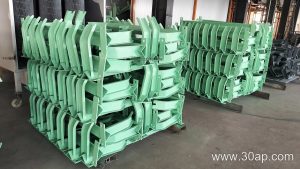
- Check that the conveyor bracket and bearing housing dimensions fit the existing structure.
Maintenance is mostly inspection: watch for lagging wear, loose bolts, grease leakage and coal build-up on the return side. A drum that runs true and stays clean lasts far longer than one chosen only by diameter. Matching the pulley to the belt, the idler roller spacing and the frame keeps a coal line running without unexpected stops.