What a Steel Plant Conveyor Belt Has to Handle
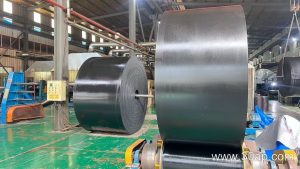
A steel plant conveyor belt operates in one of the toughest bulk material environments in heavy industry. Sinter, pellets, coke, limestone, iron ore, and hot briquettes move around the clock, often with sharp edges, high temperatures, and oily residues. The belt is not simply a rubber loop; it is a engineered composite that must resist abrasion, heat, flame, and impact while maintaining reliable tracking over long center distances. In steel mills, conveyor belts feed blast furnaces, sinter plants, coke ovens, and material yards, so downtime directly affects production.
The main conveyor belt in this setting is typically a heavy-duty fabric core or steel cord construction. Common choices include EP conveyor belt (polyester-nylon), NN conveyor belt (nylon-nylon), and steel cord conveyor belt for high tension and long runs. Each has a specific role: EP and NN fabric cores offer flexibility and good troughability, while steel cord belts handle the highest strength demands with minimal stretch.
Construction and Core Types
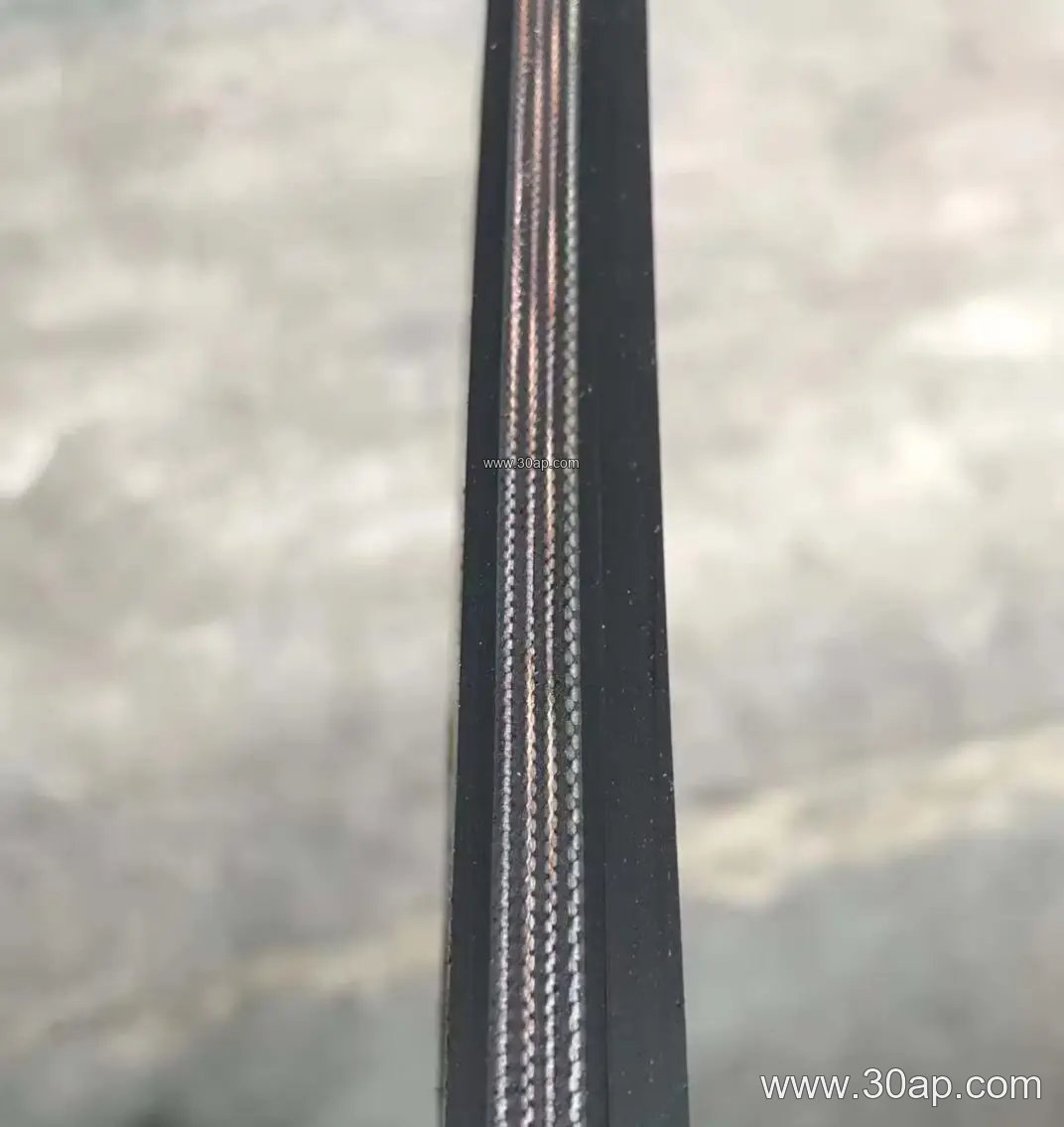
The belt body consists of a carcass (fabric plies or steel cords) and rubber covers. For steel plant service, cover compounds are selected for specific hazards. An abrasion resistant conveyor belt protects against sinter and coke fines. A heat resistant conveyor belt is essential near sinter coolers and coke quenching areas, where surface temperatures can be high. Flame retardant conveyor belt and fire resistant conveyor belt grades are used in enclosed galleries and coke oven areas. Oil resistant conveyor belt may be needed where lubricants or oily scrap are present. Anti-static conveyor belt properties help dissipate static in dusty environments.
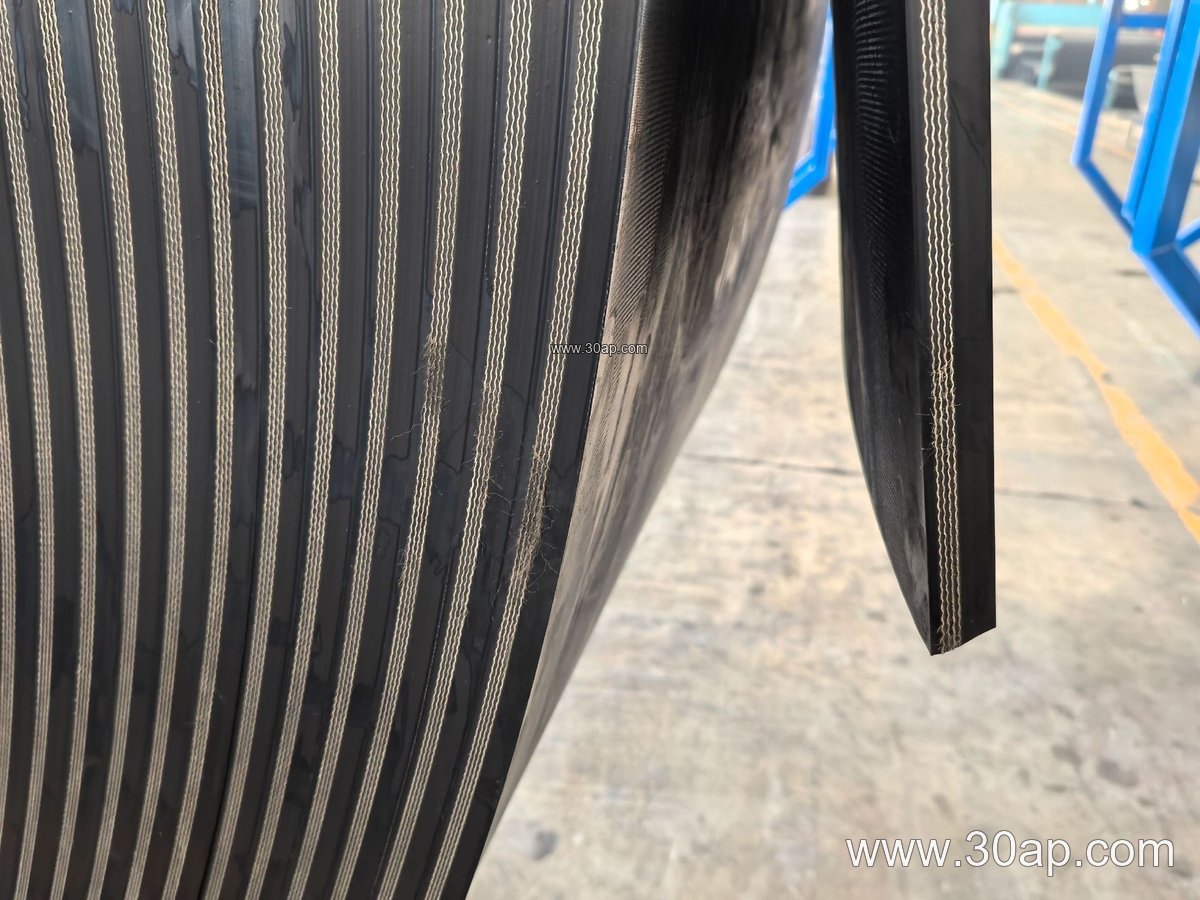
Fabric core belts often use 2 to 6 plies, with cover thicknesses such as 4+2 mm, 5+2 mm, 6+2 mm, or 8+3 mm. Steel cord belts are specified by strength class, for example ST1000, ST1250, ST1600, ST2000, ST2500, or ST3150. EP belts may be rated EP200, EP315, EP400, EP500, EP630, EP800, EP1000, EP1250, EP1600, or EP2000. These values are reference points; actual selection depends on the conveyor design, material lump size, and operating conditions.
Typical Belt Specifications (Reference)
| Type | Common Strength Range | Common Width Range | Typical Cover Thickness |
|---|---|---|---|
| EP conveyor belt | EP200–EP2000 | B500–B2000 | 4+2, 5+2, 6+2 mm |
| NN conveyor belt | NN100–NN400 | B500–B1400 | 4+2, 5+2 mm |
| Steel cord conveyor belt | ST1000–ST3150 | B800–B2000 | 6+2, 8+3 mm |
| PVG conveyor belt | PVG800, PVG800S | B800–B1200 | PVC-based solid woven |
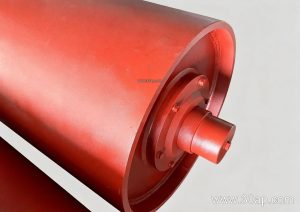
Widths such as 500mm, 650mm, 800mm, 1000mm, 1200mm, 1400mm, 1600mm, 1800mm, and 2000mm are common. Wide conveyor belt and extra-wide conveyor belt options exist for high-capacity yards, but the belt width must match the pulley face and idler roller arrangement, not the other way around. A 1200mm wide conveyor belt, for example, requires properly sized conveyor pulleys and idler rollers for adequate support.
Where the Belt Fits in the Steel Plant
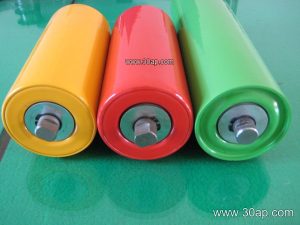
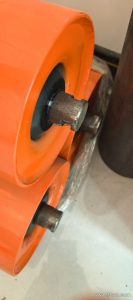
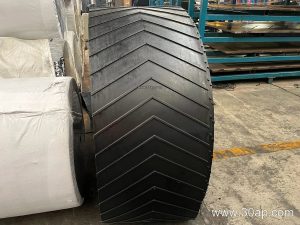
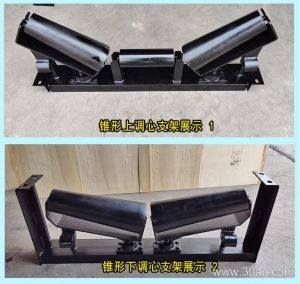
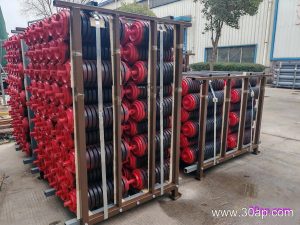
Steel plant conveyor belts are found in raw material yards, sinter plants, coke ovens, blast furnace charging, and slag handling. They may run alongside conveyor pulleys, idler rollers, and conveyor brackets that form the conveyor frame. In dusty or hot zones, a skirted conveyor belt or corrugated sidewall conveyor belt can contain material and prevent spillage. Chevron conveyor belt patterns help on inclines, while pipe conveyor belt systems may be used for dust-free transport. For underground or enclosed sections, underground mining conveyor belt grades with flame resistance are often considered.
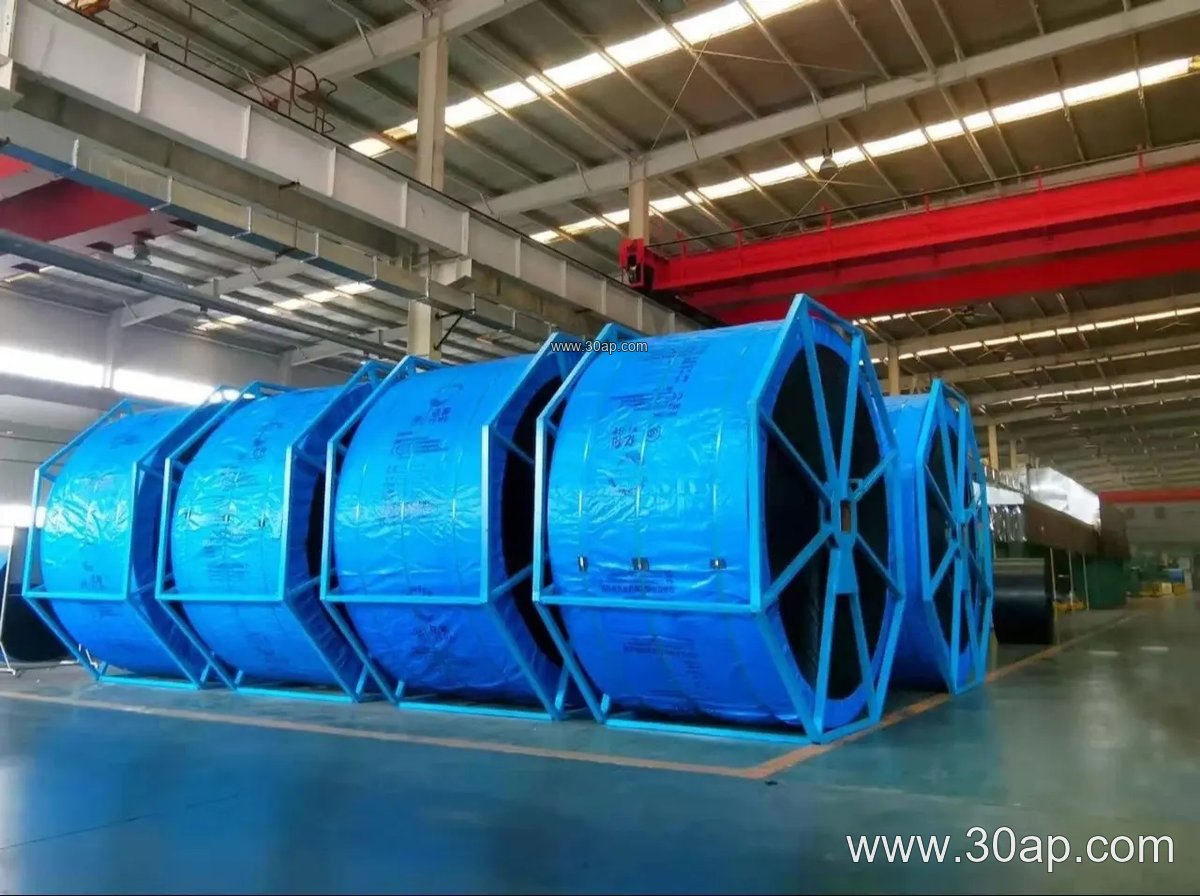
Related industries include mining, coal mining, cement plants, power plants, and quarry operations. A coal mining conveyor belt or quarry conveyor belt shares many design principles with steel plant belts, but the material and temperature profiles differ. For example, a cement conveyor belt may prioritize abrasion resistance, while a steel plant belt may need heat resistance. Rubber conveyor belt compounds vary accordingly.
Buyer Checklist
- Define the material: lump size, temperature, oil content, and abrasiveness.
- Confirm the required strength class and belt width based on conveyor design.
- Select cover grade: abrasion resistant, heat resistant, flame retardant, oil resistant, or anti-static.
- Check compatibility with existing conveyor pulleys, idler rollers, and brackets.
- Consider splice type and whether an endless conveyor belt is needed for reduced downtime.
- Review maintenance access for belt tracking and idler roller replacement.
In summary, a steel plant conveyor belt is a heavy-duty component that must be matched to the specific process. Whether you choose an EP fabric core, NN, or steel cord belt, the key is to balance strength, cover protection, and environmental resistance. For more information on conveyor belt, idler roller, and conveyor pulley options, consult your supplier with the actual operating conditions.