What an Impact Idler Bracket Does
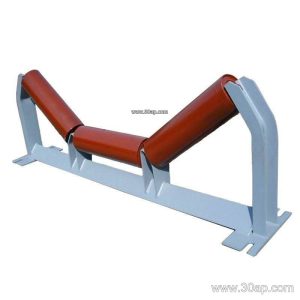
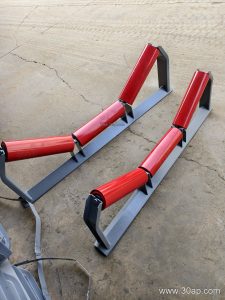
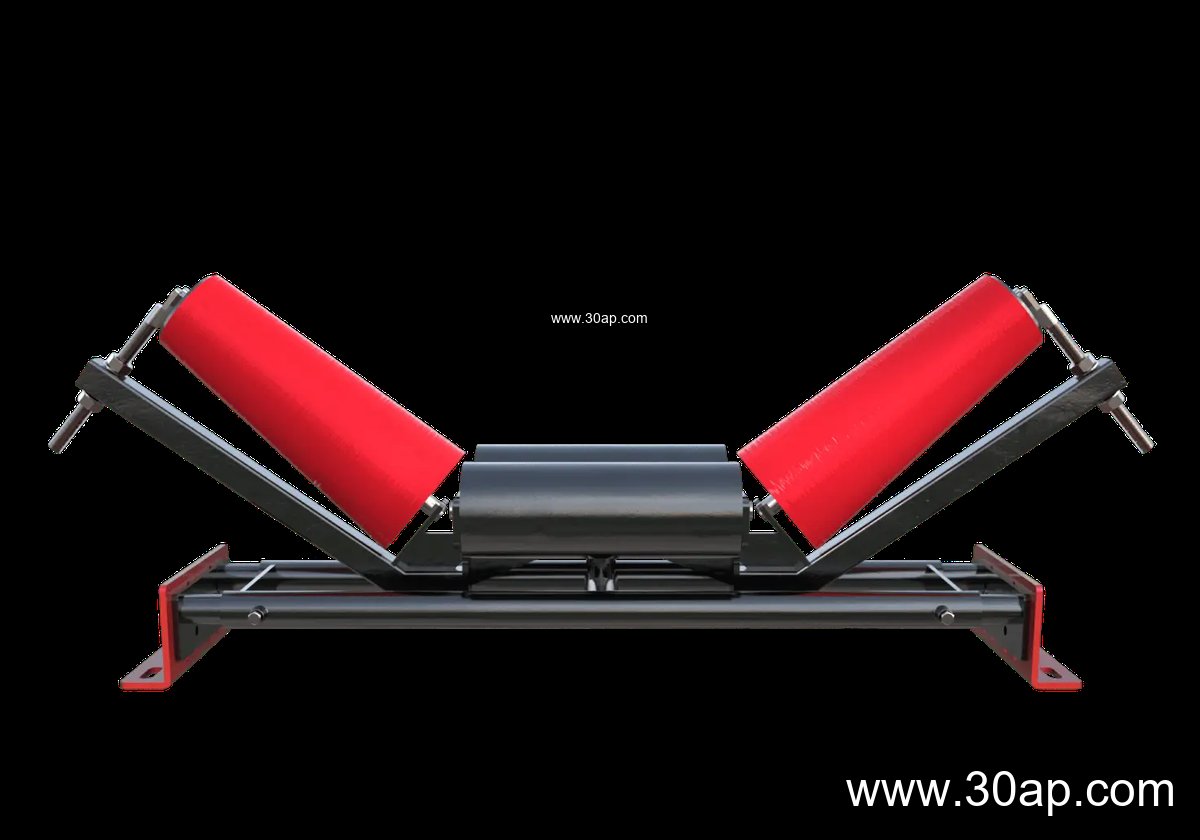
An impact idler bracket is the support that holds the impact idler rollers directly beneath a conveyor belt’s loading point. In a quarry, a coal preparation plant, or a crushing and screening line, material often drops from a chute or crusher outlet with considerable force. The bracket absorbs that shock and keeps the idler rollers in the correct position so the belt does not sag, pinch, or wear unevenly at the point of impact.
This component is a load-zone item rather than a general-purpose frame. It is usually paired with impact idler rollers that carry rubber rings or other cushioning elements. The bracket itself does not cushion the belt; it provides a rigid, accurately aligned base so the rollers can do that job.
Construction and Typical Materials
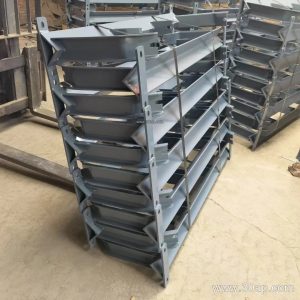
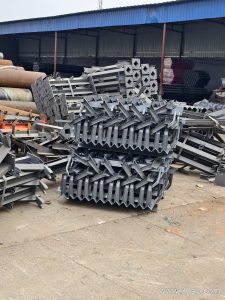
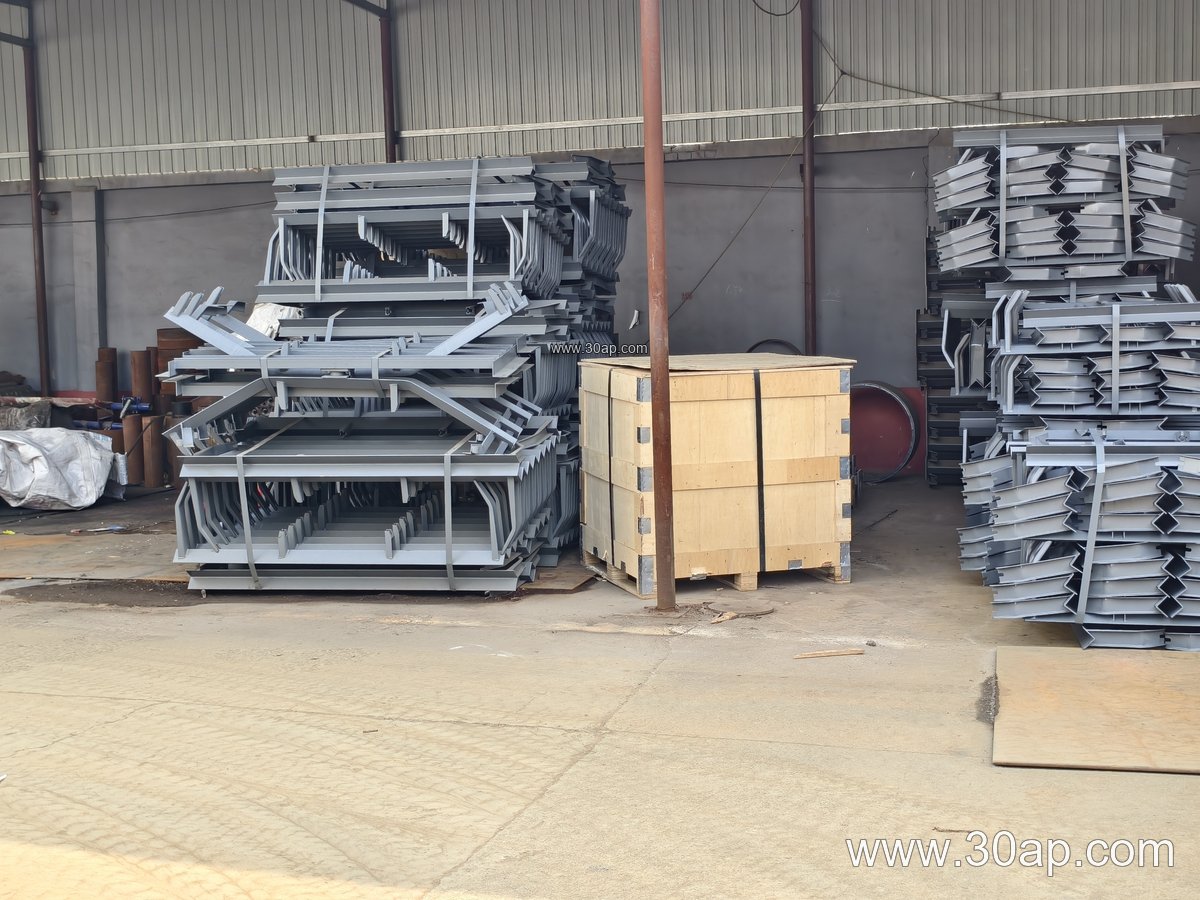
Most impact idler brackets are fabricated from angle steel, channel steel, or formed steel plate. The fabrication approach affects stiffness and how easily the bracket can be aligned during installation. Common features include:
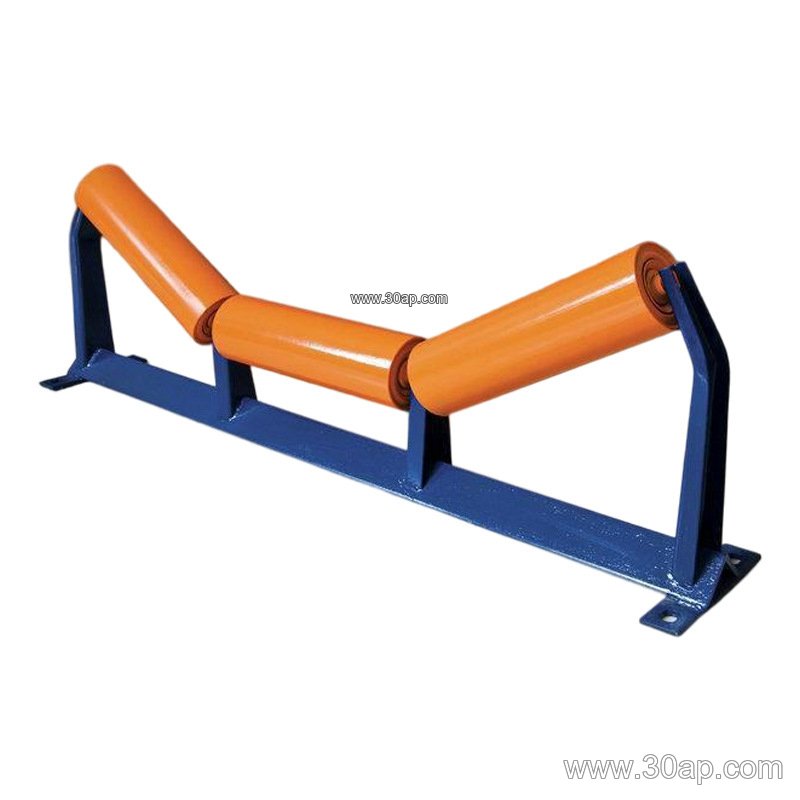
- Slotted or drilled mounting holes for adjustment on the conveyor stringer
- Reinforced support arms at the impact zone
- Fixed or adjustable trough angles depending on design
- Welded or bolted cross beams sized to the belt width
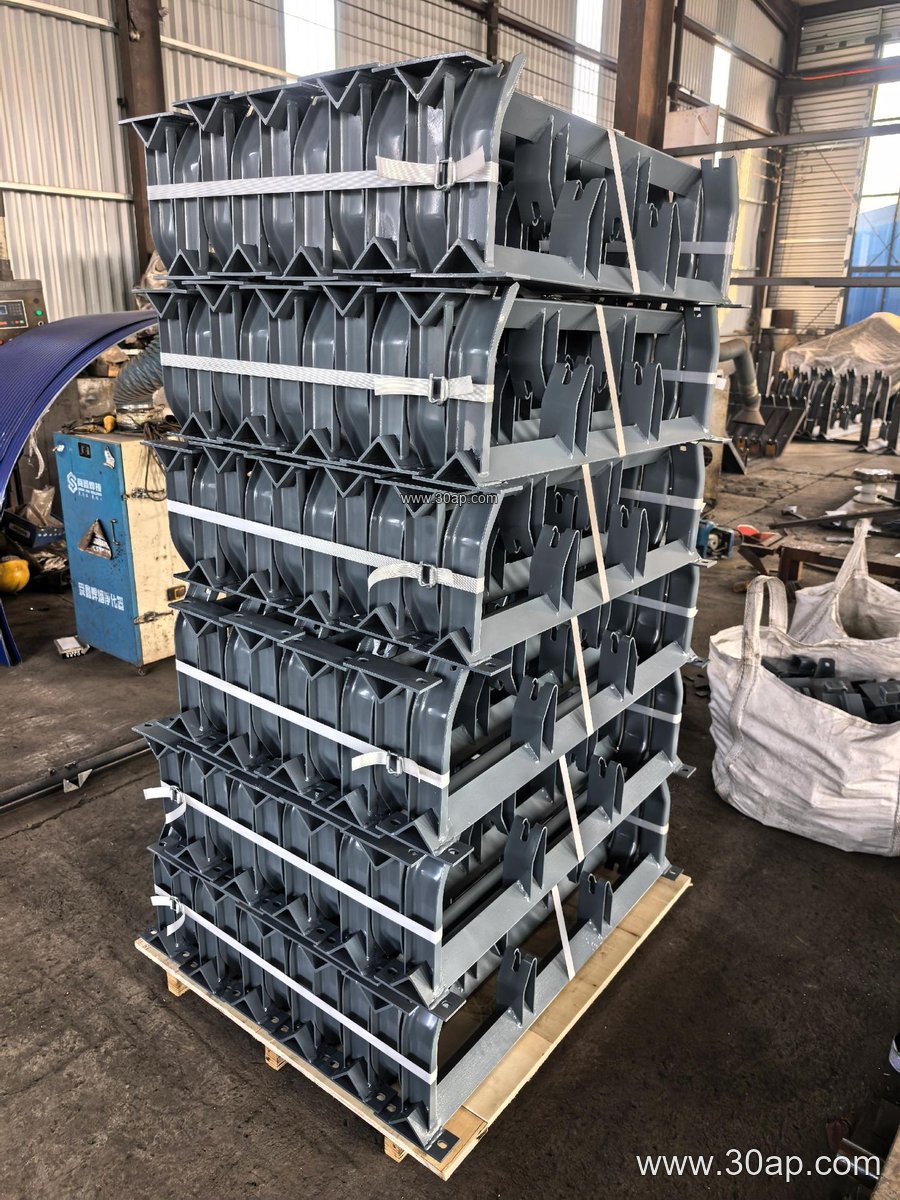
Because the bracket sits in a high-wear area, buyers should confirm material thickness, weld quality, and surface treatment. A painted or galvanized finish is common, but the correct choice depends on whether the site is a dry quarry, a wet coal washing plant, or a dusty power plant coal yard.
Where It Fits on the Conveyor
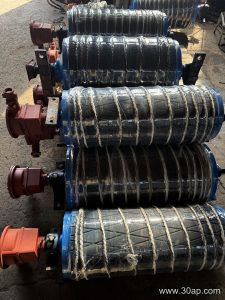
The bracket is installed at the upper carrying side, directly under the loading chute. It is often the first support set after the tail area and may be repeated for several meters to spread impact energy. It should not be confused with drive pulleys, tail pulleys, or bend pulleys, which serve entirely different functions in the conveyor drive and path. Likewise, a troughing bracket for normal carrying idlers, a return bracket, and a self-aligning bracket each have their own role and are not interchangeable with the impact version.
In a limestone mine or an iron ore transfer station, a short run of impact brackets protects the belt from lump sizes that would otherwise damage standard idlers. In a cement plant or a power plant coal handling system, the same arrangement helps reduce downtime at transfer points.
Matching Bracket, Belt, and Roller
Selection starts with the conveyor belt width, the trough angle, and the idler roller diameter. The bracket must be sized so the rollers sit at the intended angle and height. Common reference combinations include B800 with a 35 degree trough and Ø108 rollers, or B1200 with a 45 degree trough and Ø133 rollers. These are examples only; the correct combination is set by the conveyor design, belt load, and lump size.
| Reference Item | Typical Range |
|---|---|
| Belt width | B500 to B2200 |
| Trough angle | 20, 30, 35, 45 degrees |
| Idler diameter | Ø89, Ø108, Ø133, Ø159, Ø194 |
| Bracket material | Angle steel, channel steel, formed plate |
| Mounting | Fixed or adjustable, by design |
Installation hole spacing and cross beam length change with belt width and trough angle, so they should be confirmed against the actual conveyor drawing. A wide belt such as 1800mm or 2000mm needs a longer, stiffer bracket than a 650mm unit, but no single belt width dictates one roller diameter.
Buyer Checklist
- Confirm belt width, trough angle, and roller diameter before ordering
- Check whether a fixed or adjustable bracket suits the loading zone
- Review steel thickness and weld details for shock resistance
- Confirm hole spacing against the stringer and idler frame
- Match surface treatment to the site environment
The bracket works as part of a system. A heavy-duty mining conveyor belt, an abrasion resistant conveyor belt, or a heat resistant conveyor belt at a clinker transfer point all place different demands on the support structure. Users of EP conveyor belt and steel cord conveyor belt grades should verify that the impact bracket height and roller position suit the belt’s thickness and stiffness. For more on conveyor components, visit www.example.com/conveyor-idler and www.example.com/conveyor-bracket. Maintaining correct alignment and replacing worn rollers promptly will extend the life of both the bracket and the belt.