What the Self-Aligning Idler Bracket Does
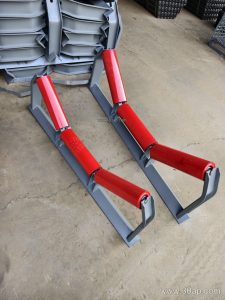
The self-aligning idler bracket is a pivoting support that carries the idlers of a belt conveyor and turns them slightly when the belt drifts sideways. It is a training device rather than a simple static support. When a conveyor belt begins to run off-center, the bracket swings around its vertical pivot and angles the idlers so that the belt is guided back toward the center line. This keeps the belt from rubbing the frame and reduces edge damage, spillage, and downtime.
On a long overland line or a short transfer conveyor in a sand and gravel plant, the same principle applies: small corrections happen continuously, and the operator does not need to adjust the frame by hand.
Construction and Mounting Position
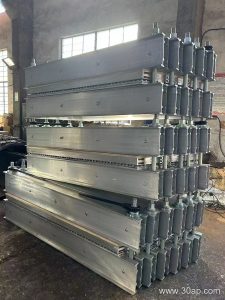
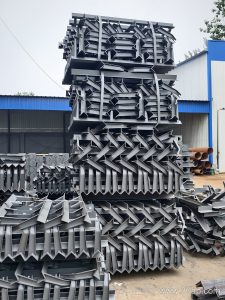
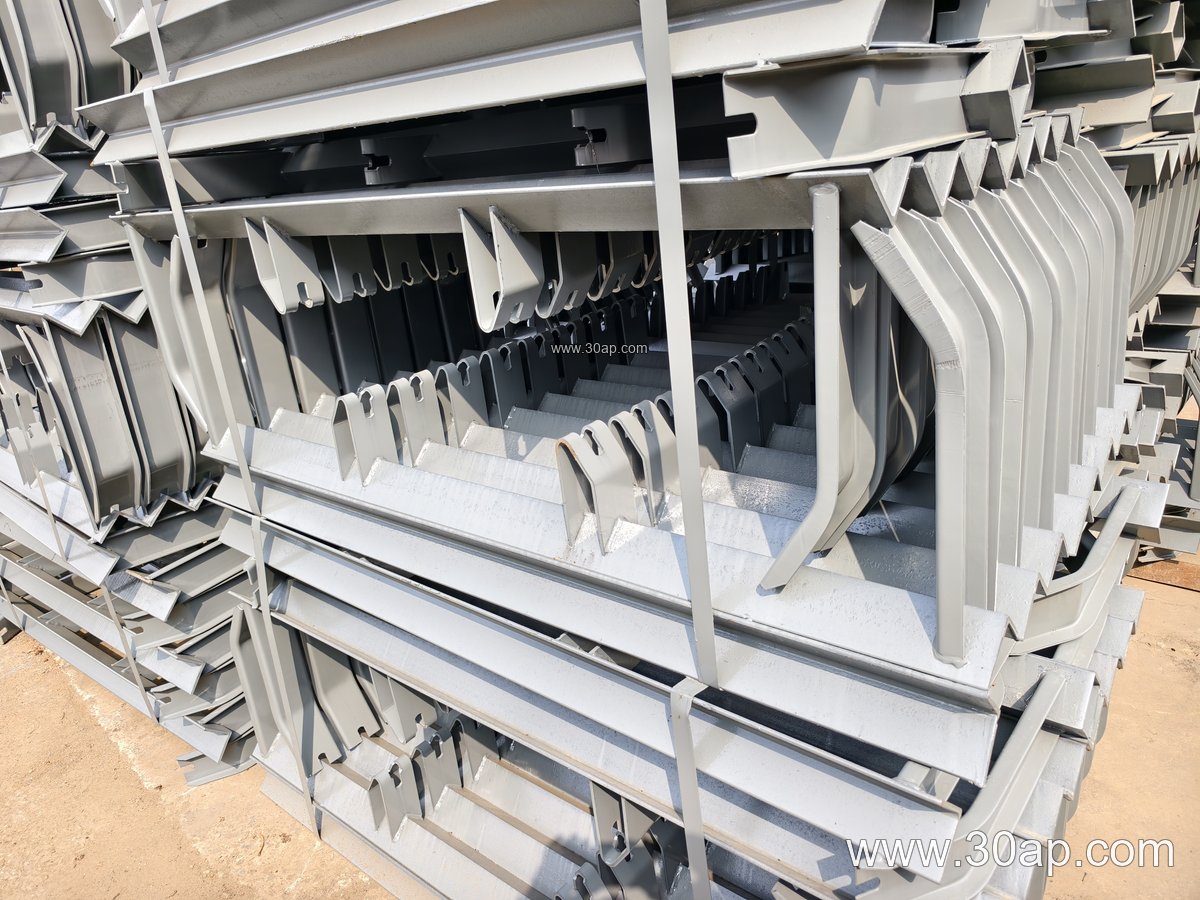
A typical unit is built from folded steel plate or channel sections, with a central pivot pin, a base plate that bolts to the conveyor stringer, and a cross beam that holds the idler roller assembly. The frame is usually painted or galvanized, and the pivot is fitted with a bushing or bearing so it moves freely without excessive play.
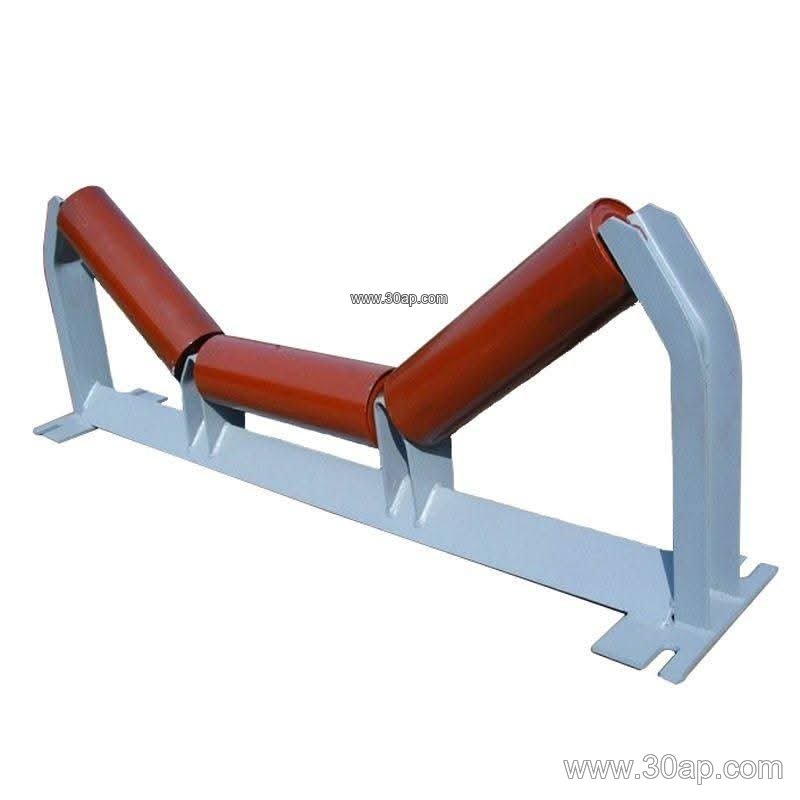
The bracket is normally placed on the carrying side, ahead of the point where misalignment tends to develop, and sometimes on the return strand as well. It is fixed to the conveyor bracket or stringer with bolts, so correct hole spacing on the base plate matters during installation. Many designs are supplied with a stop or limit so the swing angle stays within a safe range.
Where It Fits in the Conveyor Layout
Self-aligning brackets appear in quarry and aggregate lines, cement plants, power station coal handling, iron ore and copper ore circuits, and port loading systems. They are useful wherever belts are long, where loading is uneven, or where structure settlement can push a belt off track.
In a coal mining conveyor or an underground coal mining conveyor, the bracket must cope with dust, moisture, and limited maintenance windows, so a robust pivot and protected bearing area are worth checking.
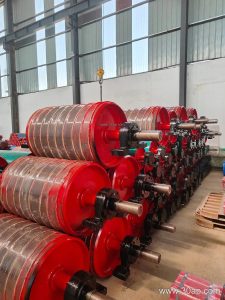
They work alongside the conveyor pulley, the conveyor belt, and the conveyor bracket system, but they do not replace the drive pulley, tail pulley, or bend pulley. Those pulleys control tension and direction; the self-aligning bracket only corrects lateral position.
Choosing Angle, Width, and Roller Diameter
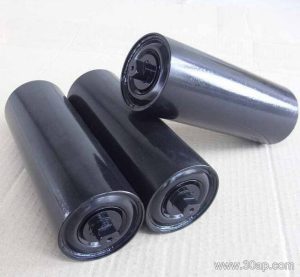
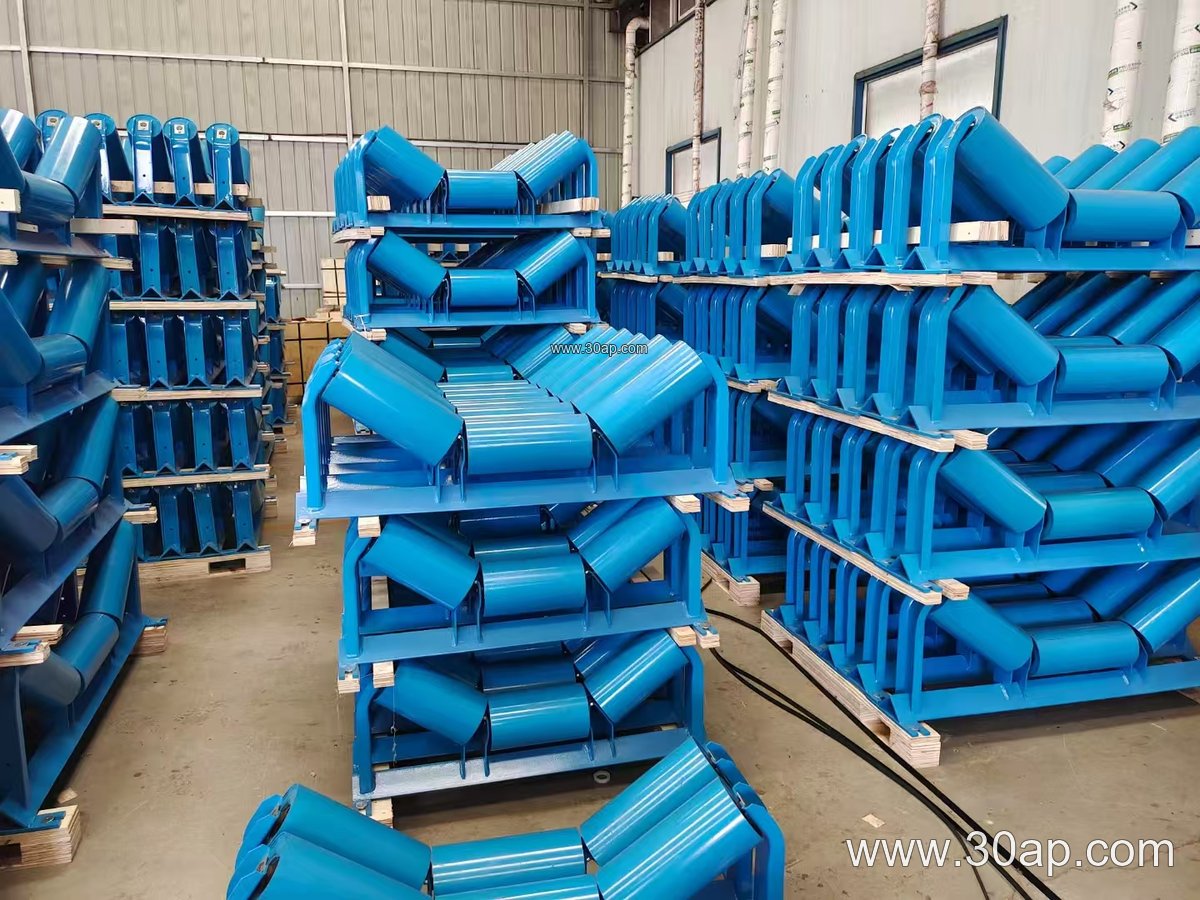
Selection starts with belt width and the required trough angle. Common trough angles are 20, 30, 35, and 45 degrees, and adjustable designs can be set between these values. Roller diameters such as Ø89, Ø108, Ø133, Ø159, and Ø194 are common, but the right combination depends on belt width, load, and speed. A B800 belt at 35 degrees with Ø108 rollers, or a B1200 belt at 45 degrees with Ø133 rollers, are typical arrangements, not fixed rules.
Installation hole spacing and cross beam length vary with belt width and trough angle, so they should be confirmed from the drawing rather than assumed. For a heavy-duty mining conveyor belt carrying abrasive rock, a stronger frame and larger roller may be sensible; for a lighter fabric core belt, a smaller and simpler bracket can be enough.
Buyer Checklist
- Confirm belt width, such as B650, B1000, B1400, or B1800, and the intended trough angle.
- Check the pivot for smooth movement, minimal play, and effective dust protection.
- Verify base plate hole spacing against the existing stringer or conveyor bracket.
- Match roller diameter and bearing type to the load and the belt surface.
- Ask how the bracket behaves with a chevron conveyor belt, a pipe conveyor belt, or a corrugated sidewall belt, since raised surfaces can affect contact.
- Review maintenance access, since a stiff pivot defeats the purpose of the device.
On sites handling heat resistant conveyor belt, oil resistant conveyor belt, or flame retardant conveyor belt, the bracket material and finish should suit the local environment. Rubber conveyor belt and EP conveyor belt users often add self-aligning brackets at transfer points and curves, while steel cord conveyor belt systems on long hauls may use several in sequence.
Regular inspection of the pivot, bolts, and idler condition keeps tracking correction effective. A bracket that is seized or mis-mounted can make belt wander worse, so alignment checks after installation are part of good conveyor practice.