What the Ø152 Conveyor Idler Is
The Ø152 conveyor idler is a carrying or return roller with a nominal shell diameter of 152 mm, sitting in the upper-middle part of the common roller range. It is an idler roller — not a drive, tail, or bend pulley — and its job is simply to support the belt and the load while allowing low-friction rotation. On a long overland or plant conveyor, a train of these rollers is what keeps the conveyor belt tracking smoothly between the head and tail of the system.
Because the diameter is larger than the common 89 mm to 133 mm sizes, the Ø152 roller is typically specified for wider belts, heavier material loads, or long spans where shaft deflection and bearing load matter. It is a familiar sight in cement plants, coal handling systems, power station coal yards, and quarry and aggregate lines.
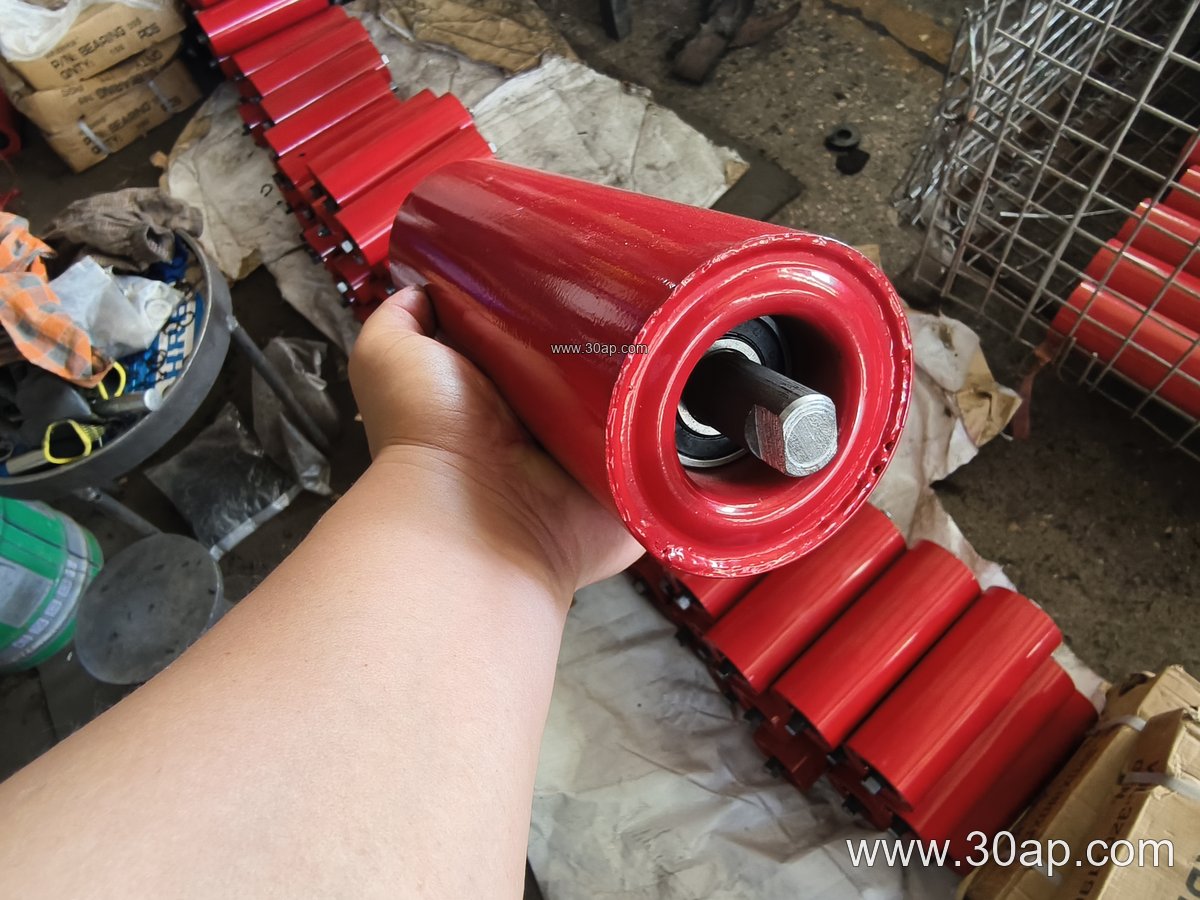
How the Roller Is Built
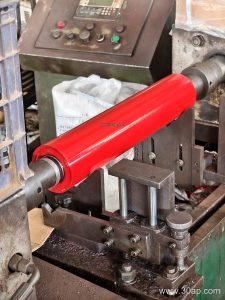
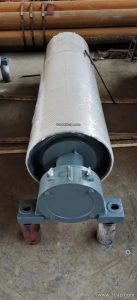
A typical unit combines a steel tube shell, a through shaft, two bearing housings, and a multi-stage seal. The larger diameter gives more internal room, so bearing selection can be more generous and the seal stack can be deeper.
- Shell: usually steel tube, sometimes with a nylon, ceramic, or rubber-ring surface for specific wear or impact duties.
- Bearing: common choices include 6305, 6306, 6308, and 6310, but the correct bearing depends on load, speed, and seal design — no single bearing is tied to one diameter.
- Seal: labyrinth or contact seals that keep out dust and water; critical in cement and coal dust environments.
- Shaft: sized by the conveyor designer from load and span, not from belt width alone.
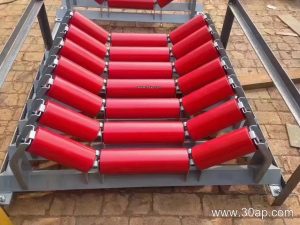
Roller length follows belt width and trough geometry. For a three-roll troughing set, common side-roller lengths run roughly 200 mm at B500 up to about 750 mm at B2000, with intermediate values such as 315 mm at B800 and 465 mm at B1200. These are examples, not fixed pairings, and centre and side rollers often differ.
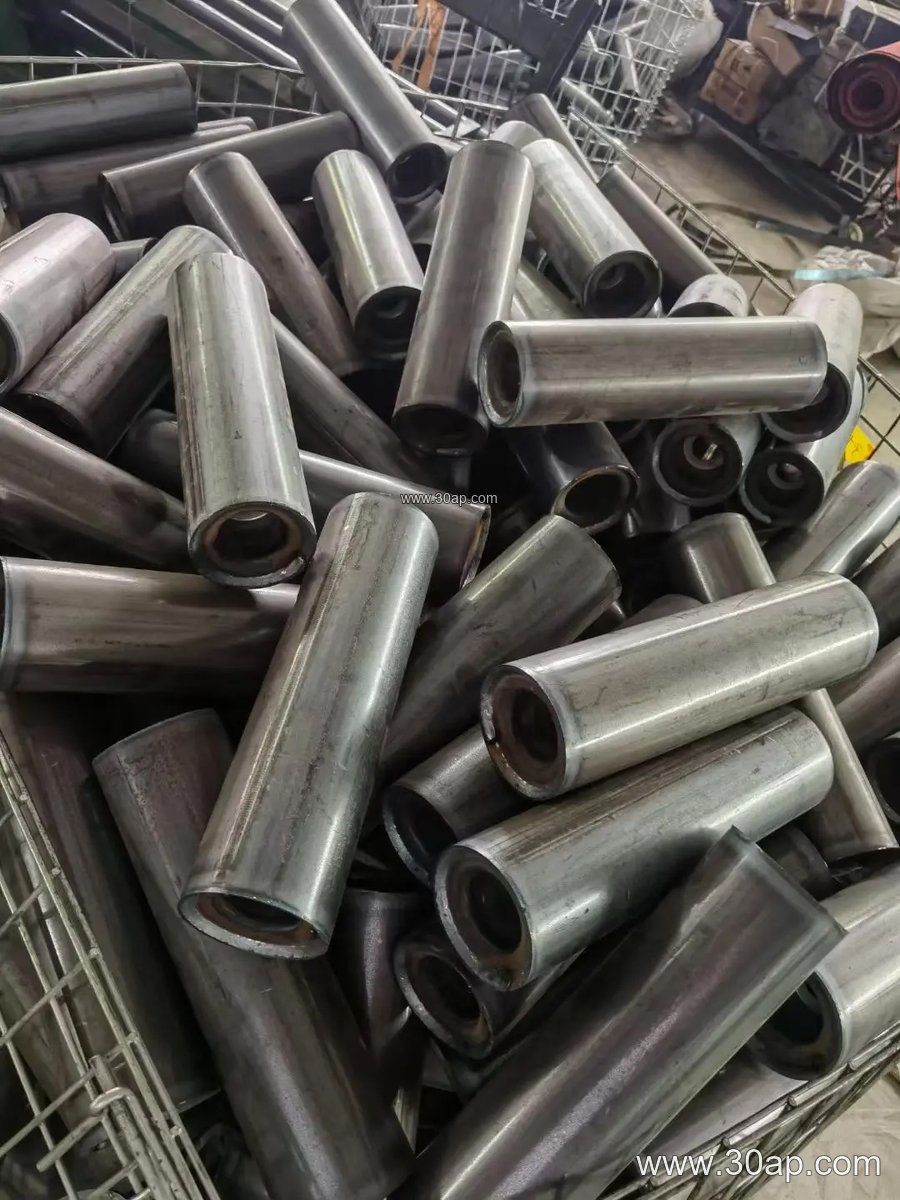
Where It Fits on the Conveyor
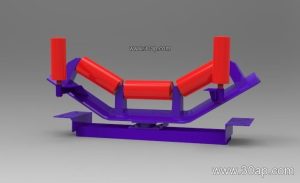
The Ø152 size appears most often in troughing sets, where three rollers form a 20, 30, 35, or 45 degree trough that shapes the belt into a material-holding curve. It also appears as a return roller, as a flat or V-return, and in transition zones where the belt moves from flat at the pulley to full trough.
Impact sections at a crusher discharge or transfer point may use a rubber-ring cushion roller of the same diameter to absorb falling rock. Alignment duties may call for a self-aligning roller with slightly forward-tilted rolls, commonly about 1.5 to 2 degrees. These are different subtypes serving different functions; they do not replace one another.
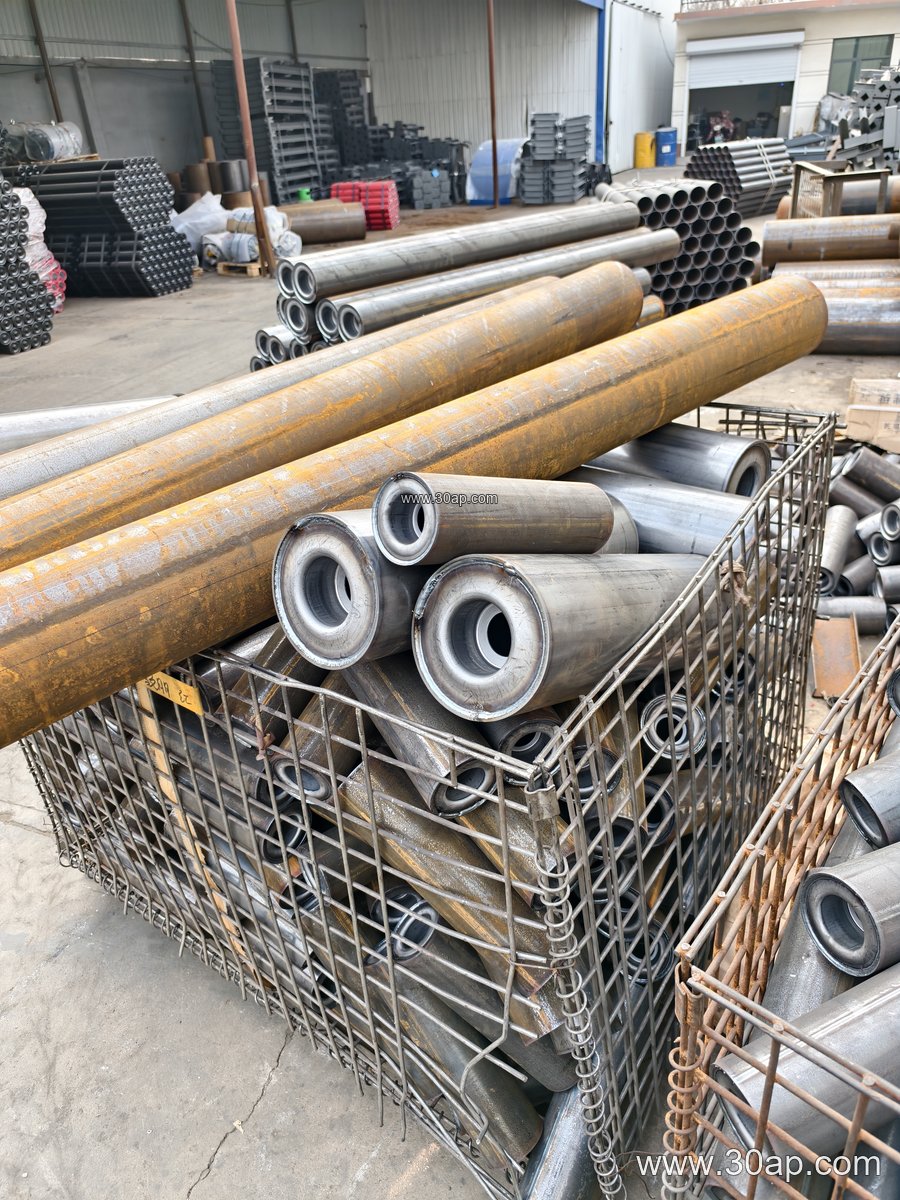
Industries and Belt Pairings
In a limestone quarry or sand and gravel plant, Ø152 rollers often carry an abrasion resistant conveyor belt on a primary or secondary line. In a coal preparation plant or power station coal yard, a flame retardant conveyor belt or PVG conveyor belt may run over the same diameter in a flame-protected installation. Cement plants pair them with heat resistant conveyor belt grades near clinker coolers, while port and ship-loading systems may use a steel cord conveyor belt on wide, long conveyors.
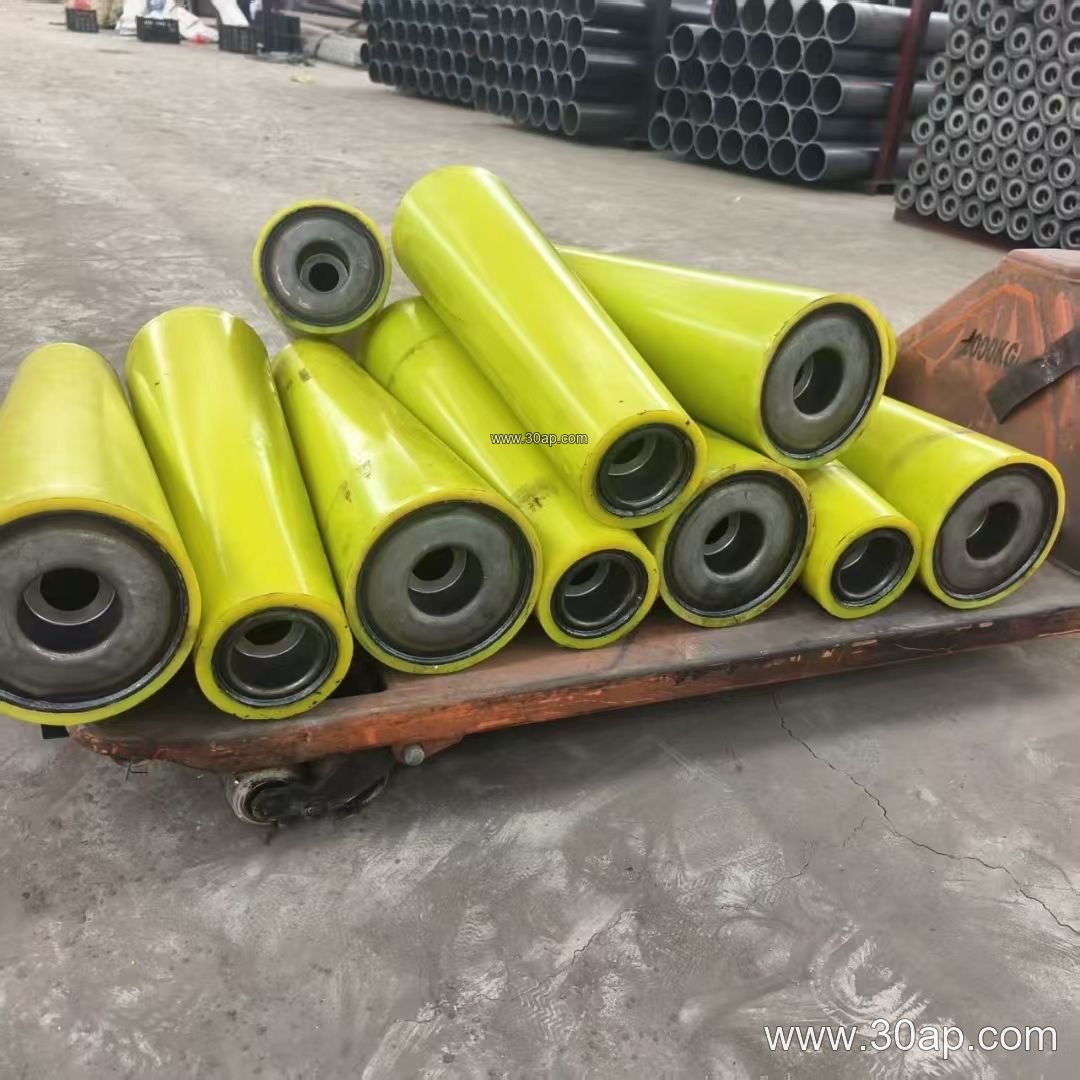
Heavier fabric constructions such as EP conveyor belt and NN conveyor belt are also common, and a multi-ply fabric core conveyor belt or high abrasion resistant conveyor belt may suit abrasive ore or rock. Matching roller diameter to belt tension, load, and speed is a design decision — one belt width does not dictate one roller diameter.
Selection and Maintenance Points
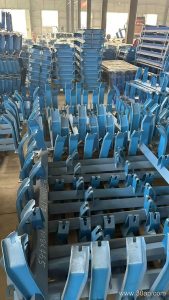
Buyers should confirm the mounting dimensions, shaft ends, and bracket type before ordering. A conveyor bracket that does not match the shaft will force rework, and a conveyor pulley at the head or tail must be checked separately from the idler train.
- Check shell thickness and tube straightness — a wobbling roller wears the belt edge.
- Confirm seal class for dusty or wet conditions.
- Verify bearing clearance and grease type for the ambient temperature.
- Ask for roller runout and rotation torque limits if the line runs at high speed.
During service, listen for squealing or rumbling, watch for belt wander, and replace a seized roller before it damages the belt cover. Spare rollers of the same Ø152 size, stored with matching brackets, shorten downtime in continuous plants.
For more on roller, belt, and pulley matching, see the resources at example.com/Ø152-conveyor-idler and example.com/conveyor-idler.