What a Guide Idler Bracket Does on a Conveyor
A guide idler bracket is a structural component that holds and positions idler rollers to keep a conveyor belt centered and supported along its run. Often called a training idler bracket or self-aligning idler bracket, it is distinct from standard fixed brackets because it allows controlled movement or angular adjustment of the idler assembly. In quarry and aggregate operations, a well-chosen guide idler bracket helps prevent belt edge damage and material spillage on fast-moving Aggregate Conveyor Belt lines.
Unlike drive pulleys, tail pulleys, or bend pulleys, which transmit power and change belt direction, the guide idler bracket works on the carrying or return side to guide the belt. It is not a substitute for a conveyor pulley; each has a separate role in the conveyor system.
Construction and Common Materials
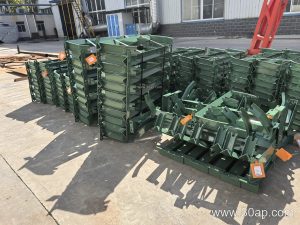
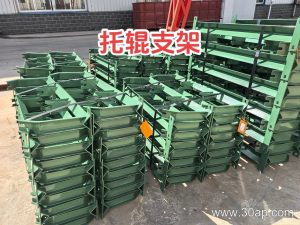
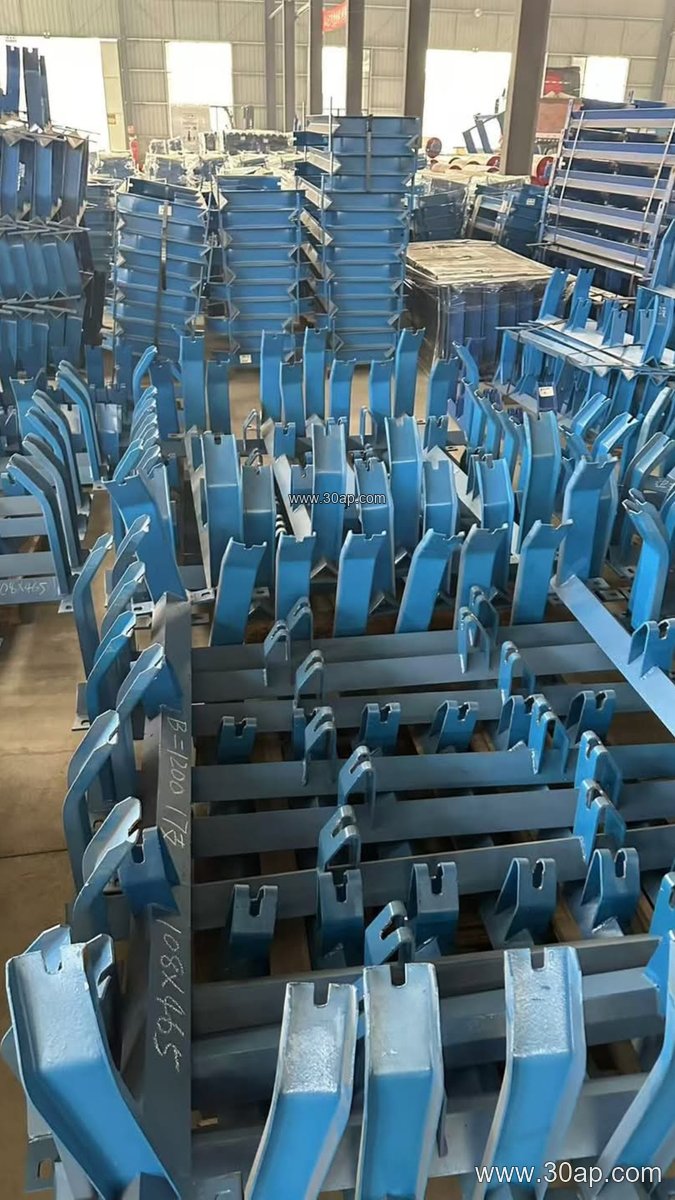
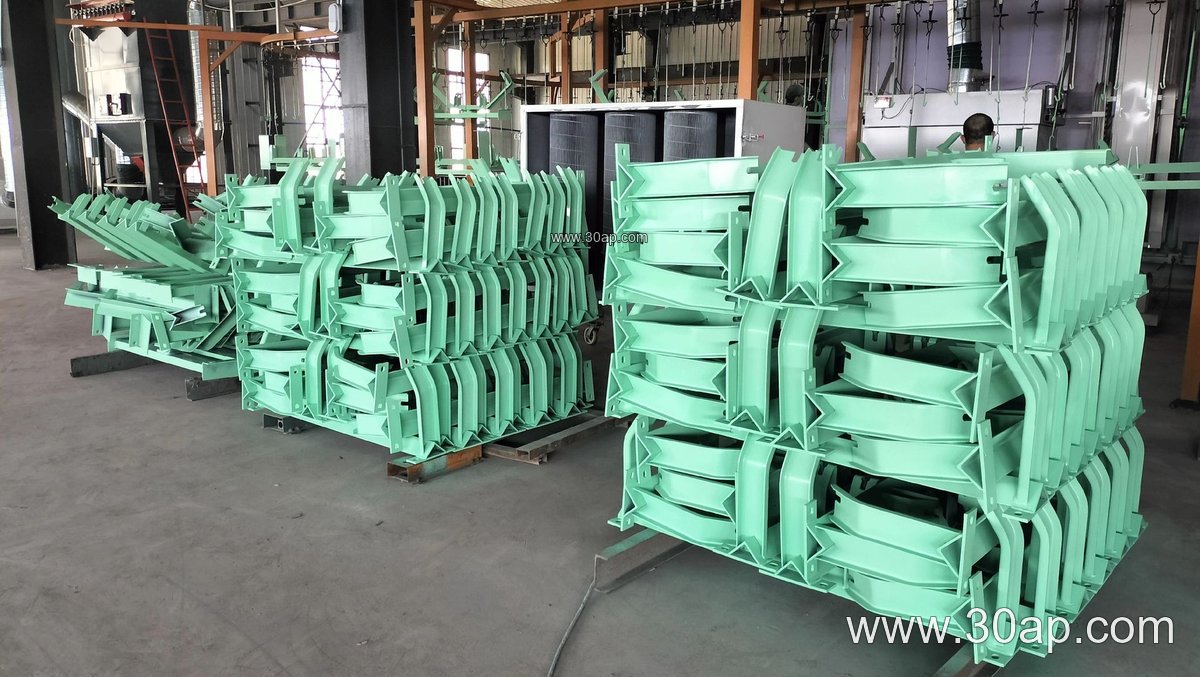
Fabricators typically build these brackets from angle steel, channel steel, or folded steel plate. The frame must resist vibration and bending loads without distorting, especially when carrying heavy loads on a Heavy-Duty Mining Conveyor Belt.
- Material options: angle iron, channel steel, bent steel plate
- Surface treatment: painted or galvanized according to site conditions
- Mounting: bolted to the conveyor stringer or welded to a cross beam
- Adjustment: slotted holes or pivoting arms for fine alignment
Because the bracket interfaces with the idler roller and the belt, its hole spacing and beam length are usually determined by belt width, trough angle, and roller diameter rather than fixed universal values.
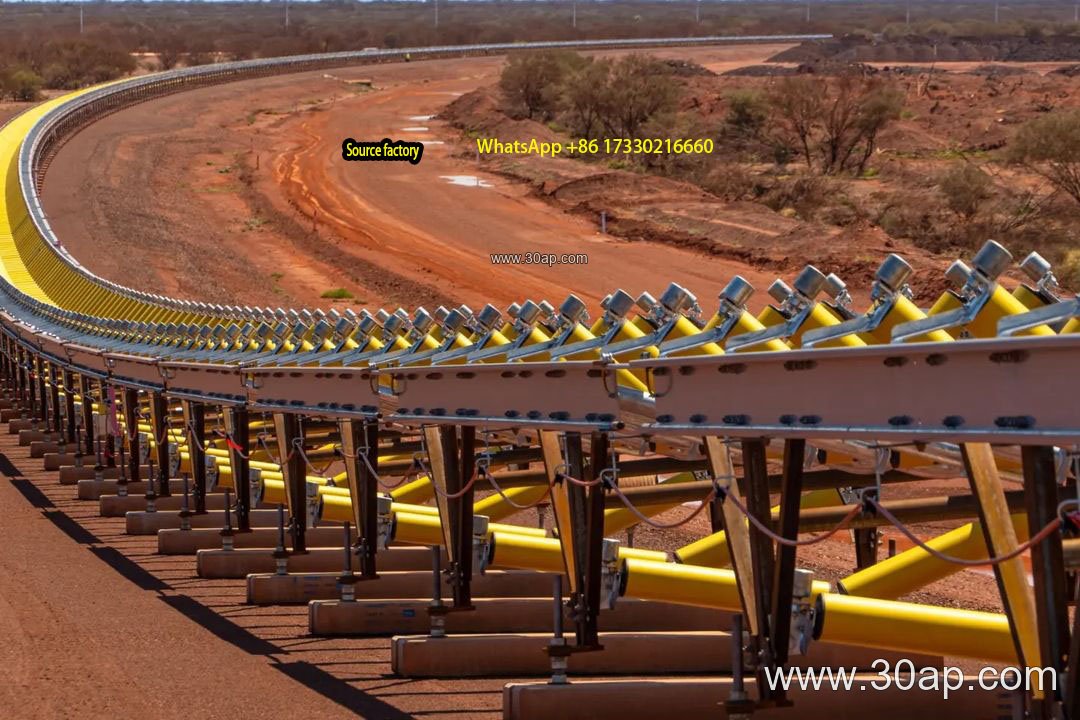
Where It Fits in the Conveyor Layout
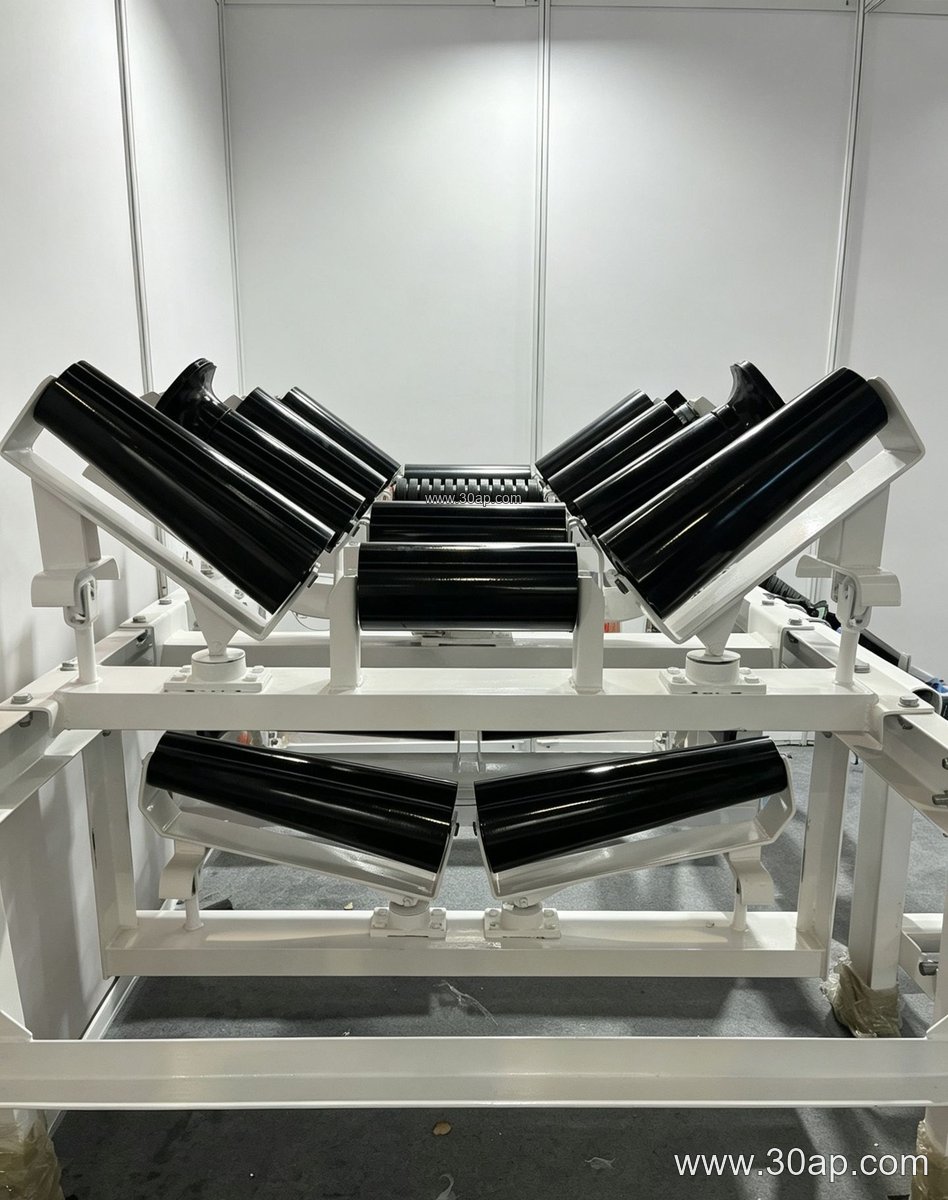
Guide idler brackets appear in several positions. On the carrying side, a troughing bracket sets the trough angle. A transition bracket supports the belt between the pulley and the first full troughing station. On the return side, a V-return bracket or flat return bracket keeps the belt stable. A self-aligning guide bracket may be mounted just ahead of a critical transfer point to correct minor belt drift.
In a coal handling plant or power plant coal yard, a misaligned belt on a Flame Retardant Conveyor Belt can rub against structure and create a safety risk. A guide idler bracket with adjustable arms allows maintenance crews to correct tracking without replacing the entire idler frame.
Matching Bracket to Belt Width and Roller Size
Buyers should treat published dimensions as reference data, not as fixed rules. A bracket for B800 belt at 35 degrees with Ø108 rollers is a common combination, but the same belt width may use a different trough angle or roller diameter depending on load and speed. The table below shows typical reference values; actual mounting hole spacing and beam length are confirmed by design.
| Belt Width (B) | Common Trough Angle | Typical Roller Diameter | Bracket Type Example |
|---|---|---|---|
| B500 | 20–30 degrees | Ø89 | Troughing, return |
| B650 | 30 degrees | Ø89 | Transition, V-return |
| B800 | 35 degrees | Ø108 | Troughing, self-aligning |
| B1000 | 35–45 degrees | Ø108–Ø133 | Troughing, impact |
| B1200 | 35–45 degrees | Ø133 | Troughing, training |
| B1400 | 35–45 degrees | Ø133–Ø159 | Heavy troughing |
| B1600 | 35–45 degrees | Ø159 | Troughing, return |
| B1800 | 35–45 degrees | Ø159–Ø194 | Heavy-duty troughing |
| B2000 | 35–45 degrees | Ø194 | Heavy-duty troughing |
Note that a single belt width can pair with more than one roller diameter and trough angle. Forward lean of about 1.5 to 2 degrees is sometimes used on training brackets to encourage self-centering, but this is a design choice, not a universal requirement.
Selection and Maintenance Tips
When specifying a guide idler bracket, confirm the belt width, trough angle, roller diameter, and mounting interface with the conveyor stringer. For a cement plant or steel plant conveyor carrying abrasive material, choose a bracket that keeps the Abrasion Resistant Conveyor Belt tracking smoothly to reduce edge wear. In a sand and gravel line, a self-aligning bracket ahead of the crusher can prevent belt wander that might damage the Crusher Conveyor Belt.
Inspect brackets periodically for loose bolts, bent arms, and worn pivot points. A bracket that no longer holds its set angle can cause the belt to train poorly, leading to edge damage and spillage. Replacing worn guide idler brackets early is usually less costly than repairing a damaged belt or idler roller.
For underground coal mining or port ship loading, confirm that the bracket design suits the environment, including dust and moisture exposure. The guide idler bracket is a small component, but it plays a direct role in belt alignment and the service life of the conveyor belt and idler rollers.