What the EP500 Conveyor Belt Is
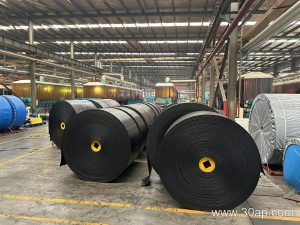
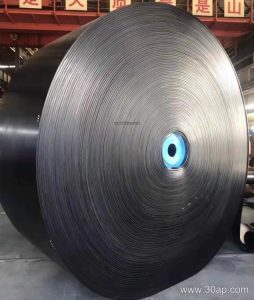
The EP500 conveyor belt is a fabric-core belt built on polyester (E) and nylon (P) warp and weft yarns. Its 500 designation refers to a nominal tensile strength of 500 N/mm per ply, placing it in the middle-to-heavy range of EP constructions. This belt is often called an EP rubber conveyor belt or EP fabric core conveyor belt, and it sits between lighter EP200 or EP400 grades and higher EP630 or EP800 ratings. Buyers who need more strength than a multi-ply fabric core belt can offer sometimes move up to a steel cord conveyor belt, but for many quarry, cement and bulk material duties the EP500 remains a practical balance of strength, flexibility and spliceability.
Construction and Common Specifications
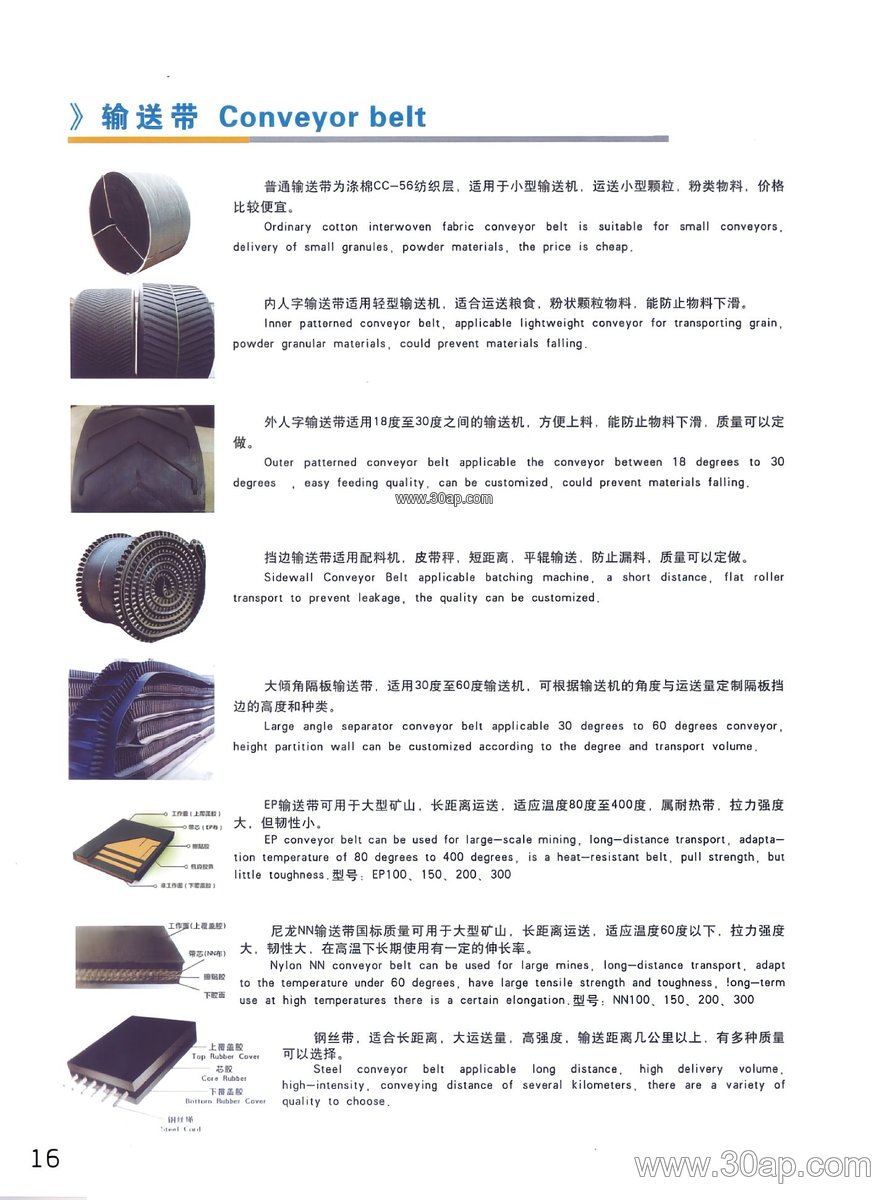
An EP500 belt usually combines two to five plies of EP fabric with rubber covers on both faces. Cover thickness is selected by duty: 4+2 mm and 5+2 mm are common for abrasive rock, while 6+2 mm or 8+3 mm may appear in severe impact zones. The table below shows reference figures only; actual values are confirmed by design and by the manufacturer.
- Belt type: EP500 (EP fabric core)
- Nominal strength: 500 N/mm per ply (reference)
- Common widths: B650, B800, B1000, B1200, B1400, B1600
- Cover combinations: 4+2, 5+2, 6+2, 8+3 mm
- Ply count: typically 2 to 5
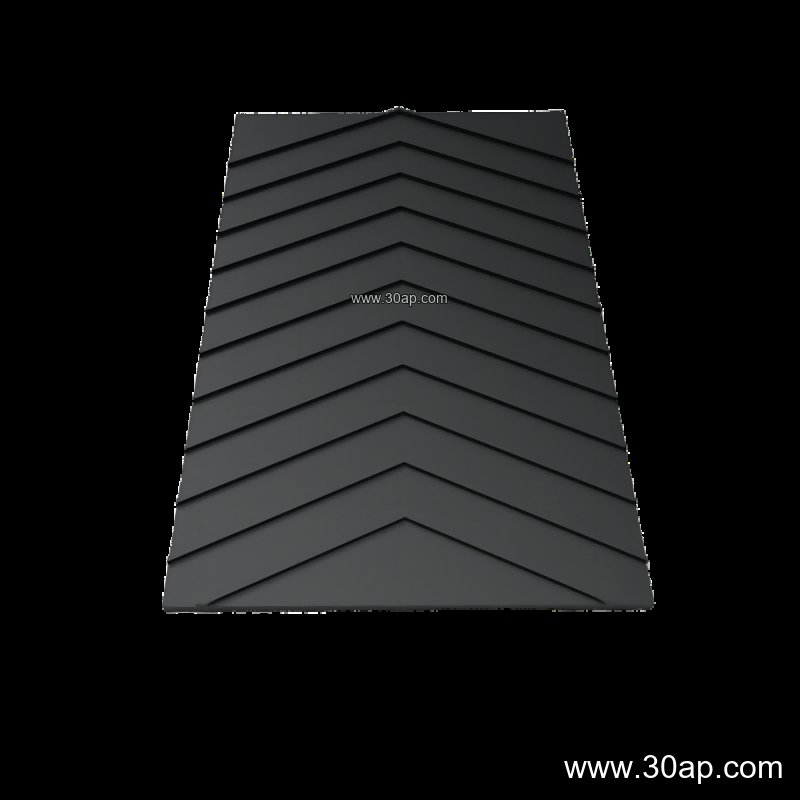
- Surface forms: smooth, chevron or skirted sidewall when needed
Special grades can be supplied for heat, oil, flame retardant or anti-static service. A flame retardant conveyor belt is often requested for coal mining conveyor belts and underground mining conveyor belts, while a heat resistant conveyor belt suits cement plant and steel plant sections that carry hot clinker or sinter. These variants are still EP500 belts; they differ in cover compound and sometimes in fabric treatment.
Where It Fits in the Plant
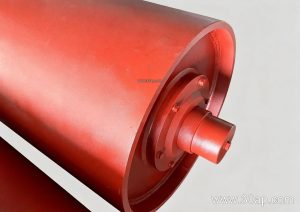
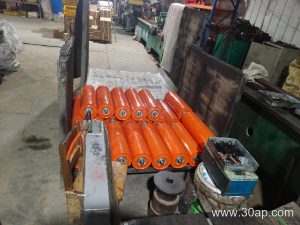
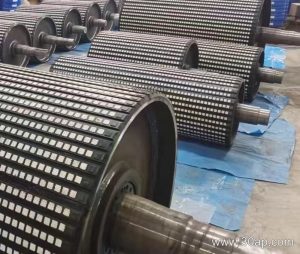
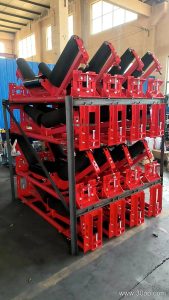
The EP500 conveyor belt is widely used in sand and gravel pits, stone crushing lines, cement plants, power plants and port loading systems. It handles bulk material conveyor belt duties such as crushed rock, aggregate, ore and clinker on troughed idlers. In a typical conveyor frame, the belt runs over a series of idler rollers and around a head pulley, tail pulley and bend pulleys. Each pulley has its own function and should be specified separately; a drive pulley is not a substitute for a tail pulley, and bend pulleys are not interchangeable with either.
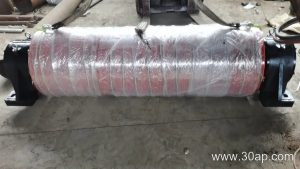
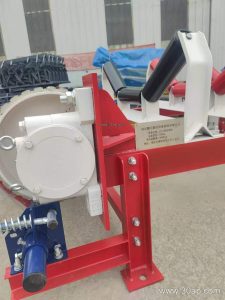
Supporting components such as the conveyor bracket and conveyor pulley must be matched to belt width and load. A 1200mm wide conveyor belt will need a different frame and pulley face than a 650mm belt, but no single belt width is tied to one pulley diameter. Shaft size follows the pulley design and the conveyor duty, not the belt width alone.
Selection and Maintenance Notes
When choosing an EP500 belt, start with the peak tension and the take-up arrangement. Confirm the number of plies and cover thickness with the belt manufacturer, then check that the pulley diameters and idler spacing suit the belt’s flexibility. For high-abrasion duty such as iron ore or copper ore, an abrasion resistant conveyor belt cover may extend service life. In cold climates, a cold resistant conveyor belt grade can help prevent cover cracking. For dusty coal operations, an anti-static conveyor belt is often part of the specification.
Installation matters as much as the belt itself. Keep idler rollers aligned, maintain adequate counterweight tension, and inspect splices regularly. A poorly aligned conveyor bracket or a worn conveyor pulley can damage even a correctly rated EP500 belt. When replacing a belt, record the existing width, ply count and cover thickness so the next order matches the conveyor design.
Buyer Checklist
- Confirm required tensile grade and ply count for the conveyor profile.
- Select cover thickness for abrasion, impact and heat exposure.
- Check belt width against the existing pulley face and frame.
- Specify flame retardant or anti-static properties where regulations require them.
- Review splice method and take-up travel before ordering.
An EP500 conveyor belt is not the right choice for every line. Very long, high-tension routes may call for a steel cord conveyor belt, and light package handling may suit a thinner PVC belt. For heavy bulk material in mining, quarry and cement service, however, the EP500 grade offers a familiar and serviceable option when the specification is matched to the duty.