What a Terminal Conveyor Pulley Does
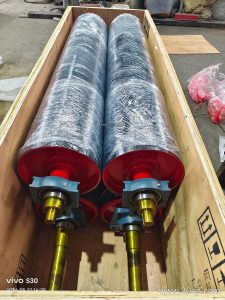
A terminal conveyor pulley is the drum that sits at the far end of a belt conveyor and closes the loop of the belt path. In most layouts it is the head pulley, where the belt discharges its load, but on some conveyors the terminal position is the tail end, where material is fed onto the belt. Either way, this pulley is the fixed reference point of the whole conveyor line: it sets the belt path, carries the highest share of belt tension, and in many drives it also transmits power.
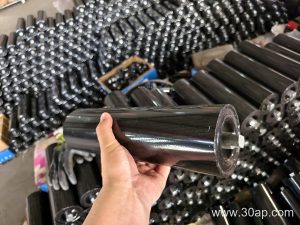
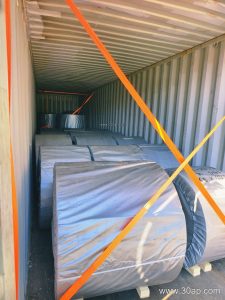
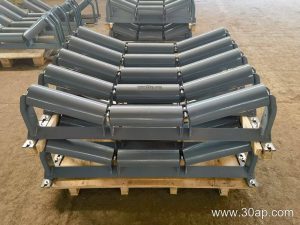
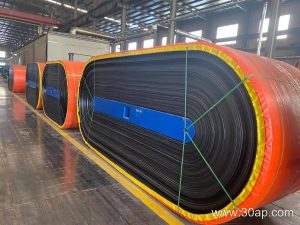
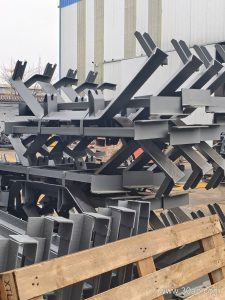
Around it, the rest of the system has to line up, including the conveyor belt, the idler roller sets along the carrying and return strands, the conveyor bracket at the frame, and the take-up arrangement. If the terminal drum is sized or built poorly, the belt will track badly no matter how well the idlers are set.
Construction and Main Parts
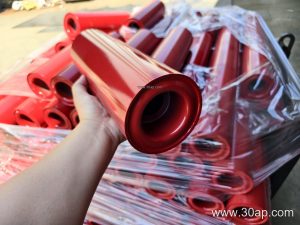
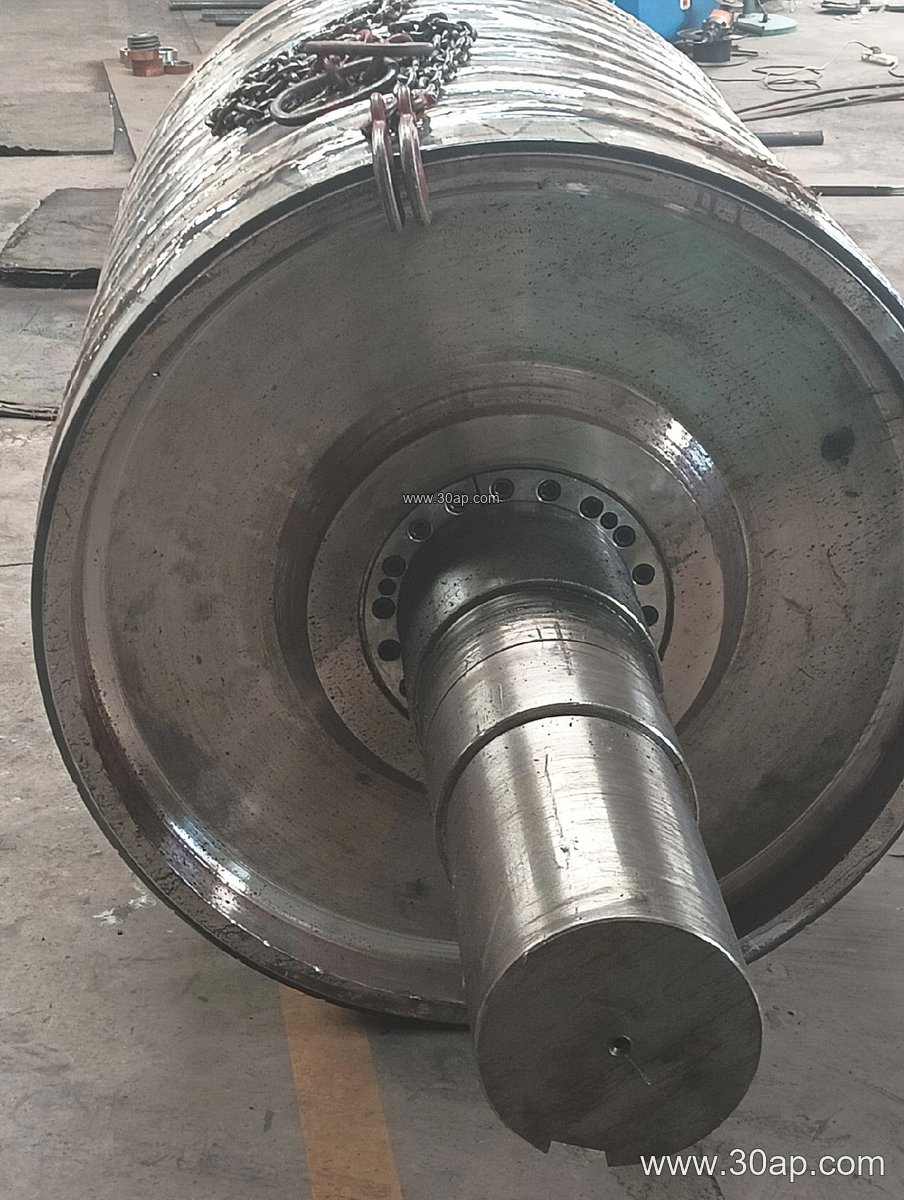
The basic build is a cylindrical shell with end discs and a shaft running through the center. The shell is usually rolled steel, sometimes with a machined face for a snug belt contact. Shafts are sized by torque and bearing load rather than belt width alone; common shaft diameters range from about Ø50 to Ø200 mm depending on duty. Bearings sit in housings bolted to the conveyor frame, and the pulley is joined to the drive through a coupling, gearbox, or a built-in motor in the case of a motorized drum.
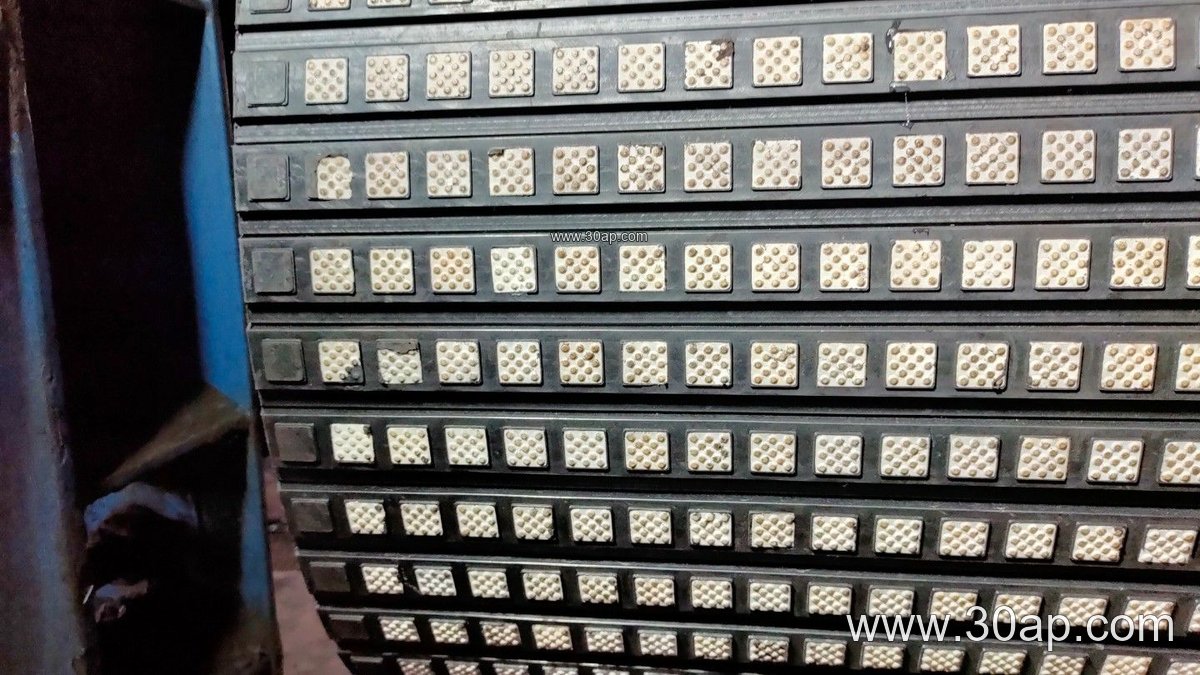
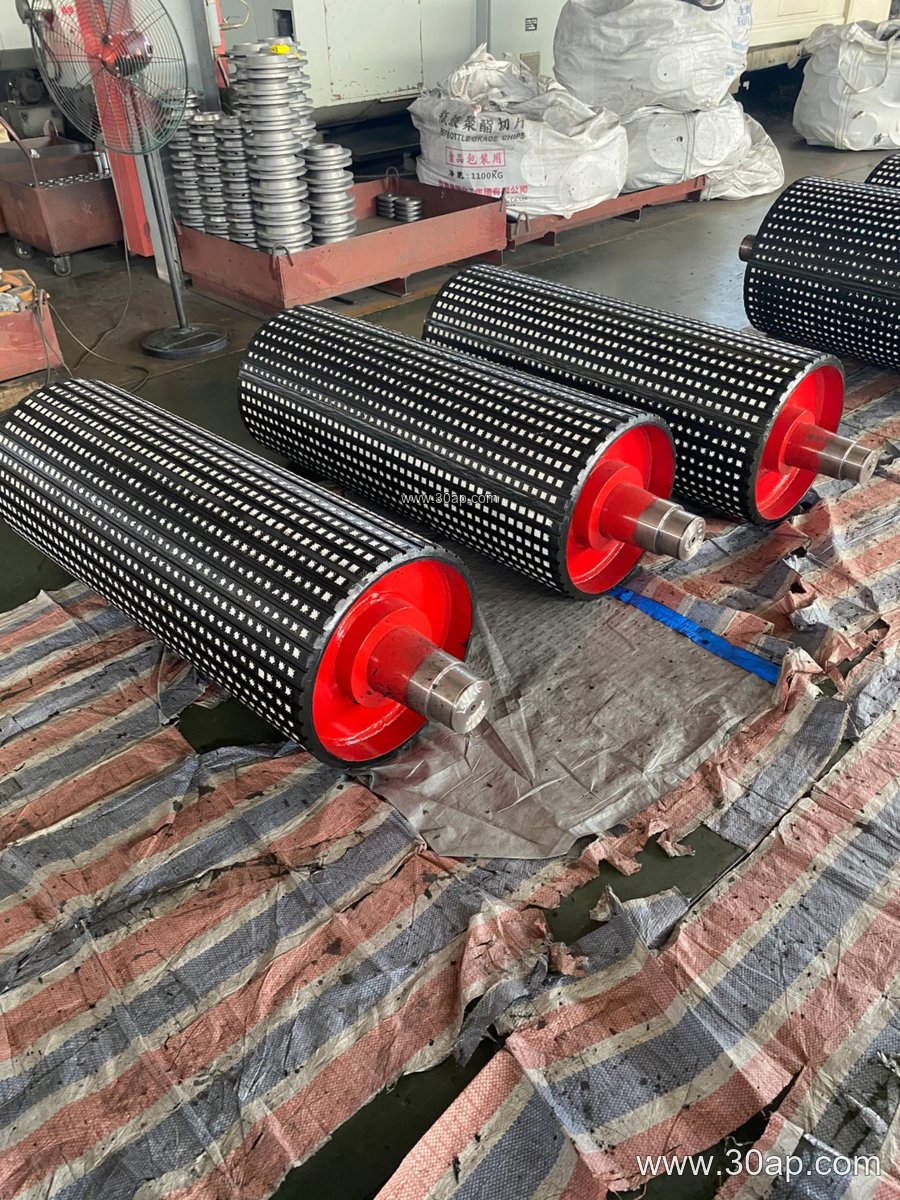
Surface treatment matters at the discharge end. A plain face is fine for light, dry service. For grip and wear life, buyers often choose rubber lagging applied by cold bonding or hot vulcanizing, with diamond or herringbone patterns for wet or dusty conditions, and ceramic lagging where abrasion is severe. Lagging thickness commonly runs 8, 10, 12, 15, or 20 mm. A terminal conveyor pulley used as a drive drum usually gets lagging; a non-driven terminal drum may stay plain or receive a thin wear layer.
Where It Fits in the Plant
You will see this drum in almost any bulk handling line. In a quarry or aggregate plant it often sits at the head of the main discharge conveyor, throwing crushed rock onto a stockpile. In a coal washing plant or a power plant coal yard, it works with a flame retardant conveyor belt and is sized for dusty, sometimes wet conditions. In a cement plant it may handle hot clinker on a heat resistant belt, while an iron ore or copper ore concentrator calls for heavy lagging and robust bearings.
Port bulk terminals, ship loading lines, and long overland conveyors also rely on a well-built end drum, since a stop there halts the entire circuit. Even small installations, such as a crusher discharge belt or a tunnel mucking line, need the terminal pulley to be aligned with the take-up so the belt does not wander. A terminal conveyor pulley from www.bulkconveyorparts.com is often specified together with the belt and idler package so the whole line is matched.
Sizes and Design Combinations
There is no single rule tying belt width to drum diameter. The table below shows typical reference pairings; final values should come from the conveyor design, belt tension, and torque calculations.
| Belt width (B) | Typical face width | Common diameter range |
|---|---|---|
| B500 | about 600 mm | Ø250 to Ø400 |
| B650 | about 750 mm | Ø315 to Ø500 |
| B800 | about 950 mm | Ø400 to Ø630 |
| B1000 | about 1150 mm | Ø500 to Ø800 |
| B1200 | about 1400 mm | Ø630 to Ø1000 |
| B1400 | about 1600 mm | Ø800 to Ø1250 |
| B1600 | about 1800 mm | Ø1000 to Ø1400 |
| B1800 | about 2000 mm | Ø1250 to Ø1600 |
Face width is usually a little wider than the belt so the belt edges stay supported. Diameter is chosen for belt wrap, bending fatigue, and the allowable belt tension; a B800 conveyor might use a Ø500 drum on a short line and a Ø630 drum on a longer, higher-tension one. Shaft diameter is a separate decision based on torque and bearing life, not a fixed match to belt width.
Buying Notes
- Confirm the duty: drive or non-drive, head or tail position, and the belt tension at that point.
- State the belt type and width, whether an EP conveyor belt, a steel cord conveyor belt, or a fabric core belt, since tension levels differ.
- Choose lagging for the environment: plain for dry light duty, rubber for general grip, ceramic for high abrasion.
- Ask for the shaft and bearing calculation, not just a diameter figure.
- Check that the pulley face, frame bracket, and take-up travel all agree before ordering.
Maintenance is mostly about alignment and lagging wear. Check bearing temperature, keep the drum face clean, and inspect lagging for grooves or tears. A worn terminal drum is a common cause of belt slip and edge damage, so replacing lagging on schedule protects the conveyor belt and the idler roller sets downstream.