What a Conveyor Bracket Really Does
A conveyor bracket is the steel interface between the conveyor frame and the rollers that carry or return the belt. In everyday plant language it is often called a conveyor support bracket or roller bracket, and it is the part that fixes trough angle, roller spacing and alignment in place. Procurement starts with understanding that a bracket is not a simple piece of angle iron: it sets how the conveyor belt sits, how the idler roller rotates, and how quickly a misaligned frame shows up as edge wear or spillage.
At sites such as a limestone quarry, a cement plant or a power station coal yard, the bracket choice affects downtime more than its unit cost suggests. A weak or wrongly angled bracket can shorten roller life and damage an expensive EP conveyor belt or steel cord conveyor belt.
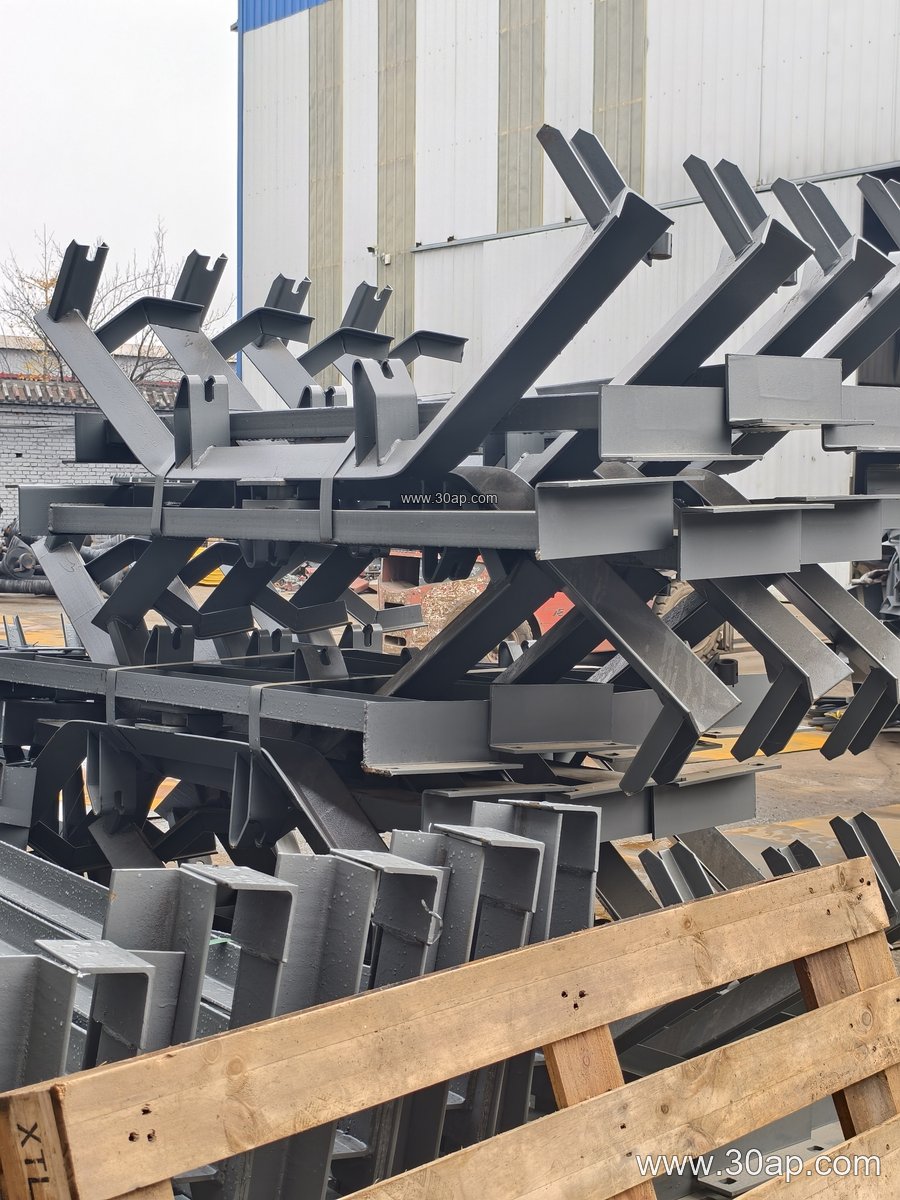
How the Bracket Is Built
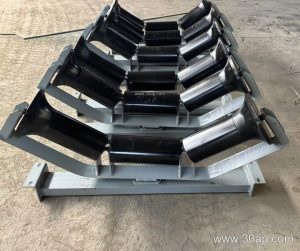
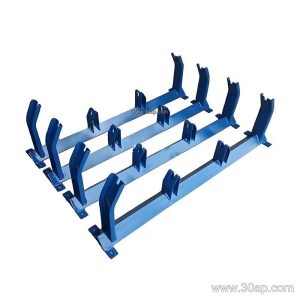
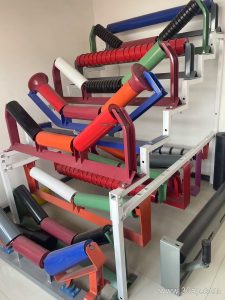
Most brackets are fabricated from angle steel, channel steel or folded steel plate, then drilled, welded and coated. A troughing bracket normally carries three rollers at a set trough angle; a return bracket supports the belt on the return run, often with a V-shaped or flat arrangement. Adjustable versions allow the trough angle to be changed on site, which helps when a conveyor is being tuned for a new material or a different belt load.
Key build details a buyer should confirm include hole pitch, crossbeam length, welding quality, hole alignment and surface treatment. Hole pitch and beam length change with belt width and trough angle, so they should be treated as design values rather than fixed numbers.
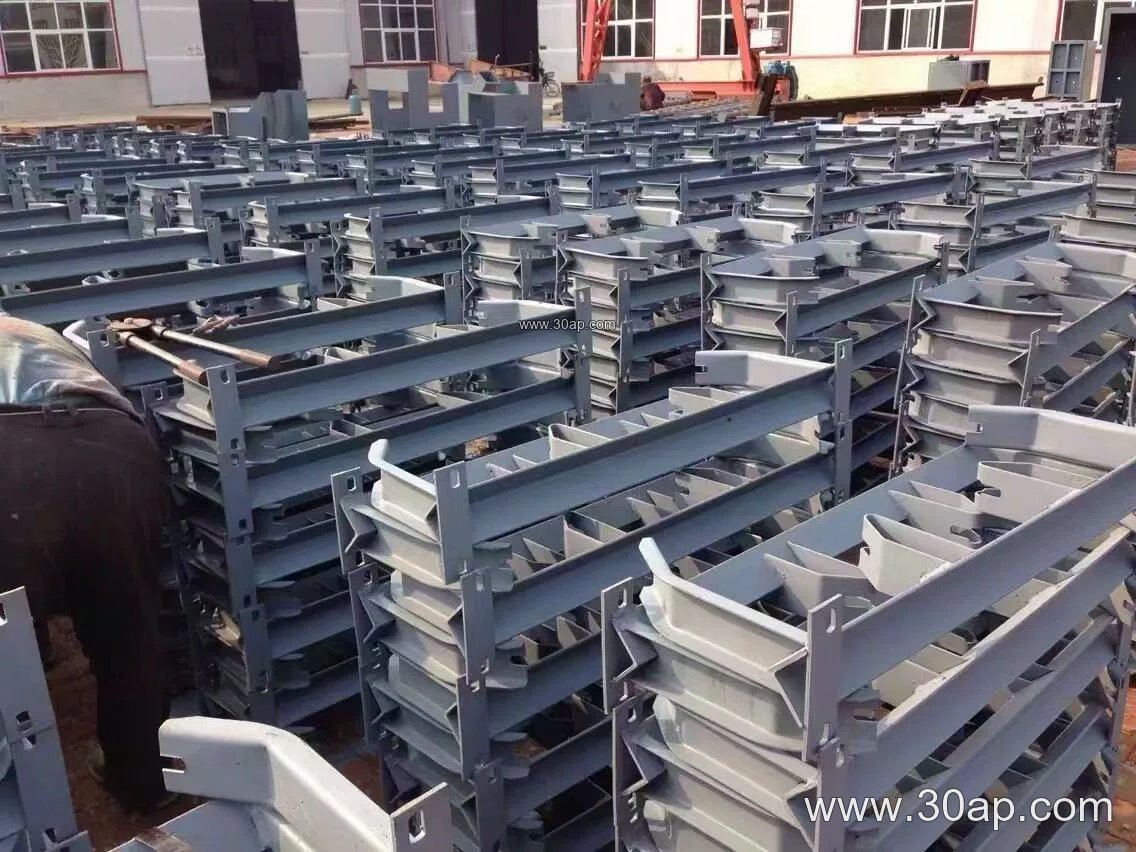
Common Reference Combinations
The table below shows typical reference combinations only. They are not universal matches, and no belt width is limited to a single trough angle or roller diameter.
| Belt width | Trough angle | Roller diameter | Typical use |
|---|---|---|---|
| B500 | 20 degrees | Ø89 | Light aggregate lines |
| B650 | 30 degrees | Ø89 | Sand and gravel conveyors |
| B800 | 35 degrees | Ø108 | Cement plant transfer points |
| B1000 | 35 degrees | Ø108 | Coal handling systems |
| B1200 | 45 degrees | Ø133 | Iron ore and heavy bulk duty |
| B1400 | 45 degrees | Ø133 | Port and ship loading lines |
| B1600 | 35 degrees | Ø159 | Large primary crushing circuits |
| B1800 | 45 degrees | Ø159 | High-capacity mining conveyors |
Brackets are also made for B2000, B2200 and wider frames, usually as custom fabrications. Heavier rollers such as Ø194 are used where impact and load are high.
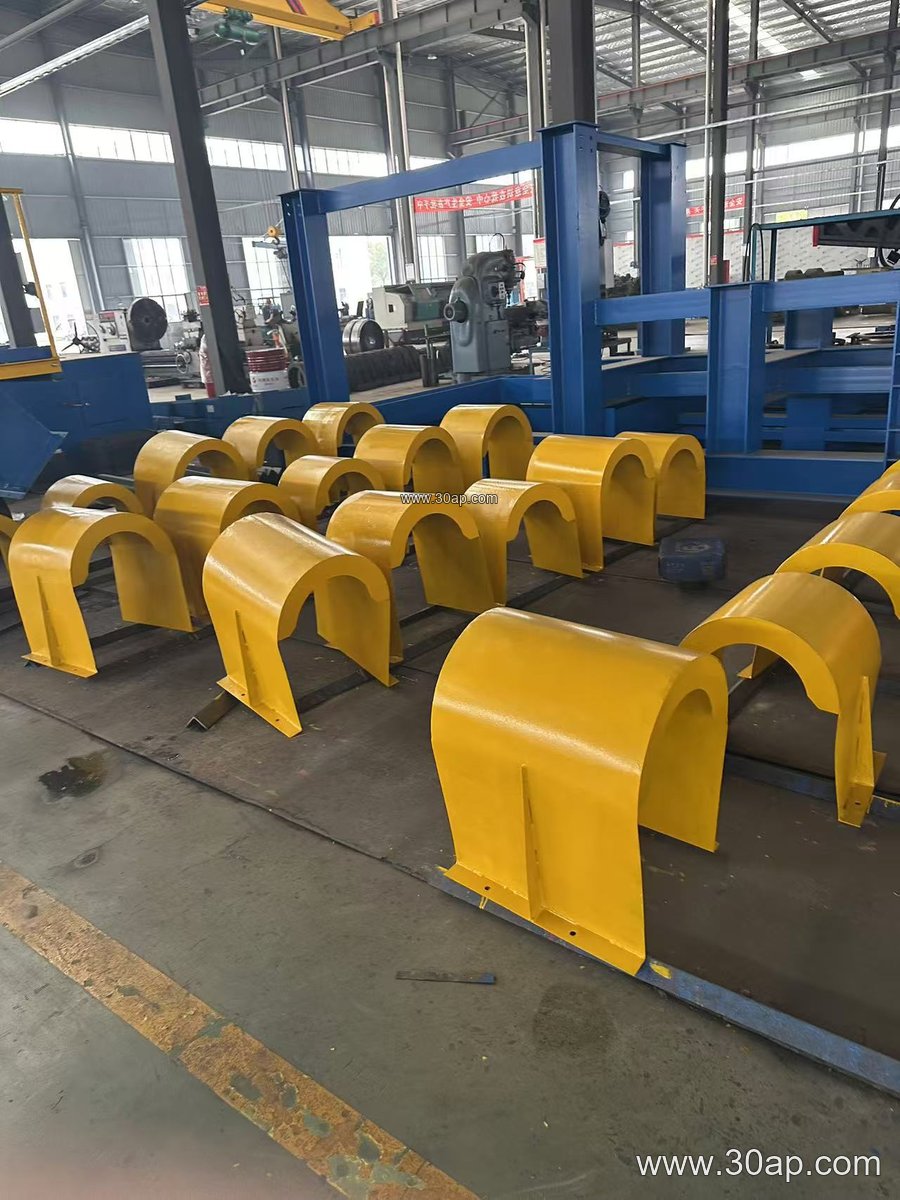
Where the Bracket Fits in the System
A conveyor bracket works together with the conveyor pulley, the conveyor belt and the idler roller. The drive pulley pulls, the tail pulley returns, and the bend pulley changes direction, but the bracket is what keeps the belt profile stable between those points. On a crusher discharge conveyor or a screening line, a buffer bracket under the impact zone protects both roller and belt.
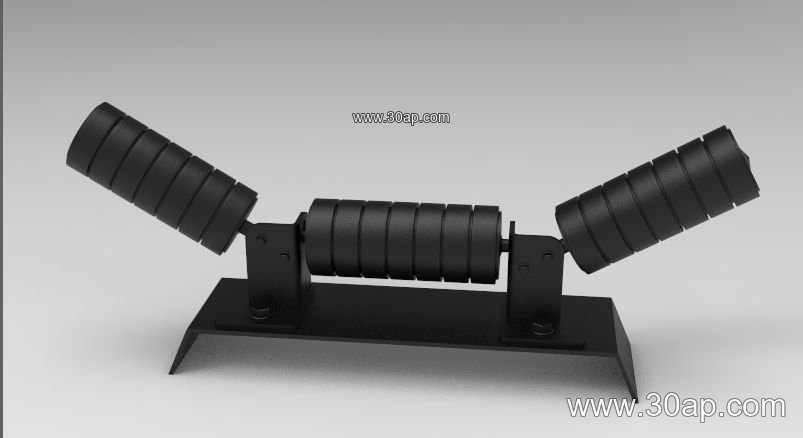
Applications vary widely: a coal mining conveyor may need flame retardant conveyor belt and robust brackets underground, while a food or fertilizer plant may care more about cleanliness and corrosion resistance. In a steel plant sinter line or a tunnel mucking system, brackets face dust, heat and shock, so material thickness and coating matter.
Procurement Checklist
- Confirm belt width, trough angle and roller diameter as a set, not as separate guesses.
- Ask for a drawing showing hole pitch and crossbeam length for each bracket type.
- Specify fixed or adjustable brackets; adjustable types suit lines that may change duty.
- Match bracket strength to the belt: a heavy-duty mining conveyor belt needs a stiffer frame than a light package line.
- Check that self-aligning and transition brackets are included where belt tracking is critical.
- Review coating and steel grade against the site environment, especially in washdown or coastal areas.
Buyers should also ask how brackets are packed and marked, because a mixed delivery of troughing, return and transition brackets can slow installation. Clear labeling by belt width and angle reduces site errors.
Installation and Maintenance Notes
Alignment is the most common cause of premature wear. Bolts should be tightened to the fabricator’s recommendation, and brackets should be checked after the first weeks of running. A loose bracket can tilt a roller, which then damages the belt edge and may lead to mistracking. During planned shutdowns, inspect welds, holes and coating, and replace distorted brackets rather than forcing rollers into place.
Good conveyor bracket procurement is about matching several small steel parts to one large system. When the bracket, roller and belt are specified together, a quarry, cement works or power plant gets a quieter, straighter and longer-lasting conveyor.