What a Fixed Conveyor Bracket Does on the Line
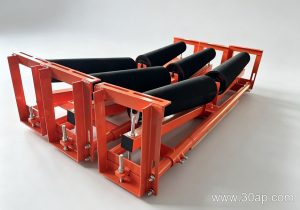
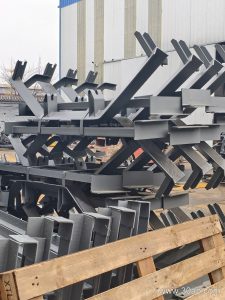
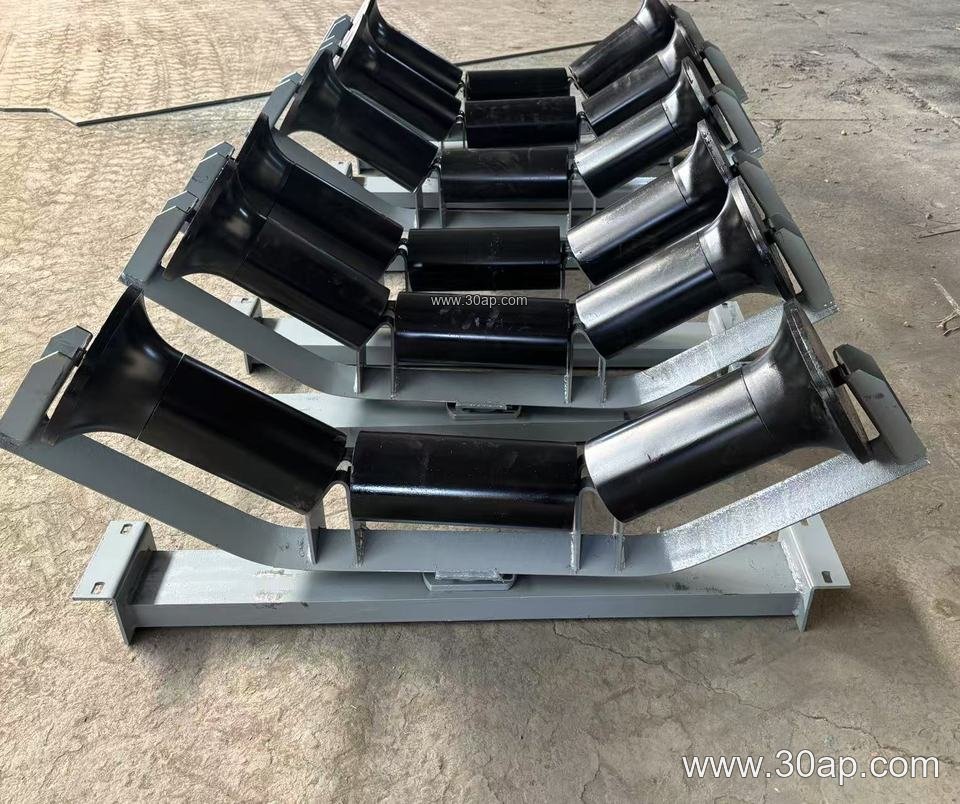
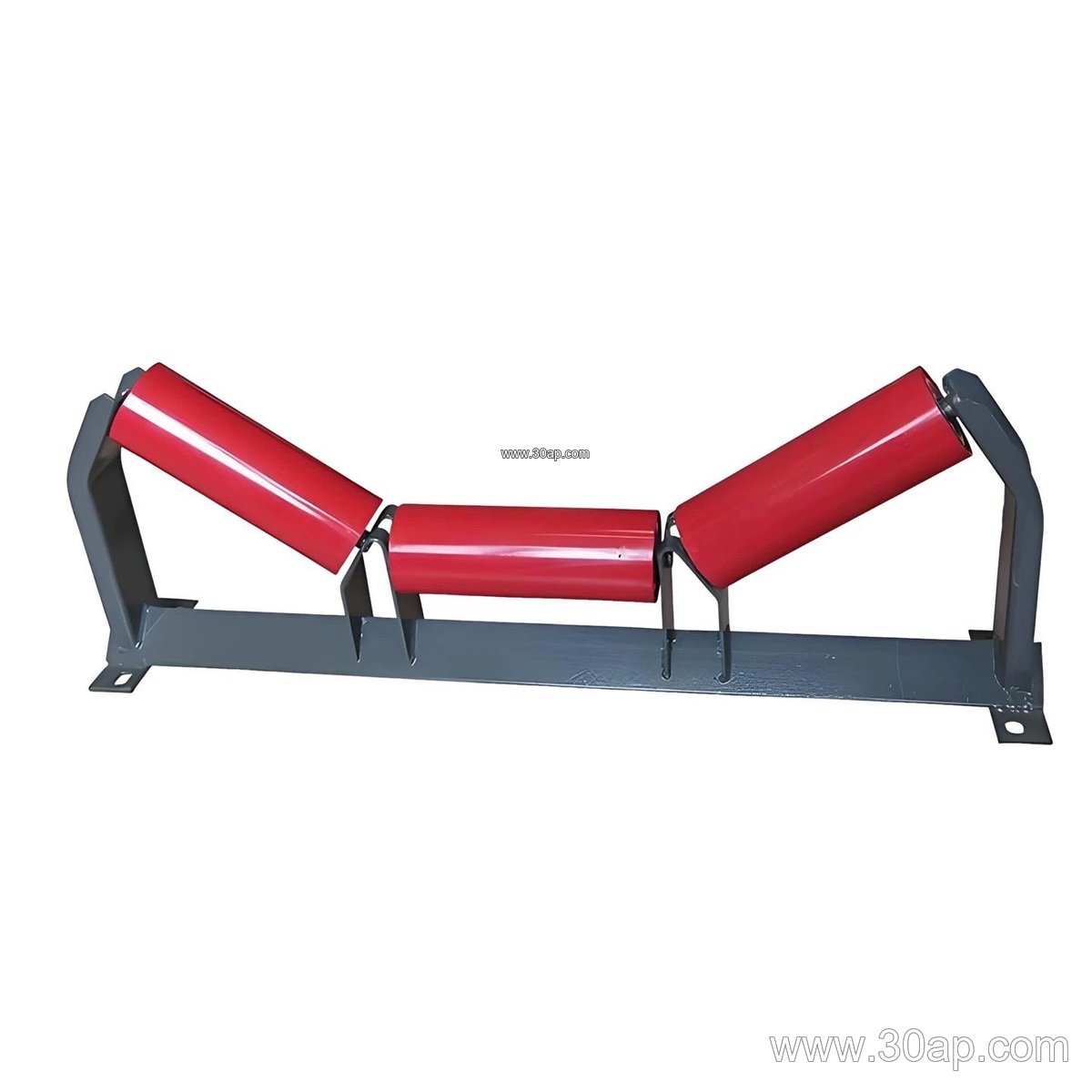
A fixed conveyor bracket is the rigid steel support that holds idler rollers at a set position and a set trough angle. Once bolted or welded in place, it does not move, so the roller axis stays where the designer intended. This is the opposite of an adjustable bracket, which lets maintenance crews change the trough angle or roller spacing after installation. In a quarry or a cement plant, most carrying-side frames are fixed because the belt path is already settled and repeatable support matters more than field flexibility.
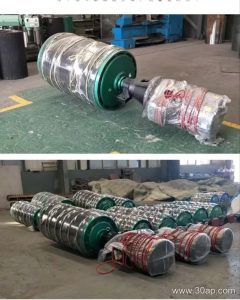
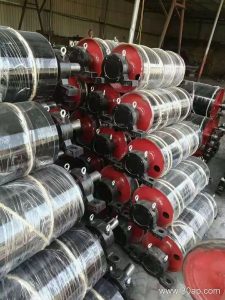
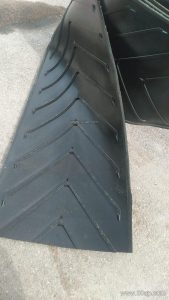
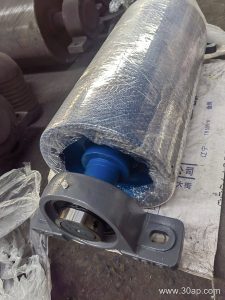
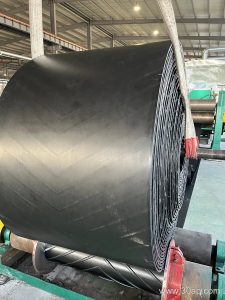
The bracket is usually only one part of the support system. It works together with the conveyor belt, the idler roller, and the conveyor pulley to keep the belt tracking and the load centered. A fixed bracket that is out of alignment will wear the belt edge even if every roller is new.
How the Bracket Is Built
Most fixed frames are fabricated from angle steel, channel steel, or folded steel plate. The cross beam carries the roller seats, and the end plates or feet bolt to the conveyor stringer. Welds should be continuous at load points, and the mounting holes are normally slotted slightly so crews can square the frame during installation.
Common forms include trough brackets for the carrying side, return brackets for the lower strand, and V-return brackets that help center the belt. A fixed bracket may also be built with a slight forward tilt, often around 1.5 to 2 degrees, to encourage self-centering. These are design choices, not universal rules, and the final geometry is set by the conveyor designer.
Where Fixed Frames Fit in Bulk Handling
Fixed brackets appear wherever the belt route is long and steady. In an iron ore mine or a limestone quarry, the carrying frames run for hundreds of meters and are rarely adjusted after commissioning. In a power plant coal yard, fixed trough frames keep the belt profile consistent through transfer towers. Sand and gravel lines, crushing and screening plants, and fertilizer or grain silo systems all use the same principle: a stiff, repeatable support under the belt.
Where the belt must absorb impact at a loading point, a buffer or impact bracket may be used instead, and where the belt needs guiding, a self-aligning bracket is chosen. Those are separate subtypes with their own jobs, not replacements for the fixed frame along the main run.
Matching Bracket, Belt, and Roller
Selection starts with the belt width and the required trough angle, then the roller diameter follows from load and speed. A common combination might be B800 with a 35 degree trough and Ø108 rollers, or B1200 with 45 degrees and Ø133 rollers. Wider belts such as B1600 or B1800 usually call for heavier cross beams and larger roller diameters, but no single belt width is tied to one angle or one roller size.
Mounting hole spacing and cross beam length change with belt width and trough angle, so these should be confirmed against the drawing rather than assumed. The table below shows typical reference values, not fixed supply specifications.
Reference Data for Fixed Bracket Layouts
| Belt width | Trough angle | Typical roller diameter | Bracket form |
|---|---|---|---|
| B500 | 20° / 30° | Ø89 | Trough, return |
| B650 | 30° / 35° | Ø89 / Ø108 | Trough, V-return |
| B800 | 30° / 35° / 45° | Ø108 / Ø133 | Trough, return |
| B1000 | 35° / 45° | Ø108 / Ø133 | Trough, V-return |
| B1200 | 35° / 45° | Ø133 / Ø159 | Trough, return |
| B1400 | 35° / 45° | Ø133 / Ø159 | Trough, V-return |
| B1600 | 35° / 45° | Ø159 / Ø194 | Trough, return |
| B1800 | 35° / 45° | Ø159 / Ø194 | Trough, V-return |
Where the belt is a heavy-duty mining conveyor belt or a steel cord conveyor belt carrying dense ore, the bracket and roller frame should be sized for the higher load rather than copied from a lighter line. The same applies to a heat resistant conveyor belt at a sinter plant, where thermal growth can affect alignment.
What Buyers Should Check Before Ordering
- Confirm belt width, trough angle, and roller diameter against the conveyor drawing.
- Check whether the frame is bolted or welded, and whether slots are needed for alignment.
- Verify steel section and finish, especially in wet or dusty service.
- Ask for mounting hole spacing and beam length per width rather than accepting a generic figure.
- Keep spare frames for high-wear loading zones so a damaged unit does not stop the line.
For related components, see our conveyor bracket range, idler roller options, and conveyor pulley assemblies. A correctly matched fixed conveyor bracket is a small part of the total cost, but it decides how long the belt and rollers last.