What a Mining Flame Retardant Conveyor Belt Is
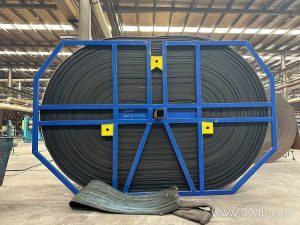
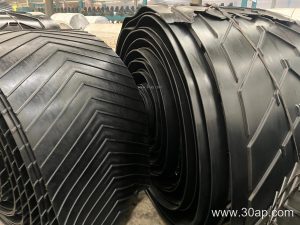
A Mining Flame Retardant Conveyor Belt is a heavy-duty conveyor belt engineered to resist ignition and slow flame spread in underground coal mines, quarries, cement plants, power stations and other dusty, spark-prone environments. It is also known as a Fire Resistant Conveyor Belt or flame retardant conveyor belt, and the two terms describe the same product family. The belt is not simply a standard rubber belt with an additive; its cover compounds, carcass construction and antistatic properties are balanced so that the belt performs reliably under abrasive bulk material while meeting fire-safety expectations for the site.
Construction and Materials
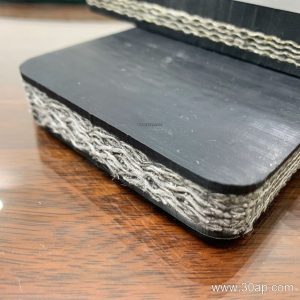
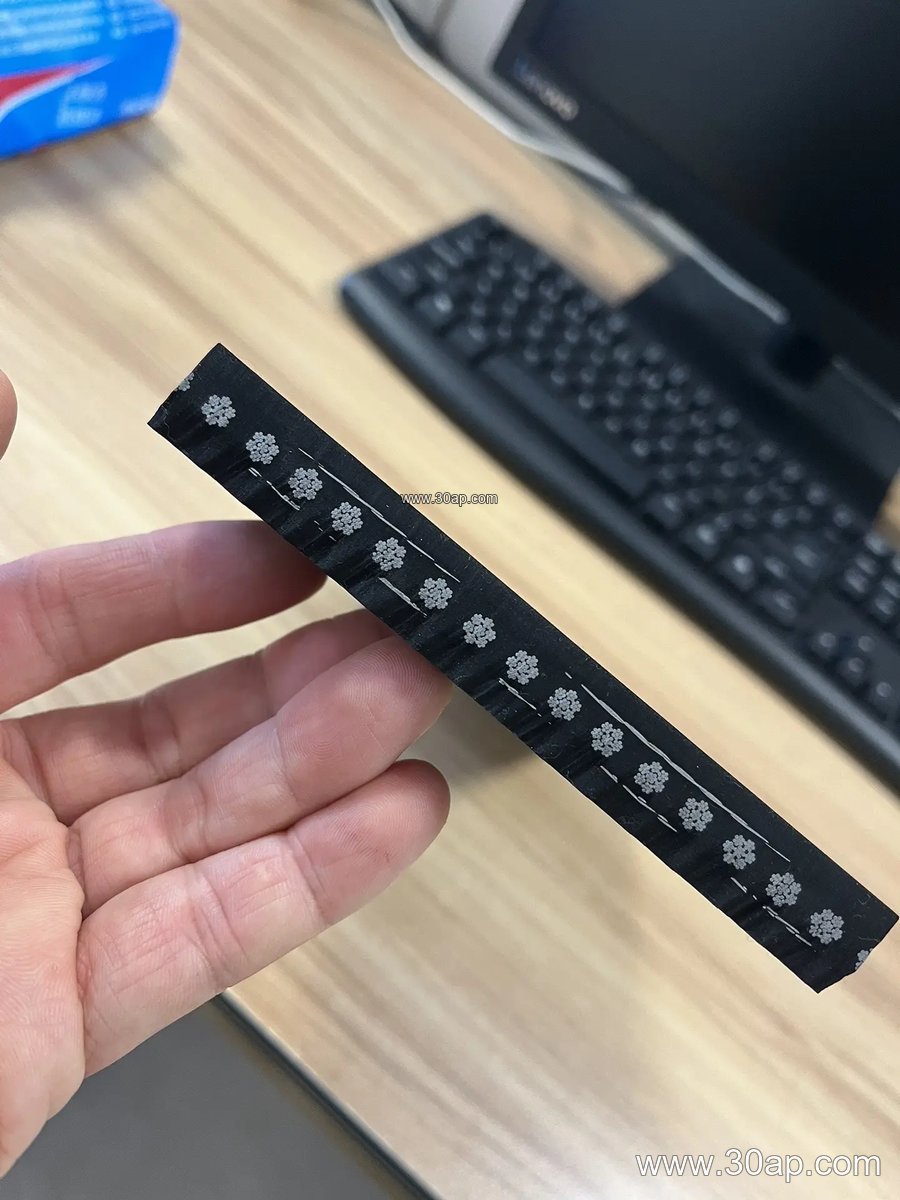
Most mining flame retardant belts use a fabric core, such as an EP Conveyor Belt (polyester warp, nylon weft) or an NN Conveyor Belt (nylon warp and weft). For higher tension and longer center distances, a Steel Cord Conveyor Belt may be specified. The flame retardant compound is usually based on chloroprene rubber or a specially formulated rubber blend, with antistatic additives to dissipate static charge. Covers are commonly offered in thickness combinations such as 3+1.5 mm, 4+2 mm, 5+2 mm, 6+2 mm and 8+3 mm, with carcass plies typically from 2 to 6 layers. These values are reference examples; final construction is determined by the conveyor design. A PVG Conveyor Belt is a solid-woven PVC-based product often used underground, but it is a different subtype and should not be treated as a direct replacement for a rubber flame retardant belt without a full review.
Where It Is Used
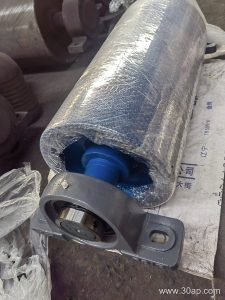
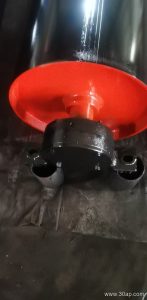
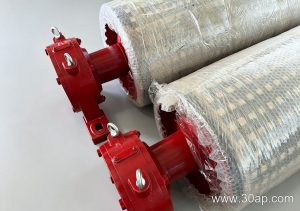
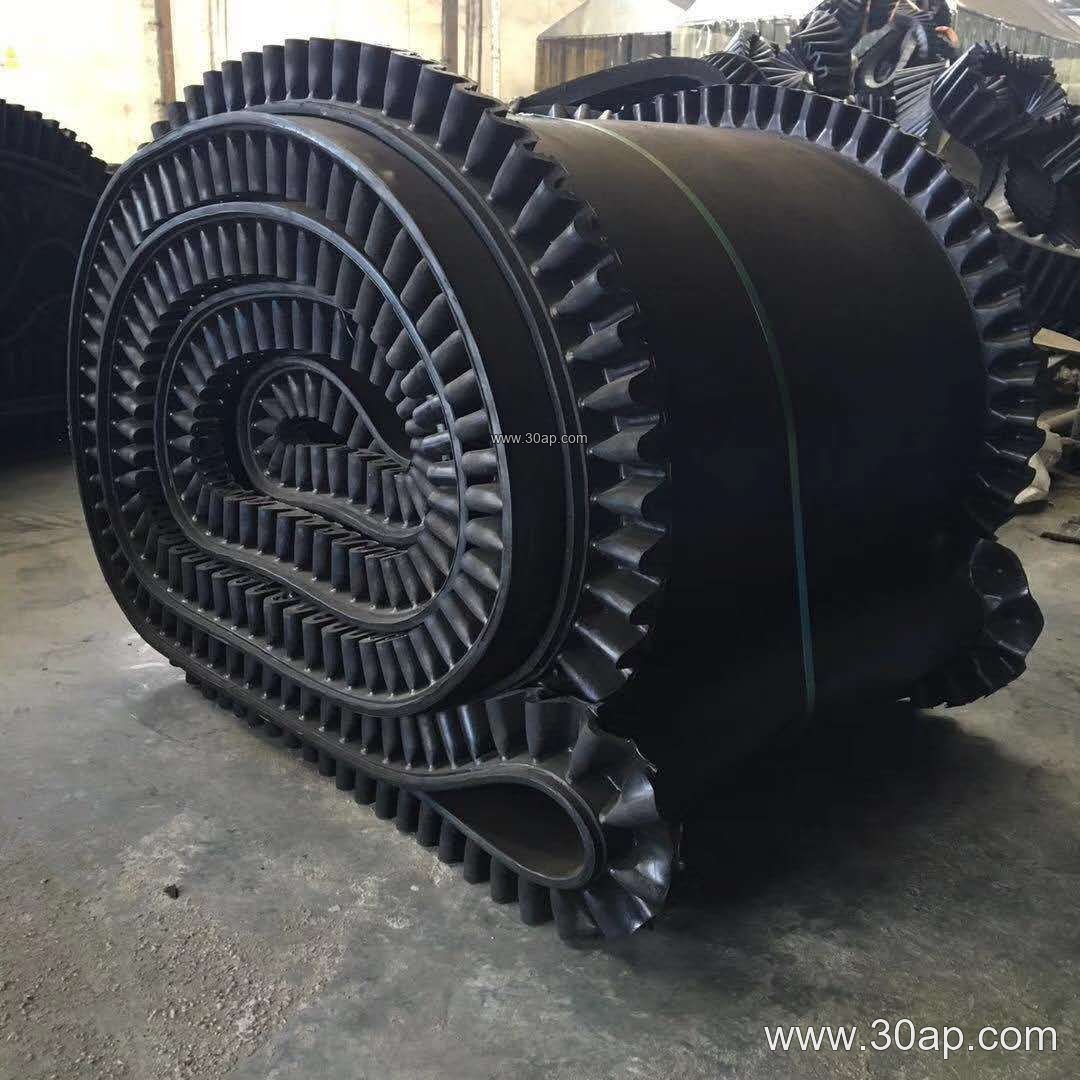
Typical duty points include main haulage drifts in coal mines, incline shafts, transfer houses, crusher discharge lines, stacker-reclaimer feed belts and clinker or limestone transport in cement works. In a coal mining conveyor belt system, the belt runs over idler rollers and around drive pulleys, tail pulleys and bend pulleys, all of which need matching selection. The flame retardant belt is often combined with impact-resistant or abrasion-resistant covers at loading points, and with corrugated sidewall or skirted designs where material spillage must be controlled. Quarries, aggregate plants and iron ore or copper ore handling circuits may also choose this belt where local fire rules or dust ignition risks apply.
Key Selection Factors
Buyers should match the belt to the actual duty rather than to a single headline figure. Belt width is chosen from the conveyor capacity and material lump size; common widths include B500, B650, B800, B1000, B1200, B1400, B1600, B1800 and B2000. There is no fixed rule that pairs one belt width with one pulley diameter, so the drive pulley, tail pulley and bend pulley should be sized from belt tension, wrap angle and shaft load calculations. The following table shows indicative strength grades for fabric-core flame retardant belts; these are reference ranges, not a universal supply promise.
| Property | Common reference values |
|---|---|
| Strength grade (EP series) | EP200, EP315, EP400, EP500, EP630, EP800, EP1000, EP1250, EP1600, EP2000 |
| Strength grade (NN series) | NN100, NN200, NN300, NN400 |
| Belt width | B500 to B2000 mm |
| Cover thickness | 3+1.5, 4+2, 5+2, 6+2, 8+3 mm |
| Carcass plies | 2 to 6 layers, by design |
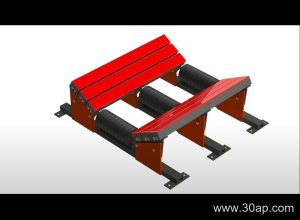
Other decisions include cover grade, pulley lagging, transition distance and the type of conveyor bracket or frame supporting the idlers. A belt that is too stiff for the pulley diameter can crack; a belt that is too soft for the load may stretch and slip.
Installation and Maintenance Notes
Store flame retardant belts away from direct sunlight, ozone sources and sharp edges, and keep rolls supported. During installation, align the conveyor pulley and idler roller frames so the belt tracks centrally; misalignment is a common cause of edge wear and premature cover damage. Check that the belt is not over-tensioned at the drive pulley and that the tail pulley is free of material buildup. Inspect covers for cuts, gouges and exposed carcass, especially after crusher discharge and transfer points. Replace worn idler rollers promptly, because a seized roller can generate heat and damage the belt surface. For high-abrasion duties, an Abrasion Resistant Conveyor Belt grade may be considered, but the flame retardant classification should remain the governing requirement in coal and other regulated mining areas.
Buyer Checklist
- Confirm the required flame retardant and antistatic standard for the site.
- State the material, lump size, throughput and belt width.
- Provide pulley diameters and shaft loads for tension review.
- Specify cover thickness and carcass grade, for example EP1000 or EP1250.
- Agree on splice method and whether an Endless Conveyor Belt is preferred.
- Plan inspection intervals for covers, idlers and pulleys.
For more information on flame retardant belts, conveyor pulleys and idler rollers, visit our site at www.example.com/mining-flame-retardant-conveyor-belt. A well-matched Mining Flame Retardant Conveyor Belt supports safer operation and longer service life in demanding mining and bulk material handling environments.