What the NN200 Conveyor Belt Is
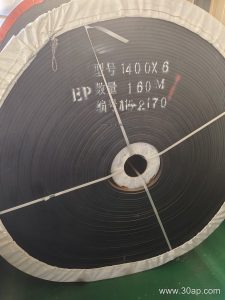
An NN200 Conveyor Belt is a multi-ply fabric core belt built on nylon (polyamide) warp and weft cords. In the naming convention used across the belting trade, “NN” identifies the nylon-nylon carcass, and the number reflects the nominal tensile strength of the fabric plies in newtons per millimeter of belt width. An NN200 belt therefore sits in the middle of the common nylon range, above NN100 and below NN300 and NN400, and it is often chosen when a plant wants more strength than a light single-ply belt can offer without moving up to a steel cord design.
The same product is also described as a nylon fabric core conveyor belt or an NN nylon belt. Those are equivalent names for the same construction, not different products.
How the Belt Is Built
The carcass is the load-bearing part. Multiple layers of nylon fabric are bonded together with rubber skim compound, then covered on both faces with rubber that suits the duty. Nylon’s advantage is its high strength-to-weight ratio and its elasticity, which helps the belt absorb shock loads and resist fatigue around pulleys. Its weakness is that nylon stretches more than polyester, so take-up travel and startup tension need a little more attention during installation and commissioning.
Cover thickness is normally specified as top cover plus bottom cover, for example 4+2 mm or 6+2 mm. A typical NN200 belt might use 2 to 6 plies depending on the required strength and the belt width. Belt widths commonly run from B500 through B2000, with B800, B1000 and B1200 being frequent choices in aggregate and cement plants. These figures are reference values; final construction should follow the belt manufacturer’s design data and the conveyor’s calculated tensions.
Where It Fits on the Conveyor
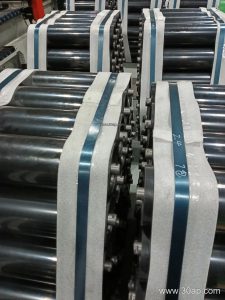
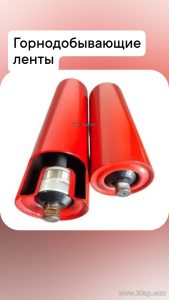
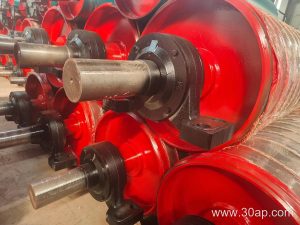
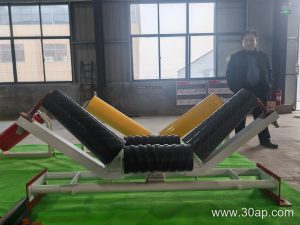
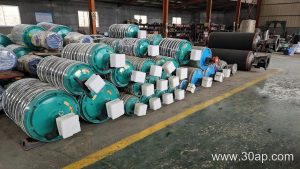
The NN200 belt works with the rest of the conveyor line: idler rollers support the loaded strand, a drive pulley pulls the belt, a tail pulley returns it, and bend pulleys route it through the take-up. Because these components are not interchangeable, the belt’s tension rating should be checked against the drive pulley’s wrap angle and the layout of the bend pulleys rather than assumed from belt width alone.
Typical duty includes:
- Crushed stone and sand in quarry and aggregate plants
- Clinker, limestone and cement in cement works
- Coal handling in power plants and coal preparation areas
- Ore and bulk material transfer in mining and port terminals
- General bulk handling in recycling and construction yards
For abrasive stone or ore, an abrasion resistant conveyor belt grade of cover is sensible; for hot clinker or sinter, a heat resistant conveyor belt cover is needed. Where dust or gas is a concern, a flame retardant or anti-static version may be specified. These are cover compound choices applied to the same nylon carcass, not separate belt families.
NN200 Compared with Other Carcasses
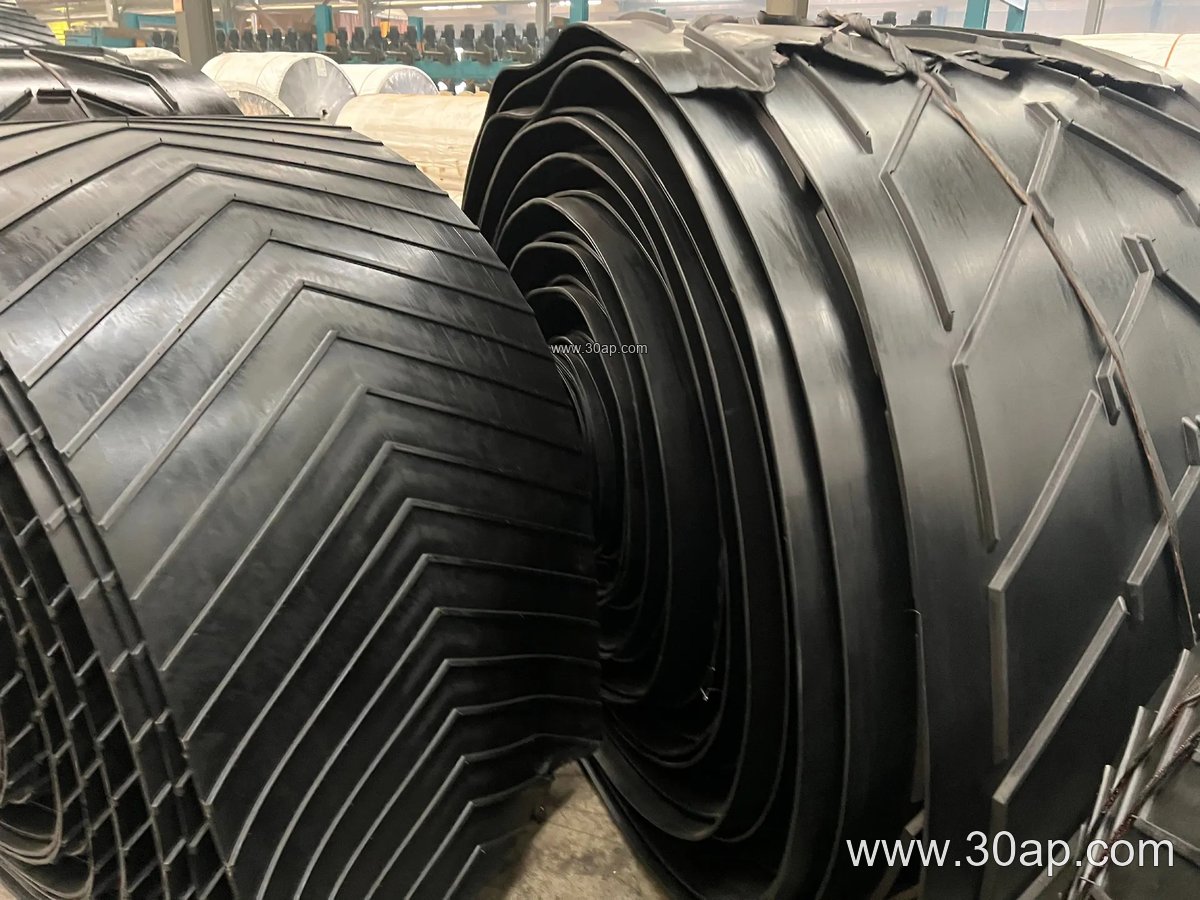
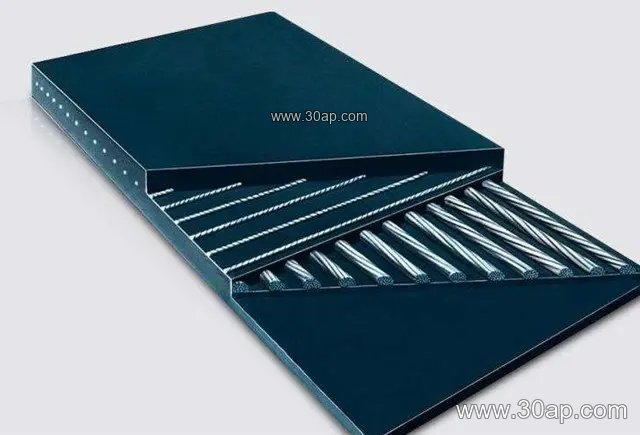
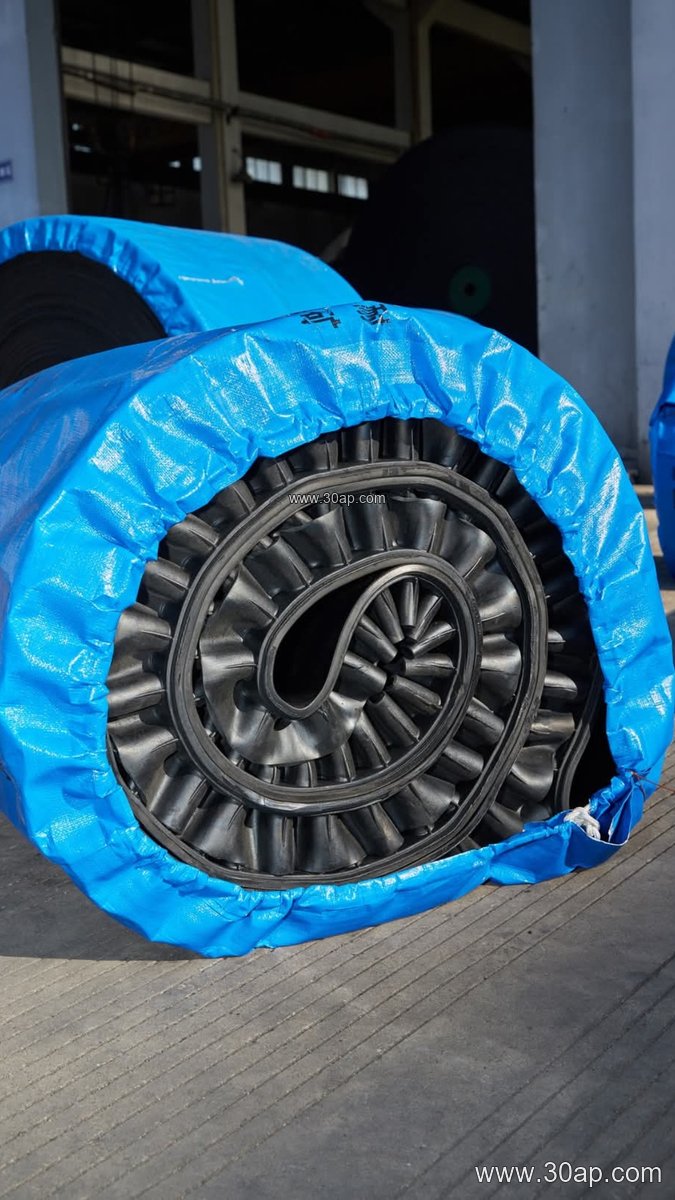
Buyers often compare NN200 with EP conveyor belting. An EP conveyor belt uses polyester warp and nylon weft, giving lower elongation and better dimensional stability, while the NN200 belt offers good flexibility and impact absorption. For very long, high-tension routes, a steel cord conveyor belt such as ST1000 or ST1600 may be more appropriate. For lighter duties, PVC or PVG belts are common in underground coal mining, and chevron, skirted or corrugated sidewall belts handle inclined or contained conveying. Each serves a different purpose; none replaces the NN200 belt where its strength and elasticity match the duty.
Specification Points to Confirm Before Ordering
Provide the conveyor duty, material, lump size, throughput and center distance, and let the supplier confirm the belt class. A short specification checklist:
- Belt designation: NN200 (or NN100, NN300, NN400 if tension requires)
- Width: B500, B650, B800, B1000, B1200, B1400, B1600, B1800, B2000 as designed
- Ply count: commonly 2 to 6 layers
- Cover thickness: 3+1.5, 4+2, 5+2, 6+2 or 8+3 mm
- Cover grade: abrasion resistant, heat resistant, oil resistant, flame retardant, anti-static, cold resistant or acid and chemical resistant
- Edge and splice type, plus whether an endless belt is required
Also check pulley diameters against the belt’s recommended minimum, confirm take-up stroke for nylon stretch, and verify that idler roller spacing suits the belt width and load. For wide installations, a 1200mm or 1500mm wide conveyor belt is common, but wider belts are not automatically matched to a given pulley size.
Installation and Maintenance Notes
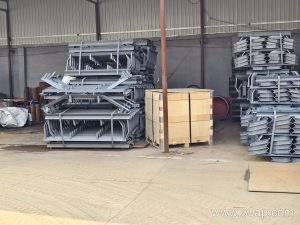
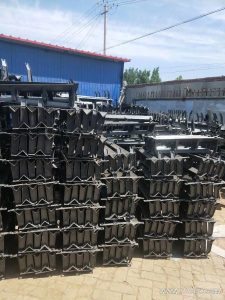
Store belts away from direct sunlight and ozone sources, and handle rolls with a proper cradle to avoid edge damage. During splicing, keep plies square and follow the splice schedule for the ply count. In service, watch for edge wear, cover gouges and carcass moisture, which weakens nylon. Track belt alignment at the tail pulley and bend pulleys, and check conveyor brackets and frames for looseness that can cause mistracking. Regular inspection of idler rollers for seized bearings prevents cover abrasion and reduces the load on the NN200 belt.
For a full range of conveyor belt, idler roller and conveyor pulley options, match the belt class to the actual duty rather than to habit. A correctly specified NN200 belt, paired with well-maintained pulleys and rollers, gives reliable service across mining, cement, power and quarry operations.