What the Ø159 Impact Idler Does at the Loading Point
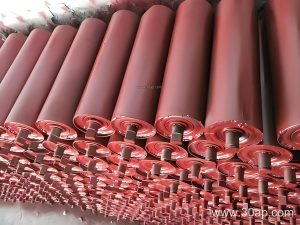
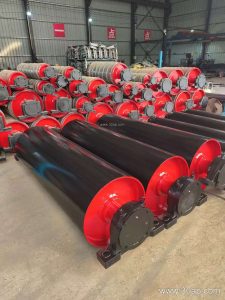
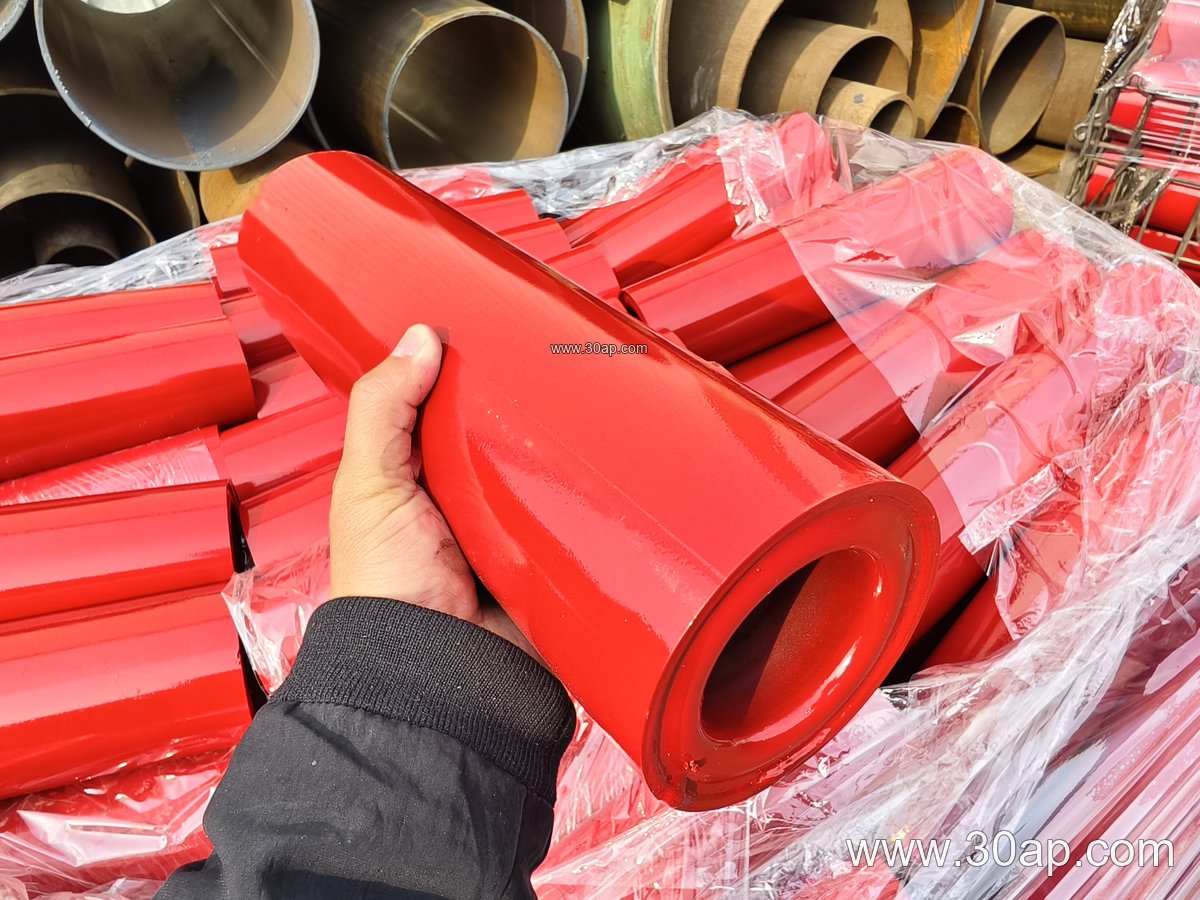
Material falling from a chute, crusher discharge, or transfer tower hits the belt with force that a standard carrying idler is not designed to absorb. The Ø159 impact idler is a cushioning roller built for exactly that location. Its 159 mm outer diameter gives it a larger footprint and more internal room than smaller rollers, so rubber rings, a heavier wall tube, and larger bearings can be packaged into one unit. In a quarry, a coal preparation plant, or a cement clinker line, this roller sits in the impact bed beneath the skirtboard and takes the repeated hammering before the belt surface does.
Because it is a buffer roller rather than a standard trough roller, plant engineers often specify it as part of a transition section rather than replacing the whole carry side. The matching part on the return side would be a different item, just as a drive pulley, tail pulley, and bend pulley each perform separate duties in the same conveyor.
Construction Details Buyers Should Check
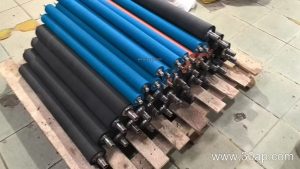
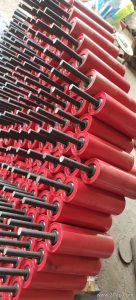
The typical Ø159 buffer roller is built around a steel tube shell with rubber rings or a full rubber sleeve fitted over it. The rubber absorbs peak loads and reduces the shock transmitted into the shaft and bearing housing. Seals are the second critical area: dust from limestone, iron ore, or aggregate quickly destroys a poor labyrinth, so a multi-stage seal with a protective cap is usually preferred in dirty service.
- Shell: seamless steel tube, often thicker than a standard idler roller to resist deformation
- Cover: rubber rings, rubber sleeve, or in some designs a polyurethane layer
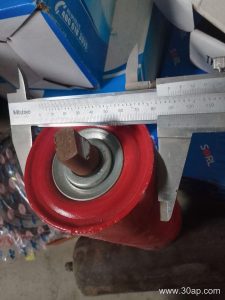
- Bearing: 6305, 6306, 6308, or 6310 depending on load and shaft design
- Shaft: fixed by the manufacturer according to the bracket and frame, not derived from belt width alone
- Sealing: labyrinth plus contact seal, with grease retention considered for dusty plants
Bearing selection is a design decision. A 6305 bearing is not tied to one roller diameter, and a Ø159 roller may be supplied with more than one bearing size depending on the load case. Buyers should ask for the shaft drawing and bearing designation rather than assuming a match.
Where It Fits Along the Conveyor
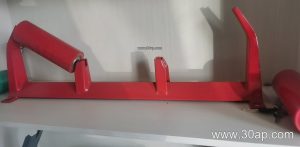
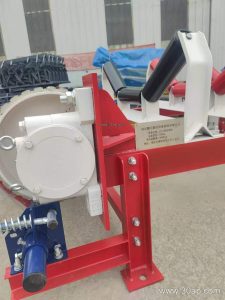
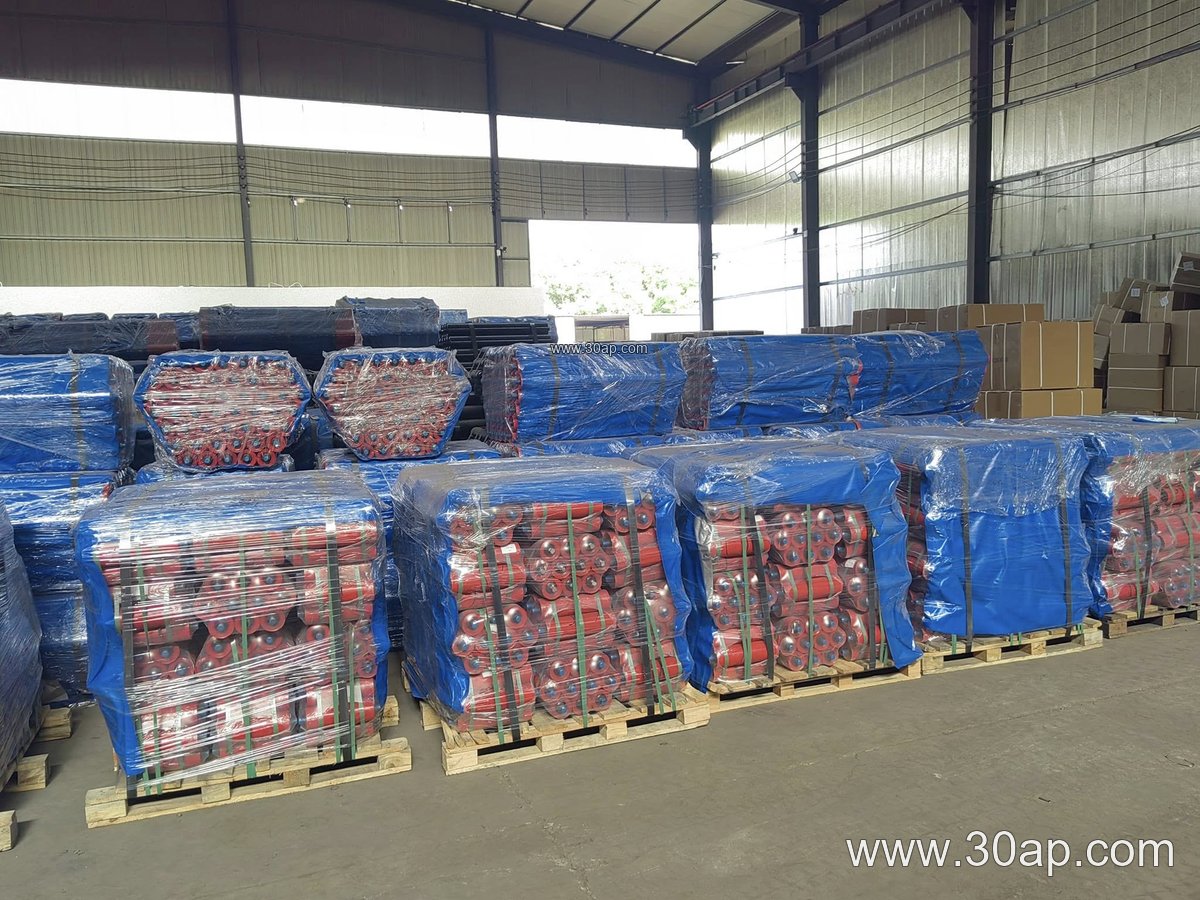
The impact idler is normally installed in a group, mounted in a frame or bracket set under the loading zone. In a three-roll trough arrangement, the centre roller takes the direct hit and the side rollers support the belt edges. In high-drop applications such as crusher discharge in a stone crushing line, several impact stations may be placed in series, followed by a transition to standard troughing idlers so the belt can settle into its normal profile.
Two installation points deserve attention. First, the impact bed should be close enough to the chute that the belt is supported before it deflects. Second, the transition from impact rollers to conventional carrying rollers should be gradual, because an abrupt change in roll height can cause belt tracking problems. On a 1200 mm or 1400 mm wide conveyor, the roller length and frame dimensions are set by the belt width, trough angle, and support spacing, and the same conveyor may use different roller lengths at the centre and side positions.
Common Dimensions in Reference Tables
The following values are typical reference data, not a fixed catalogue promise. Actual roller length depends on belt width, trough angle, and the idler set form, and centre rollers and side rollers can differ.
| Belt width | Typical three-roll trough roller length | Common trough angle |
|---|---|---|
| B650 | about 250 mm | 20°, 30°, 35° |
| B800 | about 315 mm | 30°, 35°, 45° |
| B1000 | about 380 mm | 30°, 35°, 45° |
| B1200 | about 465 mm | 30°, 35°, 45° |
| B1400 | about 530 mm | 30°, 35°, 45° |
| B1600 | about 600 mm | 30°, 35°, 45° |
| B1800 | about 670 mm | 30°, 35°, 45° |
Roller diameter options in the same family include Ø127, Ø133, Ø159, Ø178, Ø194, and Ø219, with Ø159 being a frequent choice for medium to heavy loading zones. The belt itself matters too: a heavy-duty mining conveyor belt or a thick abrasion resistant conveyor belt can tolerate more impact than a thin general-purpose belt, but neither should be asked to absorb the full drop energy without a cushioning roller underneath.
Selection and Maintenance Notes
Choose the Ø159 impact idler when the drop height, lump size, and throughput justify a cushioned bed. For fine material with a low drop, a standard troughing idler may be sufficient, and the extra cost of rubber rings is not always recovered. For run-of-mine ore, overburden, or clinker, the cushioning roller usually pays for itself by protecting the belt splice and the belt cover.
Maintenance is straightforward but should be scheduled. Inspect rubber rings for cuts and flattening, check that the roller turns freely, and confirm the seal has not been packed with dust. A seized impact roller can wear a flat spot into the belt within a short period, so a rotation check at each shutdown is worthwhile. When replacing a roller, match the shaft end and bracket type to the existing frame rather than forcing a different design into the same bracket.
For conveyors handling abrasive bulk material, pairing a properly sized impact bed with a suitable rubber conveyor belt or EP conveyor belt cover grade gives the best result. The roller protects the belt, and the belt protects the structure, so the two decisions should be made together rather than separately.