What a Take-Up Wheel Pulley Does
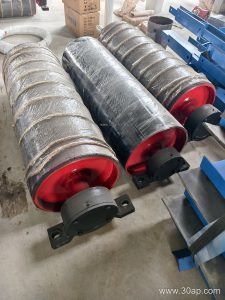
A take-up wheel pulley is the rotating component that maintains working tension in a conveyor belt system. Often called a tension pulley or take-up drum, it sits in the take-up section and moves along a guided path to absorb belt stretch and keep the belt wrapped correctly around the drive pulley. Without enough take-up travel, a fully loaded conveyor can slip, mistrack, or spill material at transfer points. This pulley is not a drive pulley, tail pulley, or bend pulley; each has its own mounting position and load case, and they should not be swapped by name.
In a typical arrangement, the take-up wheel pulley is mounted on a carriage or in a slotted frame. As the belt elongates over time, the carriage moves and the pulley takes up the slack. The result is steadier contact between the belt and the drive pulley, which matters in bulk handling circuits where start-stop cycles are frequent.
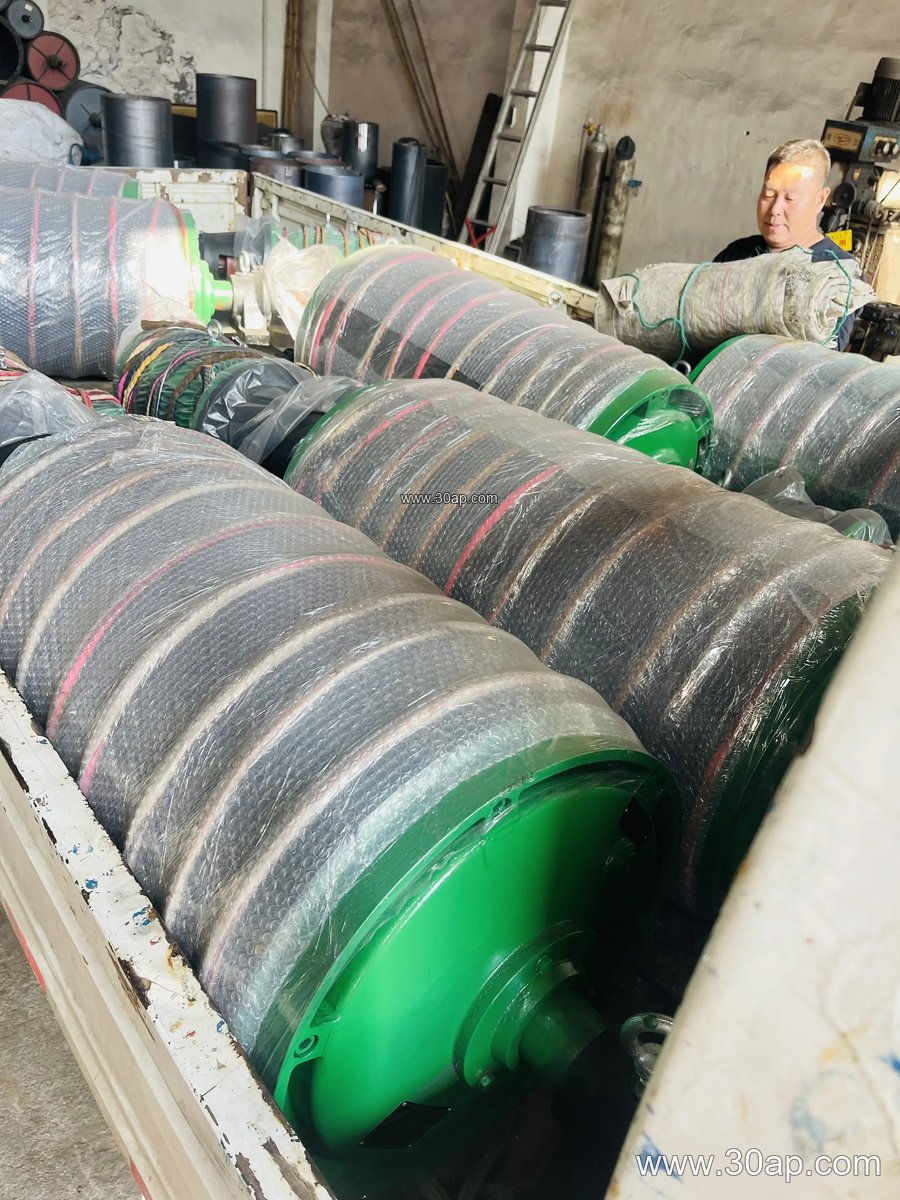
Construction and Surface Options
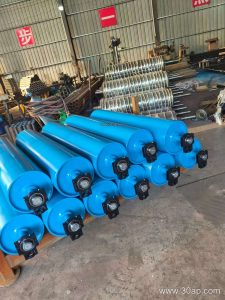
The pulley body is usually a welded steel drum with machined end discs and a shaft sized by torque and bearing load. Common shaft diameters include Ø80, Ø100, Ø120, Ø140, and Ø160, but the final value is determined by the conveyor designer, not by belt width alone. Drum diameters for take-up service commonly fall in the Ø315 to Ø800 range, with larger diameters used where belt stiffness or wrap angle requires it.
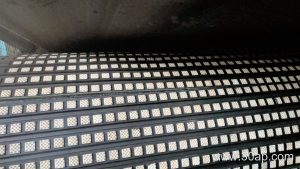
Surface treatment depends on the duty. Plain finish is used where the pulley only guides the belt. Rubber lagging in 8, 10, 12, 15, or 20 mm thickness improves grip and protects the belt cover. Diamond or herringbone patterns help shed water and fines. Ceramic lagging is chosen in high-abrasion circuits such as a quarry conveyor belt or an iron ore conveyor belt, where fine particles can polish a plain steel face.
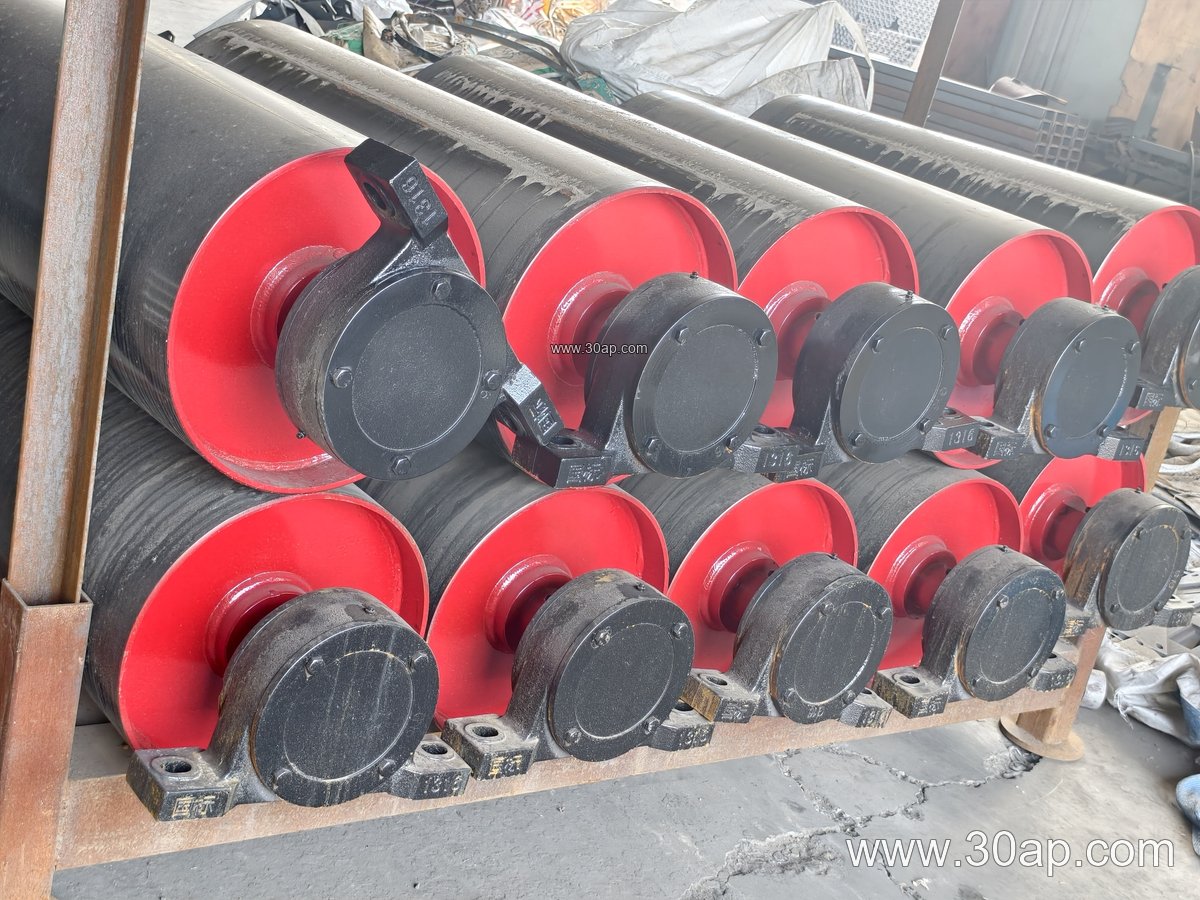
Where It Fits in the Line
Take-up wheel pulleys appear in cement plant raw mill feeds, coal mining conveyor belt systems, power plant coal handling, and aggregate plants. In a coal mining conveyor belt or underground mining conveyor belt, the take-up may be a gravity type or a fixed winch type. In a stone crushing conveyor belt line, the take-up pulley often sits near the tail to compensate for short belt runs and frequent re-tensioning.
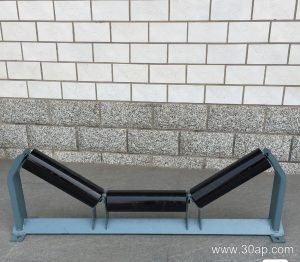
They also work alongside idler rollers, conveyor brackets, and the main conveyor pulley set. On a pipe conveyor belt or a corrugated sidewall conveyor belt, the take-up pulley must match the belt profile and allow the belt to pass without pinching the cleats or sidewalls. Heat resistant conveyor belt and oil resistant conveyor belt grades may require a lagging compound that tolerates the same temperature or chemical exposure.
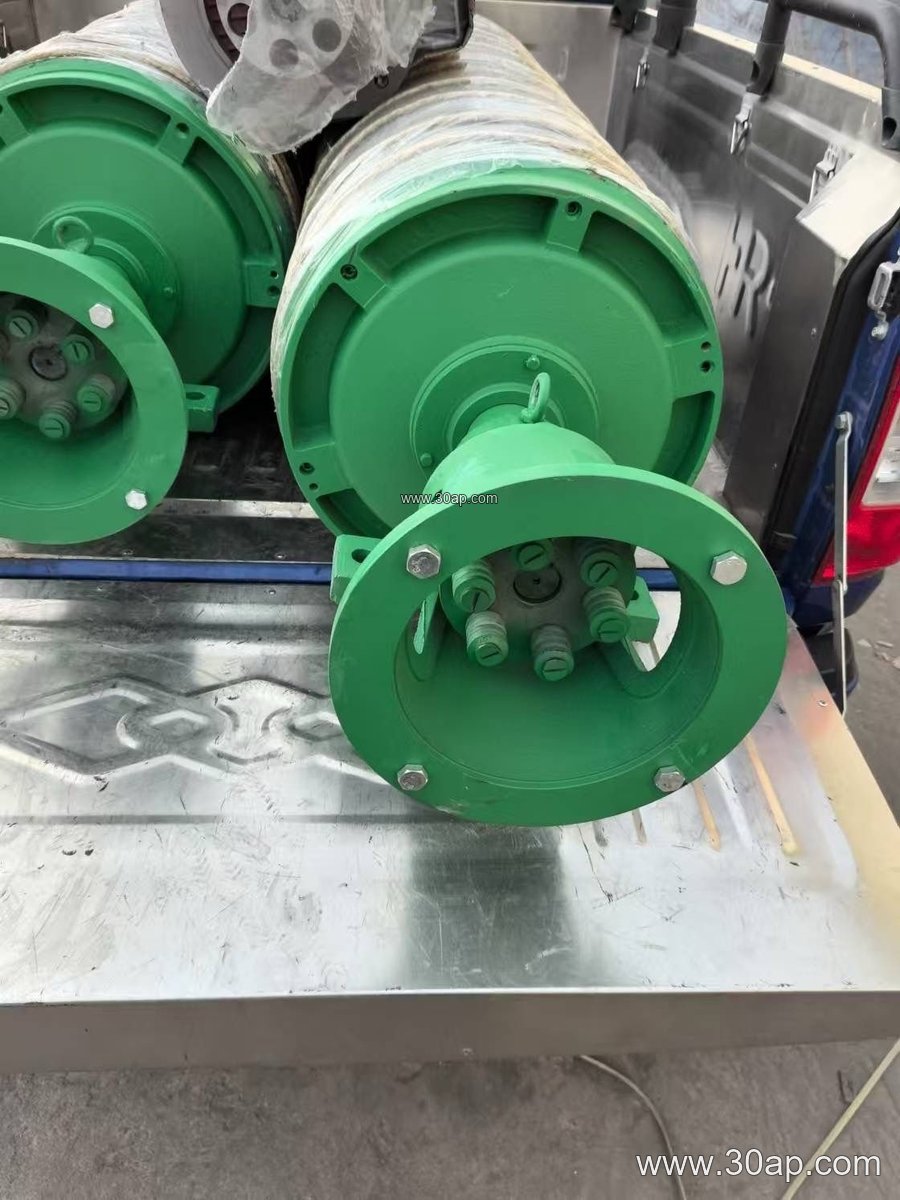
Selection and Maintenance Notes
Buyers should confirm the pulley diameter, face width, shaft size, bearing type, and lagging specification before ordering. Face width is usually wider than the belt; for example, a B800 belt may use about 950 mm face width, and a B1200 belt may use about 1400 mm. These are typical references, not fixed pairings, and a B1200 belt can match more than one drum diameter depending on tension and wrap requirements.
- Check that the take-up travel range covers expected belt elongation and that the carriage guides are aligned.
- Verify bearing seals against dust and water, especially in quarry and cement environments.
- Inspect lagging wear at each shutdown; worn grooves reduce tension control and can damage the belt edge.
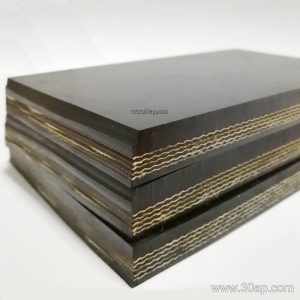
- Confirm compatibility with the belt type, such as EP conveyor belt, NN conveyor belt, or steel cord conveyor belt, and with the surrounding idler roller and conveyor bracket layout.
For abrasive bulk material, an abrasion resistant conveyor belt paired with a properly lagged take-up wheel pulley reduces slip and extends service life. In cold climates, a cold resistant conveyor belt may need a lagging that remains flexible at low temperature. A flame retardant conveyor belt or fire resistant conveyor belt is common in coal and power applications, and the take-up pulley should be selected to avoid heat buildup from misalignment.
Finally, keep the take-up pulley free of material buildup. In a sand making plant conveyor belt or a fertilizer handling line, caked fines on the drum face can change the effective diameter and cause tracking problems. Regular cleaning and bearing lubrication are simple steps that protect the whole conveyor pulley set.