Structural Framework and Load Distribution of a Conveyor Support Leg
In modern bulk material handling operations, ensuring absolute stability for long structural spans requires robust vertical framing. A heavy-duty Steel Cord Conveyor Belt system operating continuously under high tonnage depends heavily on the physical integrity of its foundation components. The vertical load path travels downward from the running idler roller assemblies through longitudinal stringers into the primary upright columns. Fabricated typically from heavy structural channels, angles, or cold-formed steel plates, these upright members must resist both static dead loads and dynamic shock loads generated by material impact at transfer points.
Engineers design these vertical assemblies to anchor securely to concrete foundations or structural steel mezzanines. During operation, tension fluctuations within the continuous loop of the conveyor belt transmit complex lateral and vertical vectors down to the base plates. Properly engineered vertical columns mitigate vibration, prevent frame twisting, and keep the conveyor bracket assemblies aligned correctly with the rotating conveyor pulley components at the drive and tail terminals.
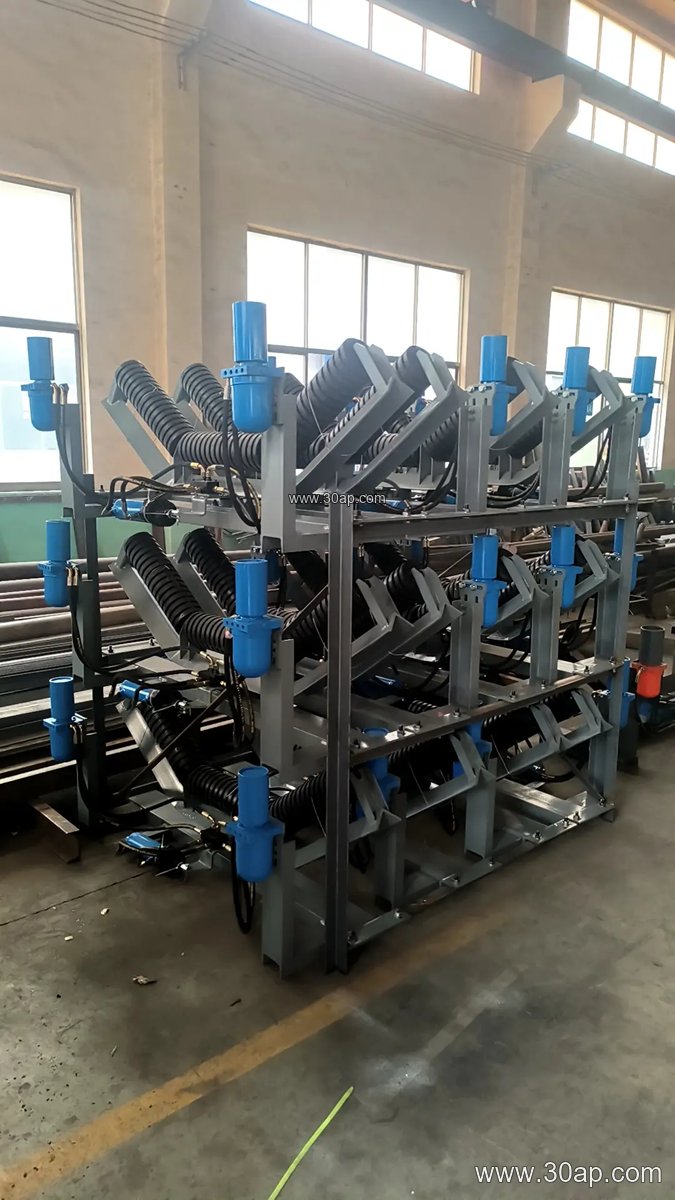
Dimensional Specifications and Typical Structural Configurations
Matching vertical framing to specific facility layouts requires careful consideration of belt widths, troughing angles, and roller dimensions. While a wide Aggregate Conveyor Belt line demands heavier vertical columns with broader base footprints, smaller utility configurations utilize lighter gauge folded profiles. Below is a reference matrix illustrating common structural combinations utilized across various heavy industrial layouts:
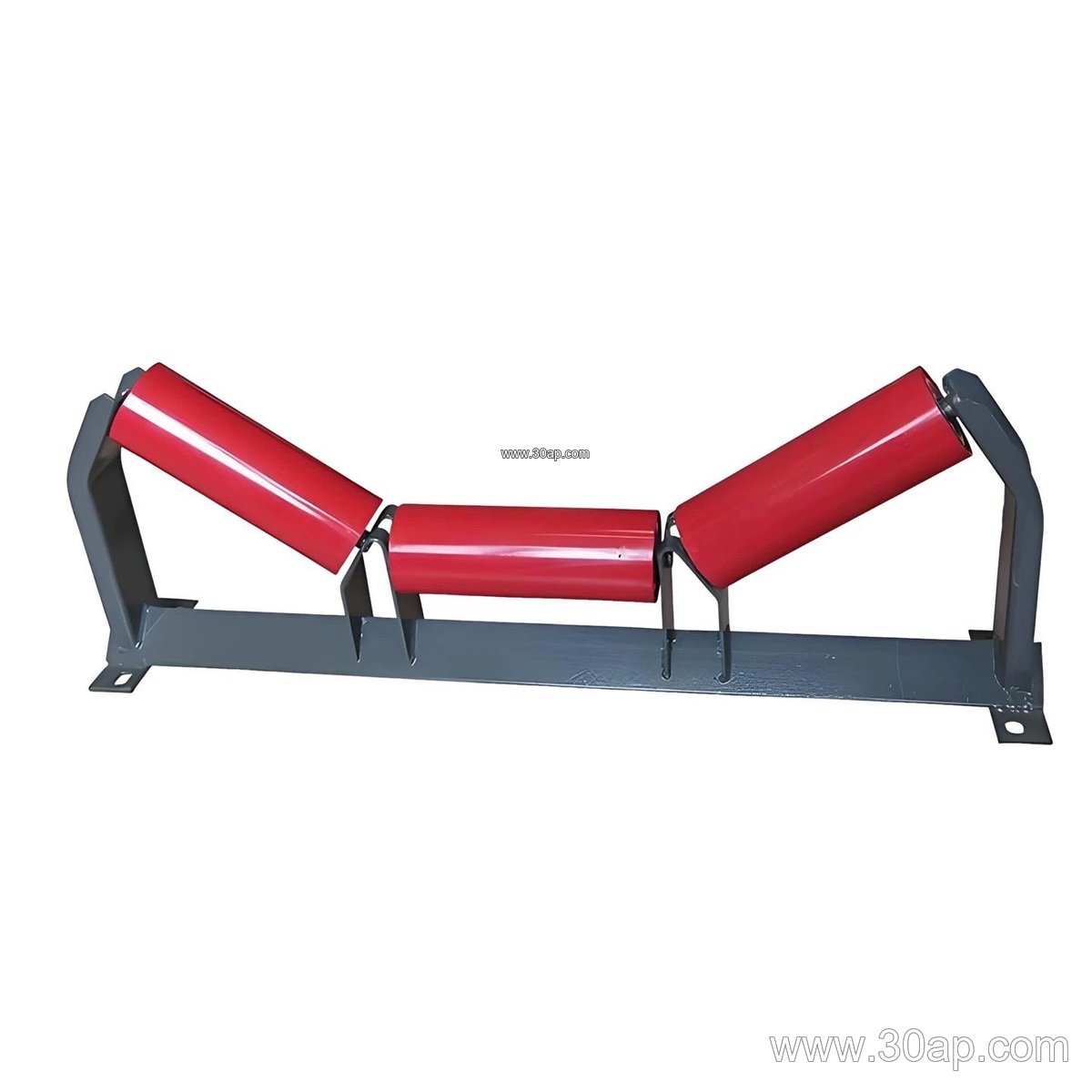
| Designation Layout | Nominal Belt Width | Troughing Angle | Roller Diameter | Primary Construction Material |
|---|---|---|---|---|
| Standard Medium-Duty | B800 | 35 Degree | Ø108 | Standard Structural Angle |
| High-Capacity Line | B1200 | 45 Degree | Ø133 | Heavy Channel Steel |
| Compact Utility Line | B650 | 30 Degree | Ø89 | Formed Steel Plate |
| Extended Span Unit | B1600 | 35 Degree | Ø159 | Reinforced Heavy Channel |
Operational Alignment within Cement Plant Environments
In demanding industrial settings such as a busy cement plant, vertical framing members face continuous exposure to abrasive dust, clinker impact, and vibration. If an upright column settles unevenly or shifts due to thermal expansion, the entire stringer alignment distorts. This misalignment causes tracking issues along the moving conveyor belt, leading to premature edge wear and increased friction against the stationary structural brackets.
Maintenance teams must routinely inspect anchor bolts, welded gussets, and height-adjustment mechanisms on every vertical column. Keeping these structural elements plumb and rigid ensures that upper troughing sets and lower return idler roller tiers maintain correct contact geometry with the running carcass, optimizing overall power consumption and extending mechanical lifespan throughout the facility.