What Conveyor Bracket Fabrication Involves
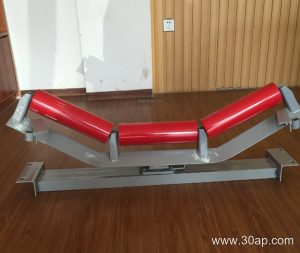
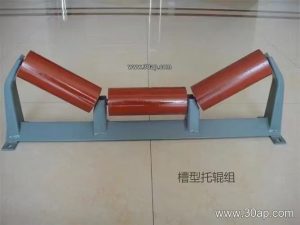
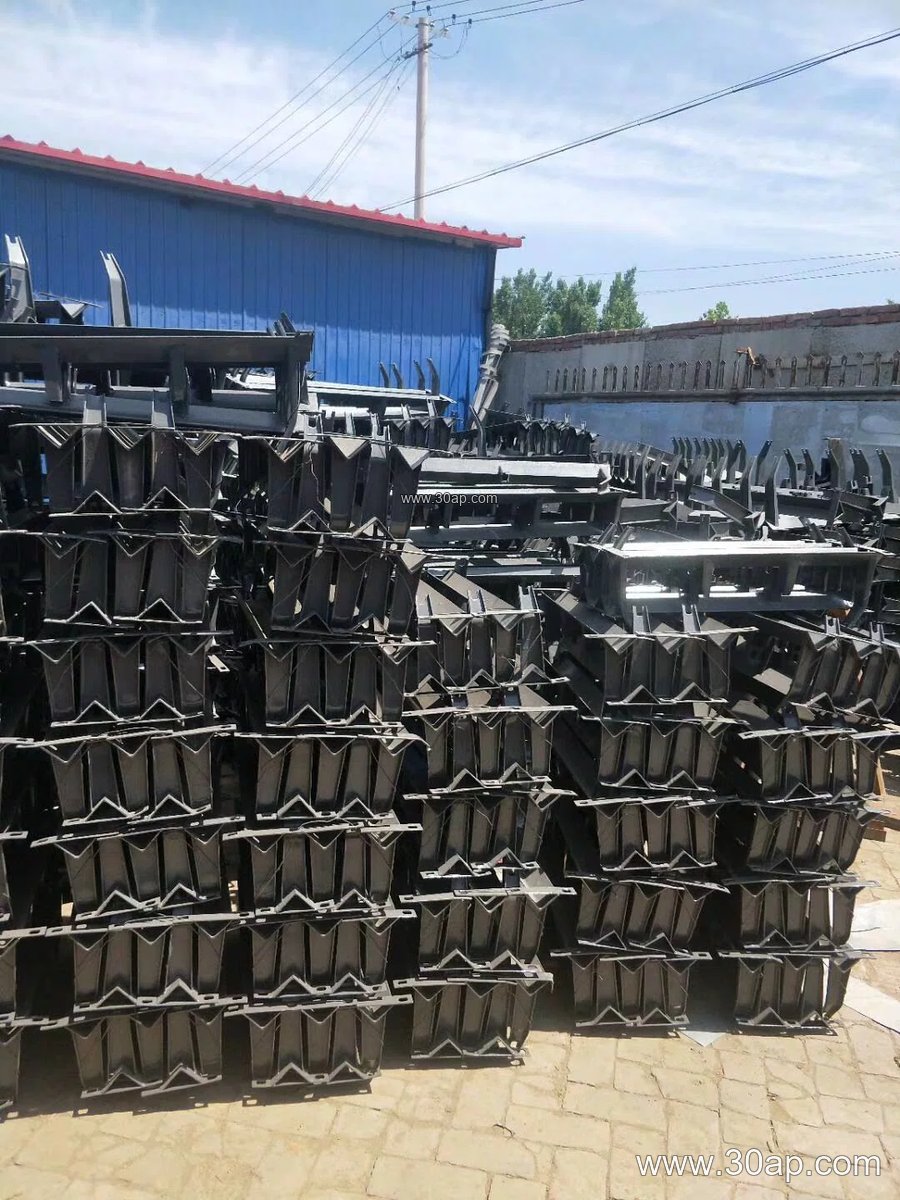
Conveyor bracket fabrication is the process of cutting, forming, and assembling the structural supports that hold idler rollers and shape the conveyor belt along its run. These brackets, often called idler frames or stands, are the interface between the rotating components and the conveyor’s steel structure. In a quarry, a coal washing plant, or a power station coal yard, the quality of this fabrication directly affects belt tracking, roller life, and maintenance downtime. The work typically combines material selection, precise hole placement, and welding or bolting to match the conveyor’s profile.
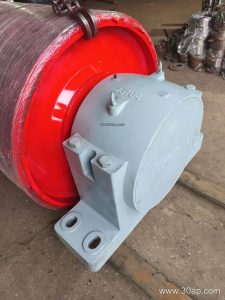
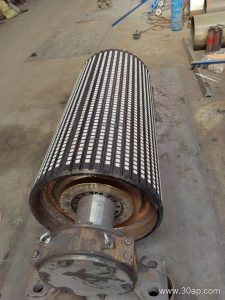
Unlike the pulley assemblies at the head and tail, which transmit drive power, brackets are passive supports. Their geometry determines the trough angle and the spacing of rollers, which in turn influence how the belt carries bulk material. A well-fabricated bracket keeps the belt centered and reduces edge damage, especially when handling abrasive rock or wet aggregate.
Materials and Build Methods
Fabricators usually work from angle steel, channel steel, or folded steel plate. The choice depends on load and environment. For a heavy-duty mining conveyor bracket, channel sections provide stiffness, while folded plate can save weight in lighter aggregate lines. Common construction steps include:
- Cutting and drilling mounting holes to suit the conveyor stringer spacing.
- Forming the trough profile, often with a jig to keep the roller seats aligned.
- Welding gussets or reinforcing ribs where the bracket meets the main frame.
- Surface treatment such as painting or galvanizing for corrosion resistance in wet or coastal ports.
Hole pitch and crossbeam length are not fixed values; they change with belt width and trough angle. A fabricator should confirm these dimensions against the conveyor layout rather than assuming a standard.
Types and Their Roles
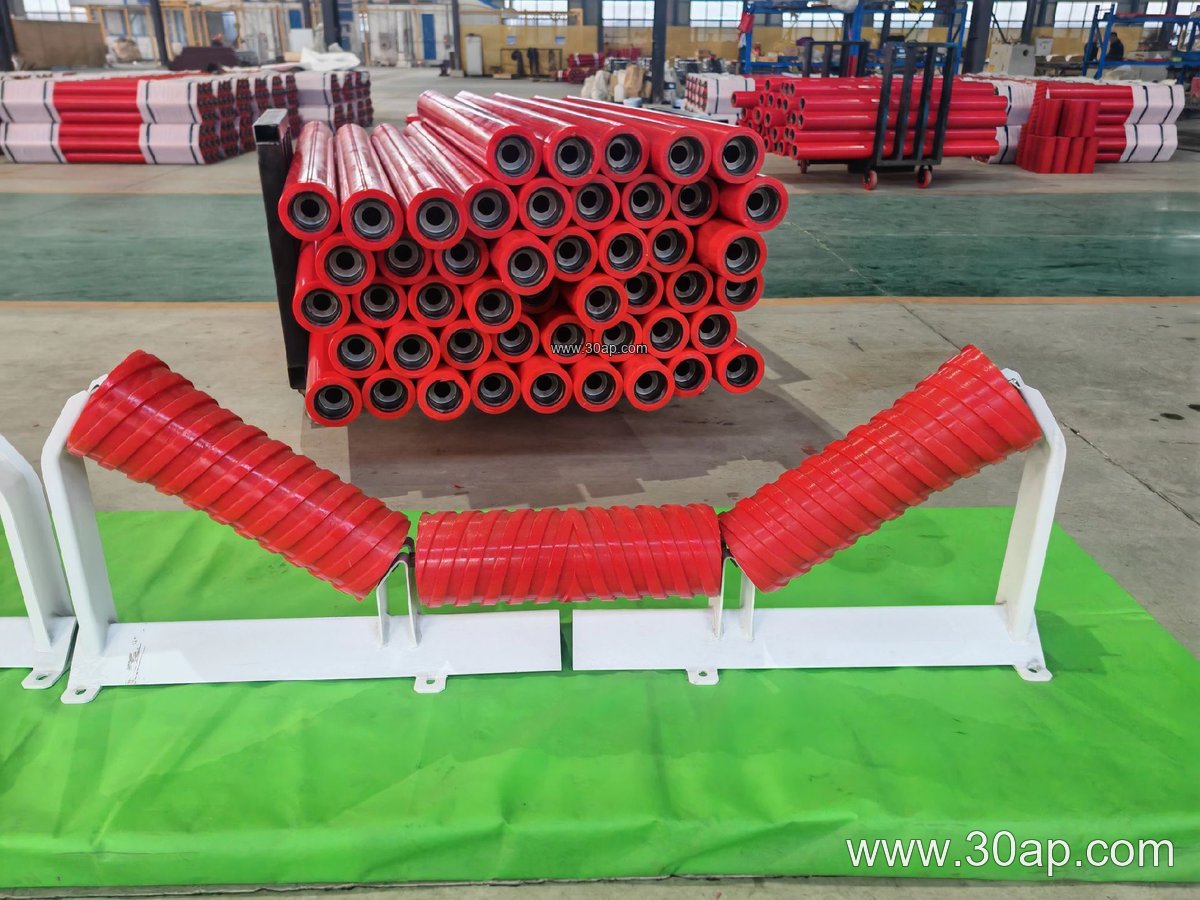
Several bracket subtypes serve different positions along the conveyor. Troughing brackets support the carrying side and set the trough angle. Return brackets hold the belt on the return run, and V-return brackets help center the belt. Impact brackets, often fitted with buffer rollers, are placed at transfer points in crusher and screen plants. Transition brackets guide the belt from flat to troughed shape near pulleys. Adjustable brackets allow the trough angle to be changed on site, which is useful when a conveyor handles both fine and coarse material.
For comparison, a bend pulley changes belt direction, while a troughing bracket only supports the belt’s shape. They are not interchangeable, and each must be specified for its own duty.
Matching Brackets to Belt and Roller
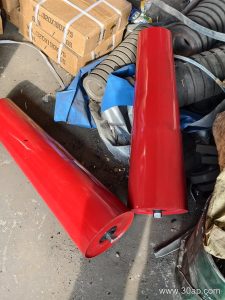
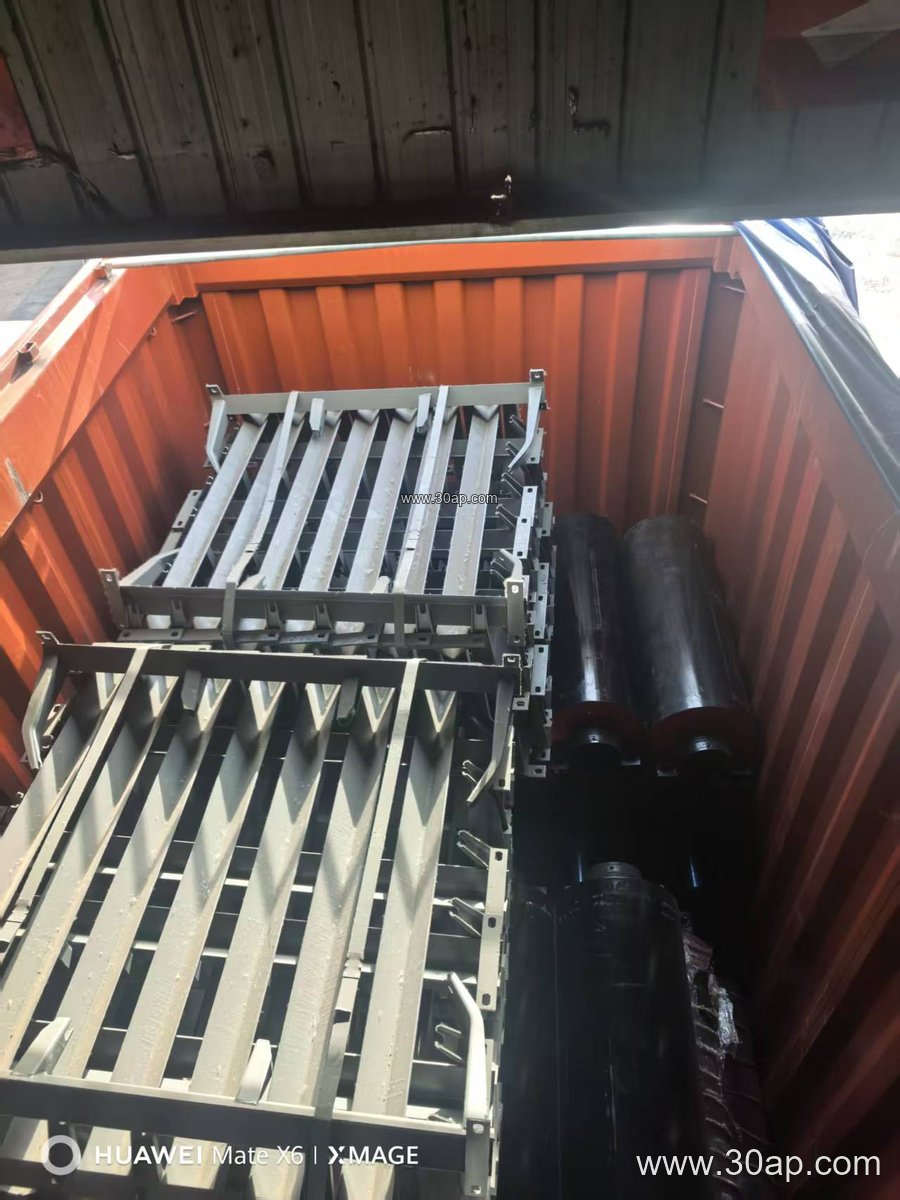
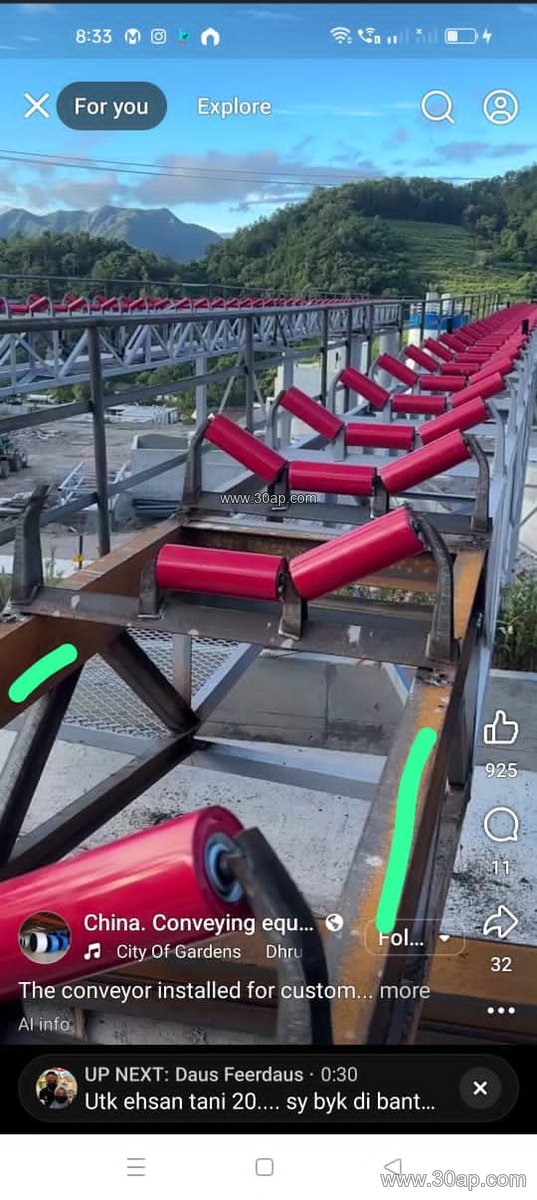
Bracket selection is tied to belt width and roller diameter. Common belt widths include B500, B650, B800, B1000, B1200, B1400, B1600, B1800, and B2000. Roller diameters often range from Ø89 to Ø194. Trough angles are typically 20, 30, 35, or 45 degrees, with adjustable frames covering a range. The table below shows illustrative combinations, not mandatory pairings:
| Belt Width | Trough Angle | Roller Diameter | Typical Bracket Type |
|---|---|---|---|
| B650 | 30° | Ø89 | Troughing bracket |
| B800 | 35° | Ø108 | Troughing bracket |
| B1200 | 45° | Ø133 | Transition or troughing bracket |
| B1600 | 35° | Ø159 | Heavy-duty troughing bracket |
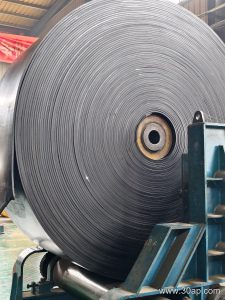
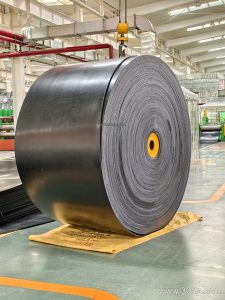
A wider belt does not dictate a single trough angle or roller size; the design engineer sets these based on capacity, material repose, and belt stiffness. For instance, a 1200mm wide conveyor belt might run at 35 degrees with Ø133 rollers in one plant and 45 degrees with Ø159 rollers in another.
Where Fabricated Brackets Are Used
These supports appear wherever a conveyor belt needs consistent roller spacing. In an iron ore terminal, heavy-duty brackets resist impact and abrasion. In a cement plant, they carry clinker and limestone across long distances. In a coal mining conveyor system, flame retardant and anti-static belt grades are common, and brackets must be robust enough for continuous operation. Other applications include sand and gravel lines, fertilizer handling, and tunnel spoil removal. The bracket itself is usually steel, but its design must suit the belt’s tension and the roller’s load.
Buyer Checklist
Before ordering fabricated brackets, confirm the belt width, trough angle, roller diameter, and mounting hole pattern. Ask for the material grade and surface finish, and specify whether the frame should be fixed or adjustable. Check that the bracket design allows roller replacement without removing the entire frame. For harsh environments, consider galvanized or painted finishes. Finally, request dimensioned drawings so the brackets match the existing conveyor structure. Reliable conveyor bracket fabrication keeps idler rollers aligned and extends the service life of the entire conveyor system.