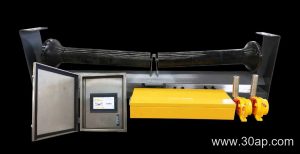
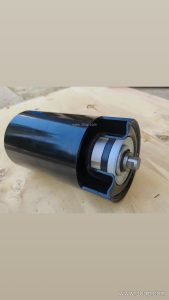
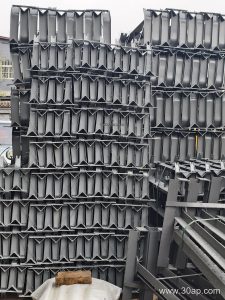
What a 1000mm Conveyor Belt Is
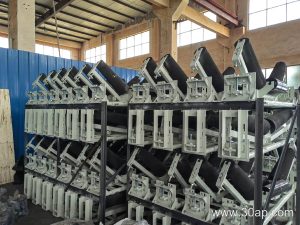
A 1000mm conveyor belt is a belt with a nominal width of one metre, matched to a 1000mm-wide conveyor frame and its idler roller sets. It sits in the middle of the common width range, above 800mm belts and below 1200mm and 1400mm units, and it is a frequent choice where a single line must carry a substantial tonnage without becoming too heavy to handle. In plant drawings the width often appears as B1000, and the belt may also be described as a 1000mm wide conveyor belt.
Width is only one part of the specification. Two belts of the same 1000mm width can behave very differently once the carcass, cover grade and surface form change, so buyers normally define the whole construction, not just the cut width.
How the Belt Is Built
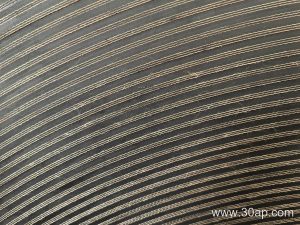
Most 1000mm belts are built from three elements: a tension-carrying carcass, top and bottom rubber covers, and edge protection. The carcass may be multi-ply fabric, such as an EP Conveyor Belt or NN Conveyor Belt, or steel cord for longer runs and higher tensions. Cover thickness is usually written as a top plus bottom figure, for example 6+2 mm or 8+3 mm, and the right choice depends on lump size, impact energy and abrasion at the loading point.
Surface form matters too. A Chevron Conveyor Belt adds raised ribs to hold material on an incline, a Corrugated Sidewall Conveyor Belt with cleats allows steep angles, and a Skirted Conveyor Belt helps contain material at transfer points. Heat Resistant Conveyor Belt, Oil Resistant Conveyor Belt and Flame Retardant Conveyor Belt grades address specific service conditions rather than width.
Typical Service Conditions
A one-metre belt turns up across heavy industry. In a quarry or sand making plant it often runs under a crusher, carrying rock and aggregate to screening. In cement plants it moves clinker, limestone and raw meal. Power plants use it on coal handling lines, while coal mining conveyors may require flame retardant and anti-static properties for underground service. Port and ship loading systems, steel plants and recycling lines also use this width.
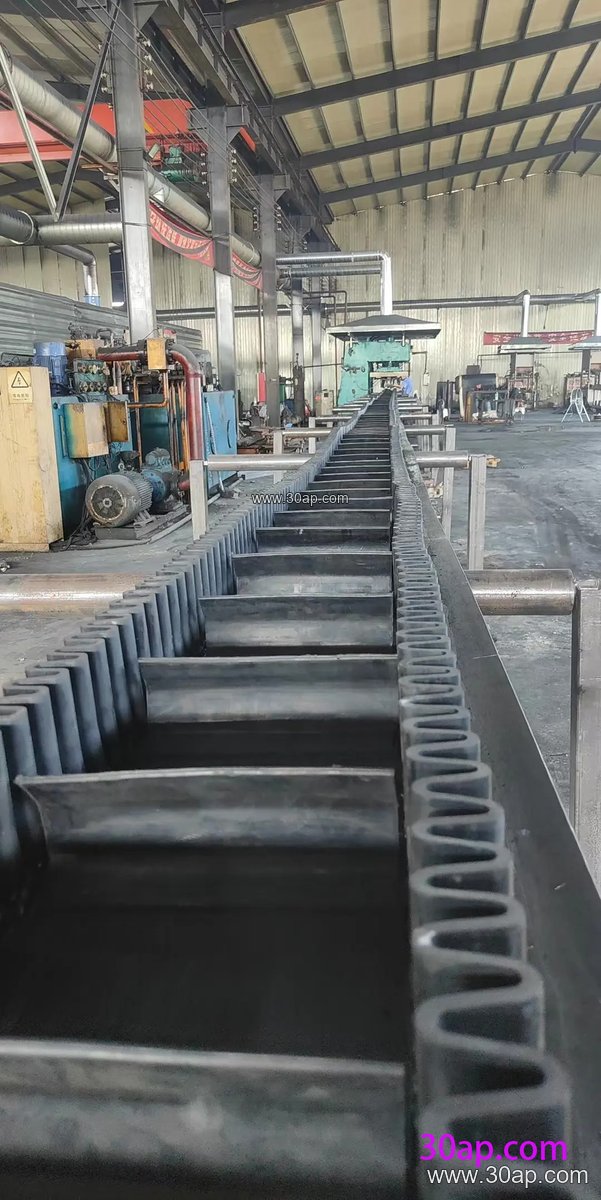
Because the belt is wide enough to accept large lumps but still manageable on a standard frame, it suits both primary and secondary conveying. On a 1000mm conveyor belt the load is shared across the full width, so idler roller alignment and pulley condition have a direct effect on tracking and belt life.
Common Specification Reference
The values below are typical reference points only. Actual construction is confirmed by the belt manufacturer and the conveyor design.
| Item | Typical options |
|---|---|
| Belt width | B1000 (1000mm) |
| Carcass type | EP fabric, NN fabric, steel cord |
| Fabric strength grades | EP200, EP400, EP630, EP800, EP1000 |
| Steel cord grades | ST1000, ST1250, ST1600 |
| Ply count | 2 to 6 plies, by design |
| Cover thickness | 4+2, 5+2, 6+2, 8+3 mm |
| Surface forms | Plain, chevron, sidewall, skirted |
An EP1000 grade may be appropriate for a heavily loaded primary line, while a lower grade may serve a short transfer belt. A Steel Cord Conveyor Belt is chosen when the centre distance is long and splices must be few.
Matching the Belt to the Conveyor
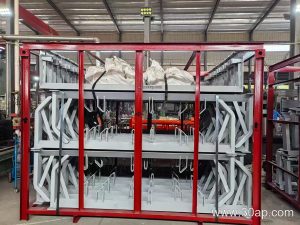
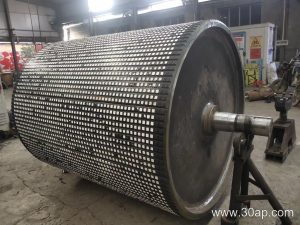
A 1000mm belt should be matched to the pulley face width, the trough angle of the idler roller sets and the transition distance from the tail pulley. The belt does not dictate a single pulley diameter; the pulley is sized from belt tension, carcass thickness and the required wrap angle. Similarly, shaft diameter is a function of the pulley and bearing design, not of belt width alone. Conveyor bracket and frame dimensions should leave adequate clearance for belt edges and any sidewall height.
Where the route climbs, chevron or sidewall profiles may remove the need for multiple transfer points. Where the material is hot, a heat resistant cover protects the carcass. Where oil or chemicals are present, a resistant cover reduces swelling and cracking.
Buyer Checklist
- Confirm the actual frame width and pulley face width before ordering.
- State the material, lump size, temperature and any oil, fire or static requirement.
- Specify carcass type and strength grade, plus cover thickness.
- Describe the splice method and whether an Endless Conveyor Belt is required.
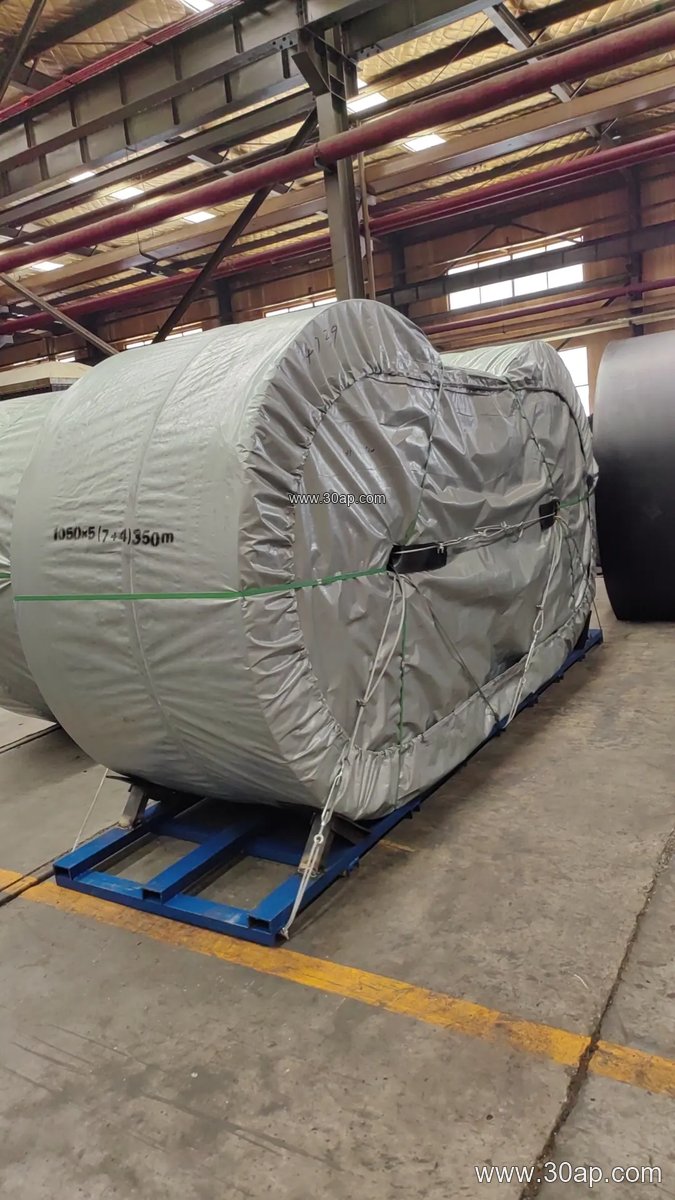
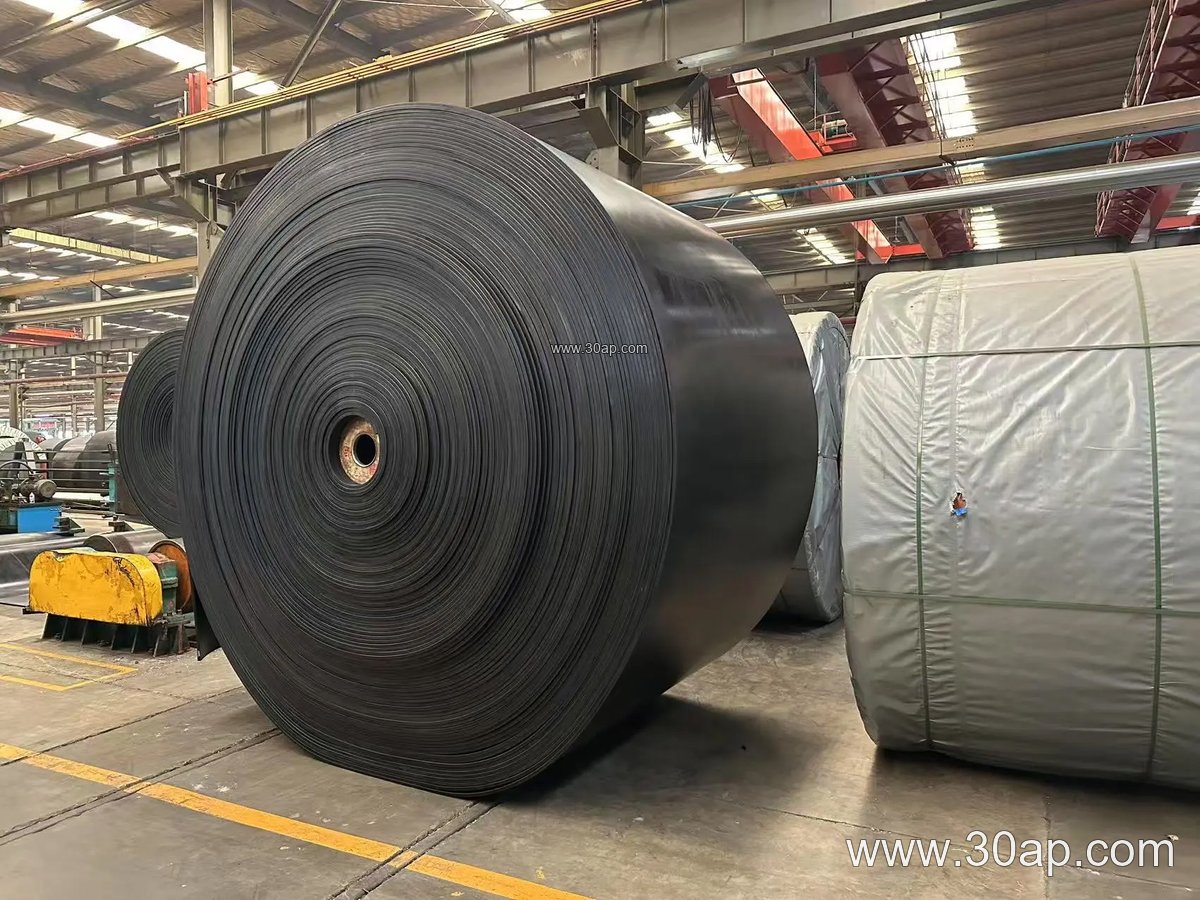
- Check storage, handling equipment and available space for a one-metre roll.
- Plan inspection of idler roller, conveyor pulley and conveyor bracket condition as part of routine maintenance.
For a mining conveyor belt, cement plant line or power plant coal system, the 1000mm width is a practical middle ground. The final specification should always be agreed with the belt supplier and the conveyor designer so that carcass, covers and surface form work together.