What a Heavy-Load Idler Does on a Conveyor
A heavy-load idler is the rotating support that carries a fully loaded conveyor belt along the carrying side of a conveyor. In a quarry, a coal preparation plant or a cement plant, the belt may be moving coarse rock, wet aggregate or hot clinker, and the idler must keep that load rolling smoothly without excessive deflection or drag. The heavy-load idler is built around the same working principle as a standard idler roller, but with thicker shells, larger bearings and stronger frames so it can handle high belt tension and impact.
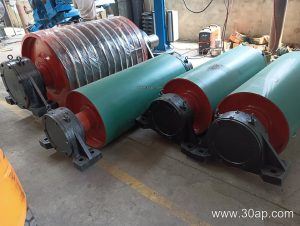
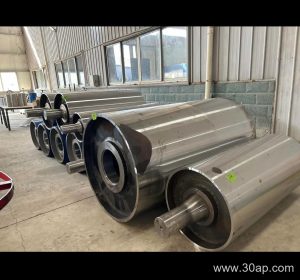
It is not the same as a conveyor pulley. Drive pulleys, tail pulleys and bend pulleys transmit or redirect belt motion, while a heavy-load idler only supports the belt. This distinction matters when specifying spare parts, because an idler cannot be swapped for a pulley and vice versa.
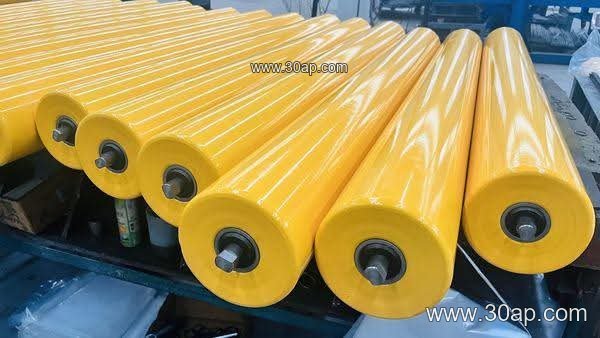
Construction Details That Matter
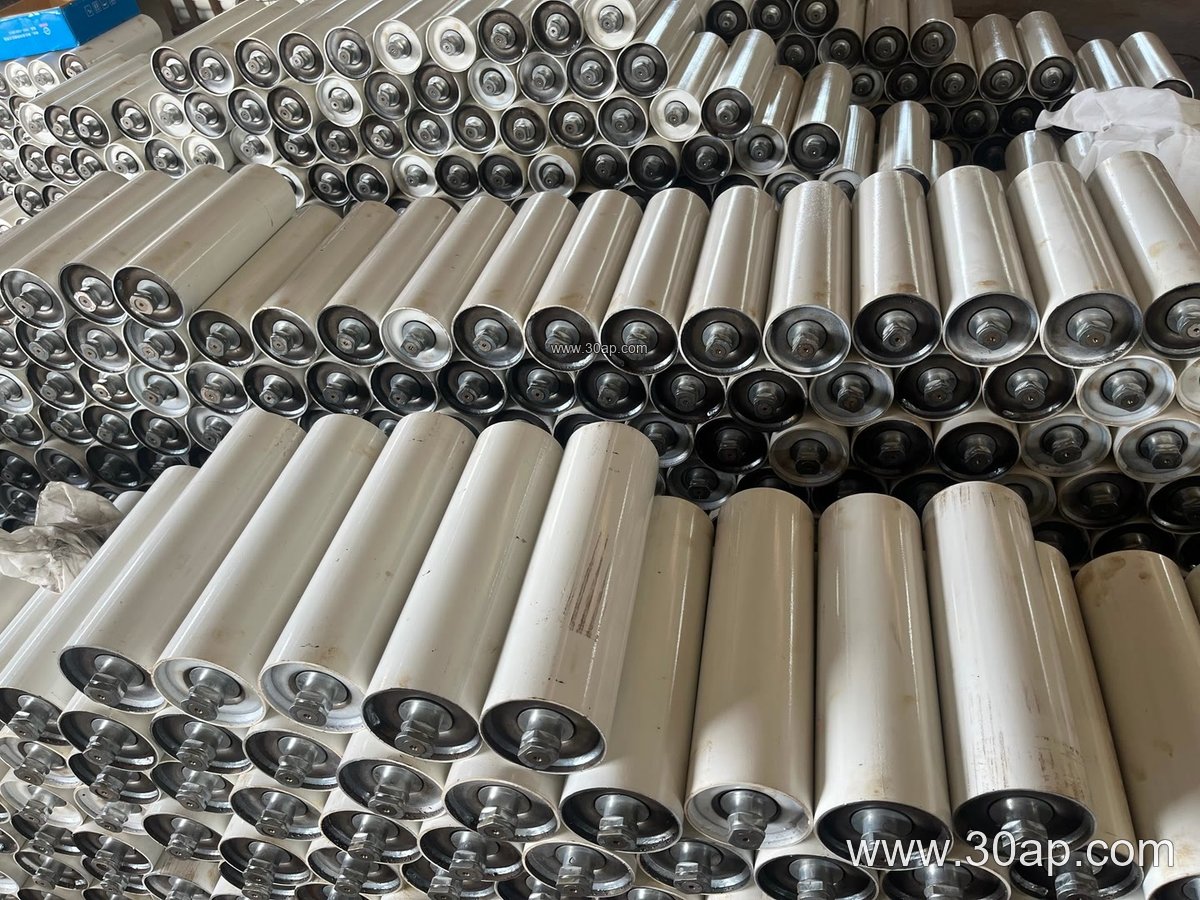
Most heavy-load idlers use a steel tube shell, often with a machined end face and welded bearing housings. The roller surface can be plain steel, nylon-coated, ceramic-covered or fitted with rubber rings for impact absorption. Bearing selection is critical: common sizes in this class include 6205, 6305, 6306, 6308 and 6310, with the final choice depending on load, speed and expected service life. Sealing is equally important in dusty or wet conditions, since grit entering the bearing is a leading cause of seized idlers.
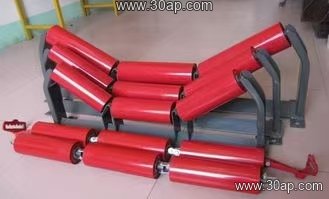
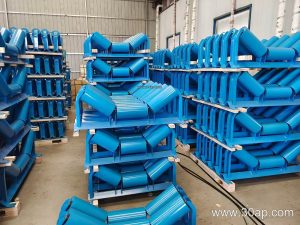
The idler frame, sometimes called a conveyor bracket, must hold the roller at the correct angle. Three-roller troughing sets are common on the carrying side, with trough angles of 20, 30, 35 or 45 degrees. Return idlers are usually flat or V-shaped and support the empty belt on its way back.
Where Heavy-Load Idlers Are Used
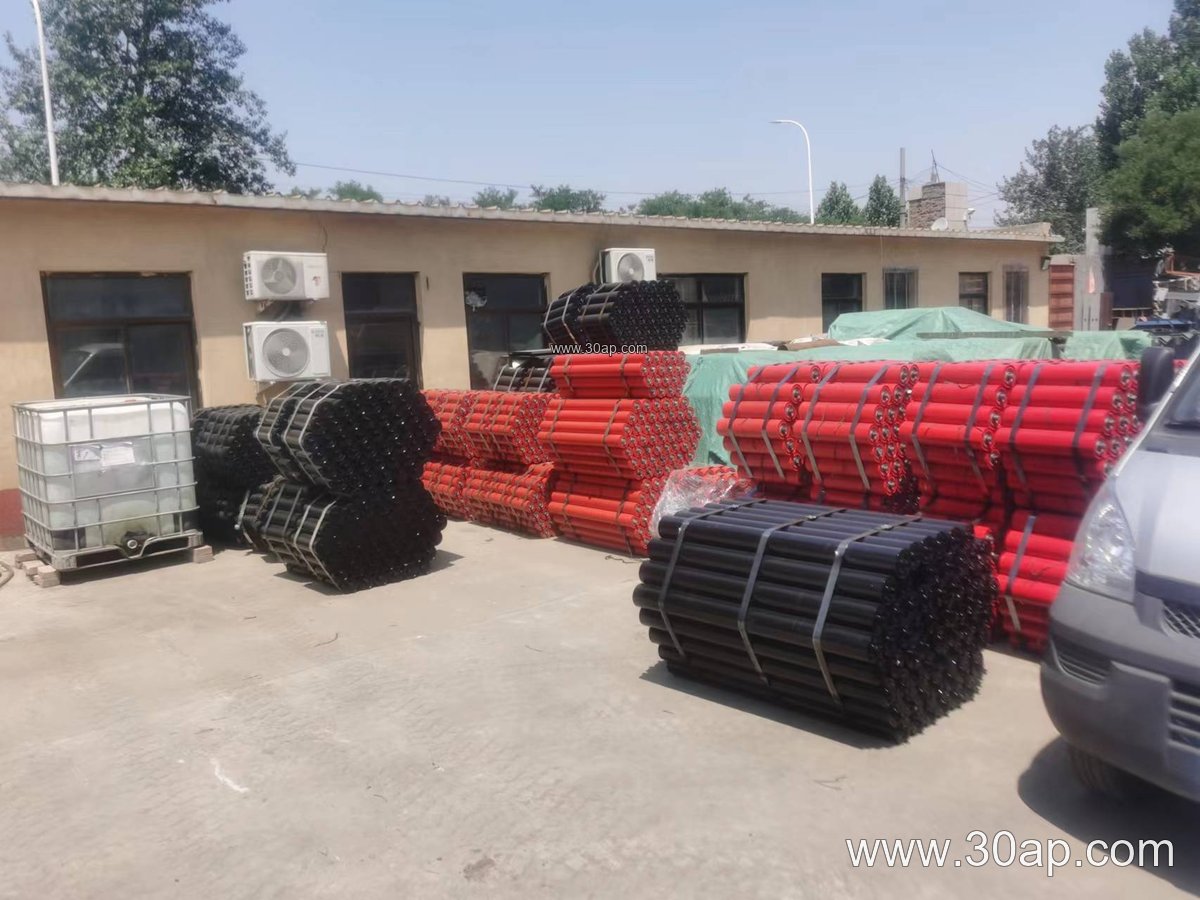
These idlers appear wherever the belt carries dense or abrasive bulk material. In an iron ore or copper ore operation, a heavy-load idler supports a steel cord conveyor belt moving thousands of tonnes per shift. In a coal mining conveyor system, flame retardant conveyor belt and anti-static conveyor belt grades are often paired with robust idlers to reduce fire risk underground. Aggregate plants feeding a crusher conveyor belt rely on impact-resistant idlers under the loading point, where falling rock would quickly damage a light-duty roller.
Other typical sites include power plant coal handling, steel plant sintering lines, port ship loading conveyors and sand making plant conveyor belt circuits. In each case, the heavy-load idler works together with the conveyor belt, conveyor pulley and conveyor bracket to keep material moving.
Common Dimensions and Configurations
Idler diameter and belt width are selected together, but there is no single fixed match. A wider belt needs a longer roller and usually a larger frame, while the roller diameter depends on load and speed. The table below shows common reference values, not mandatory combinations.
| Parameter | Common Reference Values |
|---|---|
| Idler diameter | Ø89, Ø102, Ø108, Ø127, Ø133, Ø159, Ø178 mm |
| Belt width | B650, B800, B1000, B1200, B1400, B1600, B1800 mm |
| Trough angle | 20°, 30°, 35°, 45° |
| Roller length (three-roll set, mid roll example) | About 250 mm for B650, 315 mm for B800, 380 mm for B1000, 465 mm for B1200, 530 mm for B1400, 600 mm for B1600 |
| Bearing sizes | 6205, 6305, 6306, 6308, 6310 |
Side rollers and center rollers in the same set can differ in length. A heavy-load idler for a 1200mm wide conveyor belt is therefore specified by the complete set, not by belt width alone. When the belt carries hot material, heat resistant conveyor belt grades may be used, and the idler bearing lubricant should match the temperature range.
Buyer Checklist
- Confirm the belt width and the actual trough angle, since a 35-degree frame will not accept a 45-degree roller set correctly.
- Check the load per idler and the belt speed; a larger diameter idler generally runs cooler and lasts longer under heavy load.
- Ask about sealing and bearing type for dusty or wet service, especially in underground mining conveyor belt systems.
- For impact zones, consider rubber-ring impact idlers rather than standard troughing idlers.
- Verify that the idler frame matches the existing conveyor bracket spacing before ordering.
For more information on matching idlers with conveyor belt, idler roller and conveyor pulley components, visit www.example.com/heavy-load-idler or www.example.com/conveyor-idler. A well-chosen heavy-load idler reduces downtime and keeps bulk material moving reliably.