What a Galvanized Conveyor Bracket Does on a Belt Line
A galvanized conveyor bracket is the steel support that holds idler rollers at the correct height, angle, and spacing along a conveyor frame. It is a structural part, not a moving one, but the whole belt path depends on it. When a quarry conveyor or a coal handling line is built, the bracket ties the idler roller to the stringer and keeps the belt profile steady under load. Hot-dip galvanizing gives the bracket a zinc coating that resists rust in damp tunnels, wash-down areas, and coastal ports.
The same part is often called a galvanized idler bracket or galvanized roller support. Those names describe the identical product; they do not refer to a different bracket family. Drive pulleys, tail pulleys, and bend pulleys are separate components and are never a substitute for the bracket itself.
How the Bracket Is Built
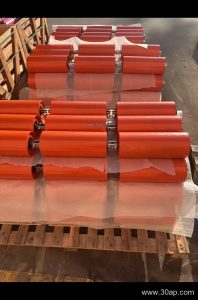
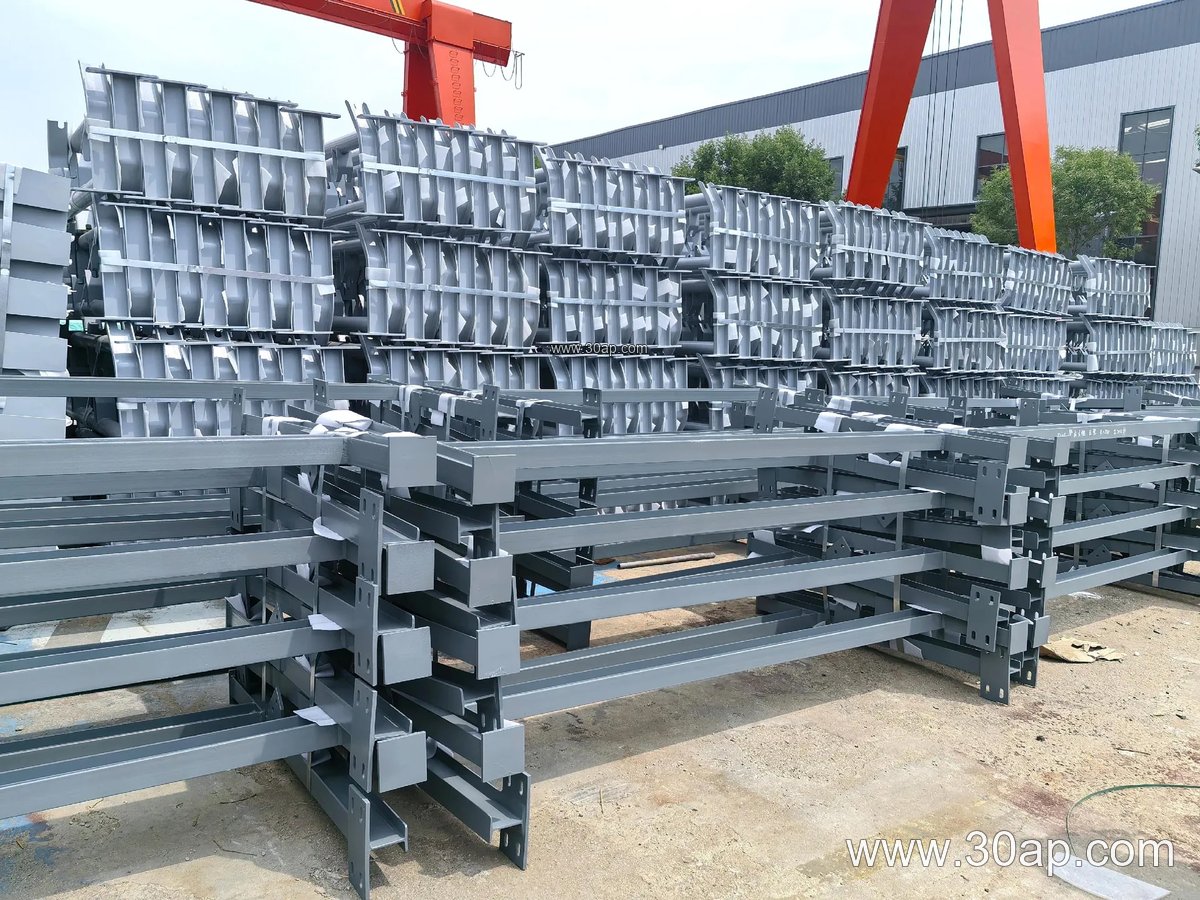
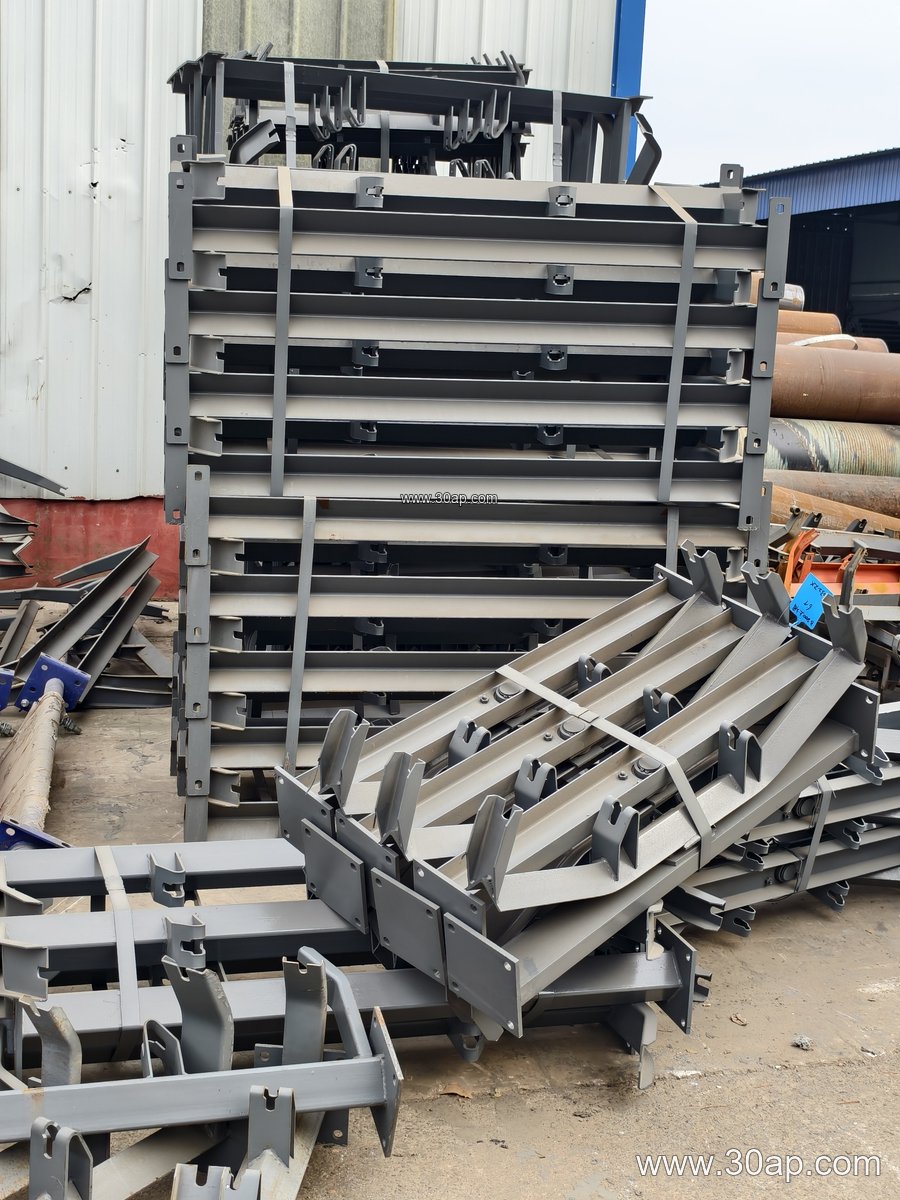
Most brackets are fabricated from angle steel, channel steel, or folded steel plate. The shape depends on where the bracket sits: a trough bracket carries three rollers in a trough profile, a return bracket supports the belt on the return run, and a transition bracket eases the belt from flat to troughed. After cutting and drilling, the part goes through pickling, fluxing, and a zinc bath, so the coating covers edges and bolt holes as well as flat faces.
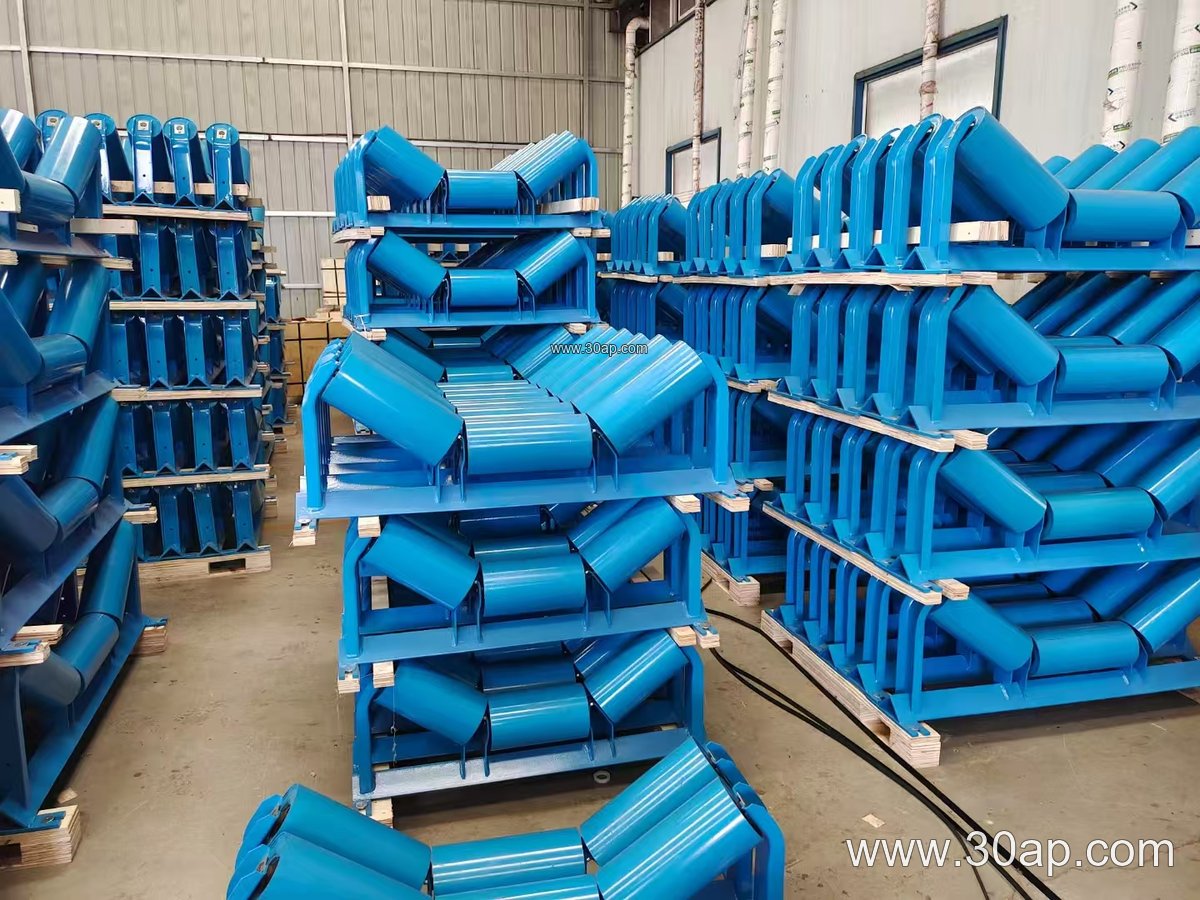
- Trough brackets hold the carrying side in a 20, 30, 35, or 45 degree trough.
- Return brackets, including V-type return brackets, support the empty belt.
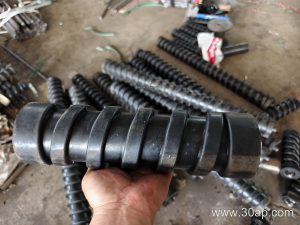
- Impact brackets sit under loading points and pair with cushion rollers.
- Self-aligning and forward-leaning brackets help control belt tracking.
- Adjustable brackets let maintenance staff change the trough angle on site.
Common roller diameters used with these brackets include Ø89, Ø108, Ø133, Ø159, and Ø194. Belt widths in the reference range run from B500 to B2200, and the mounting hole spacing and crossbeam length change with width and trough angle, so they are set by design rather than by a single fixed number.
Where These Brackets Are Used
You will find galvanized conveyor brackets in stone crushing plants, cement plants, power plant coal yards, and port loading systems. In a sand and gravel line they carry the belt that feeds a crusher; in a steel plant they support the belt moving sinter or coke. Because the zinc layer tolerates moisture and mild chemical exposure, the bracket also suits fertilizer handling and grain silo galleries.
On a heavy-duty mining conveyor belt, the bracket must match the load: a wide, thick belt with a steel cord conveyor belt or a multi-ply fabric core conveyor belt needs a sturdier frame and larger rollers than a light aggregate belt. A chevron conveyor belt or corrugated sidewall conveyor belt may need extra clearance around the bracket, and an endless conveyor belt benefits from accurate bracket alignment because there is no splice to absorb misalignment.
Matching Bracket, Roller, and Belt Width
Selection starts with the belt width and the required trough angle, then moves to roller diameter and shaft size. A B800 belt at 35 degrees with Ø108 rollers is a common combination, and a B1200 line at 45 degrees with Ø133 rollers also appears in bulk handling. These are examples, not rules. One belt width can work with more than one trough angle and more than one roller diameter, depending on capacity, belt stiffness, and frame design.
| Item | Common Options | Notes |
|---|---|---|
| Belt width | B500, B650, B800, B1000, B1200, B1400, B1600, B1800, B2000, B2200 | Match crossbeam length to width |
| Trough angle | 20, 30, 35, 45 degrees | Adjustable types cover a range |
| Roller diameter | Ø89, Ø108, Ø133, Ø159, Ø194 | Choose by load and belt speed |
| Material | Angle steel, channel steel, folded plate | Galvanized after fabrication |
Forward-leaning brackets are usually set at about 1.5 to 2 degrees to improve tracking. A skirted conveyor belt or pipe conveyor belt layout may call for modified bracket spacing near the transition zone, and a heat resistant conveyor belt or flame retardant conveyor belt used underground must be paired with brackets that keep the belt clear of the frame.
What Buyers Should Check
Ask for the zinc coating thickness, the steel grade, and a drawing that shows hole spacing for your belt width and trough angle. Confirm whether the bracket is fixed or adjustable, and whether it is a carrying, return, or impact position. Check that the roller diameter and shaft fit the bracket saddle. For a coal mining conveyor belt or an underground coal mining conveyor belt installation, confirm that the bracket design suits the tunnel clearance and the belt training requirements.
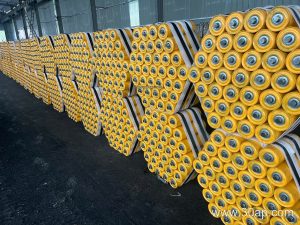
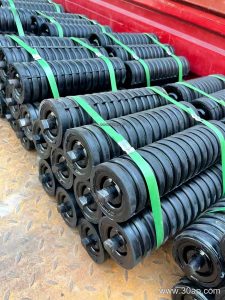
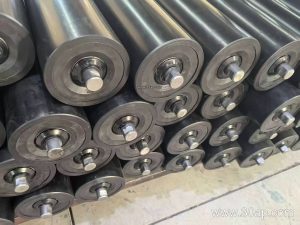
During service, inspect for loose bolts, bent arms, and coating damage. A chipped zinc layer can be touched up to slow corrosion. Replacing a worn idler roller is easier when the bracket is sound, so keep spare brackets on hand for critical lines. Used with the right conveyor belt, idler roller, and conveyor pulley, a well-chosen galvanized bracket keeps the whole conveyor frame working as one system.