What a Heavy-Duty Belt Conveyor Idler Does
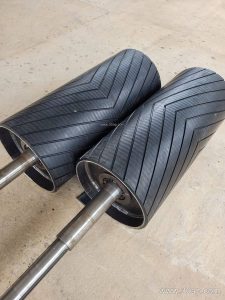
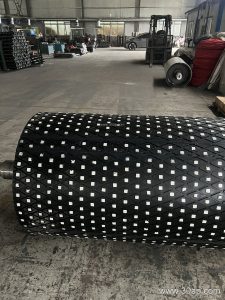
A heavy-duty belt conveyor idler is the rotating support that carries a loaded conveyor belt along its run. In a quarry, a coal preparation plant or a cement clinker line, the idler set has to hold the belt in shape, keep the belt tracking, and absorb the constant load of rock, ore or aggregate. The heavy-duty version is built for higher loads, longer service intervals and rougher conditions than a standard carrying idler. It is the part that sits under the belt and turns with it, day after day, while the conveyor pulley at the head drives the belt forward.
The working principle is simple. A steel tube shell rotates on bearings mounted in a sealed housing, and the shell supports the belt. The frame or bracket holds the idler at the correct angle and spacing. On a heavy-duty belt conveyor idler, the shell wall, bearing size, seal arrangement and shaft are selected so the roller can survive impact, dust and continuous operation without frequent replacement. For a mine or crusher discharge point, that durability matters more than the initial cost of the roller.
Construction Details That Matter
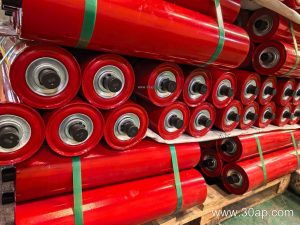
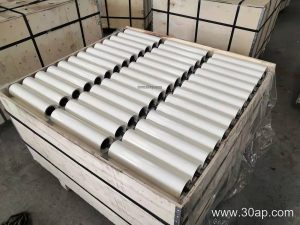
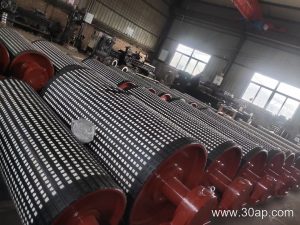
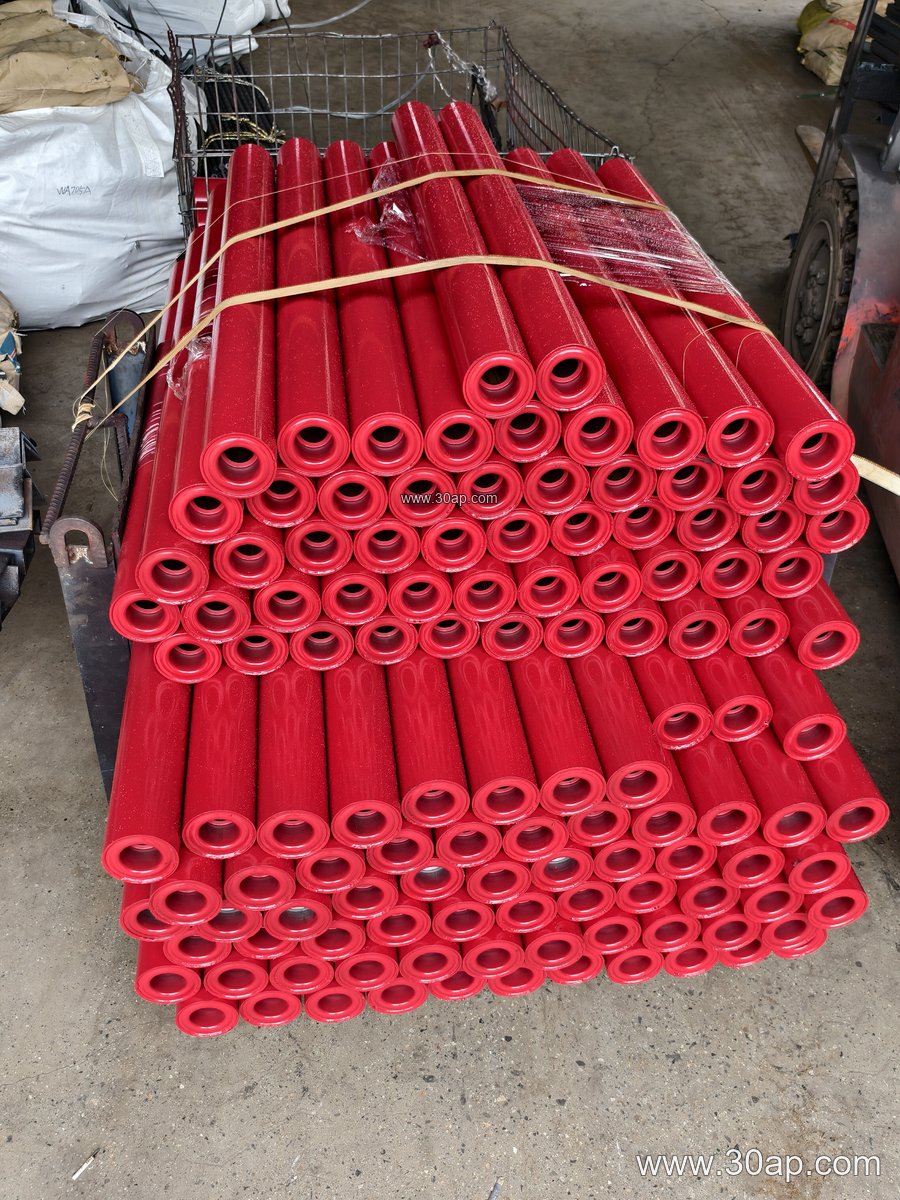
The shell is usually a steel tube, and the roller surface may be plain steel, rubber covered, nylon or ceramic depending on the duty. Rubber rings are common at transfer points where lumps fall onto the belt, because the rubber cushions impact and protects both the idler and the conveyor belt. Seals are the quiet hero of the design: a good labyrinth or contact seal keeps fine dust out of the bearing, and that is often what separates a long-life roller from a short-life one.
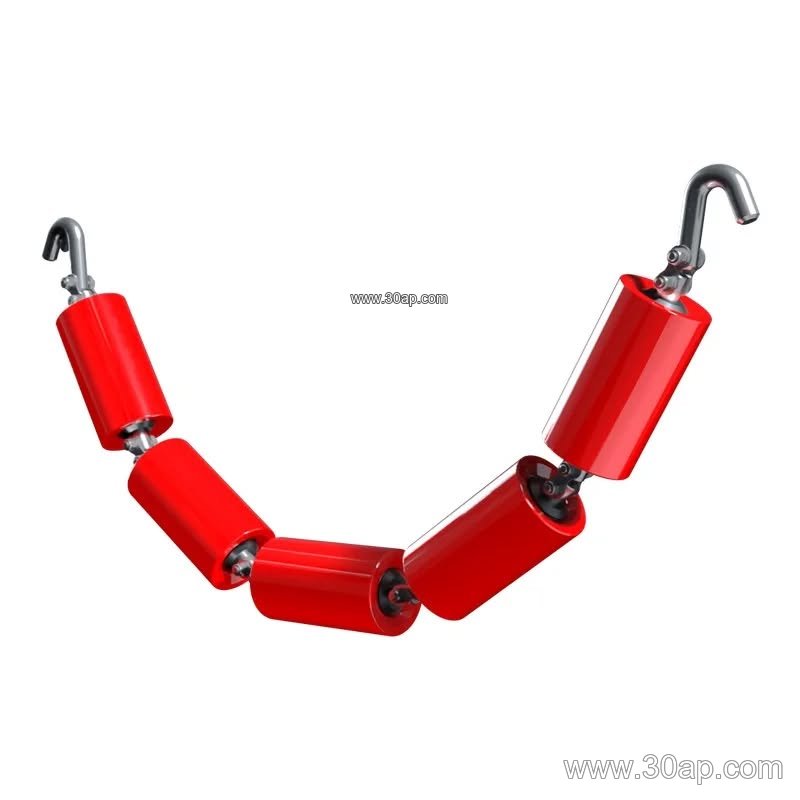
Bearings are commonly selected from series such as 6204, 6205, 6305, 6306, 6308 and 6310, but the bearing must be matched to the actual load and speed rather than to a single belt width. Shaft diameter, shell thickness and bearing housing are all design choices, not fixed rules tied to one belt size. A buyer should ask for the load rating, the sealing method and the surface treatment rather than assume that a given roller diameter fits every application.
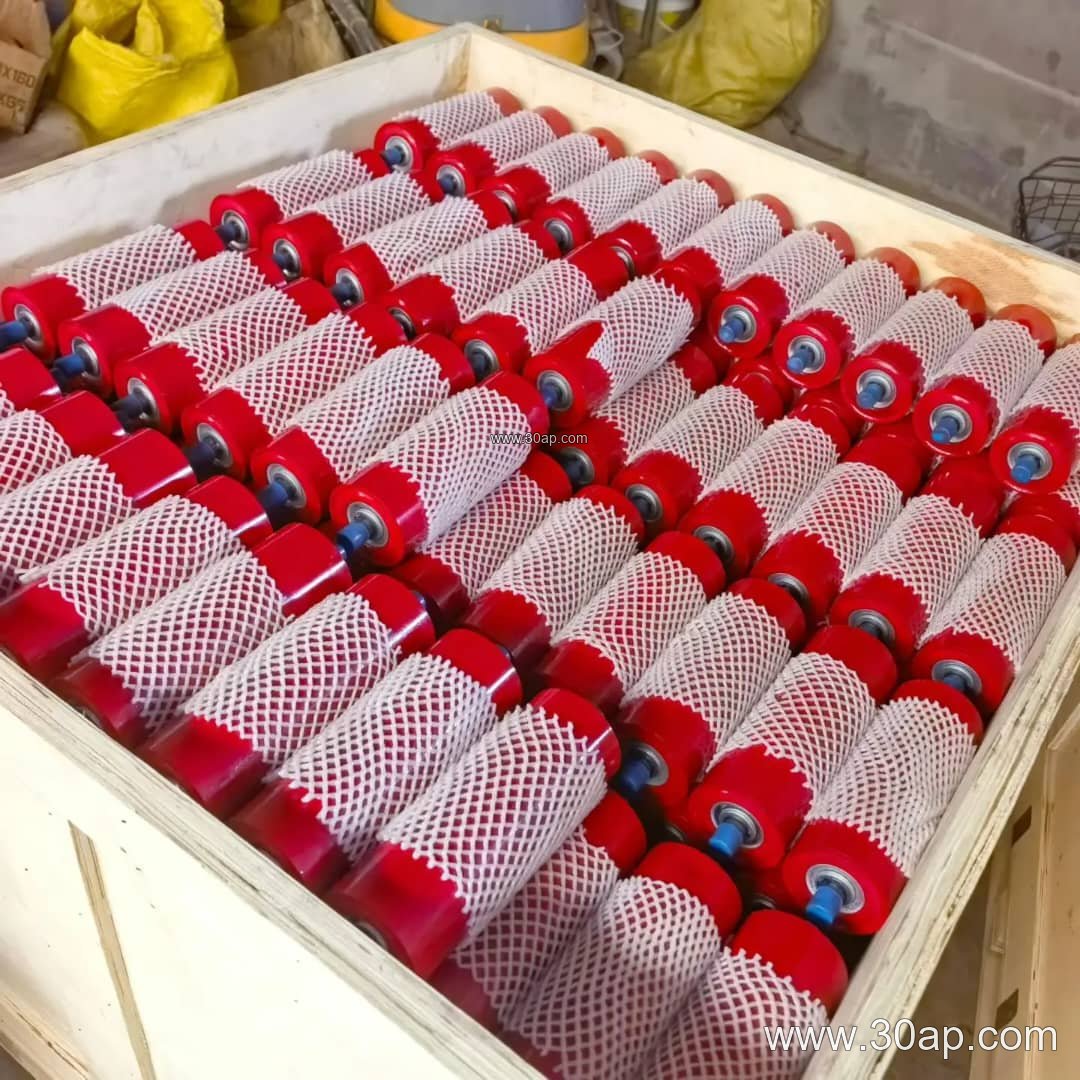
- Shell: steel tube, with optional rubber rings, nylon or ceramic surface
- Bearing: deep groove ball bearing, sealed for life in many designs
- Seal: labyrinth, contact or combined dust seal
- Shaft: fixed to the bracket, with the shell rotating around it
- Frame: single-roller, two-roller or three-roller trough set
Common Types and Where They Sit
Troughing idlers form the carrying side and give the belt a trough shape so bulk material stays centered. A three-roller trough set is common on wide belts, while a two-roller or single-roller arrangement may suit narrower or special conveyors. Transition idlers ease the belt from the flat pulley area into the trough, reducing stress at the transition zone. On the return side, a flat return idler or a V-return idler supports the empty belt.
Impact idlers and rubber-ring impact rollers are placed below loading points in a crusher line or at a ship loader, where falling material would otherwise damage a standard roller. Self-aligning idlers, including friction and tapered types, help correct belt misalignment on long runs. Spiral idlers are used where sticky material tends to build up on the roller surface.
The trough angle is usually 20, 30, 35 or 45 degrees, and the choice affects how the load sits in the belt. A steeper trough holds material better but can increase belt stress at the edges. Forward tilt of about 1.5 to 2 degrees is sometimes used on training idlers to help keep the belt centered. None of these values is mandatory for every conveyor; they follow the belt width, material and conveyor design.
Matching Idler Size to Belt Width
Roller length changes with belt width, trough angle and the number of rollers in the set. The table below shows common reference values for three-roller trough sets. Side rollers and the center roller can differ, so the figures are examples rather than fixed pairings.
| Belt width | Common roller length (three-roller trough) | Typical idler diameter range |
|---|---|---|
| B500 | about 200 mm | Ø63 to Ø89 |
| B650 | about 250 mm | Ø76 to Ø108 |
| B800 | about 315 mm | Ø89 to Ø127 |
| B1000 | about 380 mm | Ø108 to Ø133 |
| B1200 | about 465 mm | Ø108 to Ø159 |
| B1400 | about 530 mm | Ø127 to Ø178 |
| B1600 | about 600 mm | Ø133 to Ø194 |
| B1800 | about 670 mm | Ø159 to Ø219 |
| B2000 | about 750 mm | Ø178 to Ø219 |
Idler diameter options commonly range from Ø63 up to Ø219, and the final choice depends on belt speed, load and the space available under the belt. A wider belt does not automatically require one specific pulley diameter, and shaft size should never be guessed from belt width alone. The conveyor pulley, the belt tension and the idler spacing all interact, so the layout should be checked as a system.
Applications Across Heavy Industry
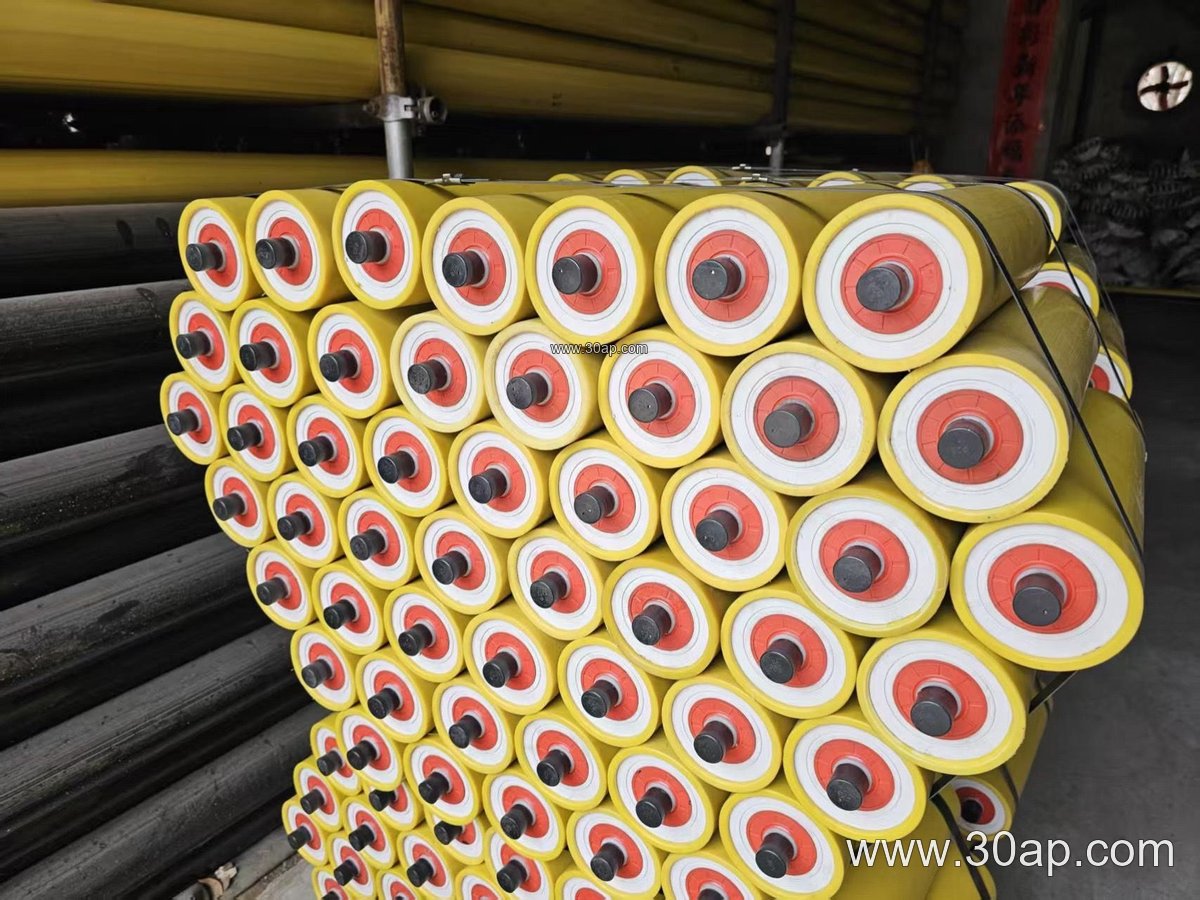
Heavy-duty idlers appear wherever bulk material moves in volume. In an iron ore or copper ore operation, they carry abrasive rock on a high-abrasion-resistant conveyor belt. In a coal preparation plant or an underground coal mining conveyor, flame-retardant and anti-static belt properties are important, and the idler must cope with dust and moisture. A cement plant uses them on clinker and limestone lines, while a power plant coal yard relies on them on long stockyard and boiler feed conveyors. Sand and gravel plants, crushing and screening circuits, and port ship loaders also use them continuously.
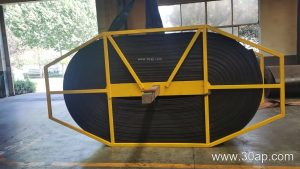
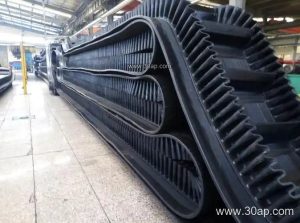
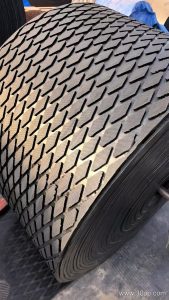
The belt itself may be an EP conveyor belt, an NN conveyor belt, a steel cord conveyor belt or a multi-ply fabric core conveyor belt. At a crusher discharge, a heavy-duty conveyor belt with impact-resistant construction is often paired with rubber-ring impact rollers. In food or fertilizer handling, a food-grade or chemical-resistant belt may be used, and the idler surface should be selected to suit the environment. Matching the idler to the belt and the material is what keeps a conveyor line running.
What Buyers Should Check Before Ordering
- Confirm belt width, trough angle and the number of rollers per set.
- State the material, lump size and loading method so impact rollers can be considered.
- Ask about seal type and bearing series rather than accepting a generic description.
- Check roller length and diameter against the actual conveyor drawing.
- Review the bracket and frame dimensions, since a conveyor bracket that does not match will delay installation.
- Consider the environment: dust, moisture, heat or corrosive fines all affect roller life.
A well-chosen heavy-duty belt conveyor idler reduces downtime and protects the belt. Buyers who compare shell thickness, sealing, bearing selection and frame fit, rather than only roller diameter, usually get the better result. For more on conveyor components and belt options, see the product pages at jk-idler.com.