What a Rubber Impact Idler Does
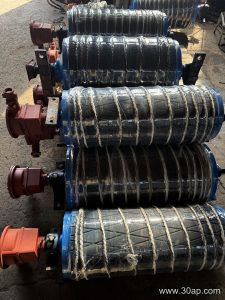
A rubber impact idler is a heavy-duty carrying roller built to absorb the shock of falling material at a conveyor loading point. Instead of a bare steel shell, it uses rubber rings or a rubber-covered surface that cushions the drop, spreads the force across a wider contact area, and protects both the belt and the roller body. In a quarry, a limestone mine, or a crusher discharge, the material often leaves the chute in large lumps with sharp edges. A standard troughing idler can handle the load, but repeated impact gradually damages the belt cover and the roller bearings. The rubber impact idler is the component that takes that punishment first.
The same roller is also called a rubber-ring impact idler or rubber disc impact roller. Those names describe the same product and are used interchangeably by conveyor designers and maintenance teams.
How the Roller Is Built
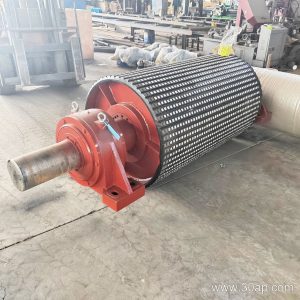
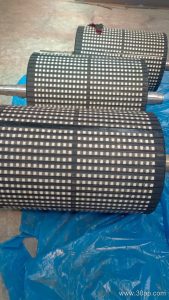
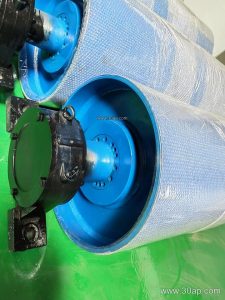
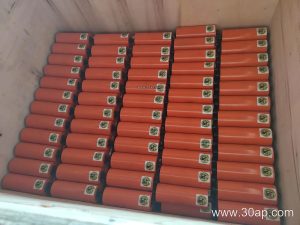
The core is usually a steel tube fitted with a shaft and bearing housings at each end. Rubber rings, discs, or a continuous rubber sleeve are fixed around the shell. The rubber grade is normally chosen for resilience and abrasion resistance rather than pure hardness, because the goal is to deform slightly under impact and recover. Common bearing sizes for this class of roller include 6205, 6305, 6306, and 6308, but the bearing must be matched to the shaft and load, not selected from the roller diameter alone.
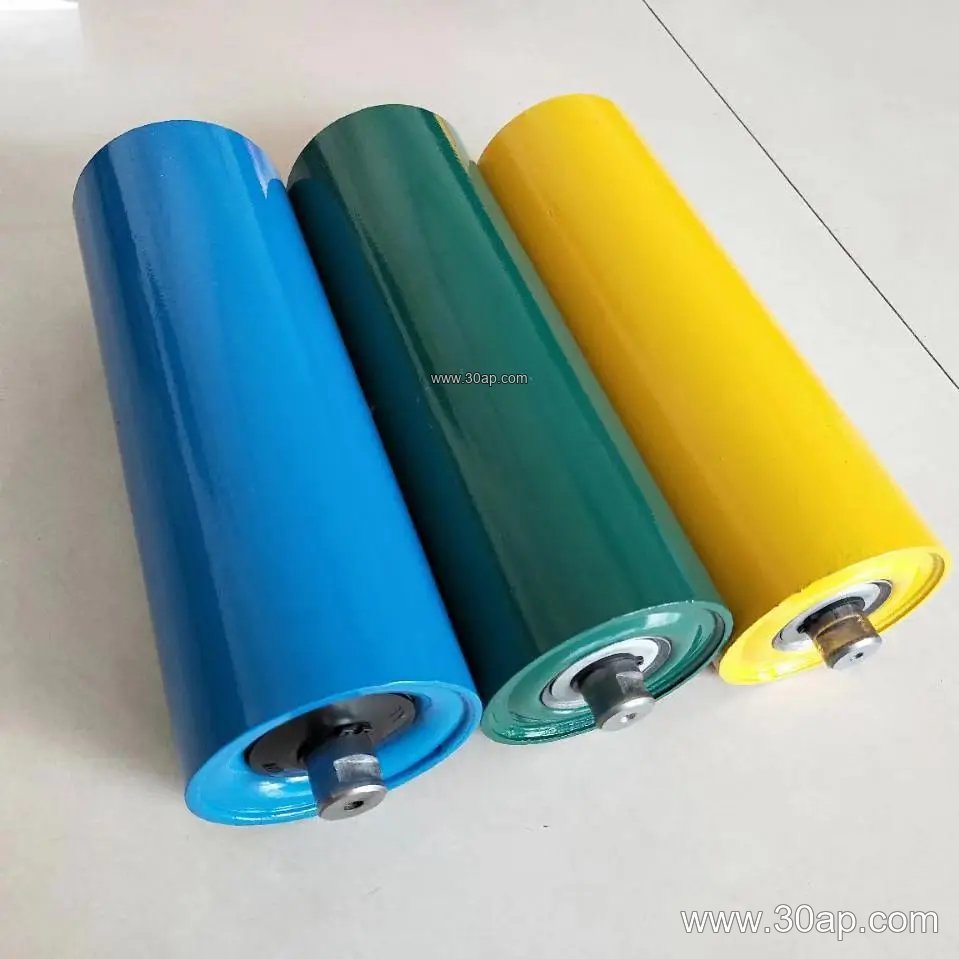
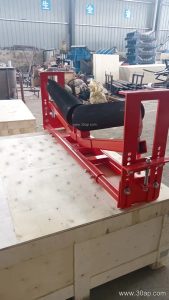
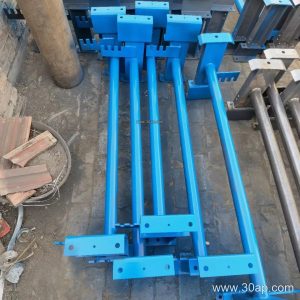
Sealing matters as much as the rubber. Dust from crushing and screening lines works its way into bearing cavities quickly, so effective labyrinth seals and good grease retention extend service life. The roller is mounted in a conveyor bracket or frame in the same way as a conventional idler, which makes replacement straightforward.
Where It Fits on the Conveyor
Impact idlers are installed in the impact zone, typically a short run of idlers directly under the loading chute or transfer point. They are often set in a three-roll troughing arrangement with a 30 or 35 degree trough angle, and sometimes a 45 degree angle where the belt is well supported. The impact section is usually followed by transition idlers before standard troughing idlers resume.
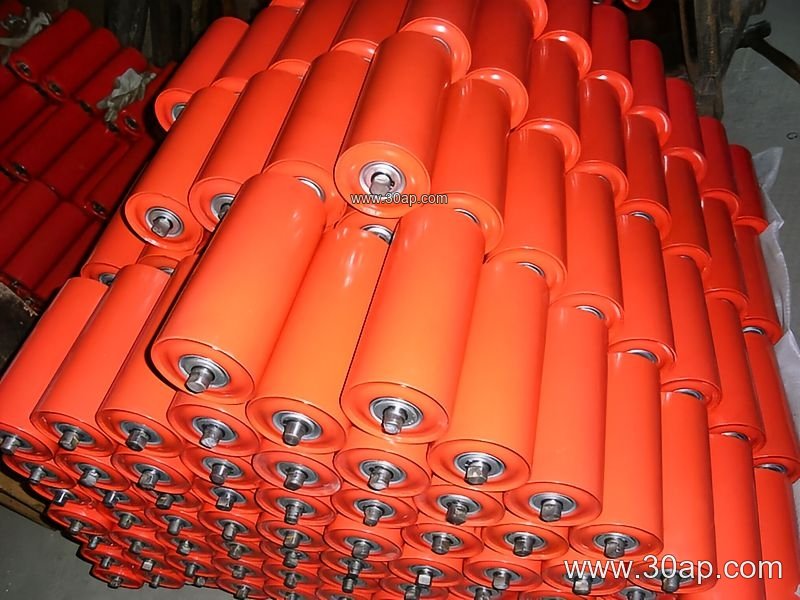
Typical locations include:
- Crusher discharge and screen feed points in sand and gravel plants
- Coal receiving and transfer houses at power plants and wash plants
- Ore transfer stations in iron ore and copper ore handling
- Cement plant clinker and raw material loading points
- Port and ship loading conveyors where material falls from a height
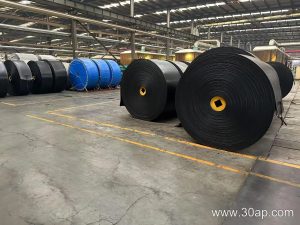
At these points the conveyor belt may be an abrasion resistant conveyor belt, a heavy-duty mining conveyor belt, or a steel cord conveyor belt on a long overland run. The impact idler protects the belt cover regardless of carcass type, and it works together with the conveyor pulley at the head end and the conveyor bracket system along the line.
Sizes and Selection Notes
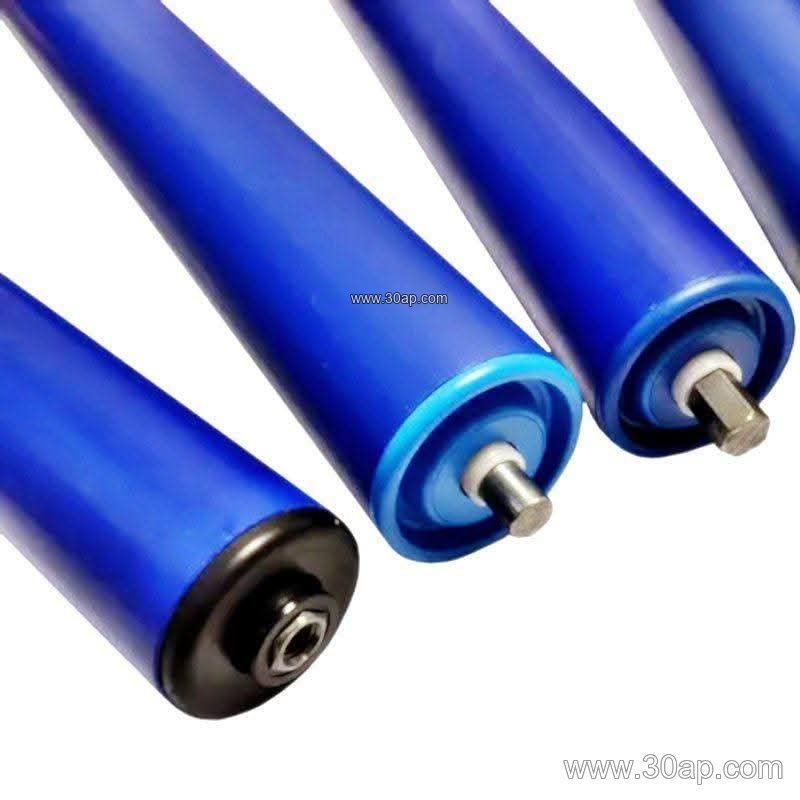
Roller diameter and belt width should be considered together but not treated as a fixed pair. A rubber impact idler is commonly available in diameters such as 89 mm, 108 mm, 133 mm, 159 mm, and 194 mm, with larger sizes used where lumps are heavy and the drop is high. Belt widths from B500 to B2000 are common in impact sections, and wider belts may use longer rollers or additional support.
| Parameter | Common reference values |
|---|---|
| Roller diameter | 89, 108, 133, 159, 194 mm |
| Belt width | B500, B650, B800, B1000, B1200, B1400, B1600, B1800, B2000 |
| Trough angle | 20, 30, 35, 45 degrees |
| Roller surface | Rubber rings, rubber discs, rubber sleeve |
| Bearing examples | 6205, 6305, 6306, 6308 |
These are reference values, not universal specifications. The final roller length depends on belt width, trough angle, and the idler set configuration. A three-roll troughing set on a B1000 belt may use a middle roll around 380 mm long, but side rolls and frame geometry can differ. Buyers should confirm mounting dimensions, shaft ends, and seal type with the supplier rather than assuming a size from belt width alone.
What Buyers Should Check
Ask about the rubber compound and its hardness range, because too hard a ring loses cushioning and too soft a ring wears quickly. Confirm the bearing size and sealing arrangement for the actual dust and moisture conditions. Check that the impact idler set matches the existing conveyor bracket and frame, and that the roller diameter is compatible with the belt speed and load. On a coal mining conveyor belt or an underground mining conveyor belt, flame retardant and anti-static properties may also apply to components in the impact zone, so specify them clearly.
Finally, plan the impact section as a wear item. Inspect rubber rings for cracking, flattening, or missing segments, and check bearing play during scheduled shutdowns. Replacing a worn rubber impact idler early is far cheaper than repairing a damaged conveyor belt or a scored conveyor pulley.