What a Wear-Resistant Idler Does
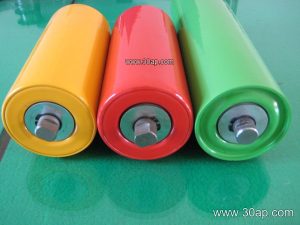
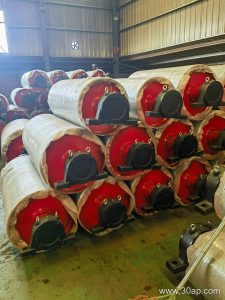
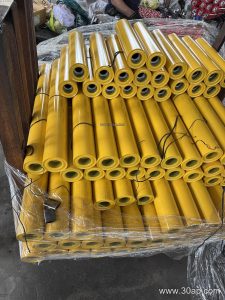
A wear-resistant idler is a key component in any conveyor system, designed to support the conveyor belt and reduce friction while withstanding abrasive materials. Also known as an abrasion-resistant idler roller, this product is built to last in tough environments such as coal mines, cement plants, and aggregate operations. Unlike standard idlers, these are engineered with materials and coatings that resist wear from constant contact with sharp, heavy, or abrasive bulk materials.
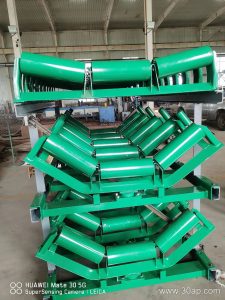
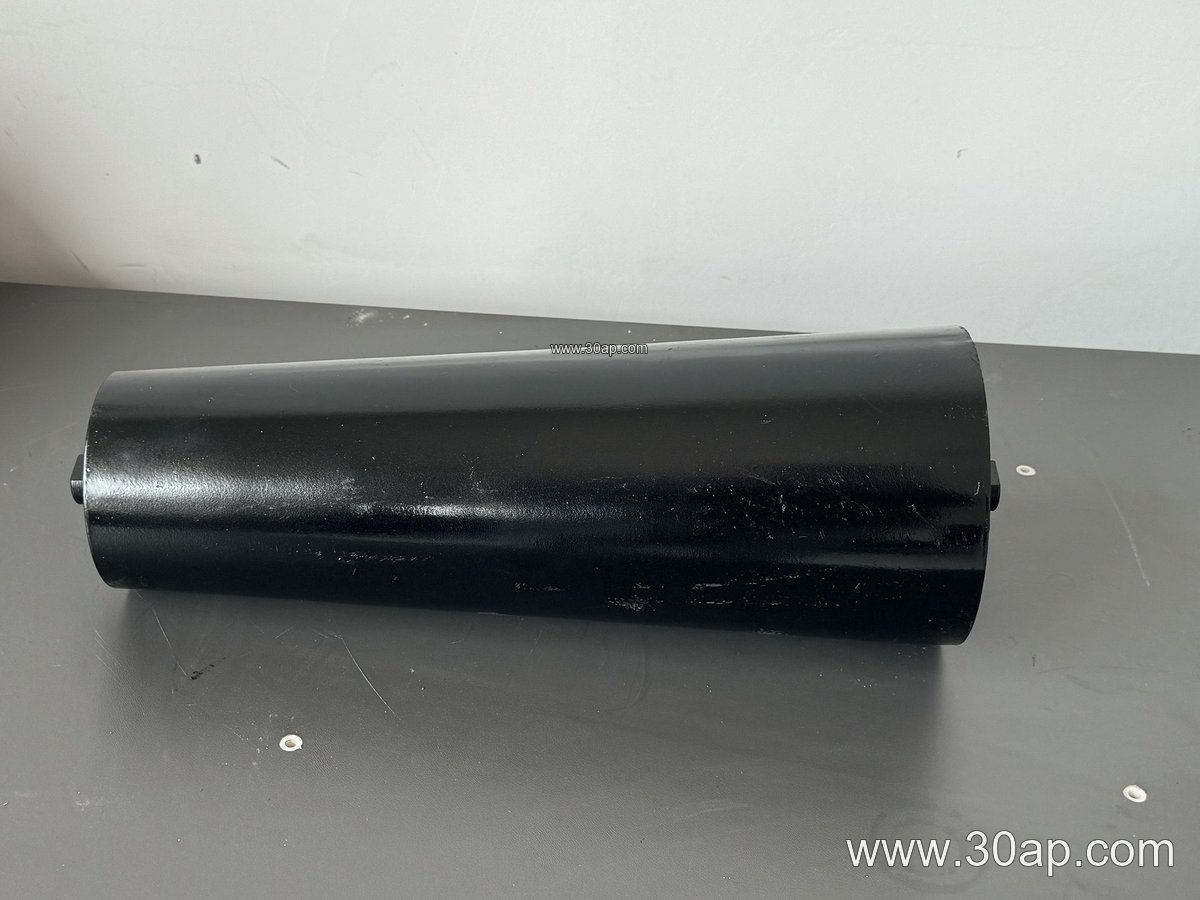
At its core, a wear-resistant idler consists of a steel tube, bearing housings, and a shaft, with additional features like rubber rings or ceramic coatings to enhance durability. The roller surface may be smooth or textured, depending on the application. For instance, in a quarry conveyor belt system, rubber disc idlers are often used to absorb impact and reduce wear on the belt itself.
Construction and Key Features
The construction of a wear-resistant idler focuses on longevity and performance. Common roller diameters include Ø89, Ø108, Ø127, Ø133, Ø159, and Ø178 mm, with larger sizes available for heavy-duty applications. The roller length varies with belt width and troughing angle; for example, a three-roll troughing set for a B1000 belt might use rollers around 380 mm long, but this is just a typical example, not a fixed rule. Bearings such as 6205, 6305, and 6308 are frequently used, selected based on load and speed requirements.
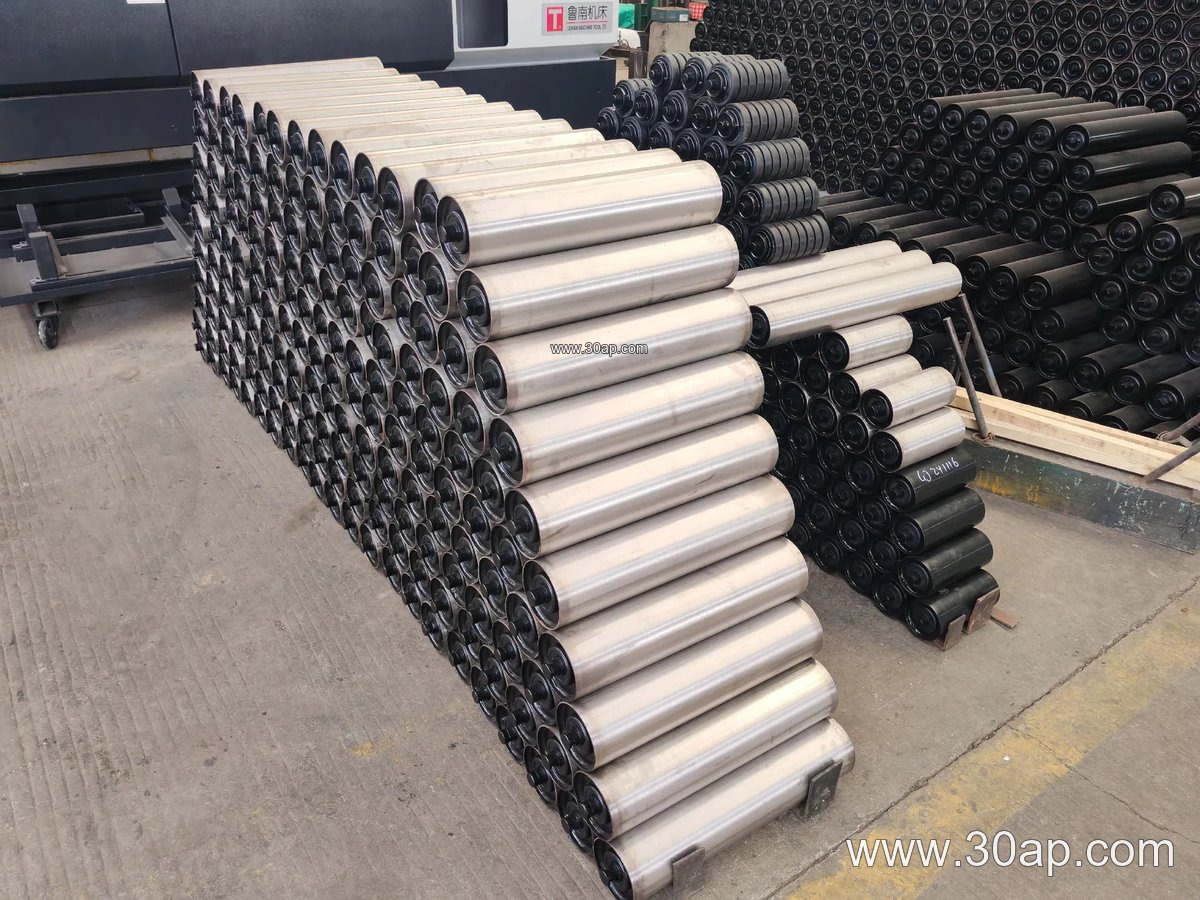
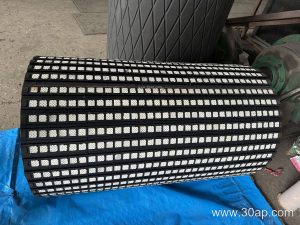
Surface options play a crucial role in wear resistance. Steel rollers are standard, but for highly abrasive materials like iron ore or copper ore, ceramic-coated or rubber-covered rollers are preferred. Rubber disc idlers, for instance, are effective in buffer zones where impact from large lumps occurs. Sealing is equally important; good seals prevent dust and moisture from reaching the bearings, extending service life in dusty environments like coal mining conveyor systems.
Where Wear-Resistant Idlers Are Used
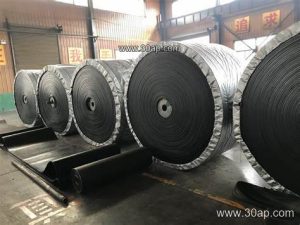
These idlers are indispensable in industries handling abrasive bulk materials. In a limestone quarry, they support the conveyor belt transporting crushed stone, where constant abrasion would quickly wear out standard rollers. In cement plants, they are used in clinker and raw material conveying lines, often paired with heat resistant conveyor belts. Power plants rely on them in coal handling systems, where flame retardant conveyor belts and wear-resistant idlers work together to ensure safe, reliable operation.
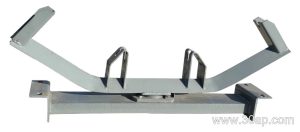
Other applications include sand and gravel pits, where aggregate conveyor belts carry sharp particles, and steel mills handling sinter or coke. In underground coal mining, underground mining conveyor belts demand robust idlers that can withstand wet, dirty conditions and high loads. The choice of idler type—such as troughing, return, or impact—depends on the conveyor section and material characteristics. For example, V-return idlers are common on the return side to prevent belt sag and material buildup.
Selection and Maintenance Tips
When selecting a wear-resistant idler, consider the belt width, material abrasiveness, and operating conditions. Belt widths from B500 to B2400 are common, and the idler size must match the conveyor frame and belt speed. Troughing angles of 20°, 30°, 35°, and 45° influence the idler arrangement; a 35° trough is typical for many bulk handling applications. It’s important not to assume one belt width dictates a specific pulley diameter—each component is selected based on the overall design.
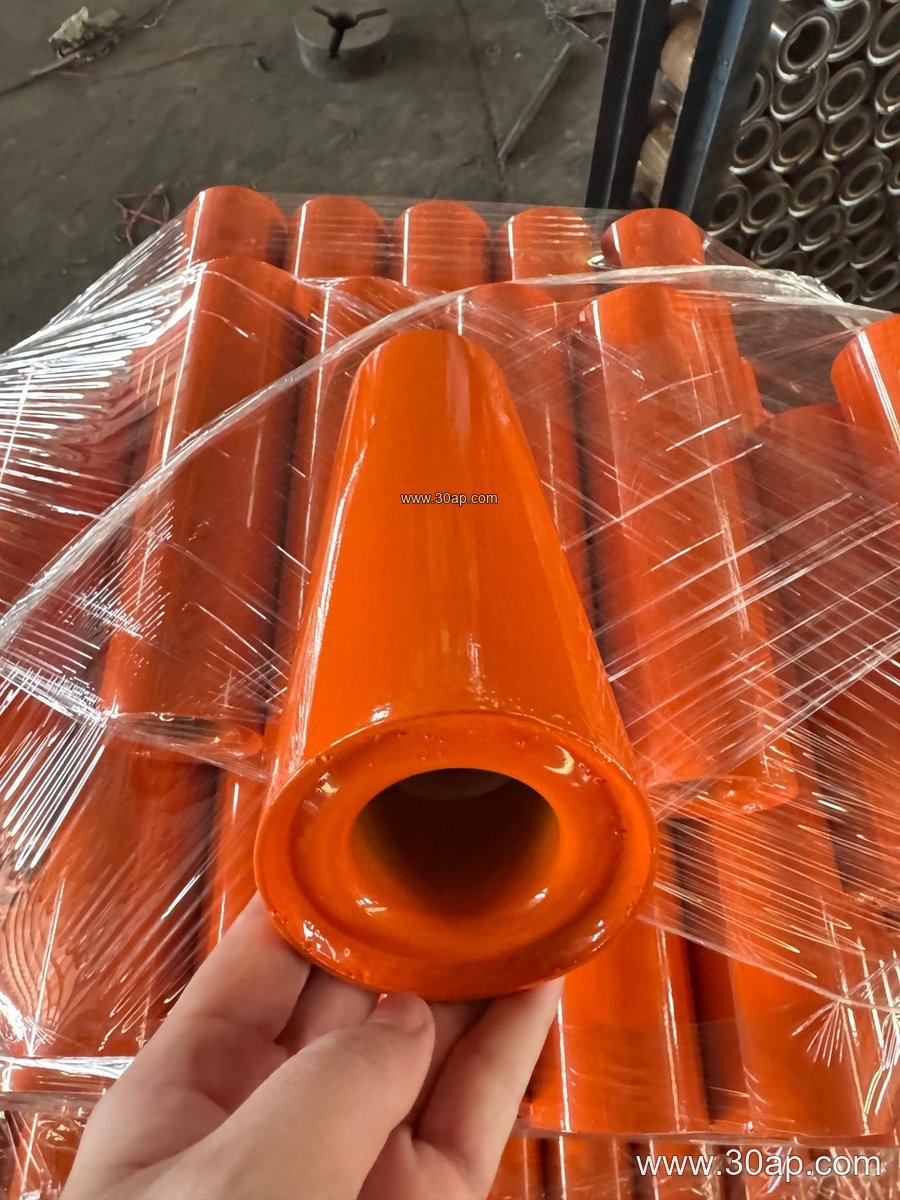
Regular maintenance is vital. Inspect idlers for worn surfaces, seized bearings, or misalignment. Lubricate bearings as recommended, and replace damaged rollers promptly to avoid belt damage. In dusty environments, consider idlers with advanced sealing systems. Partnering with a reliable supplier ensures you get the right wear-resistant idler for your conveyor belt system, whether it’s a mining conveyor belt or a port conveyor belt. For more information on idlers and related components like conveyor pulleys and brackets, visit our website.