What a Custom Conveyor Bracket Does on the Line
A custom conveyor bracket is the fabricated support that holds idler rollers in the correct position under or over the conveyor belt. Unlike a catalog part, it is built to match the belt width, trough angle, roller diameter, and mounting hole spacing of a specific conveyor. In a quarry, cement plant, or coal handling system, the bracket is often the difference between a belt that tracks smoothly and one that spills material or wears its edges. Because every conveyor frame is slightly different, a made-to-fit bracket keeps the idler roller aligned with the belt path and helps maintain the intended trough profile.
Where It Sits in the Conveyor Structure
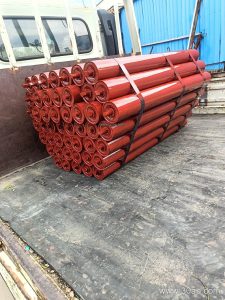
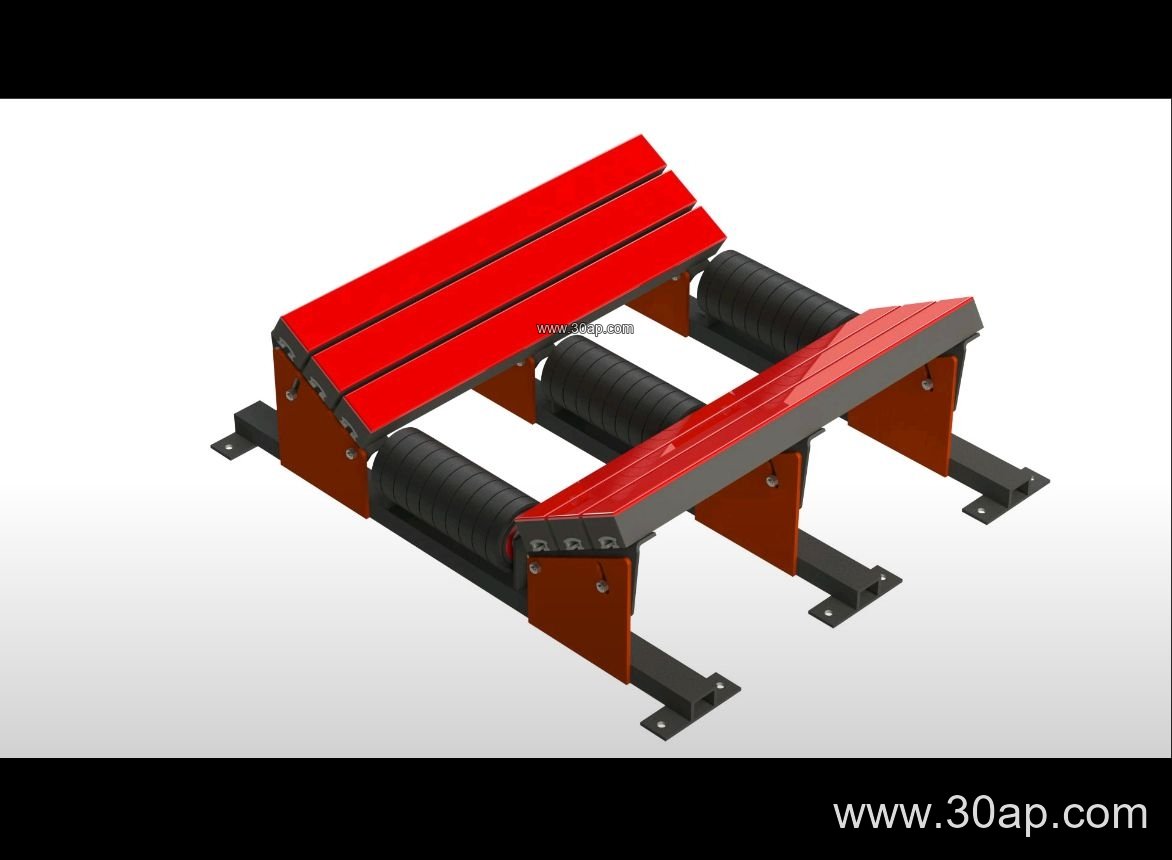
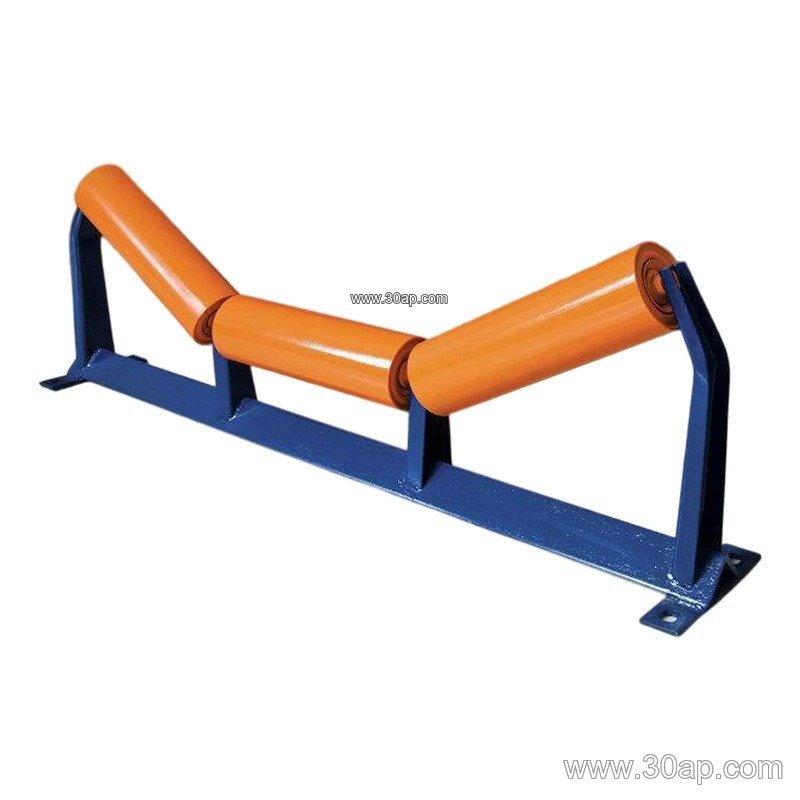
On the carrying side, the bracket supports troughing idlers that shape the belt into a trough. On the return side, it holds flat or V-return rollers that support the empty belt. Transition brackets guide the belt from the tail pulley into the trough section, while impact brackets sit under loading points to absorb shock. Self-aligning brackets work with training idlers to correct belt drift. Each position calls for a different geometry, and that is why a custom conveyor bracket is often specified by position rather than by a single universal shape.
How a Custom Conveyor Bracket Is Built
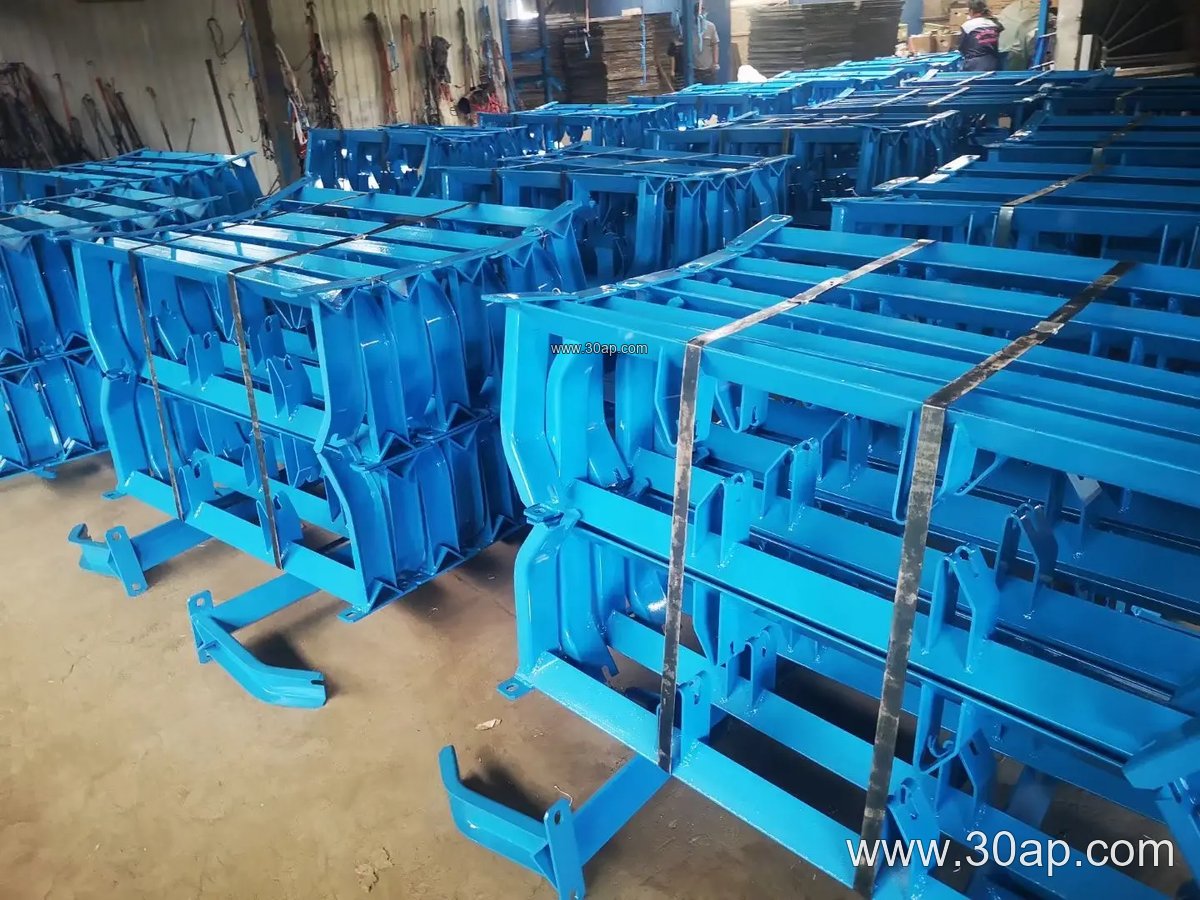
Most brackets are fabricated from angle steel, channel steel, or folded steel plate. The choice depends on load, belt width, and the environment. A bracket for a 650mm wide belt carrying light aggregate may use folded plate, while a heavy-duty mining conveyor bracket under a 1800mm belt with large lumps may use channel steel with reinforced gussets. The fabrication process usually involves cutting, punching or drilling mounting holes, bending, and welding. Holes must line up with the idler roller frame so the roller sits square to the belt. Paint or galvanizing is common for corrosion protection, especially in port, fertilizer, and chemical environments.
Key Dimensions That Drive the Design
Bracket length and hole spacing change with belt width and trough angle. Common belt widths include B500, B650, B800, B1000, B1200, B1400, B1600, B1800, B2000, B2200, but the bracket is always matched to the actual frame. Trough angles are typically 20, 30, 35, or 45 degrees; adjustable brackets allow the angle to be set within a range. Roller diameters such as Ø89, Ø108, Ø133, Ø159, and Ø194 influence the bracket height and the distance between mounting points. A typical combination might be written as B800, 35 degrees, Ø108, but this is an example, not a fixed rule. The same belt width can work with different trough angles and roller diameters depending on the duty.
Choosing Between Fixed and Adjustable Brackets
Fixed brackets are welded or bolted in one position and suit conveyors where the belt path is already proven. Adjustable brackets let maintenance staff change the trough angle or roller position to reduce spillage or improve belt training. In a coal mining conveyor or underground coal mining conveyor, adjustable brackets can be useful when the belt load changes or when the frame settles. For a transfer point in a crusher conveyor or aggregate conveyor, a fixed bracket with a reinforced design may be the simpler choice. The decision should come from the conveyor designer, not from a single universal size.
Bracket and Belt Interaction
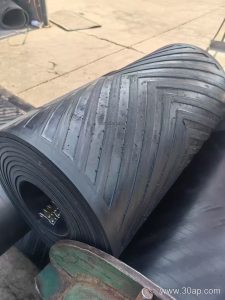
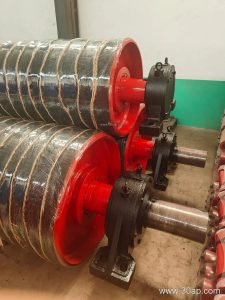
The bracket does not carry the material directly, but it controls how the conveyor belt sits on the idler roller. A poorly aligned bracket can cause the belt to run off-center, which wears the edge and can damage the pulley. In industries handling abrasive material, such as iron ore, copper ore, or quarry rock, a stable bracket helps the abrasion resistant conveyor belt last longer because the belt is not rubbing against structure. In cement plants and power plant coal handling, dust and fines can build up around the bracket, so a design that sheds material is preferred. Flame retardant conveyor belt and fire resistant conveyor belt are common in underground mining, and the bracket material should also suit the environment.
Applications Across Bulk Handling Industries
Custom conveyor brackets are used in stone crushing plants, sand making lines, and screening stations where belt widths and frame layouts vary from one conveyor to the next. In a steel plant or sinter plant, heat and heavy loads may call for thicker steel and careful welding. At a port or ship loading facility, long conveyors often use wide belts, and each bracket must match the specific frame and roller set. In a fertilizer or grain silo, corrosion resistance may matter more than extreme strength. The same bracket concept applies whether the conveyor moves limestone, clinker, coal, or ore, but the details change with the duty.
What Buyers Should Confirm Before Ordering
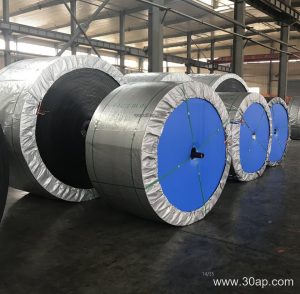
Before placing an order for a custom conveyor bracket, confirm the belt width, the trough angle, the roller diameter, the mounting hole pattern, and the intended position on the conveyor. Ask whether the bracket is for carrying idlers, return idlers, impact idlers, or transition service. Provide the frame drawing or measure the existing bracket if replacing a worn part. State the environment, including dust, moisture, heat, or corrosive exposure, so the fabricator can choose the steel and finish. Do not assume that a bracket for one belt width will fit another; hole spacing and crossbeam length are usually designed for the frame. For conveyors using an EP conveyor belt, NN conveyor belt, or steel cord conveyor belt, the bracket still serves the same support role, but the load and belt stiffness may influence the design.
For more information on conveyor components and belt selection, visit conveyor bracket and idler roller resources. A well-made custom conveyor bracket is a small part of the system, but it keeps the belt, rollers, and pulleys working together as intended.