What the PVG800 Conveyor Belt Is
A PVG800 Conveyor Belt is a solid-woven, PVC-impregnated belt built around a whole-belt tensile strength class of 800 N/mm. In coal mining, cement works, power plants and quarry operations, this grade sits in the middle of the PVG range: strong enough for main haulage and inclined drifts, yet easier to handle and splice than heavier solid-woven constructions. The same product is often written as a PVG 800 conveyor belt or a PVG800 PVC conveyor belt, and those names refer to one and the same belt, not to different products.
Because the carcass is a single-ply woven fabric fully impregnated with polyvinyl chloride, the belt has no separate cover that can peel away. This makes it a practical choice where moisture, fines and repeated flexing are part of daily life.
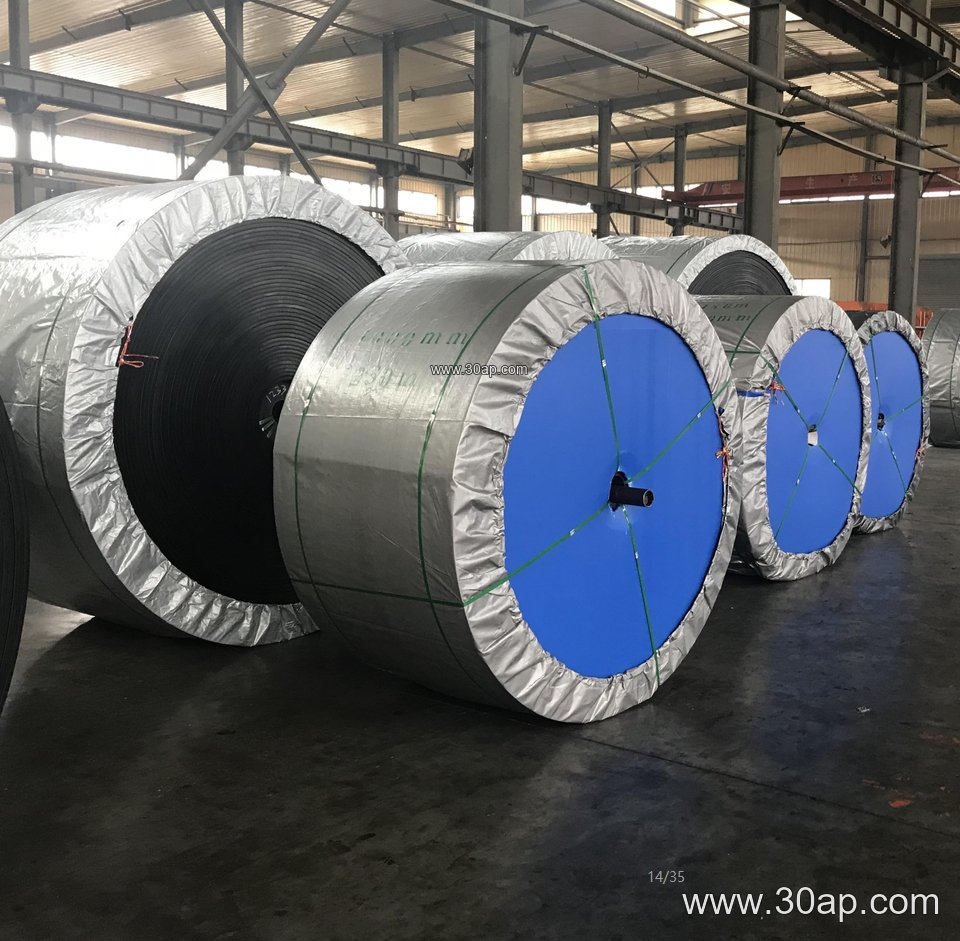
Construction and Surface Options
The core is a high-strength synthetic fabric woven as one piece, then impregnated and coated with PVC compound. The result is a belt that resists delamination and stays dimensionally stable under load. Surface forms vary by application:
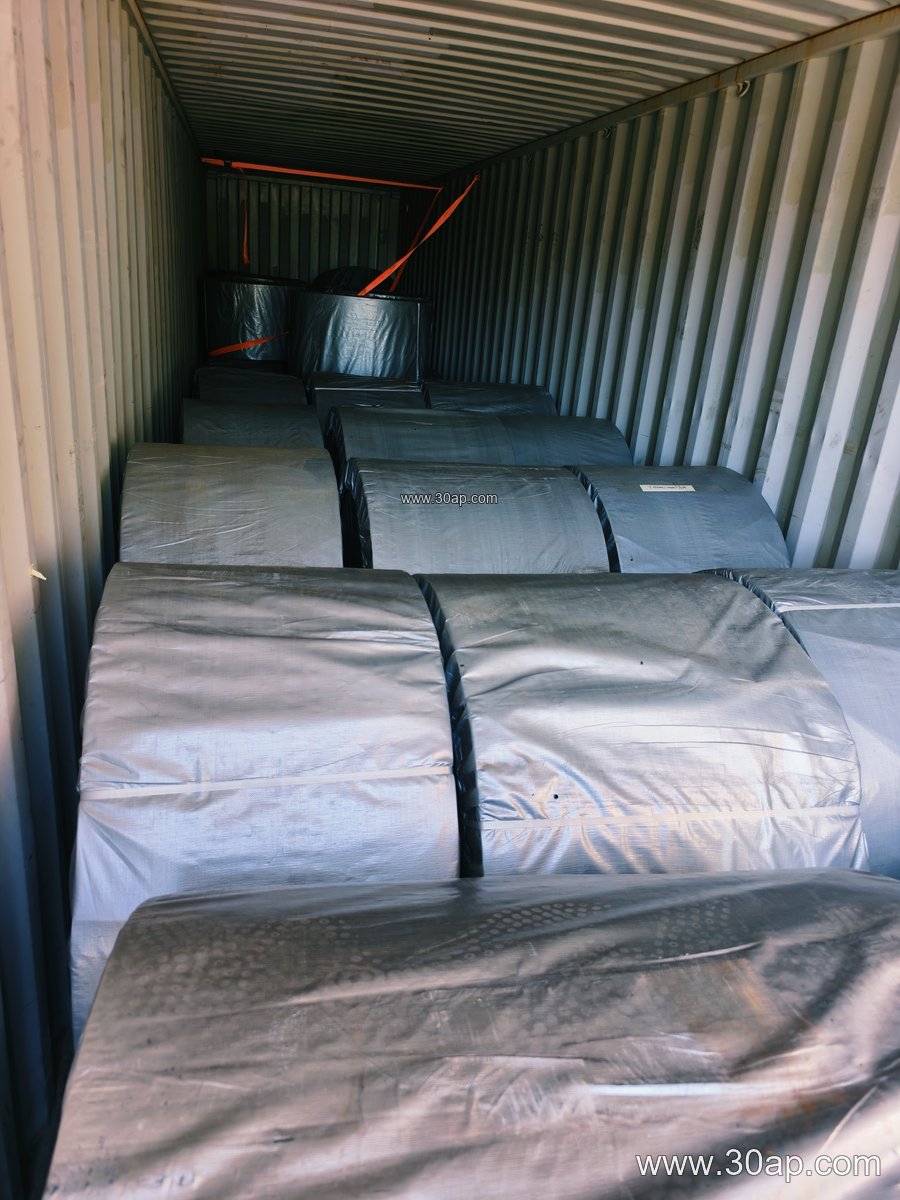
- Plain top surface for general conveying
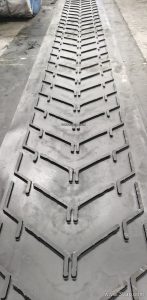
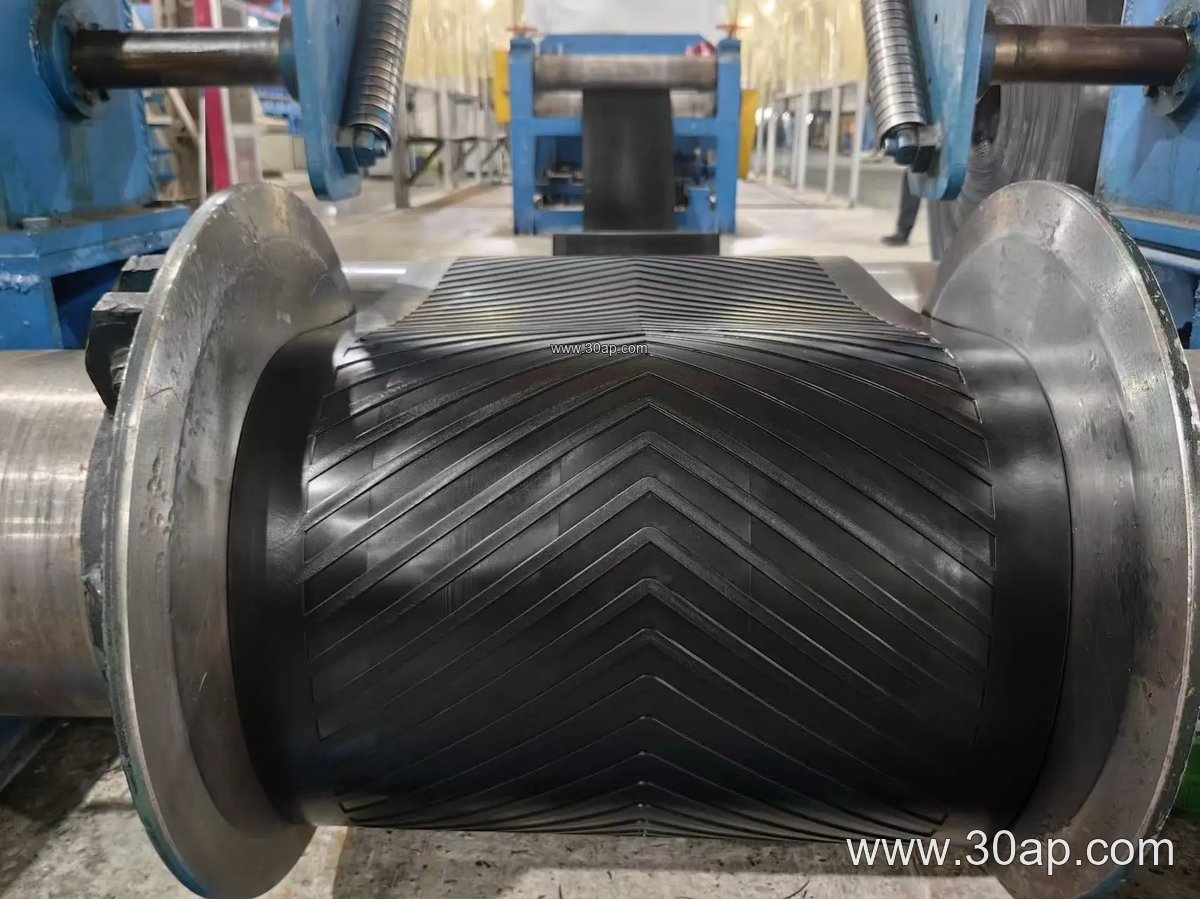
- Chevron or cleated patterns for steep inclines
- Skirted or corrugated sidewall edges for material containment
- Anti-static and flame retardant versions for underground coal mining conveyors
Where a comparison helps: a steel cord conveyor belt or a multi-ply fabric core belt may be preferred for very long, high-tension trunk lines, while the PVG800 keeps its advantage in medium-duty underground and plant circuits where flexibility and simple repair matter.
Typical Specifications
Values below are common reference points; actual figures are set by the manufacturer and by the conveyor design. They should not be read as a fixed supply promise.
| Parameter | Common reference range |
|---|---|
| Tensile strength class | 800 N/mm (PVG800); PVG800S denotes the anti-static variant |
| Belt width | B650, B800, B1000, B1200, B1400, B1600 |
| Top / bottom cover | 3+1.5 mm, 4+2 mm, 5+2 mm |
| Belt thickness | Typically 8 mm to 14 mm depending on cover grade |
| Surface form | Plain, chevron, skirted, corrugated sidewall |
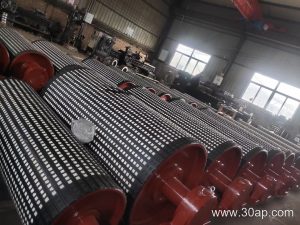
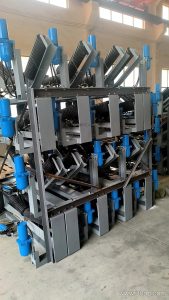
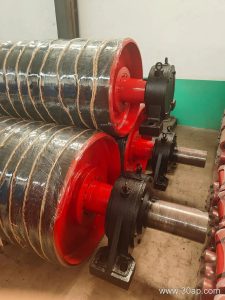
Width and pulley diameter are matched by conveyor design, not by a single rule. A 1000mm or 1200mm belt may run on different pulley sizes in different installations, so the drive pulley, tail pulley and bend pulley should be confirmed against the actual tension and wrap angle. The same applies to idler roller spacing and conveyor bracket layout.
Where It Fits in the Plant
Underground coal mining conveyors and coal preparation plants use the PVG800S Conveyor Belt where anti-static and flame retardant behaviour is required. In cement plants it moves clinker, limestone and raw meal on inclined sections. Power plants rely on it for coal feed lines, while sand and gravel yards, stone crushing circuits and port ship loading systems use it for aggregate and bulk material transfer. A heavy-duty mining conveyor belt of this class also appears in ore handling, though very abrasive iron ore or copper ore duty may call for a high abrasion resistant conveyor belt grade instead.
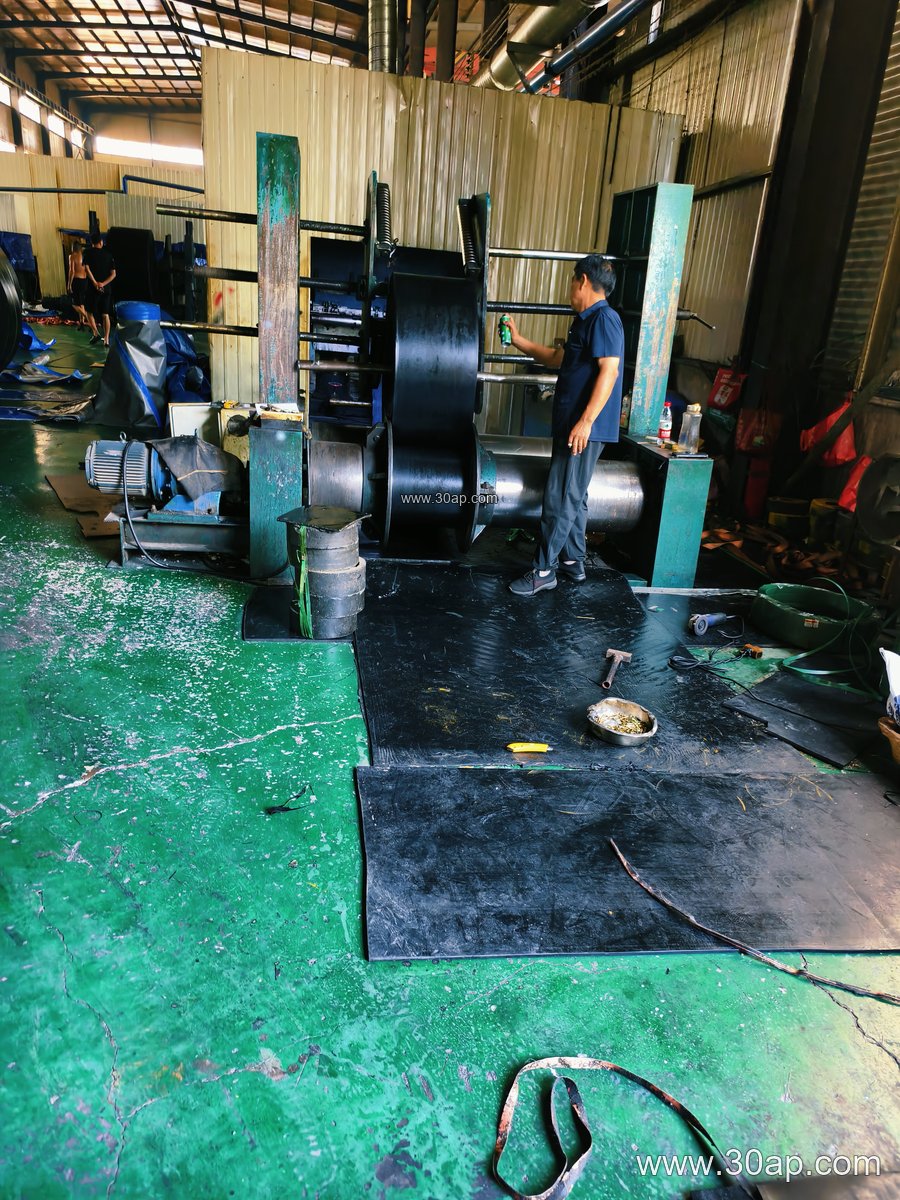
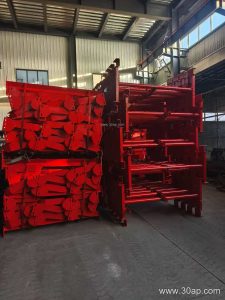
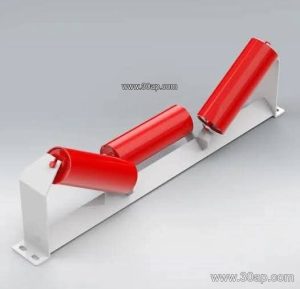
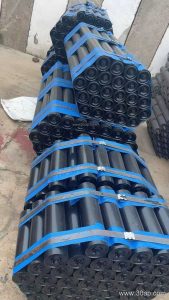
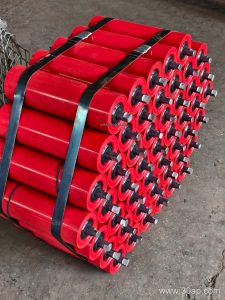
Related hardware matters as much as the belt. Idler rollers should run freely, conveyor pulleys should be lagged and aligned, and conveyor brackets should keep the frame square so the belt tracks without edge damage.
Buyer Checklist
- Confirm the required strength class and whether the anti-static PVG800S version is needed.
- State the belt width, cover thickness and any chevron or sidewall requirement.
- Describe the material: lump size, moisture, temperature and abrasiveness.
- Check that pulley diameters, idler roller spacing and take-up travel suit the belt.
- Ask about splicing method and whether an endless conveyor belt is preferred on site.
For fire risk areas, specify a flame retardant conveyor belt grade; for cold climates, a cold resistant conveyor belt compound may be more suitable than the standard PVC mix. Matching the belt to the duty, rather than to a catalogue default, keeps a PVG800 installation running quietly for years.