What a Conveyor System Idler Does
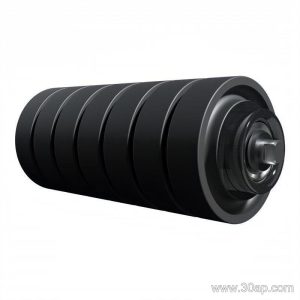
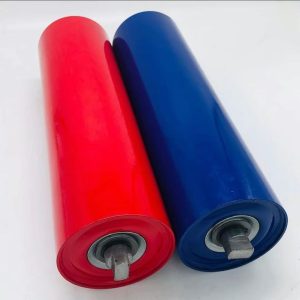
A conveyor system idler is the rotating component that supports the conveyor belt and the material load along the carry and return runs. Often called an idler roller, it is mounted in a conveyor bracket or frame and allows the belt to move with low friction. In a quarry, cement plant, or coal handling line, hundreds of these rollers work together to keep production steady. The idler is not a drive or tail pulley; those are separate components with different functions. This article focuses on the conveyor system idler itself, including its construction, common configurations, and practical selection points.
Construction and Common Variants
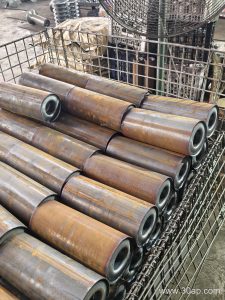
A typical idler roller consists of a steel tube shell, bearing housings, a shaft, and seals. The roller surface may be plain steel, nylon, ceramic, or covered with rubber rings for impact absorption. Bearing sizes such as 6204, 6205, 6305, 6306, 6308, and 6310 are common, but the bearing choice depends on load and speed rather than a fixed match to one roller diameter. Roller diameters commonly range from Ø63 to Ø219 mm, and the length is determined by belt width, trough angle, and the idler arrangement.
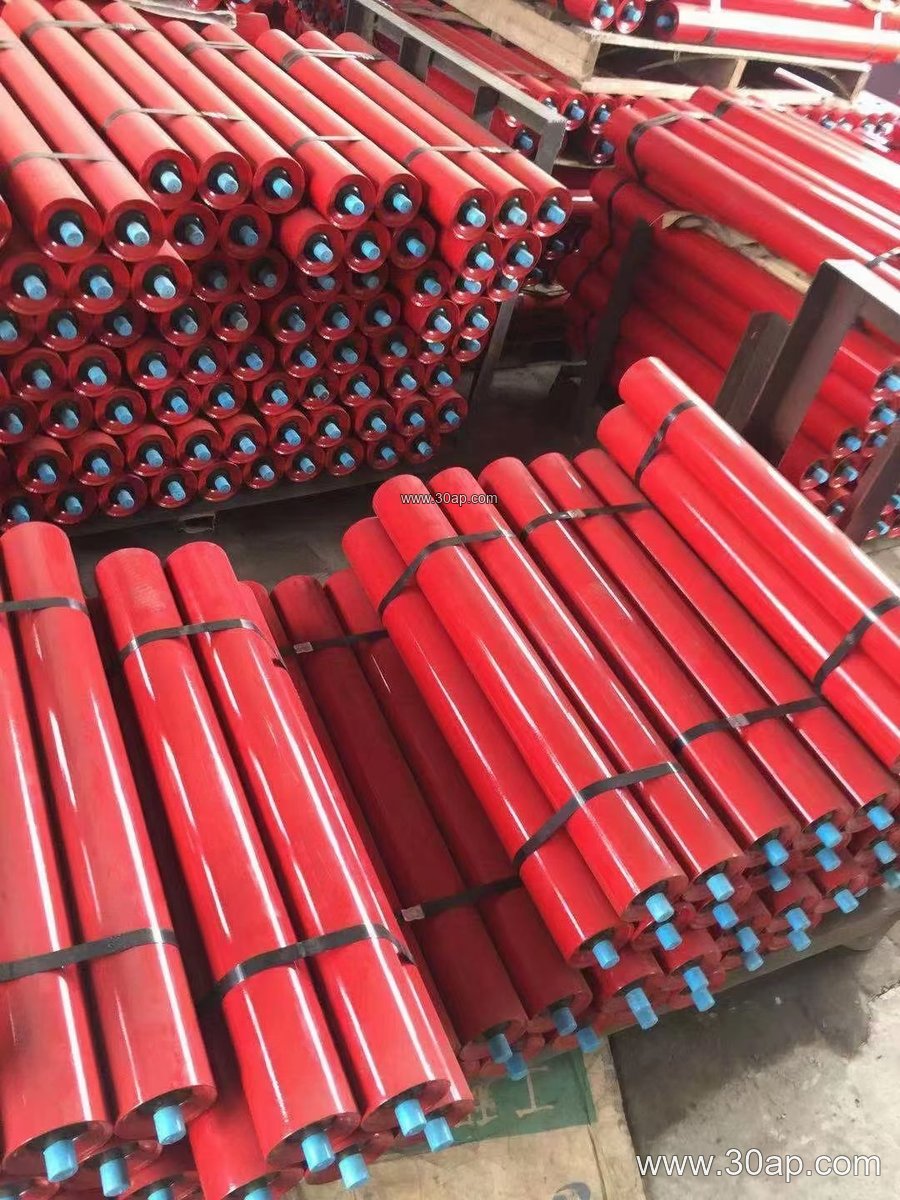
Several configurations are available for different positions on the conveyor:
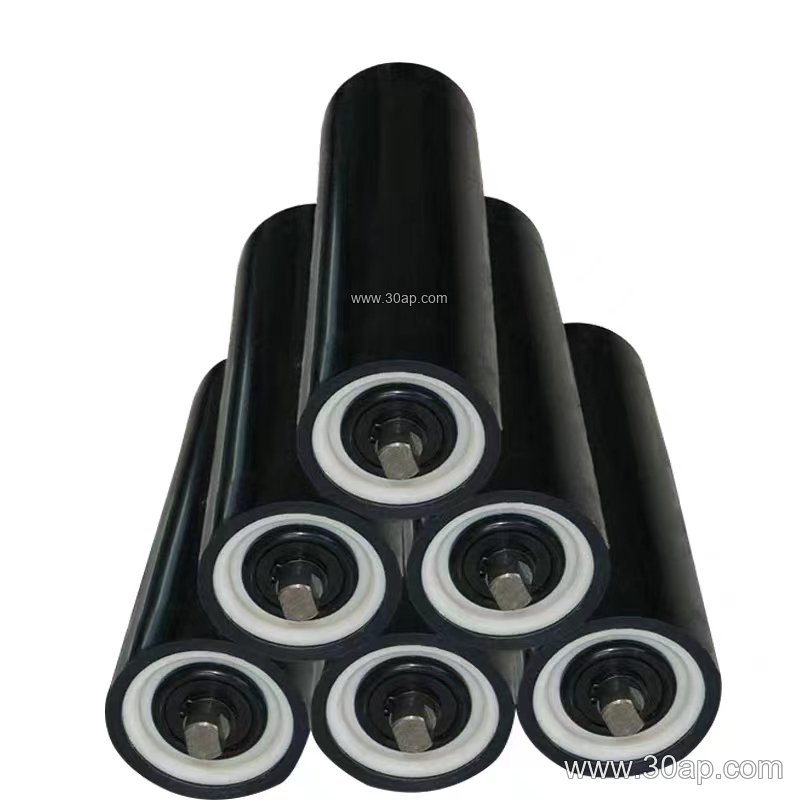
- Troughing idlers, often in two- or three-roll sets, support the loaded belt.
- Impact idlers with rubber rings are placed under loading points.
- Return idlers, including flat and V-type, support the empty belt.
- Self-aligning idlers help correct belt tracking.
- Spiral idlers are used where material buildup is a concern.
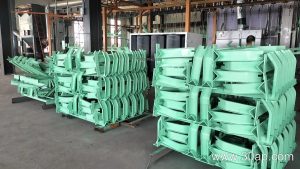
These are not interchangeable with drive, tail, or bend pulleys. Each idler type serves a specific location and duty.
Where Conveyor System Idlers Are Used
Idlers appear in nearly every bulk handling operation. In a limestone quarry or aggregate line, troughing idlers carry crushed rock on a heavy-duty mining conveyor belt. In a coal-fired power plant, they support the belt through coal handling and transfer points. Cement plants use them on clinker and raw material conveyors, while port facilities rely on them for ship loading and unloading. The working environment influences the choice: dusty conditions call for good seals, and high-temperature areas may require heat-resistant components. The idler works together with the conveyor belt, conveyor pulley, and conveyor bracket to form a complete system.
Matching Idler Size to Belt Width
Belt width is one of the first parameters a buyer considers. Common belt widths include B400, B500, B650, B800, B1000, B1200, B1400, B1600, B1800, B2000, B2200, and B2400. The idler length is not fixed by belt width alone; it also depends on trough angle and roll configuration. For example, a three-roll troughing set might use a roll length of about 200 mm for B500, 250 mm for B650, 315 mm for B800, 380 mm for B1000, 465 mm for B1200, 530 mm for B1400, 600 mm for B1600, 670 mm for B1800, and 750 mm for B2000. These are typical examples, not universal rules, and side rolls can differ from the center roll.
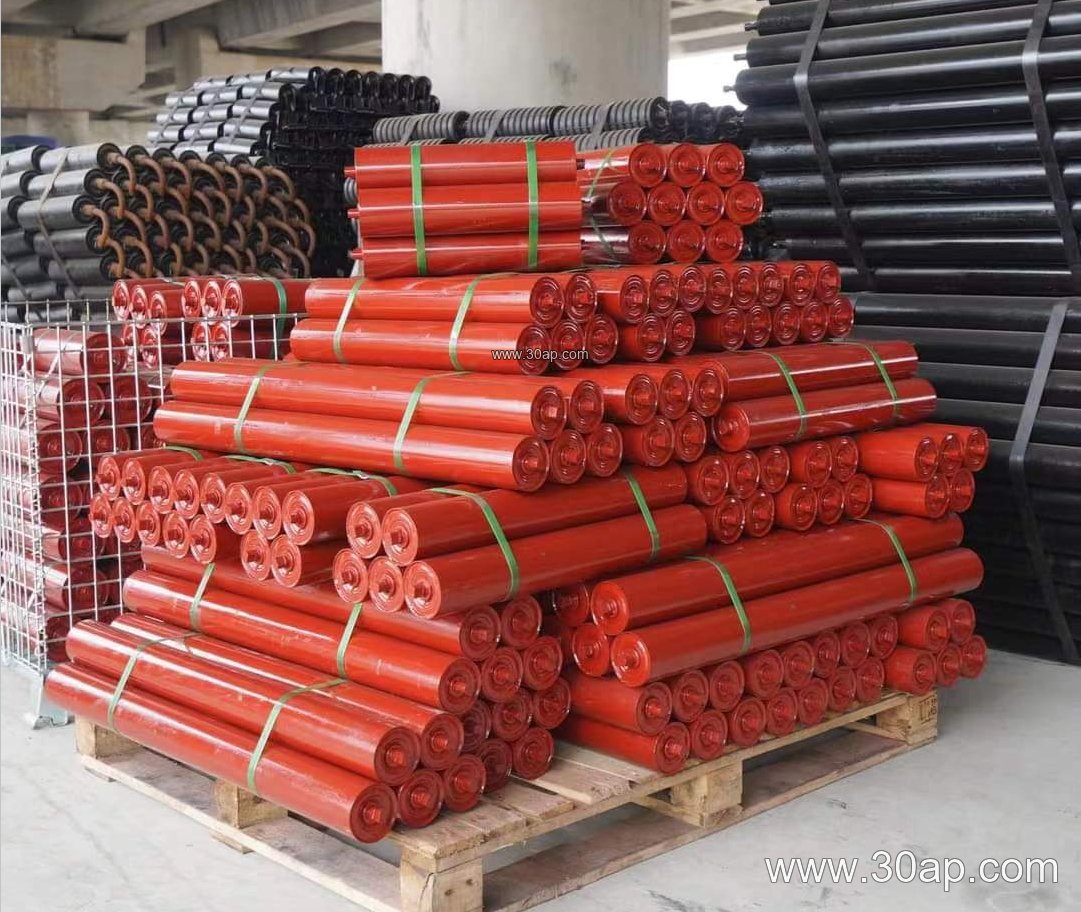
Trough angles of 20, 30, 35, and 45 degrees are common. A larger trough angle can improve material containment, especially for free-flowing bulk materials. Forward tilt of about 1.5 to 2 degrees is sometimes used on troughing idlers to assist belt tracking. The selection should be based on the conveyor design and the material being handled.
Buyer Checklist
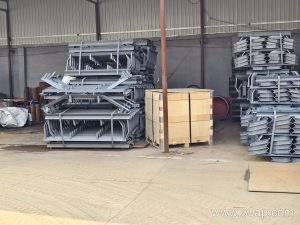
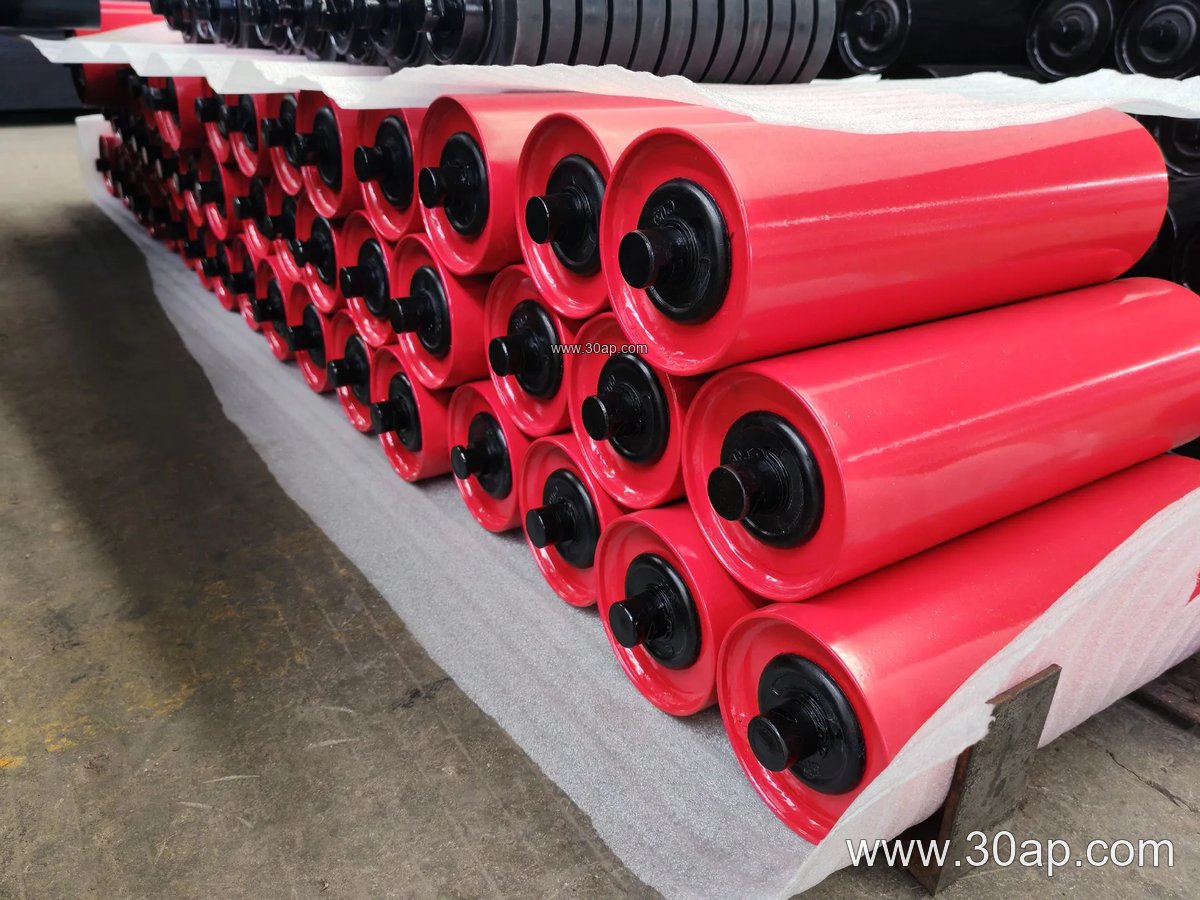
When specifying a conveyor system idler, consider the belt width, the load per idler, the belt speed, and the environment. Check the roller diameter and bearing size against the expected load and service life. For abrasive materials, consider idlers with wear-resistant shells. For dusty or wet conditions, pay attention to seal quality. Also confirm that the idler fits the existing conveyor bracket and frame dimensions.
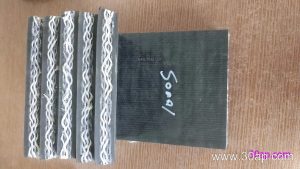
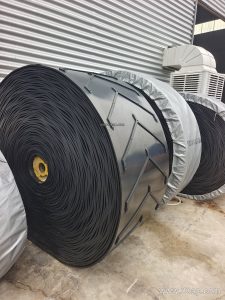
Related conveyor components include the conveyor belt itself, which may be an EP conveyor belt, steel cord conveyor belt, or flame retardant conveyor belt depending on the application. The conveyor pulley and conveyor bracket are also part of the system, but they are not substitutes for the idler. A well-matched idler set helps reduce belt wear and downtime in mining, cement, power, and aggregate operations.
For more information on idlers and related components, visit our site at www.example.com/conveyor-system-idler or www.example.com/idler-roller.