What a Guide Idler Does on a Conveyor
A guide idler is a training roller that keeps the conveyor belt centered along the carrying or return run. Unlike a standard carrying idler, which mainly supports the belt and material load, the guide idler applies a small lateral correction when the belt begins to drift. In a quarry conveyor or a coal mining conveyor, even a slight misalignment can cause edge damage, spillage, and premature wear on the conveyor pulley and frame. The guide idler works as a corrective component, not as a primary load-bearing roller, and it is often mounted at points where belt tracking is most likely to change.
Construction and Common Forms
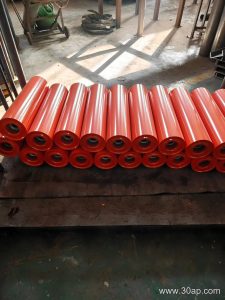
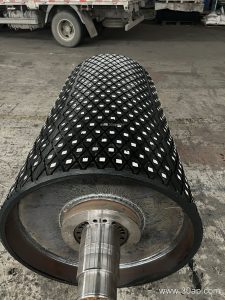
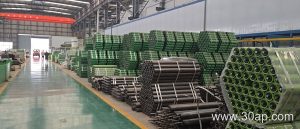
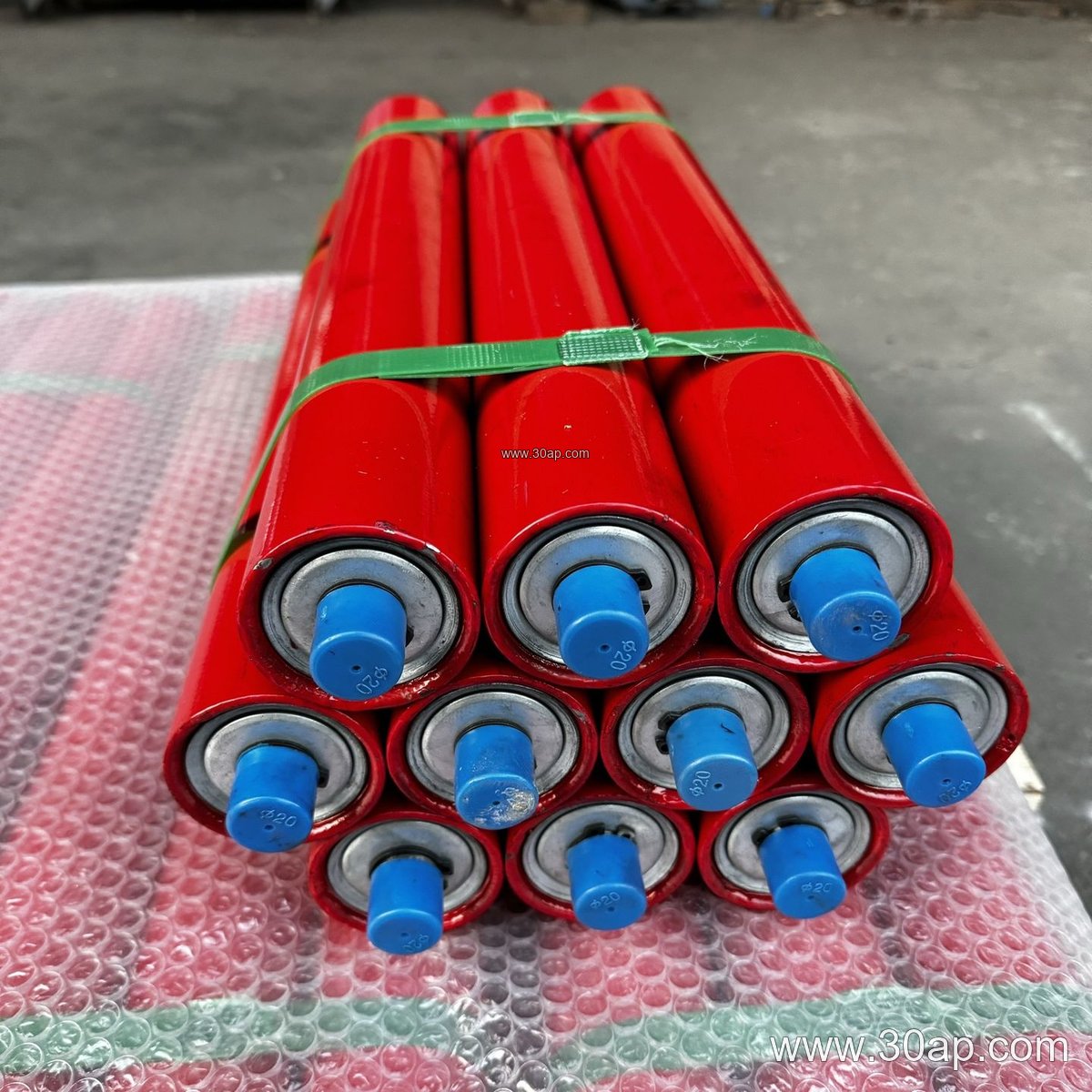
Most guide idlers use a steel tube shell with bearing housings at each end. The roller surface may be plain steel, nylon, rubber-covered, or ceramic-coated depending on the duty. For a belt carrying abrasive rock or ore, a rubber-covered guide idler can reduce slippage and protect the belt edge. Bearing sizes commonly include 6204, 6205, 6305, 6306, 6308, and 6310, but the bearing is selected by load and shaft design, not by belt width alone. Roller diameters such as Ø89, Ø102, Ø108, Ø127, and Ø133 mm appear in many conveyor frames, while larger diameters may be used on heavy-duty mining conveyor belts.
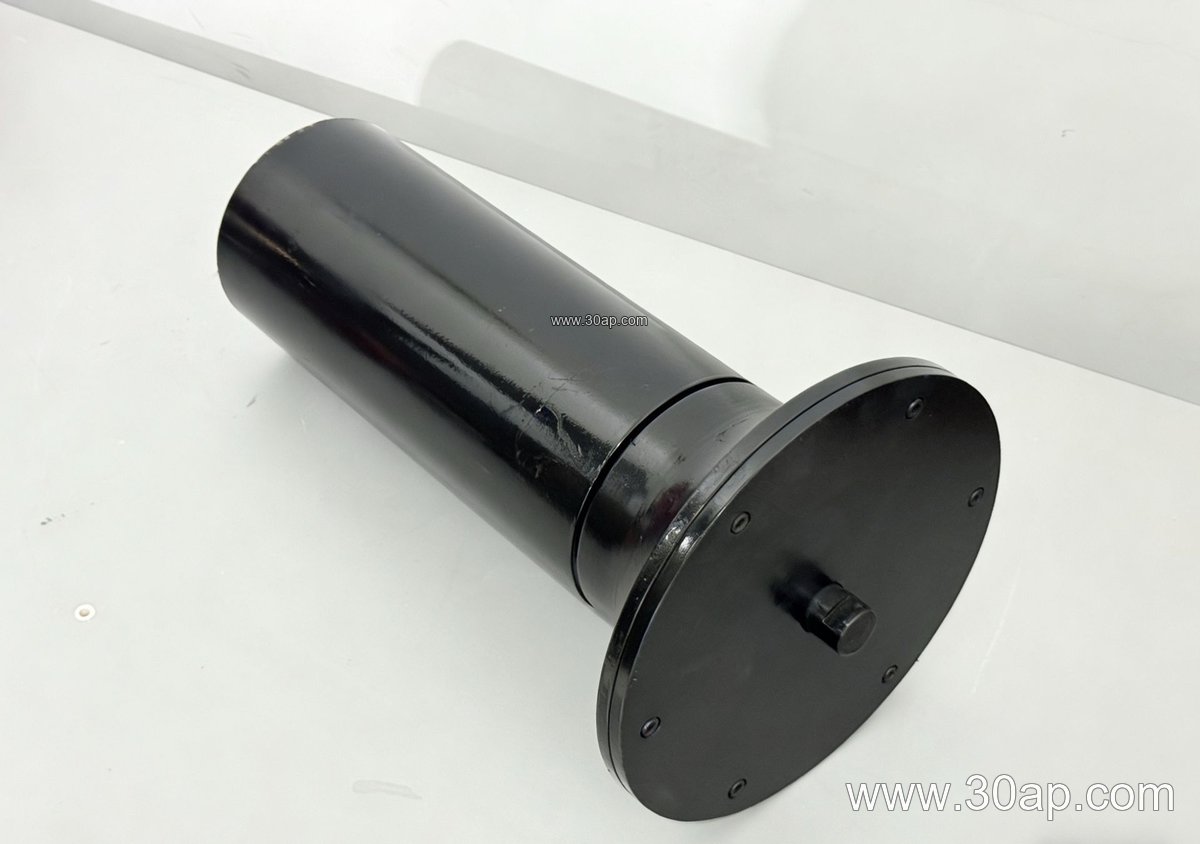
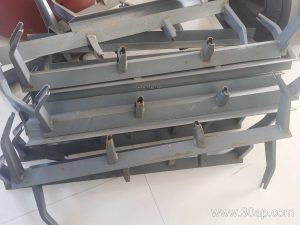
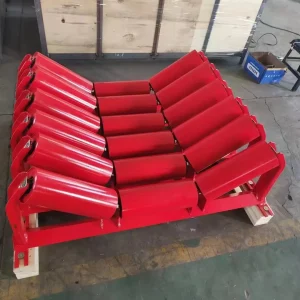
Guide idlers are frequently supplied as part of a training set. A vertical-axis guide idler, sometimes called a self-aligning idler, uses small vertical rollers to contact the belt edge. A friction training idler uses the belt’s own motion to pivot the roller frame. These are different from a bend pulley or a tail pulley, which change belt direction rather than correct tracking. The guide idler stays in the same product family as the idler roller and should not be confused with a drive pulley or a conveyor bracket.
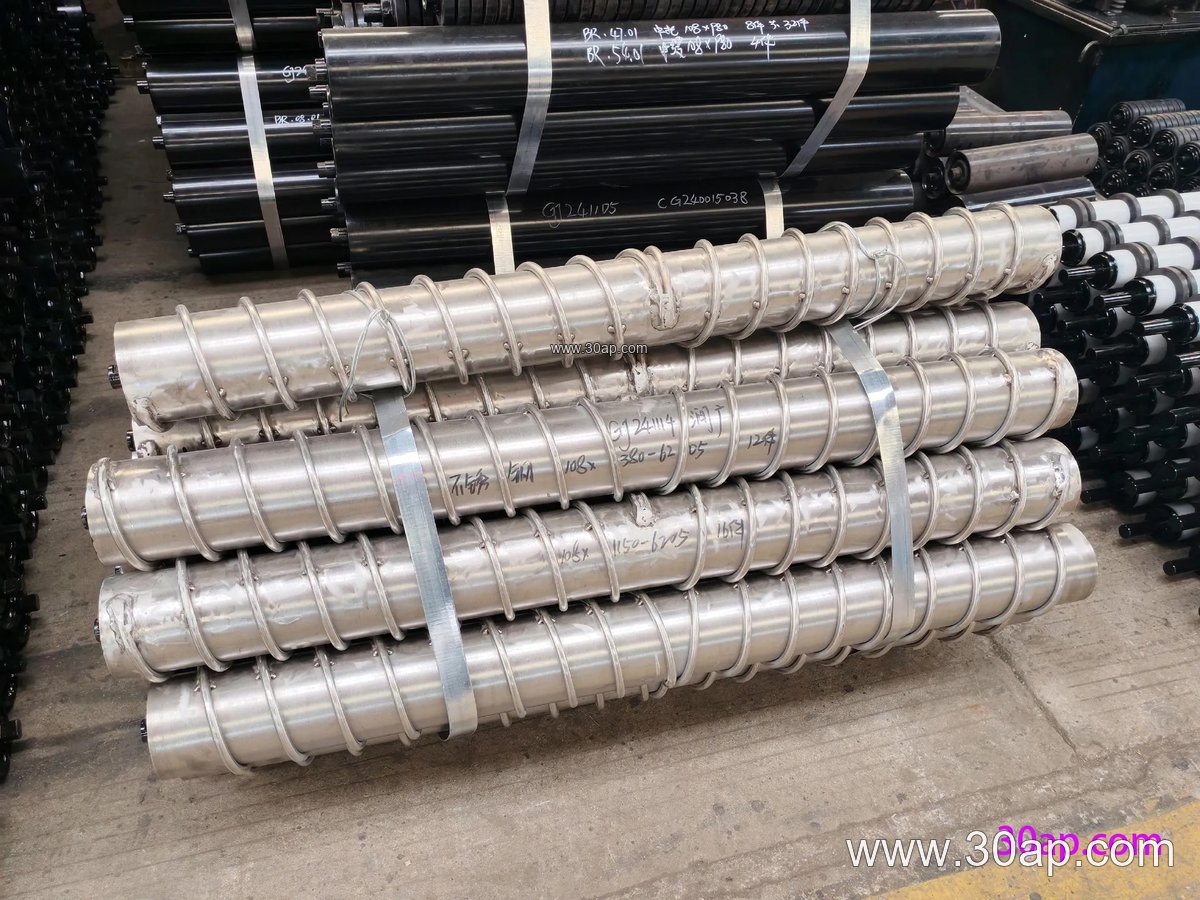
Where Guide Idlers Are Used
Training idlers are common in bulk material handling where belt alignment is critical. In a limestone quarry or an iron ore plant, a guide idler is often placed after the loading point, before the head pulley, and on long straight sections. In a coal mining conveyor or a power plant coal handling line, flame retardant conveyor belt and anti-static conveyor belt are common, and the guide idler must be compatible with the same environment. A cement plant may use them on clinker and raw meal lines, while a port conveyor or ship loading system may rely on them to keep a wide conveyor belt centered under high tension.
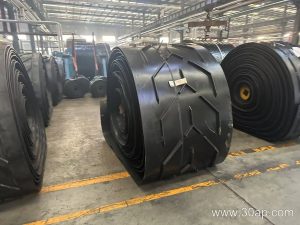
On a steep incline, a chevron conveyor belt or a corrugated sidewall conveyor belt can make tracking more sensitive, so guide idlers are positioned carefully. They are also useful on a pipe conveyor belt transition zone, where the belt changes shape and may wander. In each case, the guide idler is a tracking aid, not a substitute for proper pulley alignment or adequate conveyor bracket support.
Sizes and Selection Notes
Guide idler dimensions follow the conveyor design. Belt widths such as B500, B650, B800, B1000, B1200, B1400, B1600, and B1800 are common reference points, but the roller length and mounting height must be confirmed against the frame. The table below gives typical reference values only; actual dimensions are determined by the conveyor manufacturer.
| Reference Item | Common Range or Example | Note |
|---|---|---|
| Belt width | B500 to B1800 | Wider belts may use larger frames |
| Idler diameter | Ø63, Ø76, Ø89, Ø102, Ø108, Ø127, Ø133 mm | Selected by load and speed |
| Bearing | 6204, 6205, 6305, 6306, 6308, 6310 | Not fixed to one roller size |
| Roller surface | Steel, nylon, rubber, ceramic | Match to abrasion and material |
| Mounting | Training frame or bracket | Confirm with conveyor design |
For a high abrasion resistant conveyor belt carrying crushed stone, a rubber or ceramic guide idler surface may last longer. For a food grade conveyor belt or a cold resistant conveyor belt, the idler materials and lubricant must suit the environment. Do not assume that one belt width matches one guide idler diameter; the frame, belt tension, and material load all matter.
Buyer Checklist and Maintenance
- Confirm the belt width, trough angle, and mounting position before ordering a guide idler.
- Check that the guide idler frame fits the existing conveyor bracket and does not interfere with the conveyor pulley.
- Review the bearing type and sealing arrangement for dust, water, and temperature exposure.
- Inspect training idlers after belt tracking adjustments and replace any roller with a worn shell or noisy bearing.
- Keep spare guide idlers for critical lines such as a primary crusher conveyor or a ship loading conveyor.
A guide idler is a small component with a direct effect on belt life. When selected and maintained correctly, it helps a rubber conveyor belt, an EP conveyor belt, or a steel cord conveyor belt run straighter and last longer in demanding sites such as mines, cement plants, and aggregate yards.