What a Spiral Return Idler Does
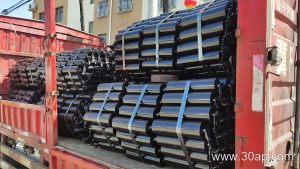
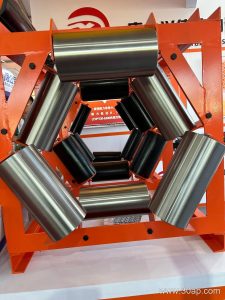
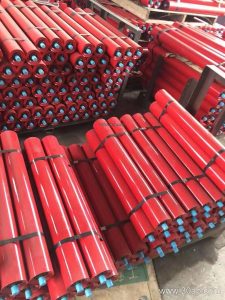
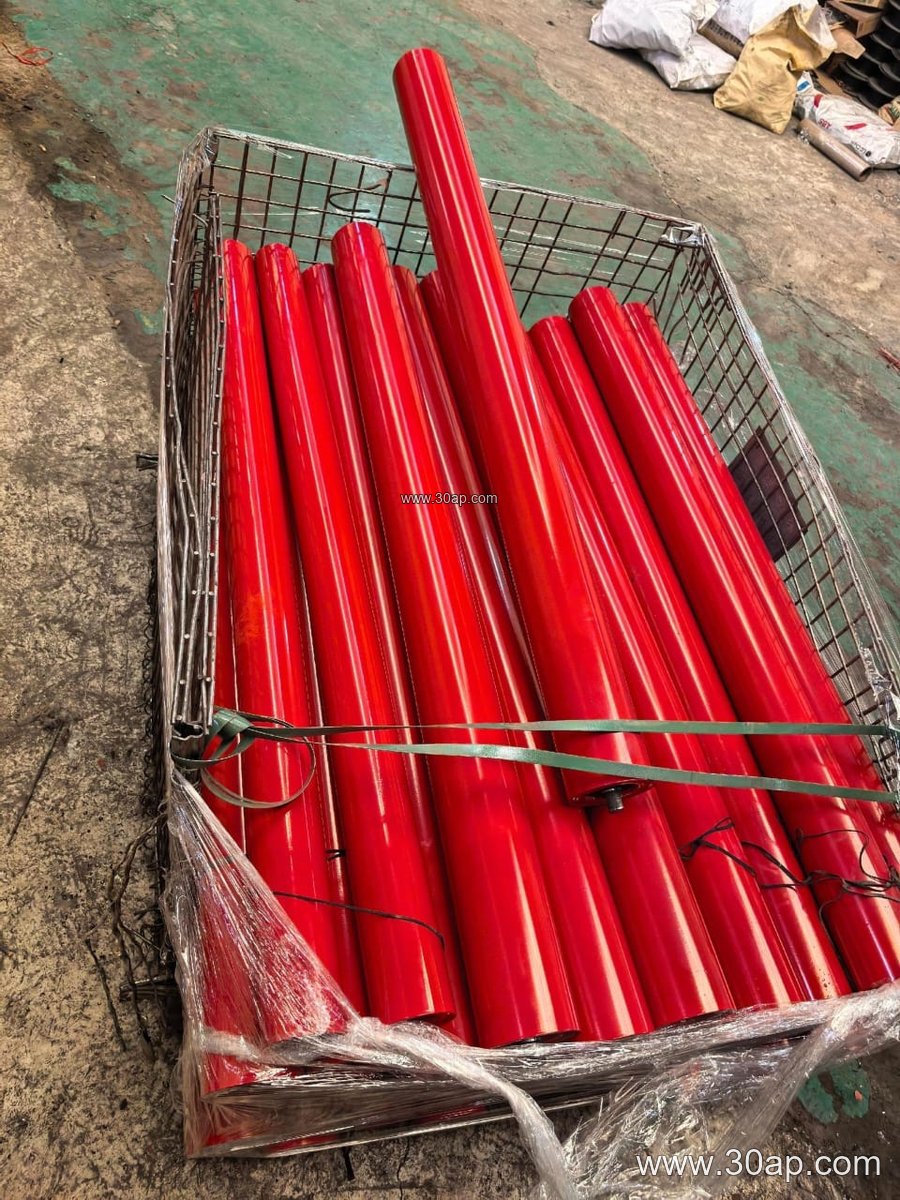
A spiral return idler is a special type of return roller used on the carrying side return strand of a conveyor belt. Instead of a plain cylindrical shell, it has a helical spiral welded onto the roller surface. This spiral shape helps to center the belt, reduce material buildup, and improve tracking on the return run. In many plants, this component is also called a spiral roller or helical return idler, and it is valued for keeping the belt clean and aligned without extra maintenance.
Construction and Key Features
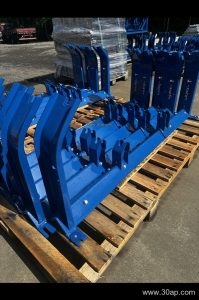
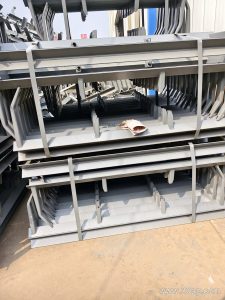
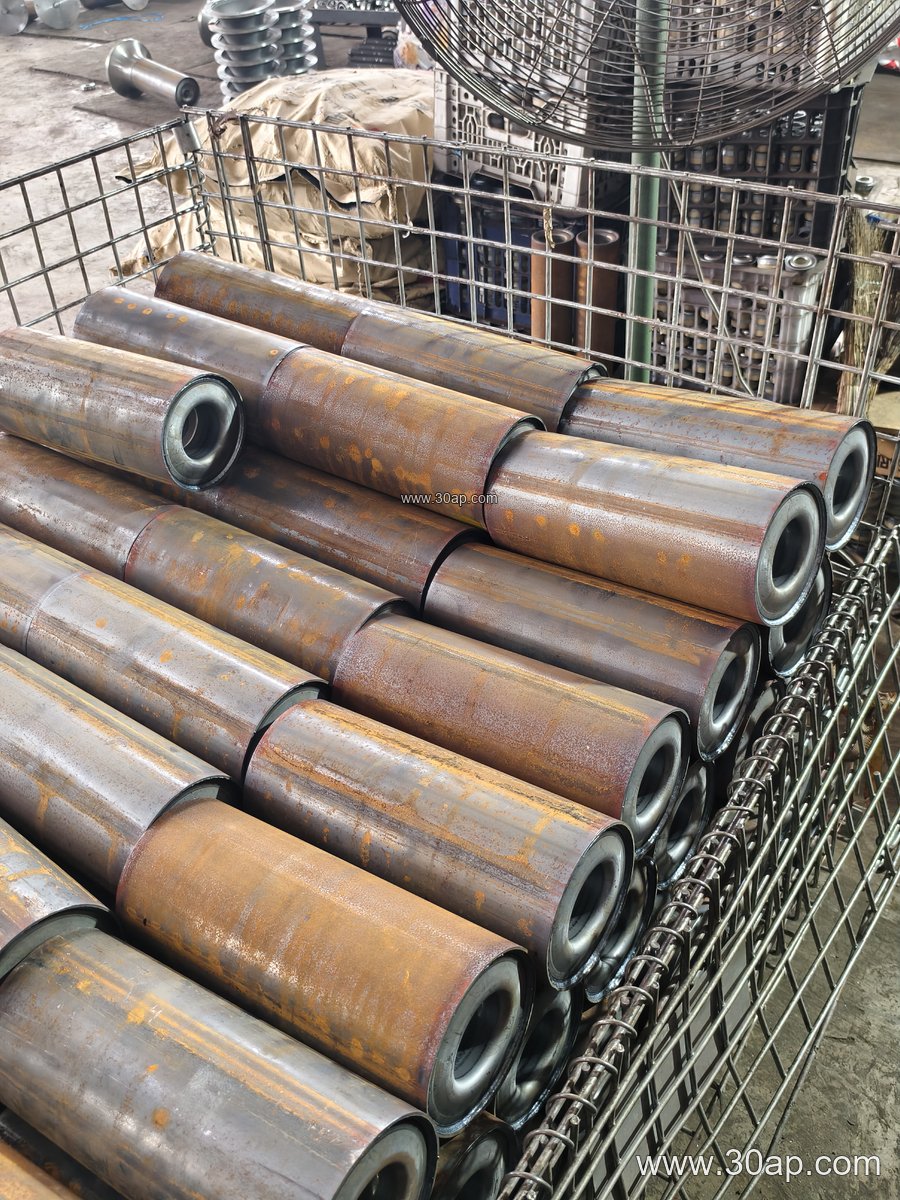
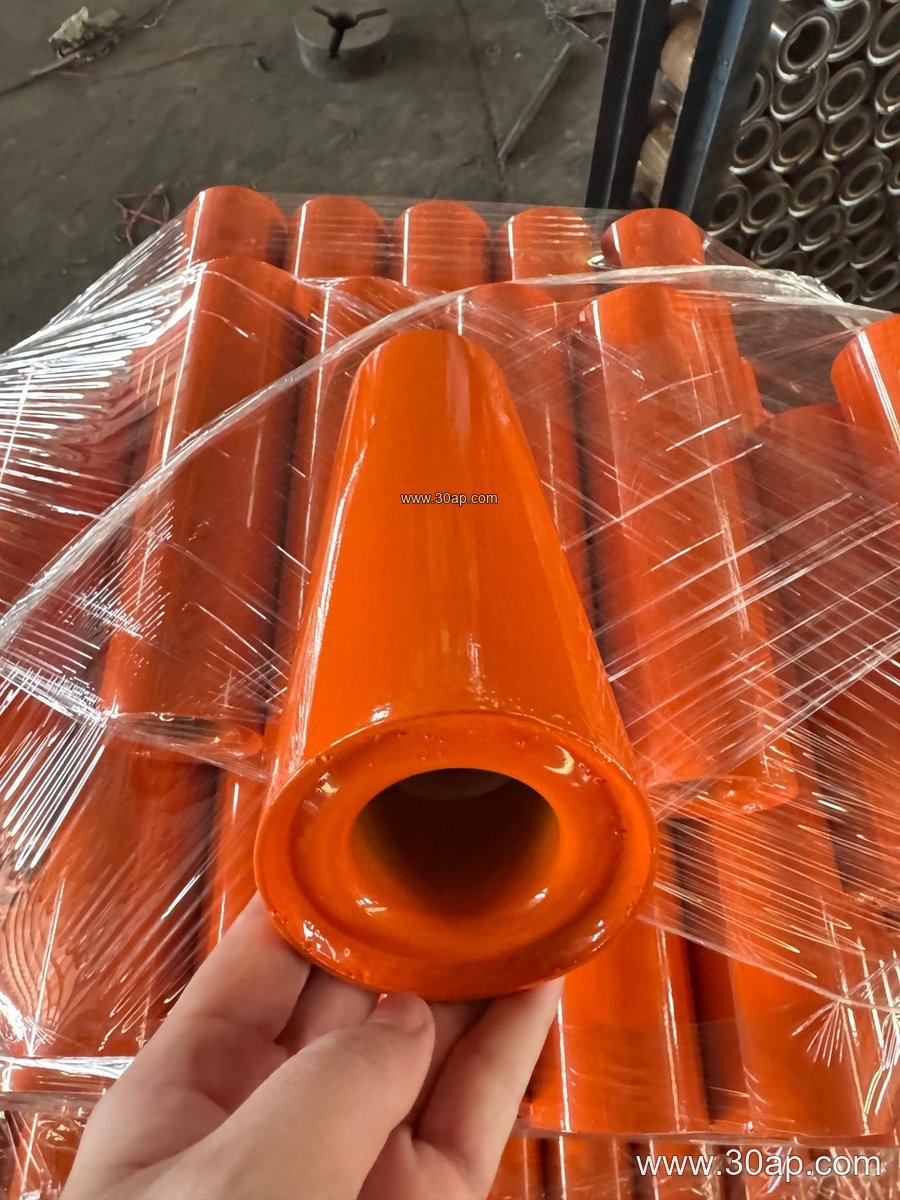
The spiral return idler is typically built with a steel tube body, welded spiral flights, and sealed bearings housed in the end caps. Common roller diameters include Ø89, Ø108, Ø127, Ø133, and Ø159, with bearing sizes such as 6204, 6205, 6305, 6306, and 6308. The spiral is usually made from round steel bar or flat strip, welded in a continuous helix. This design allows fines and sticky material to fall away rather than build up on the roller. The idler is mounted on a conveyor bracket or frame at the return side, and it works together with the conveyor pulley at the tail or drive end to maintain belt tension and alignment.
Where It Is Used
Spiral return idlers are common in bulk material handling where spillage and carryback are concerns. You will find them in coal mining operations, cement plants, power plant coal handling systems, and quarry conveyor lines. They are also useful in sand and gravel plants, crushing and screening circuits, and port loading facilities. In these environments, a mining conveyor belt or heavy-duty conveyor belt often carries abrasive materials, and the spiral return idler helps to reduce wear on the belt return side while keeping the belt centered. It is compatible with various belt types, including EP conveyor belt, NN conveyor belt, and steel cord conveyor belt, as long as the idler is sized to the belt width and load.
Selection and Sizing Notes
When choosing a spiral return idler, consider the belt width, the return strand load, and the environment. Common belt widths range from B500 to B2400, and the idler length should match the belt width and the return idler arrangement. The table below gives typical examples, but final dimensions should be confirmed with the conveyor design.
| Belt Width (mm) | Typical Idler Length (mm) | Common Roller Diameter (mm) | Common Bearing |
|---|---|---|---|
| B500 | 200 | Ø89 | 6204 |
| B650 | 250 | Ø89 / Ø108 | 6205 |
| B800 | 315 | Ø108 | 6305 |
| B1000 | 380 | Ø108 / Ø127 | 6306 |
| B1200 | 465 | Ø127 / Ø133 | 6308 |
| B1400 | 530 | Ø133 | 6308 |
| B1600 | 600 | Ø159 | 6310 |
| B1800 | 670 | Ø159 | 6310 |
These values are for reference only; actual selection depends on the conveyor design, belt speed, and material characteristics. The spiral return idler is not a substitute for a drive pulley, tail pulley, or bend pulley—those are different components with distinct functions. It is also different from a plain return roller or a V-type return idler, although all may appear on the same conveyor.
Maintenance and Buyer Tips
Buyers should check that the spiral is securely welded and that the bearings are properly sealed for the site conditions. In dusty or wet environments, good sealing extends service life. The roller should rotate freely and the spiral should not contact the belt excessively. Regular inspection of the return strand helps to catch worn idlers early. When ordering, specify the belt width, desired roller diameter, bearing type, and mounting arrangement. For projects involving rubber conveyor belt, flame retardant conveyor belt, or heat resistant conveyor belt, ensure the idler materials and bearings are suitable for the operating temperature and atmosphere. A well-matched spiral return idler keeps the belt tracking smoothly and reduces spillage, supporting the overall efficiency of the conveyor system.