What a Coal Mine Conveyor Pulley Does
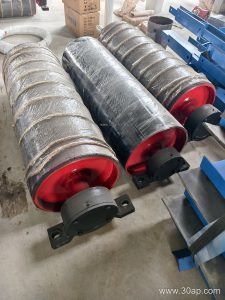
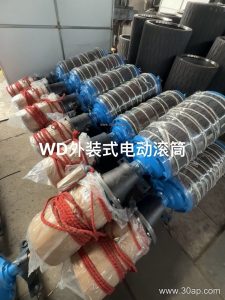
A coal mine conveyor pulley is the rotating drum that carries and returns the belt at the ends and bends of a coal handling system. In a typical underground or surface coal line, the drive pulley pulls the belt, the tail pulley keeps it tracking, and bend or take-up pulleys guide it through transfers and tensioning stations. The pulley is a structural hub with a shell, shaft, bearing housings, and a lagged surface, and each of these parts is chosen for the load, belt width, and environment of the mine.
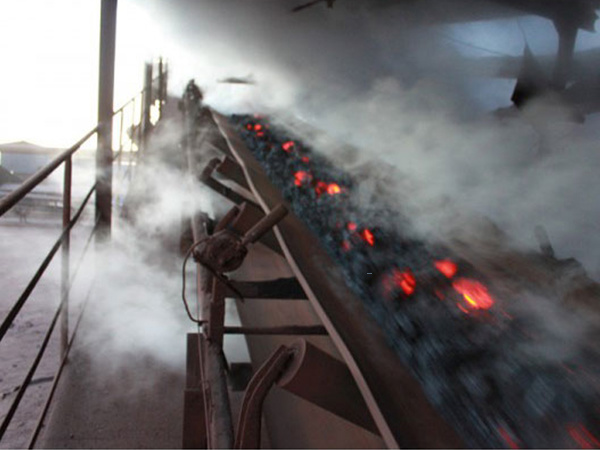
The same drum is often called a conveyor drum or belt pulley, and both names describe the same component. In coal service, the coal mining conveyor belt usually runs in a dusty, damp, and sometimes gassy atmosphere, so flame retardant and anti-static belt grades are common, and the pulley must work with them without slip or misalignment.
Construction and Surface Options
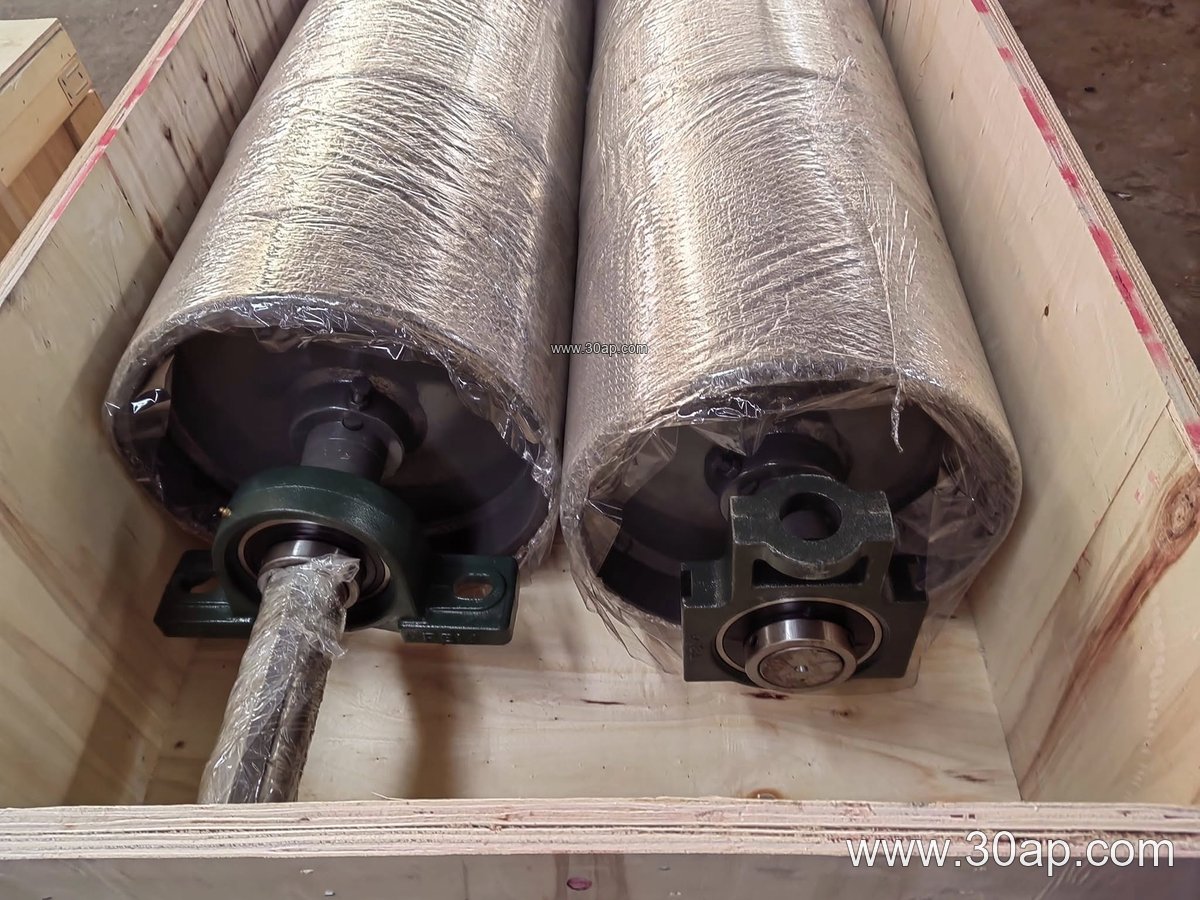
The shell is usually steel tube or rolled plate welded to end discs, with a through shaft or stub shafts keyed into the hubs. Bearing housings are bolted to the end discs, and the whole unit is fixed to a conveyor bracket or frame. Surface treatment is where most specification work happens.
- Plain, unlagged shells suit light, clean duties.
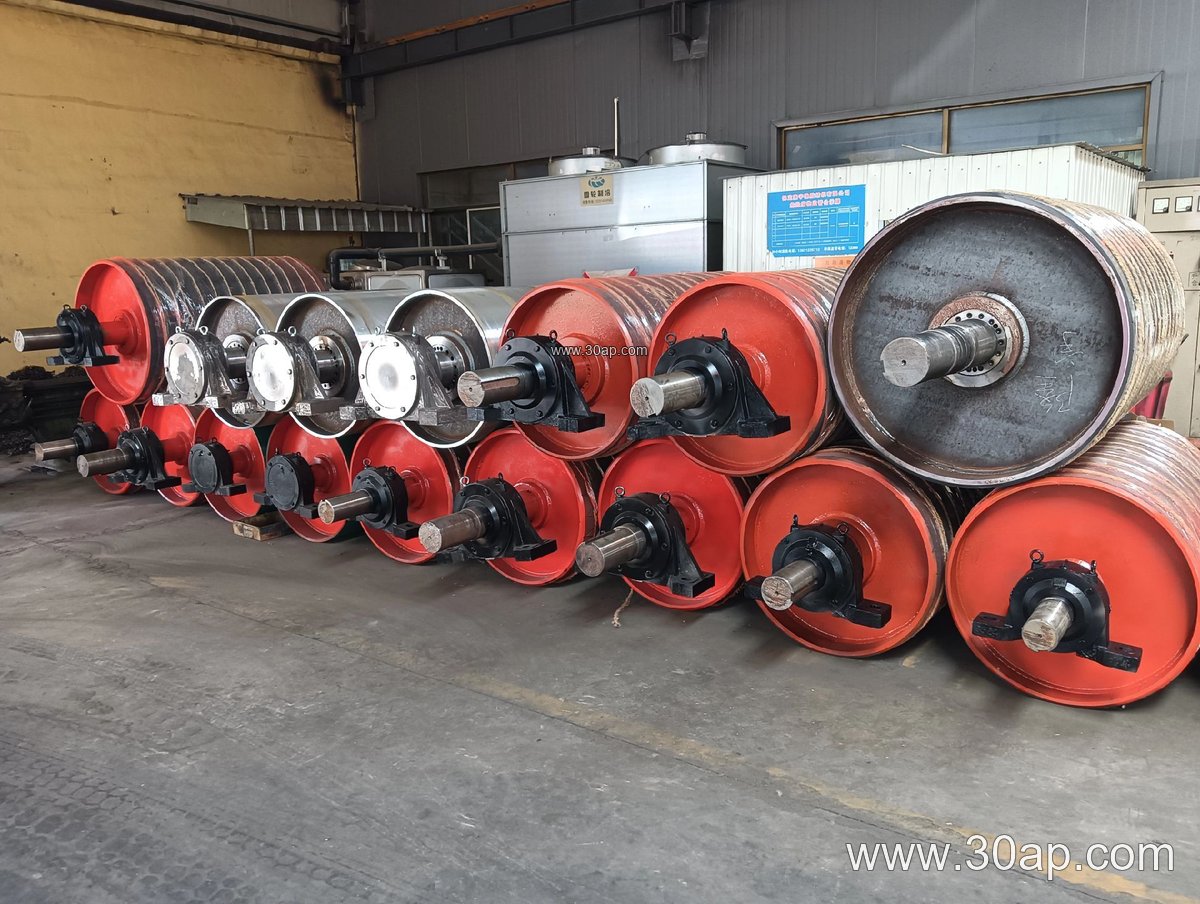
- Cast rubber or cold-bonded rubber lagging improves grip on wet coal.
- Hot-vulcanized rubber gives a stronger bond for heavy-duty mining conveyor belts.
- Diamond or herringbone grooving helps shed water and fines.
- Ceramic lagging is chosen where slip and wear are severe.
Lagging thickness commonly runs from 8 mm to 20 mm, with 10 mm and 12 mm frequent in coal handling. A pulley working at a head end may use diamond lagging, while a tail or bend position often stays plain or lightly lagged to reduce material build-up. These choices are made per station, not per mine.
Where It Sits in the Coal Flow
In a wash plant or coal preparation circuit, the head pulley discharges onto a transfer chute, and the tail pulley sits behind the loading point. A take-up pulley keeps tension steady as the belt stretches, and a snub or bend pulley increases wrap angle around the drive. Underground, the drive and return drums are often close to the seam and exposed to water and fines, so sealed bearings and wear-resistant lagging matter more than in a surface yard.
Coal is not the only duty. Similar drums serve a power plant coal yard, a limestone quarry, and a cement plant clinker line, but the coal version must respect fire and static rules that other bulk materials may not require.
Common Dimensions and How They Pair
The face width is normally a little wider than the belt. The table below shows common reference pairings, not a fixed rule.
| Belt width | Typical face width | Reference diameter examples |
|---|---|---|
| B650 | about 750 mm | Ø400, Ø500 |
| B800 | about 950 mm | Ø500, Ø630 |
| B1000 | about 1150 mm | Ø630, Ø800 |
| B1200 | about 1400 mm | Ø800, Ø1000 |
| B1400 | about 1600 mm | Ø1000, Ø1250 |
| B1600 | about 1800 mm | Ø1250, Ø1400 |
A larger diameter improves belt life by reducing bending stress, while a smaller one saves space. Shaft diameter is set by torque and load, with common sizes from Ø50 to Ø200 mm, and it should never be guessed from belt width alone. A drum may be described as B1200 × Ø1000 or B800 × Ø500, but these are design combinations rather than universal matches.
Working With the Belt and Nearby Equipment
Pulley performance depends on the belt it carries. A steel cord conveyor belt tolerates high tension and needs a well-aligned drive drum, while an EP conveyor belt or NN conveyor belt is more forgiving on shorter runs. In coal mines, a PVG conveyor belt or PVC mining belt is often used underground, and the drum lagging should match its friction needs. Where coal is wet and sticky, a chevron conveyor belt or corrugated sidewall belt may appear on inclined sections, and the bend pulleys must clear the cleats.
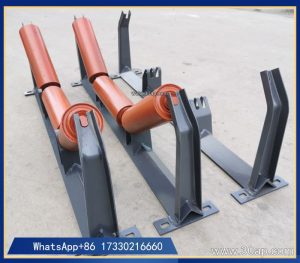
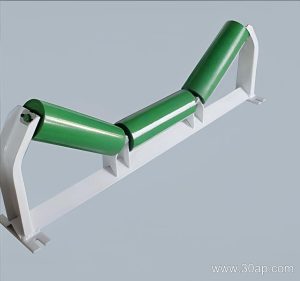
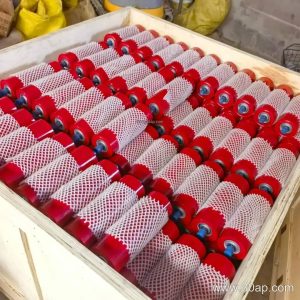
Nearby, conveyor idler rollers support the belt between drums, and conveyor brackets hold both the idlers and the pulley frames. Misalignment at the drum often shows up first as edge wear, so checking the bracket and frame is part of every inspection. Buyers comparing suppliers should ask about shell thickness, lagging bond method, bearing type, and balance grade, and should confirm the shaft size against their actual torque calculation.
For more on matching drums with rubber conveyor belt and fabric core conveyor belt grades, or for idler roller and conveyor bracket references, visit conveyoridlerpulley.com and review the pulley and belt data together.
Buyer Checklist
- Confirm whether the position is head, tail, bend, or take-up, since these are not interchangeable.
- State belt width, belt type, and expected tension.
- Choose lagging by wetness, slip risk, and fire rules.
- Verify shaft diameter from torque, not from width.
- Plan regular checks of lagging wear, bearing temperature, and belt tracking.
Coal handling rewards simple, well-matched hardware. A correctly specified coal mine conveyor pulley keeps the belt centered, protects the splice, and reduces downtime in the toughest part of the coal line.