What a 630mm Diameter Conveyor Pulley Is
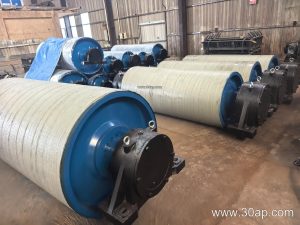
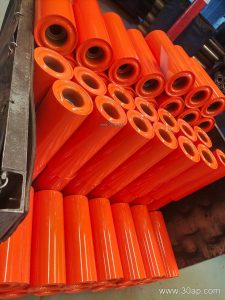
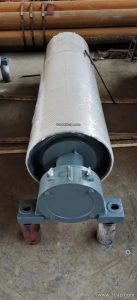
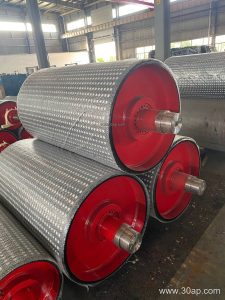
A 630mm diameter conveyor pulley is a large-diameter drum used to drive, tension, or redirect a conveyor belt in bulk material handling systems. The 630mm size sits in the heavy-duty range, offering high torque capacity and a large contact arc for the belt. It is commonly found in primary crushing circuits, main haulage conveyors, and high-tonnage transfer points where reliable power transmission is critical. While drive, tail, and bend pulleys share the same basic cylindrical form, they are not interchangeable—each serves a distinct role in the conveyor layout. This article focuses on the 630mm diameter conveyor pulley as a product category, covering construction, applications, and selection considerations.
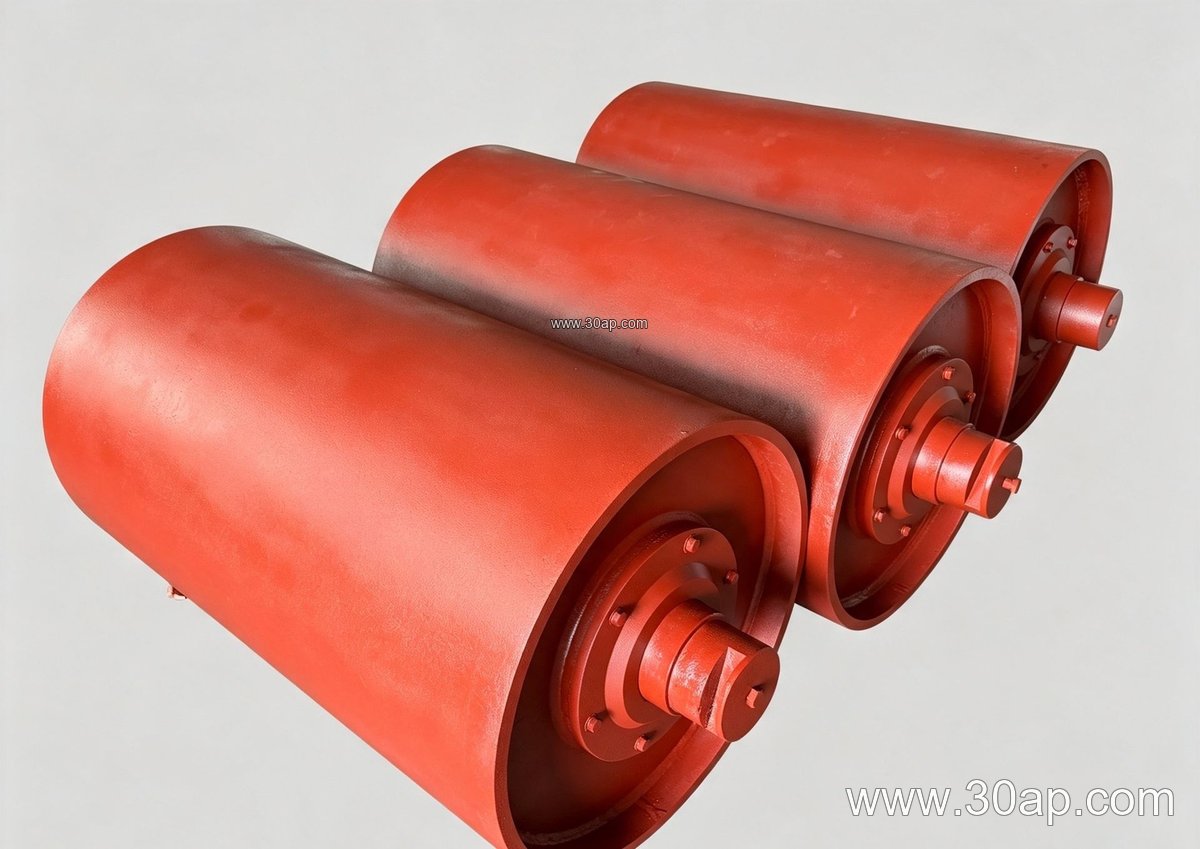
Construction and Surface Options
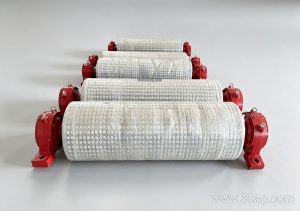
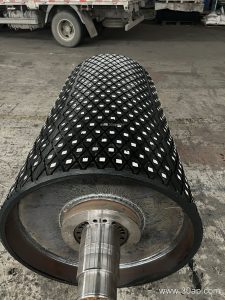
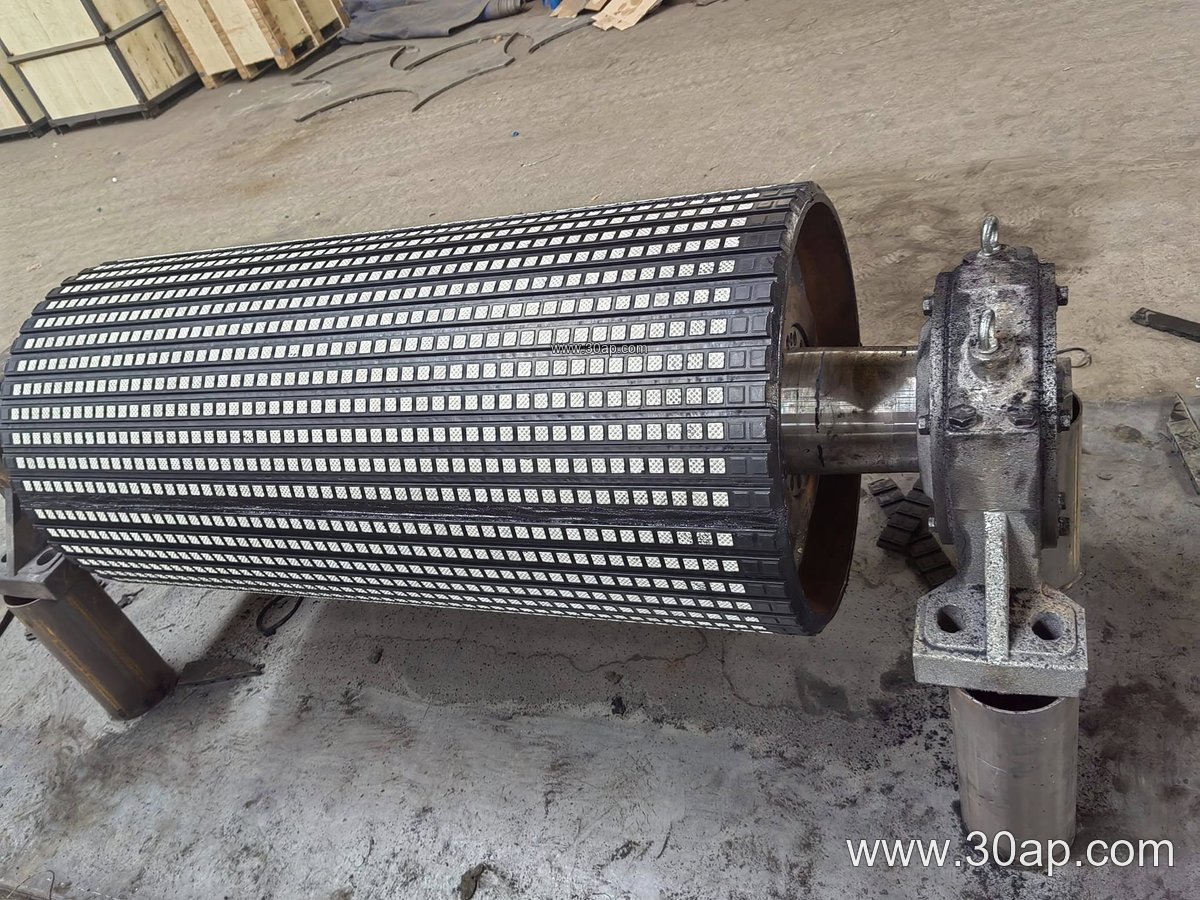
A 630mm diameter conveyor pulley typically consists of a heavy steel shell, end discs, a shaft, and bearing housings. The shell is machined to maintain concentricity and balance. Surface treatment depends on the pulley’s function: drive pulleys often use rubber lagging to increase friction, while bend and tail pulleys may run with a plain or lightly lagged face. Common lagging methods include hot vulcanized rubber, cold-bonded rubber, diamond grooving, and ceramic tiles. Lagging thickness usually ranges from 8 mm to 20 mm, with 10 mm and 12 mm being frequent choices for this diameter class. The pulley face width is normally wider than the belt—for example, a B1200 belt may pair with a 1400 mm face, but the exact combination is determined by the conveyor designer, not by a fixed rule.
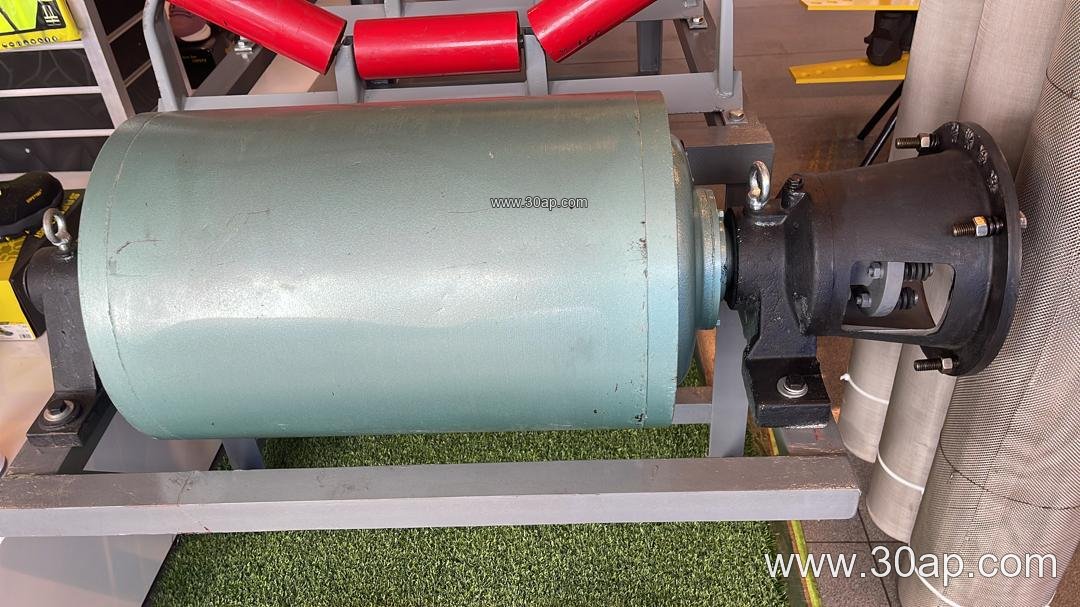
Where It Fits in the Conveyor Line
In a quarry or aggregate plant, a 630mm diameter conveyor pulley often serves as the head drive pulley on the primary belt that carries blasted rock from the crusher. In a coal washing plant, it may appear as a tension pulley on a long overland conveyor, maintaining belt wrap and reducing slip. The same diameter can also be used as a bend pulley at a transfer tower where the belt changes direction. Because the pulley is larger than many standard sizes, it provides more surface area for lagging and can handle higher belt tensions. It works alongside conveyor idler rollers, conveyor brackets, and the conveyor belt itself—each component must be matched to the load profile.
Key Parameters and Selection Guidance
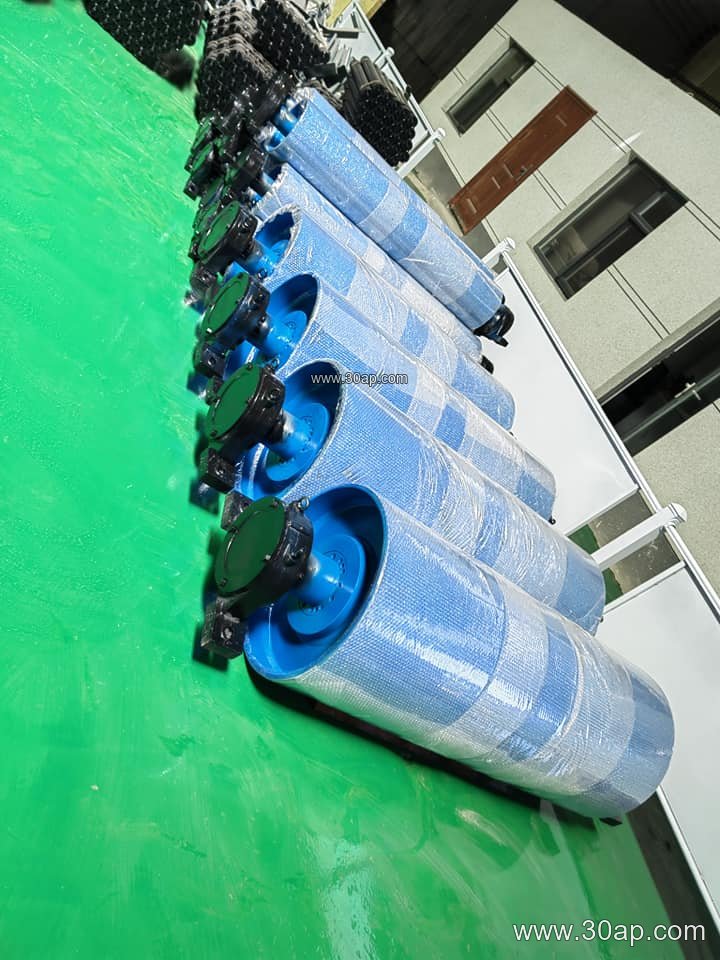
Buyers should treat the following parameters as reference points, not as fixed combinations. The shaft diameter, for instance, is determined by torque and radial load, not by belt width alone. The table below shows typical values associated with a 630mm diameter conveyor pulley, but final specifications must come from the conveyor design engineer.
| Parameter | Common Range or Example |
|---|---|
| Pulley diameter | Ø630 mm |
| Belt width compatibility | B800, B1000, B1200, B1400 (not exclusive) |
| Pulley face width | Approx. 950 mm for B800; 1400 mm for B1200 (design-dependent) |
| Shaft diameter | Ø100, Ø120, Ø140, Ø160, Ø180 (calculated by load) |
| Lagging thickness | 8, 10, 12, 15, 20 mm |
| Lagging type | Plain, diamond rubber, ceramic, hot vulcanized |
| Bearing type | Spherical roller bearing, pillow block or flange housing |
When selecting a 630mm diameter conveyor pulley, consider the belt construction as well. A steel cord conveyor belt or a heavy-duty fabric core belt such as EP1000 or NN300 may require a larger pulley diameter to reduce bending stress. In contrast, lighter belts may not need this size. The pulley should be specified with the correct shaft, bearing, and lagging for the application—not simply chosen by diameter alone.
Maintenance and Compatibility Notes
Regular inspection of lagging wear, shaft alignment, and bearing condition extends pulley life. A 630mm diameter conveyor pulley is often used in dusty, abrasive environments such as limestone mines, cement clinker lines, and iron ore terminals. In these settings, abrasion-resistant conveyor belt grades and proper pulley lagging work together to reduce slip and wear. If the conveyor handles hot materials, a heat resistant conveyor belt may be used, but the pulley itself should be checked for thermal effects on lagging. For underground coal mining, flame retardant conveyor belt and anti-static properties are important, and the pulley should be selected with compatible components. Always confirm the pulley’s load rating and bearing life with the supplier based on actual belt tensions and duty cycle.